Leg Circulation Changes After 50: Why They Happen and How Vitamin K2 (MK-7) May Help
Many adults over 50 begin to notice small but persistent shifts in how their legs feel during the day—heavier, more fatigued, or even slightly cooler than they used to. Long hours of sitting, less daily movement, stress, and normal age-related changes can all make blood flow feel less “efficient,” even when nothing alarming is going on.
The encouraging part is that everyday habits—plus a closer look at a few key nutrients—may support vascular wellness over time. One nutrient that doesn’t get enough attention in healthy aging conversations is vitamin K2, especially the MK-7 form. Studies suggest it’s involved in calcium management, which is closely connected to blood vessel flexibility. So what does that mean for circulation, comfort, and daily energy? Let’s break it down with science, food sources, and practical steps you can start using.
Why Circulation Often Feels “Off” After Age 50
As the years pass, your vascular system has to respond to more friction from day-to-day life. Common contributors include:
- Less physical activity and more sitting
- Hormonal shifts
- Long-term dietary patterns
- Gradual changes in blood vessel elasticity
Over time, these factors can show up as everyday sensations such as:
- Heavier legs toward the evening
- Cooler hands or feet
- Occasional tingling or mild puffiness
- Night discomfort that disrupts sleep
These experiences aren’t automatically signs of a serious condition, but they can be a reminder that small, consistent habits matter more than ever. Many people try hydration, gentle stretching, or massage—and those can help. Still, there’s another piece that often stays in the background: how your body handles calcium, especially in relation to blood vessels.
Vitamin K2 (MK-7): The Often-Missed Nutrient in Vascular Support
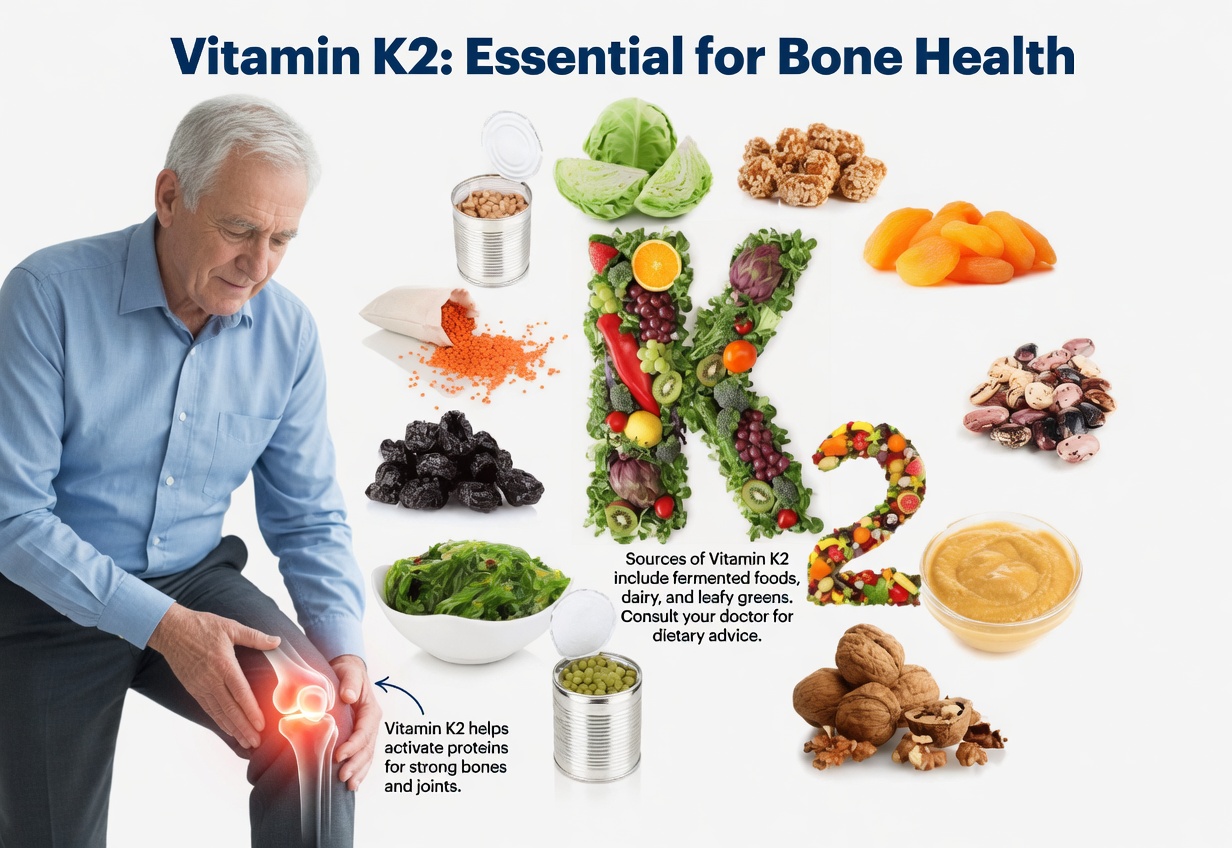
Vitamin K2 is unique because it helps activate certain proteins that guide where calcium should go in the body. One well-known example is matrix Gla protein (MGP), which is associated with helping limit calcium buildup in soft tissues, including blood vessels.
Put simply: better calcium “direction” may support vascular flexibility as we age.
This is important to frame correctly. Vitamin K2 is not a miracle nutrient that “cleans arteries” or reverses aging. Claims like that go beyond what evidence supports. However, observational research has linked higher vitamin K2 intake with favorable cardiovascular markers in some groups—such as reduced arterial stiffness in postmenopausal women.
Some longer-term findings in generally healthy women over 50 have connected consistent MK-7 intake with improvements in vascular elasticity measurements (for example, metrics like pulse wave velocity). These results describe associations and clinical observations—not guarantees—yet they help explain why MK-7 continues to attract scientific interest.
A key practical detail: MK-7 tends to stay active in the body longer than some other forms of vitamin K, which may make it more relevant for ongoing, steady support.
Everyday Examples: Small Changes That Add Up (Names Changed)
Many people who feel “heavy legs” or colder feet don’t need drastic interventions—they need a sustainable routine.
-
María, 68, a retired teacher, often felt her legs become weighed down late in the day, with occasional nighttime cramps affecting sleep. After discussing options with her clinician, she combined short daily walks with simple diet upgrades focused on nutrient-dense foods. Over time, she noticed modest but meaningful improvements in comfort and rest.
-
Jorge, 57, worked long desk hours and struggled with cold feet even when bundled up. He started with basics: brief walks after meals, fewer ultra-processed foods, and professional guidance on nutrient combinations. After a few months, he felt steadier and less sluggish when standing and moving.
These stories highlight a common theme: progress usually comes from stacking small actions, not relying on one nutrient alone.
9 Ways People Connect Vitamin K2 to Circulation Support
Below are research-informed reasons people explore vitamin K2 (MK-7) as part of a circulation-friendly lifestyle:
- Less end-of-day “heaviness” when nutrition and daily habits are better aligned
- Warmer-feeling hands and feet as vascular response improves over time
- Support for vessel adaptability, since K2 activates proteins linked to calcium regulation
- Smart pairing with vitamin D, because D supports calcium absorption while K2 supports calcium placement
- A more balanced internal environment, potentially influencing broader wellness pathways
- More stable energy for movement, making it easier to stay active consistently
- Comfort alongside visible vein concerns, when combined with movement, fiber, and weight management
- Associations with positive cardiovascular markers in observational studies of higher intake
- Greater day-to-day independence, supported by better comfort, mobility, and rest
Food Sources of Vitamin K2 (MK-7) You Can Actually Use
For most people, a strong first step is prioritizing real food sources.
Top foods that naturally provide vitamin K2 (with emphasis on MK-7 where relevant):
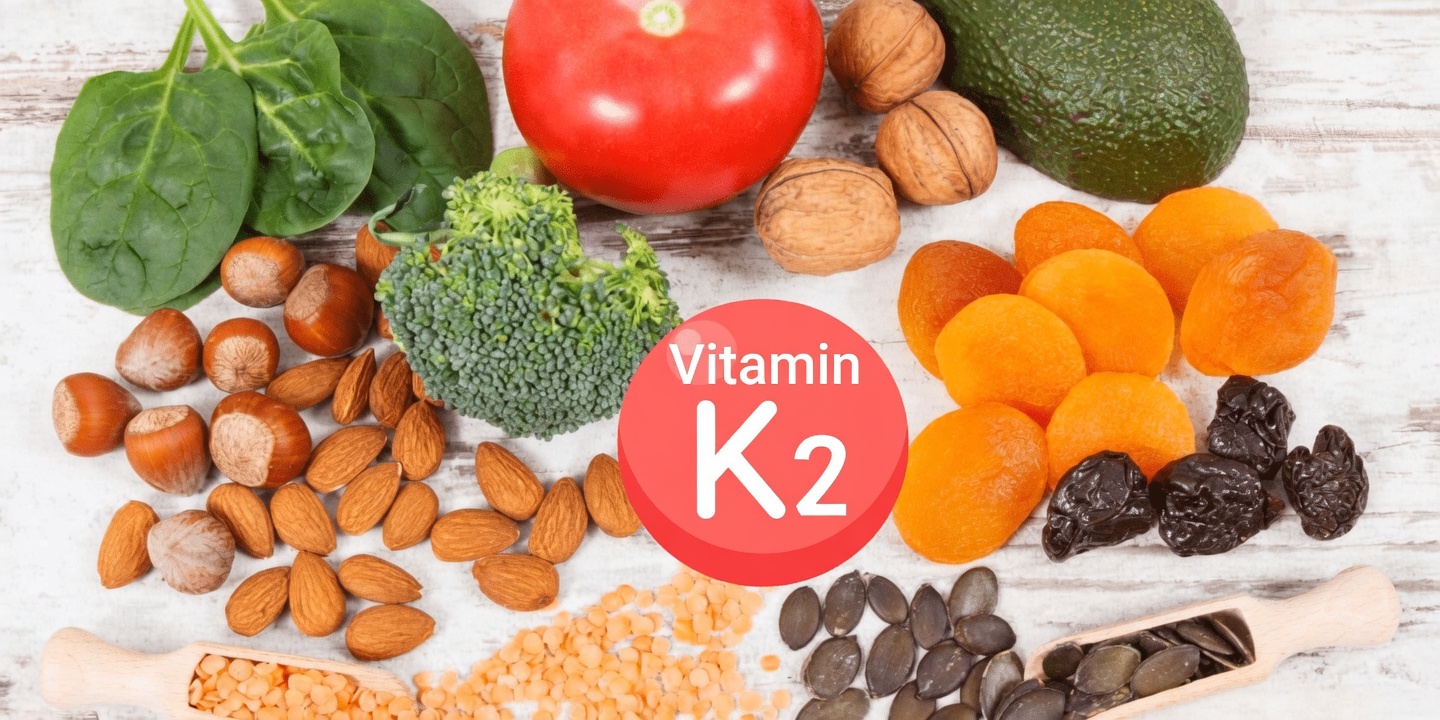
- Natto (fermented soybeans): widely considered the richest natural source of MK-7
- Aged cheeses (such as Gouda, Edam, Brie): concentrated and convenient
- Egg yolks: levels can be higher when eggs come from pasture-raised hens
- Fermented foods (like sauerkraut and certain yogurts): fermentation can increase K2 availability
- Meat and liver (often higher in some grass-fed options)
Quick nutrient comparison (simple and useful)
- Vitamin K2 (MK-7): supports calcium regulation tied to vascular flexibility; longer-lasting activity; found in natto and aged cheeses
- Vitamin D3: supports calcium absorption; often paired logically with K2; sourced from sunlight, fatty fish, and fortified foods
- Vitamin C: supports collagen formation for vessel structure; abundant in fruits and vegetables
Adding these foods gradually can improve overall nutrient coverage without turning your routine upside down.
3 Practical Steps to Support Circulation Starting Today
-
Walk after meals (10–15 minutes)
A short, gentle post-meal walk is one of the simplest ways to encourage leg circulation. -
Make one nutrition upgrade per day
Try a slow rotation:- Day 1: egg-based breakfast
- Day 2: add a serving of fermented vegetables
- Day 3: choose a portion of aged cheese as a snack
Small changes are easier to sustain—and consistency matters.
-
Talk to a qualified professional
Discuss your symptoms, lifestyle, medications, and whether checking relevant nutrient status makes sense—especially if you manage blood pressure, cholesterol, or other long-term health concerns.
Important safety note: If you take blood thinners (such as warfarin), vitamin K intake must be handled carefully. Do not change vitamin K intake or start supplements without medical supervision.
Final Takeaway: Small Moves, Real Long-Term Value
It’s common for circulation to feel different after 50, and it doesn’t always signal a crisis. Still, daily choices influence how you feel—comfort, energy, and even sleep. Vitamin K2 (MK-7) stands out because of its role in calcium management and its associations with vascular markers observed in research, making it a nutrient worth understanding as part of healthy aging.
The biggest results usually come from consistency: nourishing foods, regular movement, and expert input when needed. Over time, these modest shifts can compound into noticeable improvements in everyday comfort.
Frequently Asked Questions (FAQ)
What is the best food source of vitamin K2 MK-7?
Natto is typically considered the highest natural source of MK-7, followed by aged cheeses and some fermented dairy foods.
Can vitamin K2 help with cold feet or heavy legs?
Higher vitamin K2 intake has been associated with better vascular markers in observational research, which may support comfort. However, it works best as part of a broader approach (movement, diet quality, and overall cardiovascular habits), not as a standalone fix.
Is it safe to take vitamin K2 supplements after 50?
For many people, vitamin K2 is generally well tolerated, but you should consult a clinician first—especially if you take medications (notably blood thinners) or manage chronic conditions.
Medical disclaimer: This article is for informational purposes only and does not provide medical advice. Always consult a qualified healthcare provider before changing your diet, supplements, or routine—particularly if you have medical conditions or take prescription medications.