When Chia Seeds Go Wrong (and How to Fix It)
You add chia seeds to a glass, pour in liquid, give it a quick stir, and expect an easy wellness win. Instead, you get an odd texture, a heavy feeling in your stomach, or results that seem nonexistent. Many people run into the same problem, feel discouraged, and stop using chia—despite how simple it can be once you know the basics.
The good news is that a few small changes in how you soak chia seeds can dramatically improve texture, digestion, and consistency. One surprisingly effective trick is also included below—and it often makes the biggest difference of all.

Why Proper Soaking Matters for Chia Seeds
Chia seeds are famous for turning liquid into a chia seed gel, but that only works well when hydration is even. When soaking is rushed or uneven, seeds can clump and stay dry in the center. Those partially hydrated clumps may continue expanding later, which is a common reason people report bloating, heaviness, or a gritty mouthfeel.
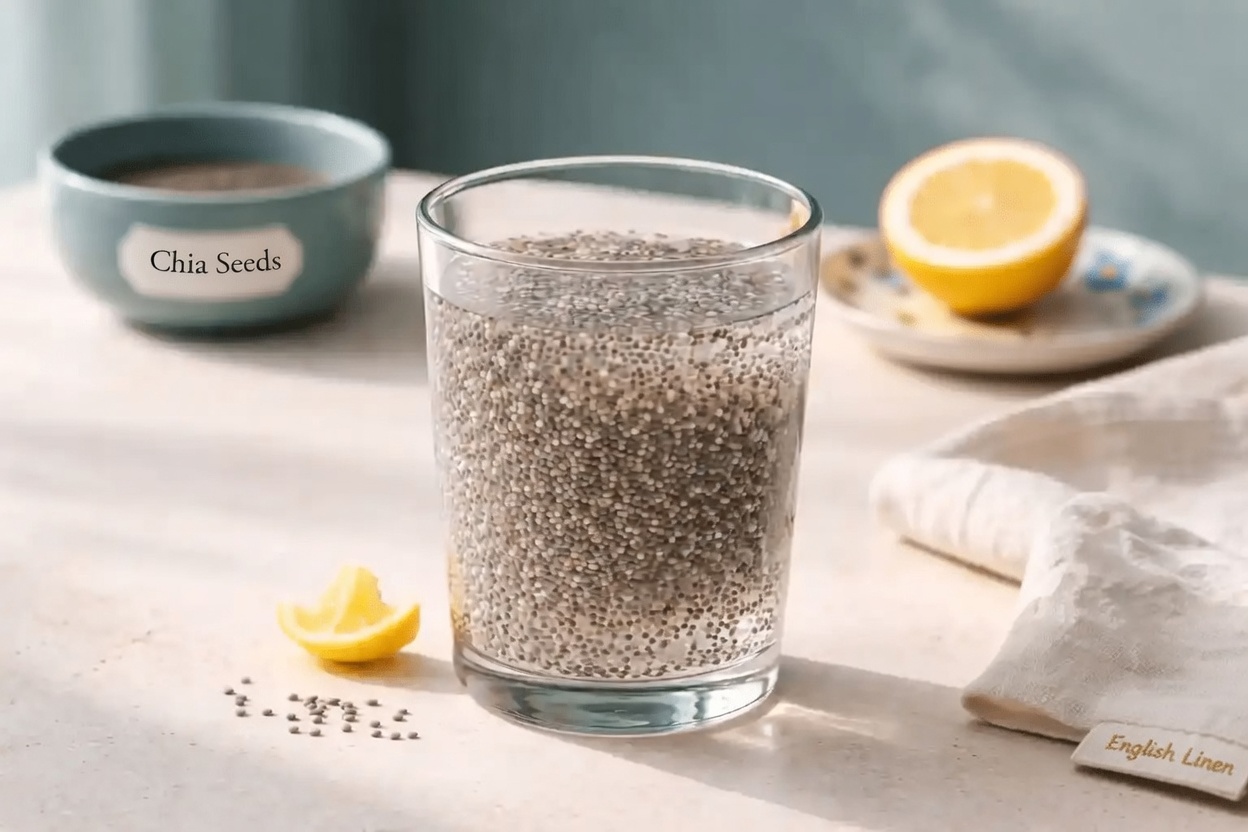
Chia can absorb up to about 12 times its weight in water, so preparation matters. Done correctly, soaking keeps the gel formation outside the body—where you want it—so your chia is smooth, consistent, and easier to tolerate.
5 Common Chia Soaking Mistakes (and What to Do Instead)
Mistake #1: Using Only Cold Liquid
Soaking chia seeds in cold water or cold milk slows hydration. The outside can gel quickly while the center stays under-soaked, which often creates a rough, gritty texture and may feel uncomfortable going down.
Better approach:
- Use room-temperature liquid (or mildly warm—not hot) for more even gel formation.
- The warmer environment supports faster, more uniform absorption.
Mistake #2: Getting the Soak Time Wrong
If you soak for only a few minutes, chia may still be expanding when you eat it—leading to that swollen, uncomfortable “brick-like” feeling some people describe. On the other hand, leaving chia too long at room temperature can cause off flavors and increase spoilage risk.
Better approach:
- For a quick gel: 15–30 minutes at room temperature
- For a pudding-like texture: 8–12 hours in the refrigerator
Mistake #3: Picking the Wrong Liquid
Using very acidic or heavily sweetened liquids can make the mixture taste harsh, overly sweet, or irritating—especially for sensitive stomachs. Trendy mixes aren’t always the best choice for daily use.
Better approach:
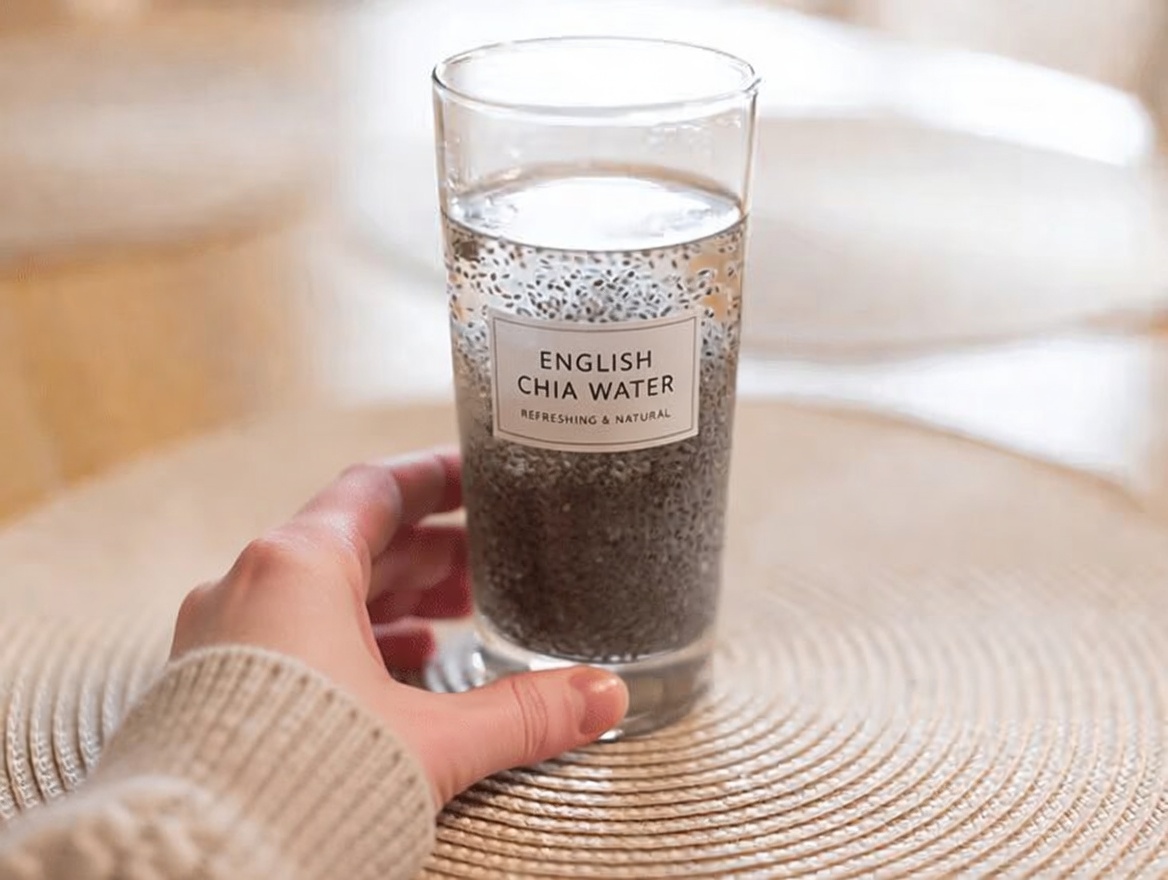
- Choose neutral liquids such as:
- Filtered water
- Unsweetened plant milk
- Herbal tea (cooled to room temperature)
- Add flavors after soaking to protect the texture and keep the mix gentler.
Mistake #4: Not Stirring Enough (the “Surprising Tip” That Changes Everything)
Clumping is one of the biggest reasons chia feels unpleasant. When you skip stirring, dry pockets get trapped inside gelled clusters, creating lumps that can feel heavy later.
Better approach (simple and highly effective):
- Stir immediately after adding liquid
- Stir again at 2–3 minutes
- Stir once more at 8–10 minutes
- Or shake in a sealed jar for a clump-free chia gel
Mistake #5: Storing Soaked Chia Seeds Incorrectly
Improper storage can lead to separation, odd smells, or faster spoilage—especially if fruit is mixed in too early. That’s when chia starts feeling “high maintenance” instead of convenient.
Better approach:
- Store soaked chia in an airtight glass container
- Refrigerate right away
- Use within 2–3 days
- Stir before serving to restore the texture
7 Benefits People Notice When Chia Seeds Are Soaked Properly
When you consistently soak chia seeds the right way, many people report practical improvements such as:
- Better texture that’s smooth instead of gritty—making the habit easier to keep.
- Less bloating, because the gel forms before you eat it rather than expanding later.
- More stable energy, as digestion tends to feel more predictable and even.
- Fullness without heaviness, avoiding that uncomfortable overstuffed sensation.
- Improved hydration habits, since chia requires an adequate liquid ratio to work well.
- Smoother regularity for some people, especially when introduced gradually.
- More confidence and consistency, turning chia into a reliable routine rather than trial-and-error.
Two Real-Life Examples of Fixing Chia Soaking Problems
Brandon’s issue: He felt bloated every time he tried chia, usually soaking it briefly in cold liquid.
What changed: He switched to room-temperature soaking, used more water, and started with smaller servings. The heaviness eased, and chia became workable instead of frustrating.
Nicole’s issue: Her meal-prepped chia often separated or spoiled, especially when stored with fruit.
What changed: She started using glass jars, refrigerated immediately, and added fruit right before eating. The result was fresher chia and far less waste.
Step-by-Step: How to Soak Chia Seeds Correctly
- Start with 1 tablespoon of chia seeds to ease in gently.
- Use a 1:6 to 1:8 ratio of chia seeds to liquid (for example, 1 tbsp chia + 6–8 tbsp liquid).
- Choose water or unsweetened plant milk for the most dependable results.
- Stir at 0 minutes, 2 minutes, and 10 minutes (or shake in a jar).
- Soak 15–30 minutes at room temperature, or overnight in the fridge for chia pudding texture.
- Store in an airtight glass container in the refrigerator and use within 2–3 days.
- Stir before eating to bring the gel back to a smooth consistency.
Three Easy Ways to Make Soaked Chia Seeds Taste Better
- Add cinnamon and vanilla after soaking for a warm, dessert-like flavor without disrupting gel formation.
- Mix in berries right before eating to keep the taste fresh and reduce spoilage during meal prep.
- Combine with yogurt or oatmeal for a creamier, more filling meal with extra protein and better texture.
Quick Fix Summary Table
| Mistake | What Often Happens | Better Fix |
|---|---|---|
| Soaking only in cold liquid | Slow hydration, gritty or uneven gel | Use room-temperature or mildly warm liquid |
| Soaking too short or too long | Expands later (bloating) or develops off flavors | 15–30 minutes at room temp, or 8–12 hours refrigerated |
| Using acidic/sugary liquids | Too sweet, harsh taste, potential stomach irritation | Use neutral liquids; flavor after soaking |
| Not stirring enough | Clumps with dry centers | Stir multiple times early or shake in a jar |
| Poor storage | Separation, odors, faster spoilage | Airtight glass container; refrigerate; use within 2–3 days |