
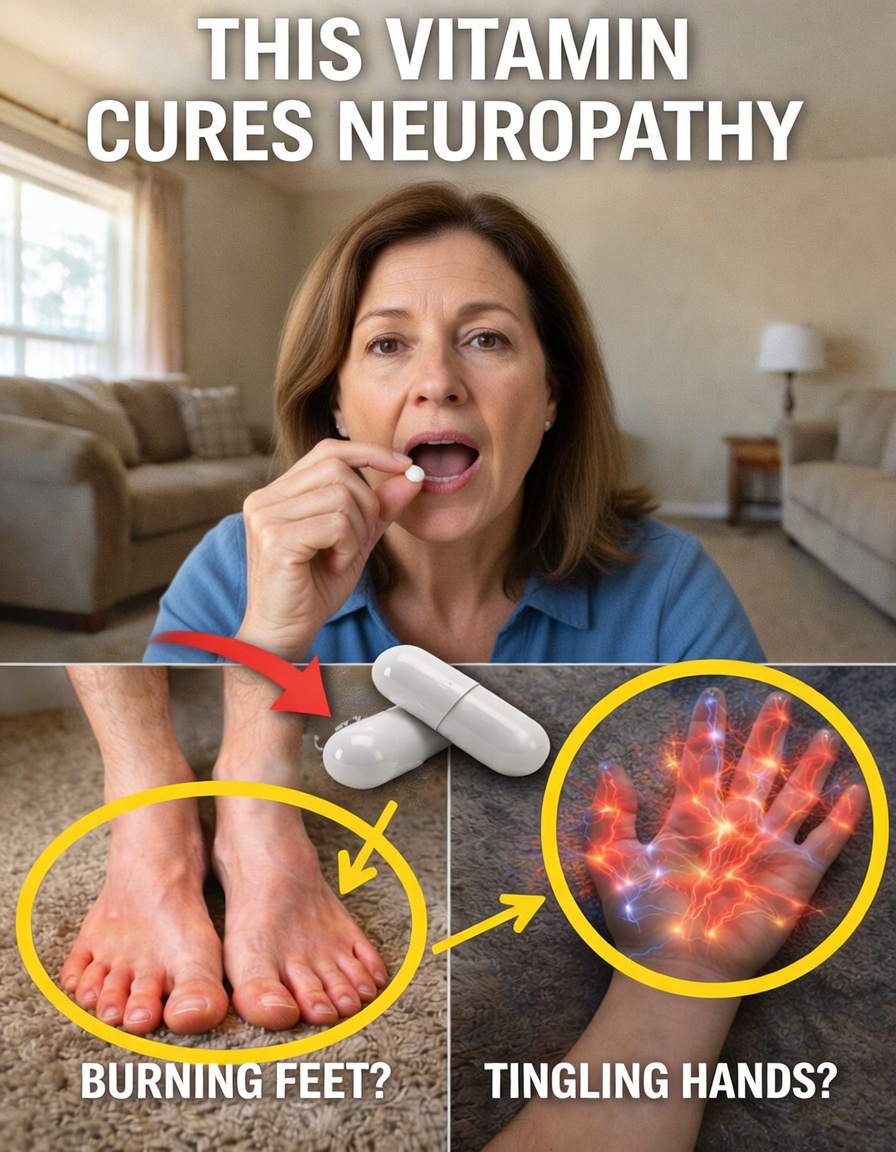
Your feet may feel as if they’re padded with an invisible layer—soft yet unsteady—turning simple steps into a constant guessing game. The tingling, buzzing, or burning can intensify at night, disrupt sleep, and drain your focus during the day. When nerve discomfort lingers, it can also trigger anxiety about what the symptoms mean and whether they’ll get worse. Learning how vitamins for neuropathy support fit into the bigger picture may help you make clearer, more effective choices—especially if you start with one surprisingly powerful step.
Why Neuropathy Symptoms Can Feel Intense—and Still Be Easy to Miss
Neuropathy often develops gradually. A mild “pins and needles” feeling in the toes can be brushed off as fatigue, awkward shoes, or normal aging—until it begins to affect balance, walking confidence, or your ability to relax at night.
One reason these symptoms feel confusing is that nerve function depends on many factors, including blood sugar control, circulation, medications, and nutrient status. In particular, certain deficiencies can worsen numbness, burning, and weakness. That’s why vitamins for neuropathy support are frequently discussed in clinical and research contexts.
Organizations such as the National Institutes of Health (NIH) have highlighted how identifying and correcting nutrient deficiencies early can reduce avoidable complications and persistent discomfort.
The Crucial First Step: Testing Beats Guessing
It’s tempting to start a supplement “stack” the moment symptoms flare—yet guessing can backfire. If your burning feet don’t improve after months of random products, the real problem may be that you never addressed the right deficiency (or you took an unnecessary dose).
A targeted lab workup can help confirm whether nutrient gaps are contributing to symptoms and can also reveal absorption challenges that become more common with age. Instead of adding uncertainty to an already stressful situation, begin with facts: test, then target.
1. Vitamin B12: A Core Nutrient for Nerve Protection (Often Missed After 50)
If you’re dealing with numbness in the hands or feet, B12 deserves attention. Vitamin B12 supports myelin, the protective coating around nerves that helps signals travel efficiently. When myelin support is compromised, symptoms like tingling, weakness, and balance concerns can become more noticeable.
B12 issues are especially common in:
- Adults over 50 (absorption can decline)
- People who eat little or no animal products
- Individuals with certain digestive conditions or medication use
Some research and clinical discussions mention forms such as methylcobalamin due to bioavailability considerations. The most important point: if levels are low, correcting them with professional guidance can meaningfully support nerve health.
2. Vitamin B1 (Thiamine) and Benfotiamine: Supporting Nerve Signaling and Metabolism
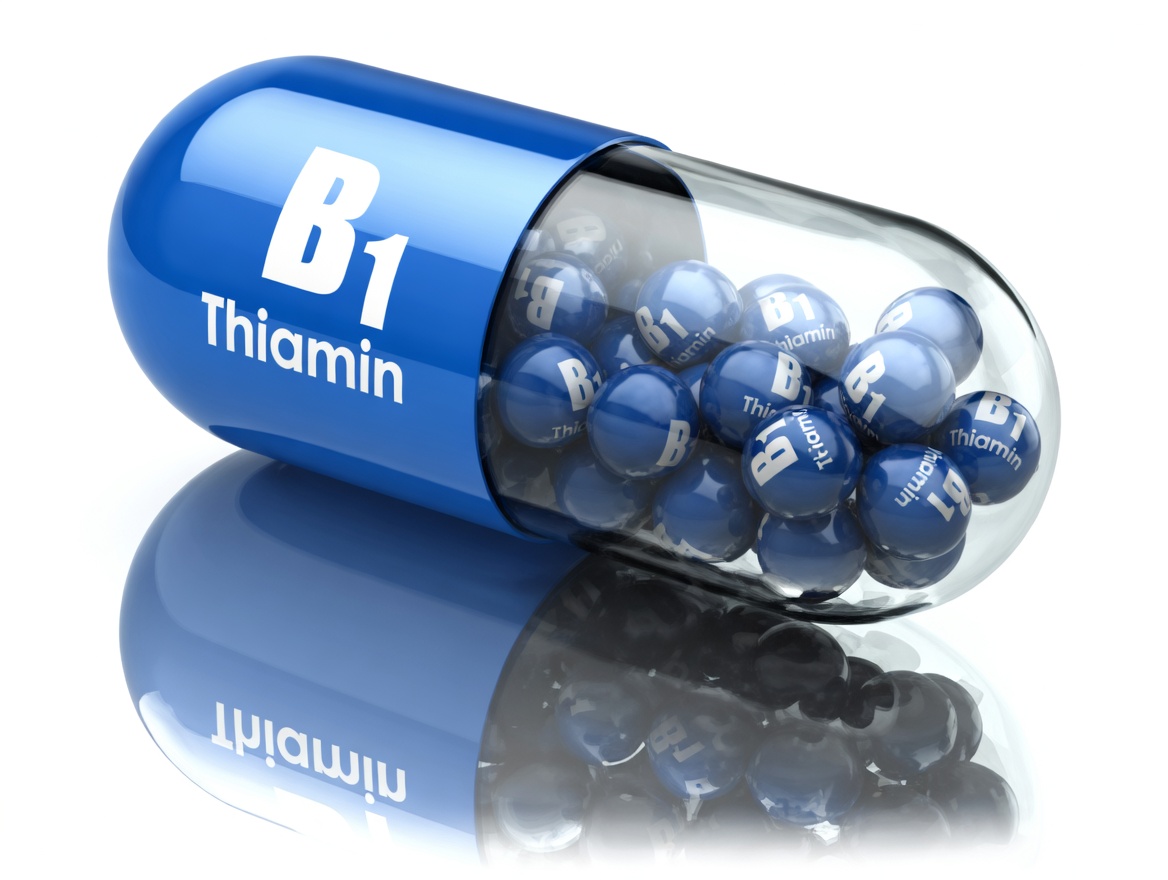
Nighttime burning or “electric” sensations can disrupt sleep and leave you exhausted the next day. Thiamine (vitamin B1) plays a role in nerve conduction and energy metabolism, which is why it often appears in conversations about vitamins for neuropathy support.
A widely discussed option is benfotiamine, a more absorbable thiamine-related form that is frequently explored in settings such as diabetes-associated nerve discomfort.
Common food sources include:
- Whole grains
- Legumes
- Seeds
When deficiency risk is present, targeted support may be needed. Studies often connect thiamine status to metabolic health, offering a practical avenue to explore with your clinician.

3. Vitamin B6: The Right Dose Matters (Too Little or Too Much Can Be a Problem)
Vitamin B6 supports neurotransmitter production, but it has a unique caution: both deficiency and long-term excess may be associated with neuropathy-like symptoms. That means more is not automatically better.
Key takeaways for B6:
- Stay within recommended ranges unless a clinician advises otherwise
- Be especially cautious with high-dose, long-term supplementation
- Consider testing if symptoms are persistent and supplement use is already in play
Food sources commonly include:
- Poultry
- Fish
- Nuts
With B6, precision protects progress—especially if you’re also managing blood sugar swings or other metabolic issues.
4. Alpha Lipoic Acid (ALA): Antioxidant Support for Oxidative Stress
Oxidative stress can add pressure to nerve health, particularly in metabolic conditions. Alpha lipoic acid (ALA) is often mentioned alongside vitamins for neuropathy support because it helps the body recycle certain antioxidants and has been studied for its potential role in easing burning or numbness in specific contexts.
You can find small natural amounts in foods such as:
- Spinach and other vegetables
Important safety note: ALA can influence blood sugar, so people using diabetes medications or managing glucose variability should review ALA use with a clinician to avoid unwanted effects.

5. Vitamin D: A Quiet Link to Immune and Nerve Function
Vitamin D is easy to overlook, yet low levels may contribute to inflammation-related discomfort and reduced mobility over time. Because vitamin D influences immune signaling, it is frequently considered when discussing whole-body contributors to nerve symptoms.
Primary sources include:
- Sun exposure (varies by season, latitude, and skin protection)
- Fatty fish
Since vitamin D is fat-soluble, dosing should be monitored—ideally after testing—to avoid excessive intake while still reaching an effective level.
What You Can Realistically Expect From Vitamins for Neuropathy Support
Correcting deficiencies is not an instant cure, but it can reduce uncertainty and support steadier progress. With a test-guided approach, potential benefits may include:
- More clarity about what’s driving symptoms (less anxiety and second-guessing)
- Subtle improvements in nerve signaling that may reduce nighttime “zaps”
- Better support for metabolic stress (especially when paired with lifestyle steps)
- More stable energy that can help you stay consistent with movement and sleep
- Fewer preventable setbacks from unnecessary supplementation or overdosing
The biggest advantage is often strategic: you stop chasing random solutions and start making measured, trackable changes.
Real-Life Examples: How Targeted Plans Can Change the Experience
Elaine, 64, noticed buzzing in her feet most nights and began feeling unsteady, increasing her fear of falling. After discussing symptoms with her provider and using targeted testing, she focused on a more specific plan for vitamins for neuropathy support. Over time, she reported fewer nighttime interruptions and improved confidence with daily walking.
Marcus, 57, assumed his diabetes-related tingling was unavoidable and felt frustrated by recurring flares. With a monitored strategy—built around lab results, symptom tracking, and careful supplement choices—he gained more control and noticed fewer symptom spikes linked to meals and poor sleep.
These stories underline a consistent pattern: clarity and consistency usually outperform guesswork.
Quick Reference Table: Common Options and Cautions
| Nutrient | What It Supports | Common Food Sources | Common Caution |
|---|---|---|---|
| Vitamin B12 | Myelin support, nerve signaling | Meat, fish, eggs, dairy | Absorption may decline with age; test levels |
| Vitamin B1 (Thiamine/Benfotiamine) | Nerve conduction, neurotransmitters | Whole grains, legumes, seeds | Risk varies; consider clinician guidance |
| Vitamin B6 | Neurotransmitter synthesis | Poultry, fish, nuts | High doses over time may worsen symptoms |
| Alpha Lipoic Acid | Antioxidant defense | Vegetables, yeast (small amounts) | Interactions; can affect blood sugar |
| Vitamin D | Immune signaling, overall nerve health | Sunlight, fatty fish | Fat-soluble; monitor dosing |
A Practical, Safer Plan to Discuss Vitamins for Neuropathy Support
Bring specific details to your appointment: when numbness worsens, what triggers burning, whether symptoms spike at night, and what you’re already taking. This makes conversations about vitamins for neuropathy support far more productive.
A simple step-by-step approach:
- Track symptoms for 7 days before making changes (timing, severity, triggers, sleep impact).
- Request targeted labs to assess likely deficiencies and related contributors.
- Introduce only one supplement change at a time to avoid confusion.
- Reassess after 6–12 weeks with professional input.
- Keep lifestyle basics steady: sleep schedule, gentle movement, and balanced meals.
Safety rules to keep progress on track:
| Rule | What to Do | Why It Matters |
|---|---|---|
| Test before dosing | Use labs when possible | Reduces unnecessary risk and wasted time |
| Be cautious with B6 | Stay conservative unless directed | Helps prevent symptom worsening |
| Check interactions | Review meds/supplements with a clinician | Lowers side-effect risk |
| Monitor blood sugar | Use extra care with ALA if diabetic | Supports safer glucose control |
| Give it time | Track changes over weeks | Nerve-related changes are often gradual |
| Stop if symptoms worsen | Seek care promptly | Safety comes first |
Beyond supplementation, consistent blood sugar control, restorative sleep, and low-impact activity (like short walks) can support circulation and symptom stability.
Conclusion
The most effective approach to vitamins for neuropathy support is usually simple: test, target, and track. When you pair nutrient correction with steady habits, you reduce guesswork and build a clearer path forward. Choose one action today—such as a 7-day symptom log—to make your next decision better informed.
FAQ
-
Which vitamins are most commonly linked to neuropathy support?
Vitamin B12, vitamin B1 (including benfotiamine), vitamin B6 (with careful dosing), and vitamin D are frequently discussed. Alpha lipoic acid is also commonly mentioned for antioxidant support. -
How long does it take to notice changes?
Many people evaluate changes over 6–12 weeks, especially when addressing deficiencies. Timing depends on the cause, severity, and consistency of the plan. -
Should I start supplements before testing?
If symptoms are persistent, testing is usually the smarter first move. It helps you avoid taking unnecessary products or missing the real issue (including absorption problems). -
Can vitamins make neuropathy worse?
Yes—particularly with high-dose vitamin B6 over time, or if supplements interact with medications. That’s why conservative dosing and professional review matter. -
Are food sources enough, or do I need supplements?
Food is the foundation, but if labs show a deficiency—or absorption is limited—supplements may be appropriate under guidance. -
When should I seek medical care urgently?
Seek prompt evaluation for rapidly worsening weakness, significant balance loss, new numbness that spreads quickly, severe pain, or symptoms that appear alongside other concerning changes (such as vision issues or sudden loss of function).