
Leg Cramps in Seniors: A Common Problem That Can Disrupt Sleep and Independence
Sudden leg cramps in seniors can strike at night or during everyday activities, interrupting sleep, reducing mobility, and turning simple routines—like walking, gardening, or standing in the kitchen—into stressful challenges. Even after the spasm ends, soreness can linger and leave you feeling worn out.
One practical, food-first approach is to add more magnesium-rich foods to your meals. Magnesium supports normal muscle and nerve function, and getting enough of it may help reduce the frequency or intensity of cramps over time.

Why Seniors Often Get Leg Cramps
For many older adults, cramps aren’t random—they’re often linked to changes that happen with age. Common contributors include:
- Lower mineral intake or absorption, especially magnesium
- Dehydration or poor fluid balance
- Reduced circulation and lower overall activity
- Medication effects, which may influence electrolytes
- Muscle fatigue from exertion, even mild exertion
Health resources such as the National Institutes of Health (NIH) note that magnesium absorption and overall nutrient status can decline with age, making it harder to maintain optimal levels for muscle health. Understanding these underlying factors is a strong first step toward meaningful relief.

The Role of Magnesium in Muscle Cramps
Magnesium is widely recognized for its role in:
- Helping muscles relax after contraction
- Supporting nerve signaling, including signals that control muscle movement
- Maintaining electrolyte balance, which affects muscle stability
When magnesium is low, muscles may be more prone to tightening and spasms—especially during the night, when nighttime leg cramps can quickly ruin sleep quality. While supplements are an option for some people, many seniors prefer starting with food to support the body naturally.
Top 5 Magnesium-Rich Foods (Countdown)
Turning your grocery list into a muscle-support plan is simple. The foods below are widely available and supported by nutrition data from sources such as the USDA. Each option can fit easily into common meals.

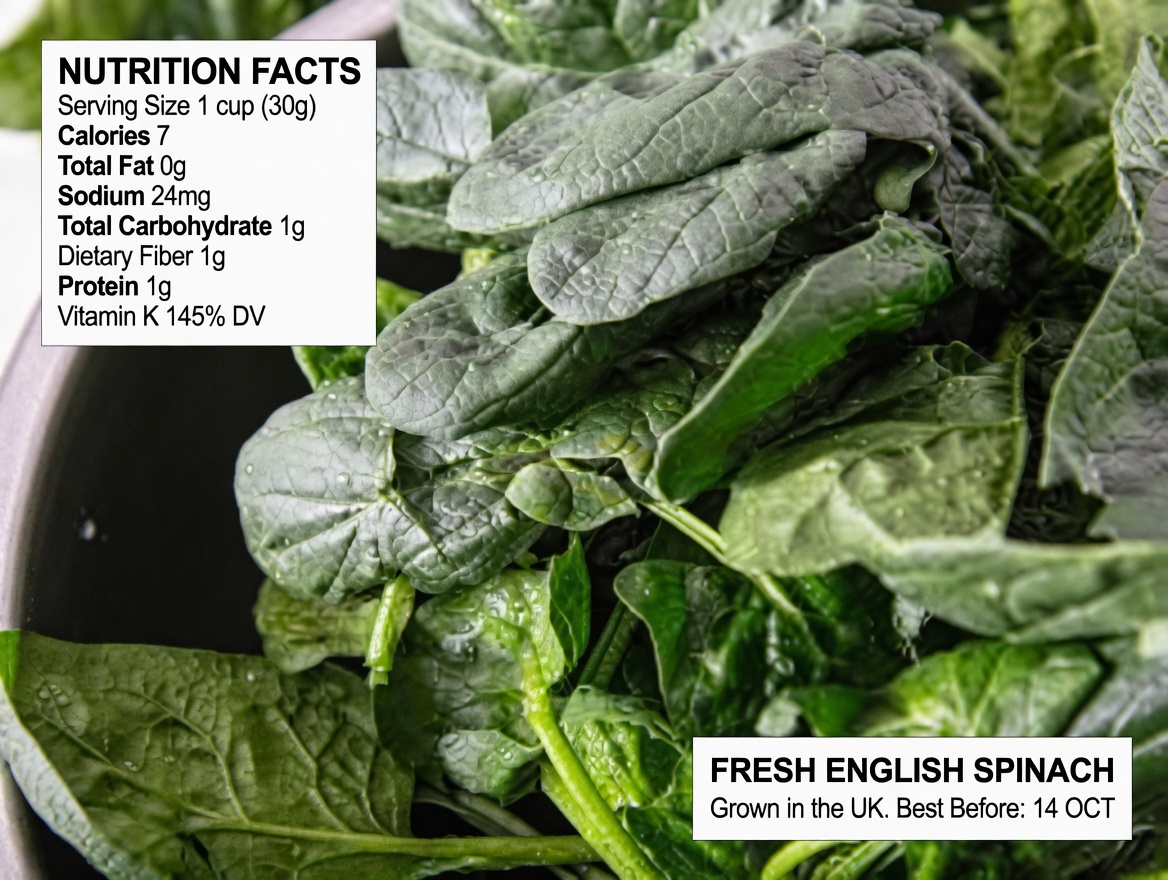
5. Spinach: A Flexible, Nutrient-Dense Green
Spinach is a standout for seniors looking for magnesium-rich foods that are easy to cook and combine with other dishes.
- Magnesium content: about 157 mg per 1 cup cooked
- Easy ways to eat it:
- Sauté with garlic and olive oil
- Add to omelets or pasta
- Mix into soups, stews, or grain bowls
If bedtime cramps make you dread sleeping, regularly adding spinach may support better muscle comfort over time.

4. Almonds: An Easy Snack with Real Benefits
Almonds are convenient, portable, and simple to portion—ideal if cramps affect your confidence during outings or evening routines.
- Magnesium content: about 97 mg per 1/4 cup
- Easy ways to eat them:
- Plain as a snack
- Chopped over yogurt or oatmeal
- Mixed into salads
They’re a practical option when you want nutrition without extra preparation.
3. Black Beans: Filling, Budget-Friendly, and Versatile
Black beans bring magnesium plus fiber, which supports overall health and digestion—helpful for seniors managing multiple wellness goals.
- Magnesium content: about 60 mg per 1/2 cup
- Easy ways to eat them:
- Add to soups, chili, or stews
- Use in salads and rice bowls
- Mash for spreads or wraps
For those avoiding social activities because walking triggers cramps, consistent nutrient support can be part of rebuilding comfort and confidence.

2. Oats: A Comforting Staple for Breakfast (or Evening)
Oats are widely available and gentle on the stomach, making them a reliable daily choice.
- Magnesium content: about 61 mg per 1 cup cooked
- Easy ways to eat them:
- Cook as porridge with fruit
- Stir in nuts or seeds
- Prepare overnight oats for convenience
Many seniors find warm oats soothing—especially when sleep has been disrupted by cramps the night before.
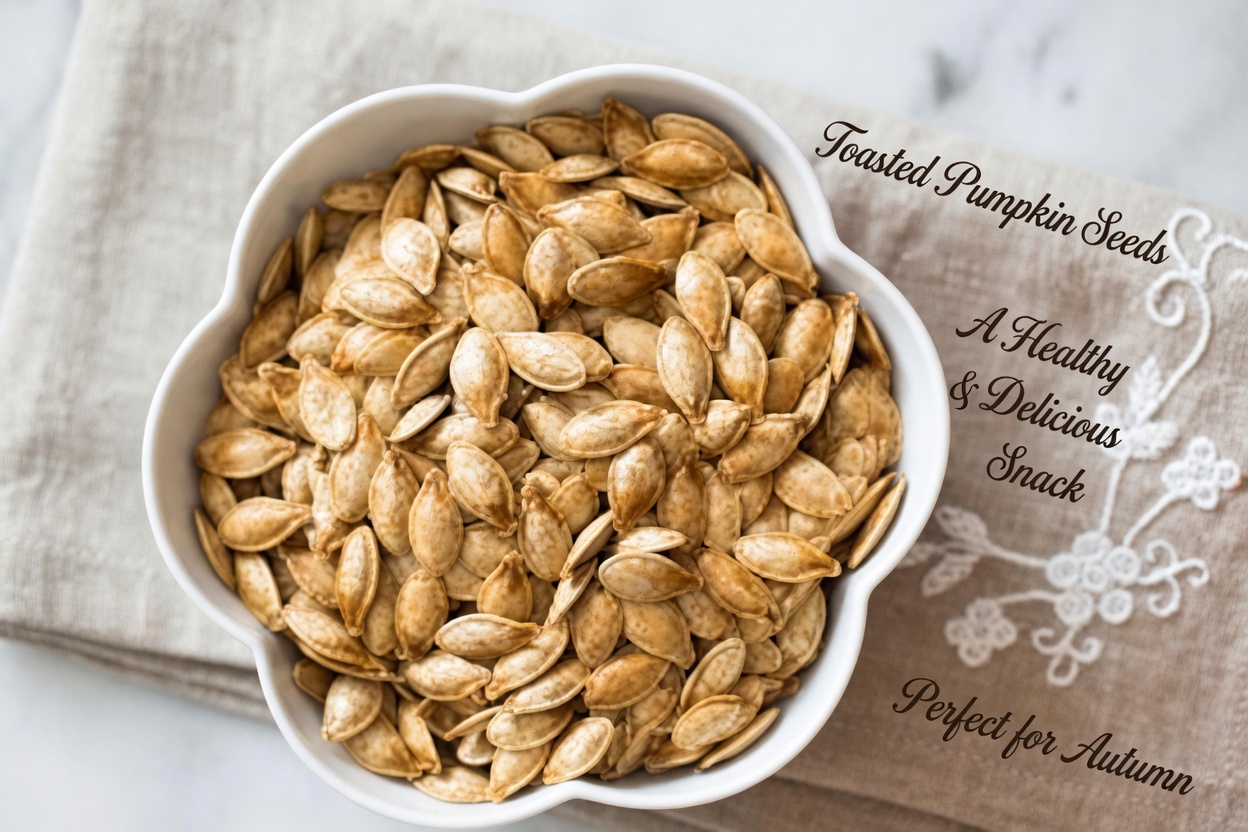
1. Pumpkin Seeds: The Highest-Magnesium Option on the List
Pumpkin seeds (pepitas) are the clear leader here, packing a lot of magnesium into a small serving.
- Magnesium content: about 168 mg per 1 oz
- Easy ways to eat them:
- Sprinkle on salads or soups
- Blend into smoothies
- Eat roasted as a snack
Because they’re so concentrated, pumpkin seeds can make a noticeable difference in total daily magnesium intake—especially when paired with other foods on this list.
Quick Comparison: Magnesium per Serving and How to Use Each Food
| Food | Magnesium per Serving (mg) | Best Ways to Enjoy |
|---|---|---|
| Pumpkin seeds | 168 (1 oz) | Snacks, salads, smoothies |
| Spinach | 157 (1 cup cooked) | Sautéed, omelets, soups, salads |
| Almonds | 97 (1/4 cup) | Snack, yogurt topping, salads |
| Black beans | 60 (1/2 cup) | Soups, bowls, stews, salads |
| Oats | 61 (1 cup cooked) | Breakfast porridge, overnight oats, evening snack |
How Magnesium-Rich Foods Support Overall Muscle Health
These foods may help with leg cramps in seniors, but their benefits extend beyond cramp management:
- Fluid balance support, helping muscles function more smoothly
- Nerve signaling support, which can reduce misfiring that triggers spasms
- Antioxidants and fiber, contributing to overall wellness
- Relaxation support, which may improve sleep quality over time
The most important factor is consistency—small daily choices tend to work better than occasional “big” changes.
A Simple 7-Day Eating Plan to Increase Magnesium Intake
Use this straightforward schedule to build momentum without overhauling your entire diet:
- Days 1–2
- Breakfast: oats topped with pumpkin seeds
- Days 3–4
- Lunch: spinach salad or spinach added to a warm meal
- Snack: almonds
- Days 5–6
- Dinner: black beans in soup, stew, or a bowl meal
- Evening: small serving of oats if desired
- Day 7
- Combine all five foods across the day for variety
Keep a simple note of how your legs feel—especially at night—and adjust portions based on comfort and appetite.
Safety Notes for Seniors Increasing Magnesium Through Food
Food-based magnesium is generally safe for most people, but it’s still smart to be cautious:
- Hydration matters: drink enough water to support muscle flexibility and electrolyte balance
- Medication considerations: some medications can affect magnesium levels (or be affected by mineral balance)
- Kidney health: if you have kidney concerns, consult a clinician before significantly increasing mineral intake
- Go gradually: introduce changes step-by-step to see how your body responds
A careful approach reduces risk and helps you identify what works best for you.
Conclusion: Small Dietary Changes, Better Daily Comfort
Adding magnesium-rich foods like pumpkin seeds, spinach, almonds, black beans, and oats can be a simple, practical way to support muscle function and reduce the disruption caused by cramps. For many seniors, steady improvements in nutrition can translate into better sleep, more comfortable movement, and greater confidence in day-to-day life.
Frequently Asked Questions
What causes leg cramps in seniors?
Common causes include dehydration, muscle fatigue, reduced circulation, medication effects, and nutrient imbalances—especially low magnesium or other electrolytes.
Can magnesium-rich foods really help with nighttime leg cramps?
They may help over time by supporting muscle relaxation and nerve signaling. Results vary by person, and consistency is typically more effective than short-term changes.
How quickly will I notice improvement?
Some people notice changes within days, while others may need a few weeks. Tracking nighttime cramps and overall muscle tightness can help you evaluate progress.
Should seniors use magnesium supplements instead of food?
Food is often a safe first step. Supplements may be appropriate for some seniors, but it’s best to discuss them with a healthcare professional—especially if you take medications or have kidney concerns.
What else can I do alongside dietary changes?
Staying hydrated, gently stretching the calves before bed, staying physically active within your comfort level, and reviewing medications with a clinician can all support better outcomes.