
Getting up from a chair can start to feel strangely demanding, and a simple trip with grocery bags may leave you more out of breath than before. For many people over 60, these shifts are unsettling because they can make everyday routines feel harder, drain enjoyment from favorite activities, and raise real questions about long-term independence. One common driver is sarcopenia—the age-related decline in muscle mass and strength that can increase frailty over time. The encouraging news: research increasingly points to nutrient-dense, protein-rich foods—including eggs for muscle after 60—as a practical way to support healthy aging. Here’s how this familiar staple may help.

Understanding Muscle Changes and Sarcopenia After 60
Muscle after 60 often decreases because the body becomes less responsive to protein signals that normally drive repair and growth. This phenomenon—often called anabolic resistance—can be intensified by lower activity levels, reduced appetite, and changes in digestion. As a result, many adults notice:
- A weaker grip
- Faster fatigue during routine chores
- Less confidence with stairs, lifting, or carrying
Research suggests muscle mass may decline by roughly 3–8% per decade in later adulthood, and the impact can accumulate if it’s not addressed. Over time, reduced strength can limit mobility and shrink the range of activities that keep life enjoyable.
Nutrition matters here—because targeted foods provide the raw materials muscles need to maintain and rebuild.

Why Eggs Stand Out for Muscle Support After 60
When it comes to eggs for muscle after 60, eggs are notable for offering high-quality complete protein—meaning they contain all essential amino acids. One large egg provides about 6 grams of protein, including leucine, an amino acid strongly associated with triggering muscle protein synthesis.
The yolk also contributes important nutrients such as:
- Vitamin D
- Vitamin B12
- Healthy fats that can support nutrient absorption
Eggs are also generally easy to chew, prepare, and digest—making them especially practical for older adults who may struggle with large portions or complicated meals. Because of their strong bioavailability, eggs are often highlighted in research discussions about protein quality and muscle maintenance.

Several Ways Eggs May Support Muscle After 60
Eggs can contribute to muscle health in multiple ways, especially when they help close common nutrition gaps seen in later life. Below are key, research-aligned mechanisms behind why eggs for muscle after 60 may be beneficial.

1) A Simple Way to Increase Daily Protein Intake
Many adults over 60 do not reach optimal protein targets, which can worsen low energy and make daily tasks feel heavier than they should. Eggs make it easier to add protein without relying on large servings or complex cooking—supporting steadier intake throughout the day.
2) Leucine to Help Stimulate Muscle Repair
Leucine is frequently emphasized in muscle research because it helps “switch on” pathways involved in muscle rebuilding. Since anabolic resistance can blunt the normal response to protein, leucine-rich foods like eggs may offer a more efficient signal for repair and maintenance.
3) Potential Support for Upper-Body Strength and Function
Some studies associate quality dietary protein—including egg protein—with improvements in grip strength and upper-body function. In day-to-day life, that could translate to easier reaching, lifting, opening jars, or carrying items with less strain.
4) Help Maintaining Lean Mass Over Time
Consistent, high-quality protein intake is linked with better preservation of lean mass. While eggs are not a cure-all, using them regularly as part of a balanced diet may help slow the visible and functional effects of muscle decline.
5) Assistance with Recovery After Activity
Whether it’s a longer walk, gardening, or household chores, muscle tissue needs amino acids to recover. Eggs supply those amino acids in a highly usable form, which may support better recovery and less lingering soreness for some people.
6) Stronger Results When Paired With Light Resistance Exercise
Protein tends to work best alongside movement. Research consistently shows that combining adequate protein with resistance training (even light strength exercises) improves outcomes more than either strategy alone. Eating eggs around activity can help reinforce that response.
7) A Helpful Nutrient Package Beyond Protein
Eggs don’t just provide protein—they also deliver nutrients commonly relevant to older adults, including vitamin D and B12, which play roles in overall function and energy metabolism. Addressing multiple nutrition needs at once can support broader vitality.
8) Contribution to Mobility and Daily Independence
Meeting protein needs is associated with better physical function, including walking and stair climbing. By making protein intake easier, eggs for muscle after 60 may indirectly support smoother movement and confidence in everyday mobility.
9) A Practical Role in Long-Term Vitality
For many people, the goal isn’t bodybuilding—it’s staying strong enough for travel, hobbies, social life, and independence. Evidence often favors animal-based proteins for maintaining function over time, and eggs are one of the most accessible options.

Muscle-Supportive Foods: Nutrients, Benefits, and Simple Serving Ideas
-
Eggs
- Key nutrients: complete protein, leucine, vitamin D
- Potential benefit: supports muscle protein synthesis and lean mass retention
- Simple idea: 2–3 eggs boiled, scrambled, or poached (as appropriate for your needs)
-
Greek yogurt
- Key nutrients: high protein, probiotics
- Potential benefit: supports lean mass and digestive health
- Simple idea: 1 cup plain (add berries or nuts if desired)
-
Salmon
- Key nutrients: protein, omega-3 fats
- Potential benefit: supports recovery and helps manage inflammation
- Simple idea: 3–4 oz, about twice weekly
-
Whey protein
- Key nutrients: fast-digesting, leucine-rich protein
- Potential benefit: supports muscle protein synthesis, especially with exercise
- Simple idea: 1 scoop blended into a shake
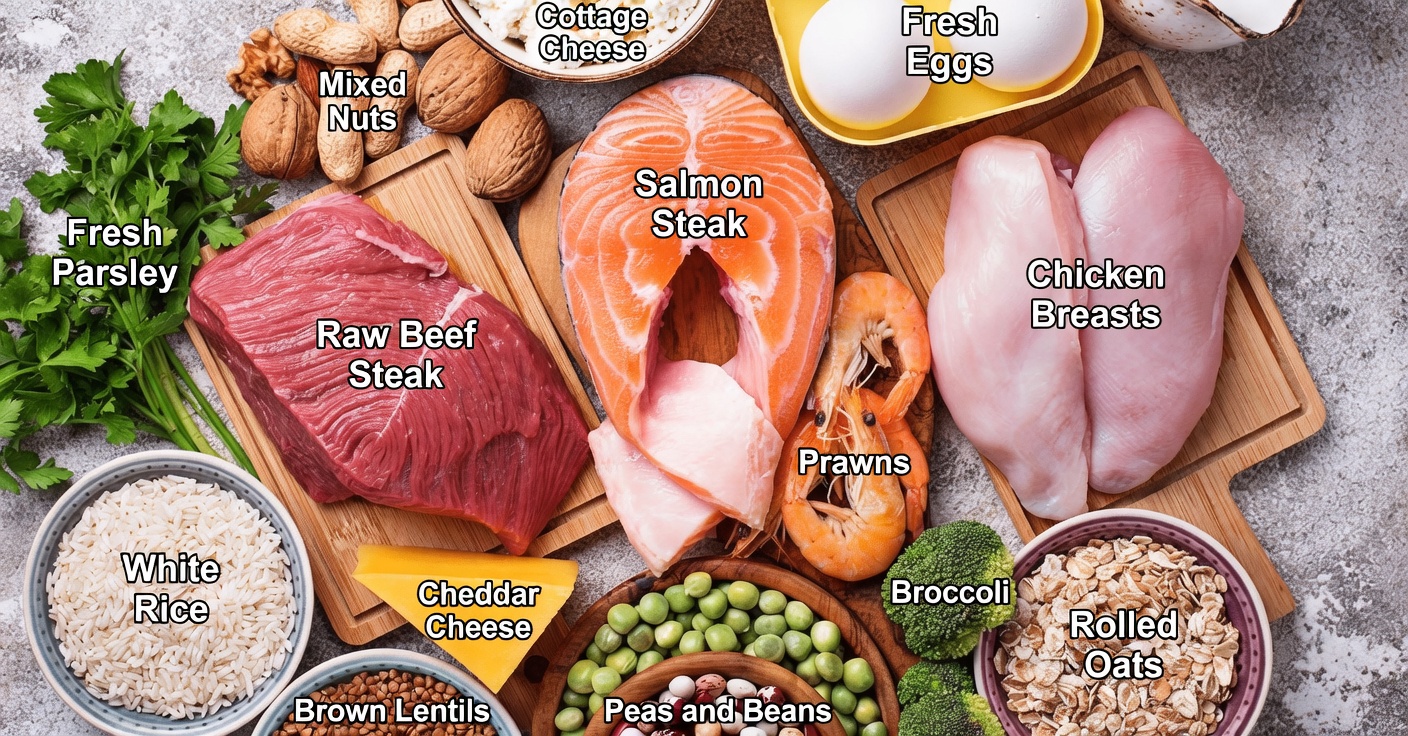
Among these, eggs stand out for being affordable, widely available, and quick to prepare.
Practical Ways to Include Eggs for Muscle After 60
Adding eggs for muscle after 60 can be easy and flexible. Speak with your clinician first, especially if you have heart conditions, diabetes, or lipid concerns.
- Boil a batch for quick snacks or add-ons to meals
- Scramble with vegetables for a balanced breakfast or lunch
- Poach eggs on whole-grain toast for a simple, protein-forward option
- Consider spreading protein across the day rather than eating it all at once
- Pair your protein with light strength activity when possible
Many people notice gradual improvements in daily energy and ease of movement when dietary protein and activity become more consistent.
Final Thoughts on Eggs and Muscle Health After 60
For adults concerned about sarcopenia, eggs for muscle after 60 offer a research-supported, practical tool for improving protein quality and nutrient intake. Eggs won’t stop muscle loss on their own, but as part of a balanced diet—paired with regular movement and personalized medical guidance—they can support stronger, more capable years ahead.
Frequently Asked Questions
How many eggs are safe per day for muscle after 60?
Many adults can tolerate 2–3 whole eggs per day, but needs vary based on medical history, medications, and overall diet. Confirm with your healthcare provider.
Do eggs increase cholesterol risk after 60?
For most people, dietary cholesterol has a relatively modest effect on blood cholesterol compared with overall dietary patterns. Focus on balance and discuss personal risk factors with your clinician.
Can eggs alone prevent muscle loss after 60?
No. Muscle maintenance typically requires a combination of adequate protein, regular resistance exercise, and overall nutrition. Eggs can be a meaningful part of that larger strategy.
Medical disclaimer: This article is for informational purposes only and does not replace professional medical advice. Consult your healthcare provider before changing your diet, especially if you have health conditions or take medications.