After hours of staring at phones, laptops, and TVs, it’s common to feel that sandy, fatigued sensation in your eyes. Dryness sets in, focus can soften, and low-level strain may build day after day—especially with ongoing blue light exposure and the normal changes that come with aging. Many people wonder whether simple, everyday habits can support clearer, more comfortable vision over time.
Now consider this: a few familiar leaves from your kitchen—or even your garden—can provide nutrients such as lutein, zeaxanthin, and a wide range of antioxidants that research links with retinal protection and lower day-to-day oxidative stress. These greens aren’t a magic cure, but regular intake may gently support long-term eye wellness. Below are five standout leaves worth adding to your routine, ranked from #5 to #1.
Why Leafy Greens Are Important for Eye Health
Your eyes rely on targeted nutrients to help manage exposure to blue light and UV light, while supporting the macula—the central area responsible for sharp, detailed vision.
Two key carotenoids, lutein and zeaxanthin, concentrate in the retina and function like natural internal sun filters by absorbing high-energy light. In addition, antioxidants found in leafy plants help neutralize free radicals generated by everyday factors such as screen time, sunlight, pollution, and general stress.
Many leafy greens also provide vitamins A, C, and E, which support tissue integrity and healthy blood vessels. Large-scale research and dietary reviews commonly associate higher intake of these compounds with potential improvements in macular pigment density and visual performance over time.
Not all leaves offer the same nutrient profile, though. Here’s a practical countdown of five options—plus easy ways to use each one.
5. Parsley: The Small Upgrade You Can Add Anywhere
Parsley is often treated as decoration, but it’s more than a garnish. Fresh parsley contains lutein, vitamin C, and beta-carotene—nutrients associated with protecting eye tissues from oxidative wear.
Because lutein helps absorb blue light and may support the macula’s protective pigment, consistently adding small amounts of parsley can be a simple “everyday” habit that contributes over weeks and months.
Easy ways to use parsley
- Stir into soups, stews, and grains
- Add to salads and omelets
- Blend into sauces like chimichurri or green dressing
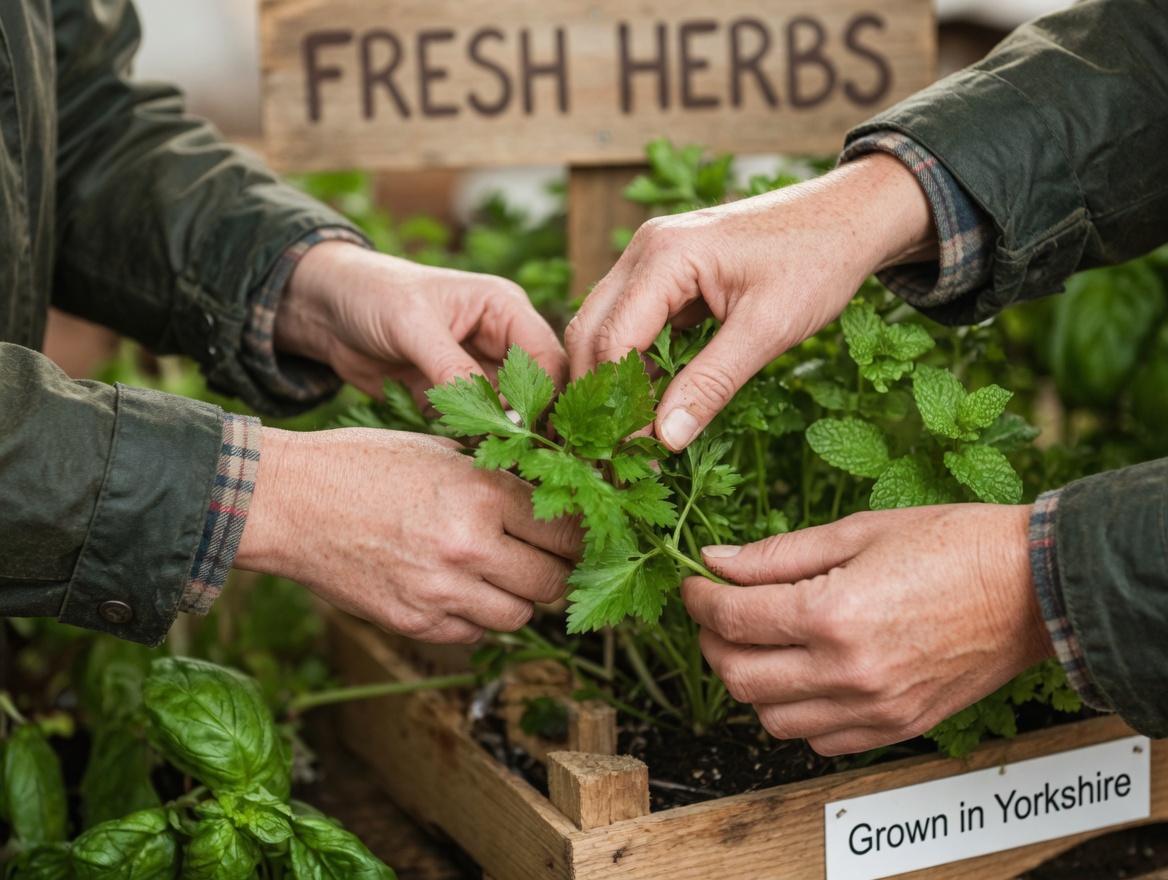
4. Basil: Aromatic Support for Comfort and Light Adaptation
Basil’s fresh, peppery fragrance masks a helpful nutrient mix: lutein, beta-carotene (a vitamin A precursor), and plant compounds often described as gently supportive for inflammation balance.
Vitamin A plays a role in maintaining the corneal surface and supporting vision in changing light conditions. While individual experiences vary, many people find that consistently eating basil as part of meals feels like a subtle upgrade in day-to-day comfort.
Easy ways to use basil
- Add to pasta sauces, salads, and sandwiches
- Make pesto (great with olive oil for absorption)
- Infuse in herbal tea or add to smoothies
3. Spinach: A Consistent, Evidence-Friendly Source of Retinal Carotenoids
Spinach is one of the most dependable foods for lutein and zeaxanthin, often delivering meaningful amounts per serving. It’s widely referenced in nutrition databases and frequently appears in dietary patterns associated with better long-term eye outcomes.
Observational research has linked diets rich in lutein/zeaxanthin-containing foods (like spinach) with potential benefits such as better contrast sensitivity and improved resilience against light-related stress—helpful for people who bounce between bright outdoor light and indoor screens.
Easy ways to use spinach
- Lightly sauté with olive oil and garlic
- Add to eggs, soups, or rice bowls
- Blend into smoothies for a quick nutrient boost
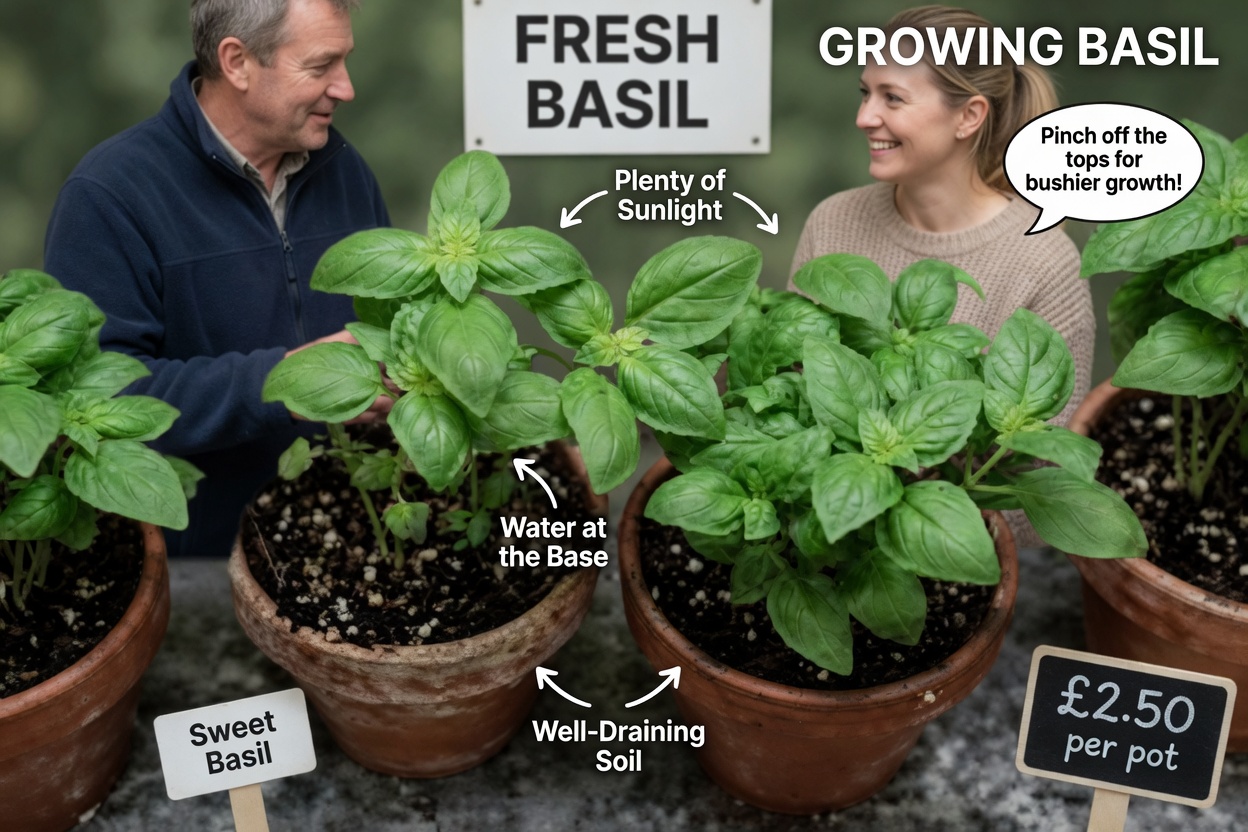
2. Kale: A High-Density Powerhouse for Lutein and Zeaxanthin
Kale frequently ranks near the top for lutein and zeaxanthin, and it also brings strong antioxidant coverage through vitamins C and E. Together, these nutrients support the eye’s natural defenses against high-energy light and everyday oxidative pressure.
With steady intake, some people report gradual improvements such as less sensitivity to glare or a feeling of steadier visual clarity—though results depend on overall diet, health status, and consistency.
Easy ways to use kale
- Massage raw kale into salads (improves texture)
- Bake into kale chips
- Add to soups, curries, or smoothies
1. Ginkgo Biloba Leaves: A Circulation-Focused Option for Eye Tissues
Unlike the other greens on this list, ginkgo biloba leaves are best known for compounds—such as flavonoids and terpenoids—that have been studied for their potential to support blood flow, including circulation to areas linked to the retina and optic nerve.
Some research suggests ginkgo may provide antioxidant effects and support ocular circulation, which can matter for nutrient delivery to delicate eye structures. People who use ginkgo often describe more stable comfort during long periods of reading or close-up work, though outcomes vary and depend heavily on dose, product quality, and individual factors.
Common ways people use ginkgo
- Brew ginkgo leaf tea (where culturally common)
- Use a standardized extract (follow label instructions carefully)

Quick Comparison: Key Eye Nutrients and Simple Daily Uses
-
Parsley
- Standout nutrients: lutein, vitamin C, beta-carotene
- Primary support: macular pigment and antioxidant support
- Simple tip: chop into salads, soups, and sauces
-
Basil
- Standout nutrients: lutein, vitamin A precursors
- Primary support: comfort and light adaptation
- Simple tip: add to pesto, tea, or tomato-based dishes
-
Spinach
- Standout nutrients: high lutein/zeaxanthin, vitamin A
- Primary support: protection from light-related stress
- Simple tip: sauté briefly or blend into smoothies
-
Kale
- Standout nutrients: very high lutein/zeaxanthin, vitamins C/E
- Primary support: light filtering and antioxidant coverage
- Simple tip: massage into salads or bake chips
-
Ginkgo biloba leaves
- Standout nutrients: flavonoids, terpenoids
- Primary support: circulation support to eye tissues
- Simple tip: tea or standardized supplement (if appropriate)
Safe, Practical Ways to Add These Leaves to Your Routine
A sustainable approach works best:
- Aim for spinach or kale 3–4 times per week
- Use parsley and basil daily in small amounts
- Consider ginkgo tea or a quality standardized extract only if it fits your health profile and you follow dosing guidance
To support absorption, lightly steam or sauté greens and include a source of healthy fat (such as olive oil, avocado, nuts, or seeds) because lutein and zeaxanthin are fat-soluble.
Important safety note: Most people tolerate these leaves well as foods, but speak with your clinician if you have allergies, medical conditions, or take medications—especially blood thinners, where ginkgo may be a concern.
Step-by-Step Daily Habits for Eye-Nourishing Nutrition
- Choose fresh leaves: look for vibrant color and crisp texture
- Wash thoroughly: reduce debris and contaminants
- Use smart portions: target 1–2 cups of leafy greens most days (as part of a varied diet)
- Cook gently when needed: quick steam or sauté preserves many nutrients
- Pair with healthy fats: improve carotenoid uptake
- Monitor how you feel: note dryness, fatigue, or screen discomfort and keep regular eye exams
- Stay hydrated: overall hydration supports tear film stability and comfort
Nourish Your Eyes Naturally (Without Overcomplicating It)
Parsley, basil, spinach, kale, and ginkgo biloba leaves offer a practical mix of lutein, zeaxanthin, antioxidants, and (in ginkgo’s case) circulation-supportive compounds that may help maintain eye wellness in a screen-heavy world.
Start small, stay consistent, and build variety. A simple idea to try tomorrow: a spinach-kale smoothie with a few fresh basil leaves.
This article is for informational purposes only and does not replace professional medical advice. Consult your healthcare provider or eye specialist for personalized guidance.
FAQ
Which leaf typically contains the most lutein and zeaxanthin?
Kale and spinach usually lead nutrition charts, with kale often providing the highest lutein/zeaxanthin per serving depending on variety and preparation.
Can I combine multiple leaves for better results?
Yes. Mixing greens (for example, spinach + kale) and adding herbs (like parsley or basil) can increase nutrient variety and make daily intake easier to maintain.
Is ginkgo biloba safe for everyone?
Not always. Ginkgo may interact with certain medications—especially anticoagulants/blood thinners—and may not be appropriate for some health conditions. Always check with a healthcare professional before using ginkgo supplements or concentrated extracts.