Managing chronic kidney issues can make everyday eating feel complicated. When minerals such as potassium and phosphorus build up in the body, the kidneys must work harder to remove waste—often contributing to symptoms like fatigue, fluid retention, and long-term health concerns. Many people want a practical, food-based approach that supports kidney function without turning meals upside down.
One of the simplest strategies is choosing low-potassium vegetables that still deliver fiber, vitamins, and protective plant compounds. Below are five common options that are typically considered kidney-friendly, plus tips to prepare them wisely.
Why Low-Potassium Vegetables Support Kidney Health
Guidance from reputable organizations such as the National Kidney Foundation and nutrition resources like DaVita commonly emphasizes that selecting vegetables lower in potassium and phosphorus can help reduce kidney workload. Beyond mineral management, these foods often provide:
- Fiber, which supports digestion and overall metabolic balance
- Antioxidants, which may help reduce oxidative stress (results vary by individual)
- Key vitamins that support heart health and blood pressure, both closely linked with kidney function
5 Kidney-Friendly Vegetables to Add to Your Plate
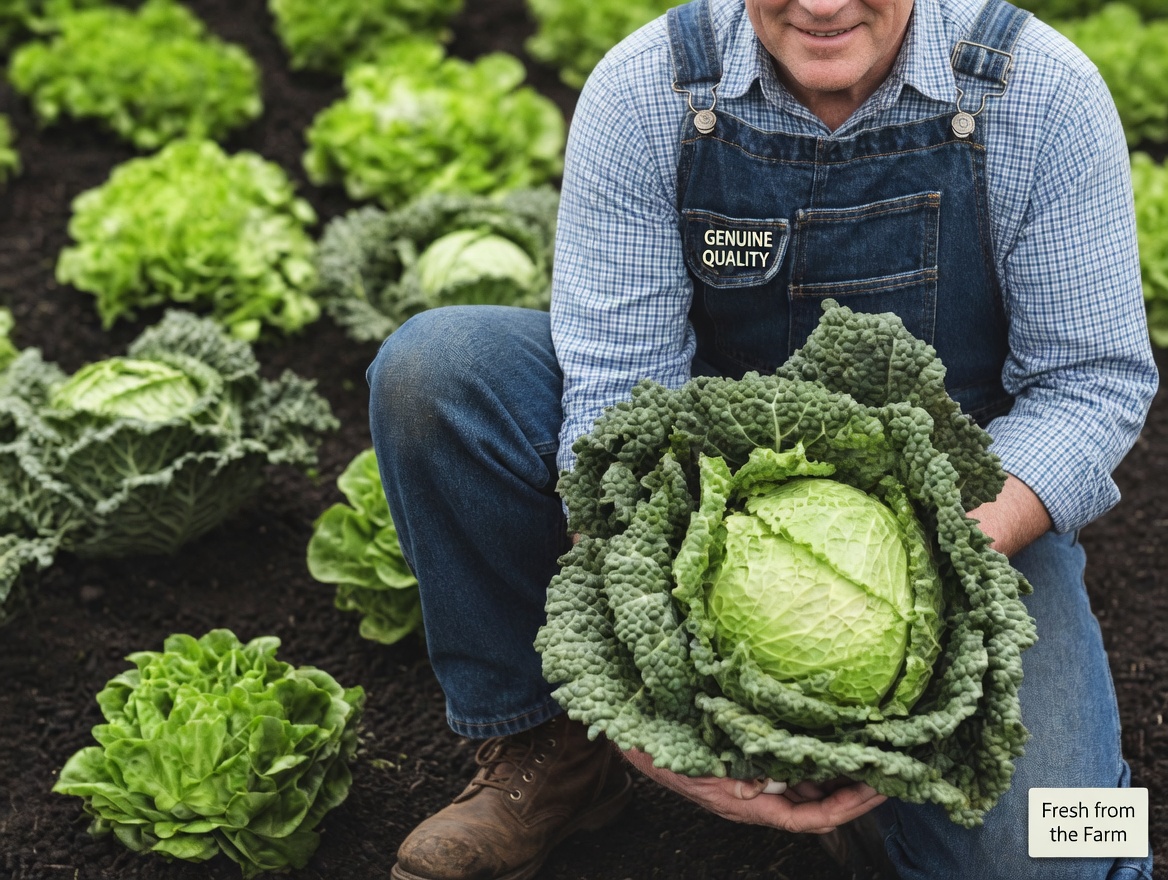
1) Cabbage: Affordable, Filling, and Kidney-Friendly
Cabbage is widely used in kidney-conscious meal plans because it’s very low in potassium and phosphorus. According to DaVita nutrition data, ½ cup of green cabbage contains roughly:
- Potassium: ~60 mg
- Phosphorus: ~9 mg
Cabbage also provides vitamin K, vitamin C, fiber, and beneficial phytochemicals that help the body defend against free-radical damage. Its high volume and crunch make it useful for building satisfying meals without adding many calories.
- Best ways to use it: shred for salads, sauté lightly, or steam as a simple side dish.
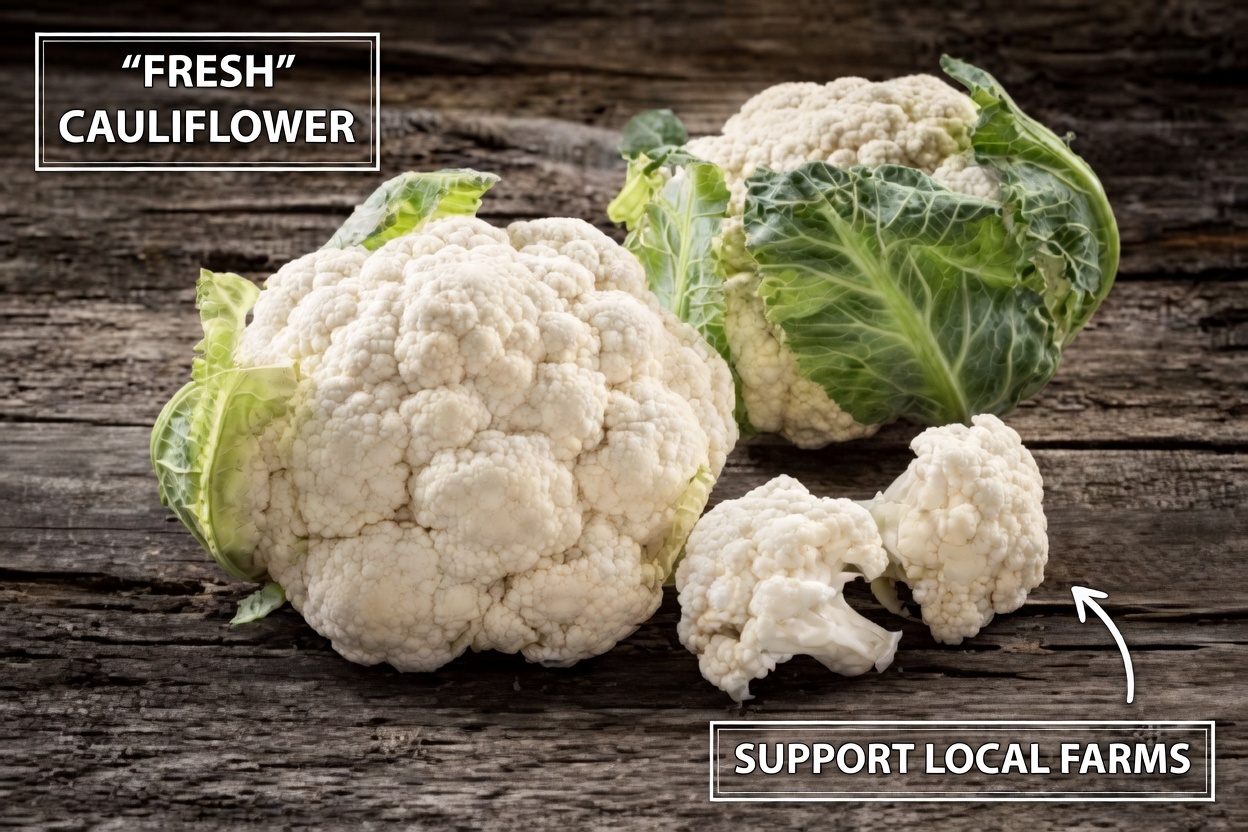
2) Cauliflower: Flexible “Swap” Vegetable with Strong Nutrition
Cauliflower is a versatile choice for those limiting potassium. A ½ cup serving of boiled cauliflower is often listed around:
- Potassium: ~88 mg
- Phosphorus: ~20 mg
It’s also a strong source of vitamin C, folate, and fiber, along with plant compounds (including glucosinolates and indoles) associated with anti-inflammatory activity and detox-support pathways in the body.
Because of its texture, cauliflower is popular as a substitute for higher-potassium sides:
- mashed cauliflower instead of mashed potatoes
- cauliflower “rice” instead of grain-heavy or starchy options
Key highlights (approx. per ½ cup cooked):
- Potassium: ~88 mg
- Phosphorus: ~20 mg
- Vitamin C: high (often over 50% of daily needs)
- Fiber: supports gut health
3) Red Bell Peppers: Bright Flavor with Low Mineral Impact
Red bell peppers add sweetness and color while staying relatively low in minerals. A ½ cup commonly contains approximately:
- Potassium: ~88 mg
- Phosphorus: ~10 mg
They supply vitamins A, C, B6, folate, and lycopene, an antioxidant associated with cellular protection. Their natural flavor can also help reduce reliance on added salt.
- Best ways to use them: slice raw for snacks, toss into salads, or roast for deeper flavor.
4) Garlic: A Smart Salt Substitute with Antioxidant Compounds
Garlic is low in potassium and phosphorus and can improve flavor without sodium—especially useful in kidney-friendly cooking. Roughly 1 clove contains:
- Potassium: ~12 mg
- Phosphorus: ~4 mg
Garlic’s bioactive compounds (including allicin) are studied for antioxidant and anti-inflammatory properties. Research also links garlic intake with heart-supportive effects such as healthier cholesterol levels, which may indirectly benefit kidney health by supporting circulation.
- Best ways to use it: minced fresh in sauces, sautéed with vegetables, or mixed into oil-and-herb seasonings.
5) Onions: Everyday Flavor Plus Protective Flavonoids
Onions are a kitchen staple that also contributes antioxidants, including quercetin, a flavonoid studied for anti-inflammatory activity. They’re generally low in potassium and can enhance taste in nearly any savory dish.
Onions work well both raw and cooked:
- raw in salads or salsas
- sautéed as a base for soups, stir-fries, and stews
Practical Tips to Prepare Vegetables the Kidney-Smart Way
Use these strategies to keep meals flavorful while helping manage mineral intake:
- Boil or blanch first (leaching method): cook chopped vegetables in boiling water for 5–10 minutes, then drain to reduce potassium further.
- Watch portions: aim for ½ to 1 cup per meal, depending on your plan.
- Build flavor without salt: rely on garlic, onions, herbs, lemon juice, vinegar, and pepper.
- Combine vegetables for variety: try cabbage + cauliflower + red bell peppers with garlic and onion.
- Track your totals: work with a registered dietitian to fit these vegetables into your lab-based targets.
Bonus Recipe: Kidney-Friendly Vegetable Stir-Fry (15 Minutes)
- Blanch 1 cup of chopped cabbage and cauliflower florets, then drain well.
- In a pan, sauté with sliced red bell pepper, minced garlic, and chopped onion using a small amount of olive oil.
- Season with herbs and acidity (like lemon)—no added salt needed.
Takeaway: Small Diet Changes That Can Make a Real Difference
Adding cabbage, cauliflower, red bell peppers, garlic, and onions is a practical way to enjoy satisfying meals while staying mindful of kidney health. These vegetables are typically lower in potassium and phosphorus and offer fiber and antioxidants that support overall wellness. For best results, pair diet changes with guidance from a healthcare professional.
FAQ
What makes these vegetables more kidney-friendly than others?
They tend to be naturally lower in potassium and phosphorus than higher-potassium choices such as potatoes, tomatoes, and some leafy greens, which can help reduce mineral buildup.
How much of these vegetables can I eat each day?
Many people start with ½–1 cup per serving, 2–3 servings daily, but ideal limits depend on your kidney function stage, medications, and lab values—confirm with your clinician or dietitian.
Do I need to avoid all high-potassium vegetables?
Not always. Some higher-potassium vegetables may be managed using boiling/leaching techniques, but choosing lower-potassium options regularly can make meal planning easier.
Important Disclaimer
This article is for informational purposes only and does not provide medical advice. Diet can support kidney health, but it does not replace professional care or treat disease. Always consult your healthcare provider or a registered dietitian before changing your diet—especially if you have chronic kidney disease or are on dialysis. Individual needs vary based on kidney function, medications, and lab results.