Medications After 60: What Viral “Heart Damage” Claims Get Wrong (and What to Know Instead)
Many adults over 60 take daily prescriptions exactly as directed, assuming they’re protecting their heart—then stumble across viral videos warning that a “common pill” is quietly harming millions. These posts spread fast because they sound urgent, but they rarely include the full medical context.
The reality is more nuanced: no single medication automatically “damages the heart” for everyone. However, some widely used drugs can pose higher cardiovascular risks in older adults, largely because aging changes how the body metabolizes and clears medications. This guide summarizes evidence-based concerns from trusted guidelines and explains how to use that information to have a safer, more productive conversation with your healthcare provider.
Why Heart-Related Medication Risks Increase After Age 60
After 60 (and especially after 65), the body often processes drugs differently:
- Kidney and liver function may decline, slowing drug clearance and raising the chance of side effects.
- Fluid balance can shift more easily, increasing susceptibility to swelling, blood pressure changes, or heart strain.
- Many older adults manage multiple conditions, leading to polypharmacy (taking several medications), which increases the odds of drug–drug interactions.
A key reference used by clinicians is the American Geriatrics Society (AGS) Beers Criteria, which lists medications that may be potentially inappropriate for many adults age 65+ because safer options often exist.
Important: Never stop a medication abruptly based on an online claim. Sudden changes can trigger serious rebound effects (for example, blood pressure spikes or rhythm problems). Always discuss changes with a qualified professional.

Common Medications Linked to Heart-Related Concerns in Older Adults
The medications below frequently come up in discussions about heart health in seniors. The goal is not blanket avoidance—it’s understanding who is at higher risk, why, and what alternatives or monitoring may help.

1. NSAIDs (Examples: Ibuprofen, Naproxen)
Over-the-counter NSAIDs are popular for arthritis, back pain, and joint stiffness. But in adults over 60, NSAIDs can raise cardiovascular concerns, especially with long-term use or existing heart disease.
Potential issues include:
- Fluid retention (which can worsen swelling or heart failure)
- Higher blood pressure
- Increased strain on the heart in people with underlying cardiovascular conditions
Clinical guidance, including the Beers Criteria, commonly advises extra caution—and in some cases avoidance—particularly for people with heart failure.
A clinician may suggest acetaminophen as a gentler first-line option for certain types of pain, when appropriate.

2. Low-Dose Aspirin for Primary Prevention
For years, many older adults started low-dose aspirin to prevent a first heart attack or stroke. But guidance has shifted.
Current recommendations from groups such as the USPSTF and ACC/AHA generally advise against starting low-dose aspirin for primary prevention in adults aged 60+, because the risk of serious bleeding (gastrointestinal bleeding or brain bleeding) may outweigh the benefit for many people.
However, aspirin can still be appropriate for secondary prevention (people with a prior heart attack, stroke, stent, or certain diagnosed cardiovascular conditions). The right choice depends on personal risk factors—this is a decision best made with a clinician.

3. Certain Direct Oral Anticoagulants (DOACs) (Examples: Rivaroxaban, Dabigatran)
DOACs are “blood thinners” commonly prescribed to prevent clots in conditions like atrial fibrillation. They are often life-saving—but in older adults, the selection and dose matter.
In some seniors, certain DOACs may be associated with higher bleeding risk compared with alternatives (often depending on kidney function, age, and other medications). The Beers Criteria and other clinical guidance highlight that some options may be preferred in many older patients, while others require more caution.
Key takeaway: these medications can provide vital protection, but they require individualized choice and ongoing monitoring.
4. Digoxin
Digoxin may be used for heart failure or certain abnormal rhythms. In older adults, it requires particular caution because:
- It has a narrow therapeutic window (small margin between helpful and harmful)
- Reduced kidney function can cause drug buildup
- Toxicity may contribute to dangerous rhythm disturbances
Many guidelines recommend lower doses in older adults and careful monitoring, or switching to alternatives when appropriate.
5. High-Risk Combinations of Heart Rate–Slowing Drugs
Some medication combinations can slow the heart too much, particularly in frail seniors or those with conduction problems. A well-known example is combining:
- Some beta-blockers
- With non-dihydropyridine calcium channel blockers such as verapamil or diltiazem
In certain people, this pairing may increase the risk of excessively low heart rate, dizziness, fainting, or other complications. Clinicians often avoid risky combinations when possible and monitor closely when combinations are necessary.
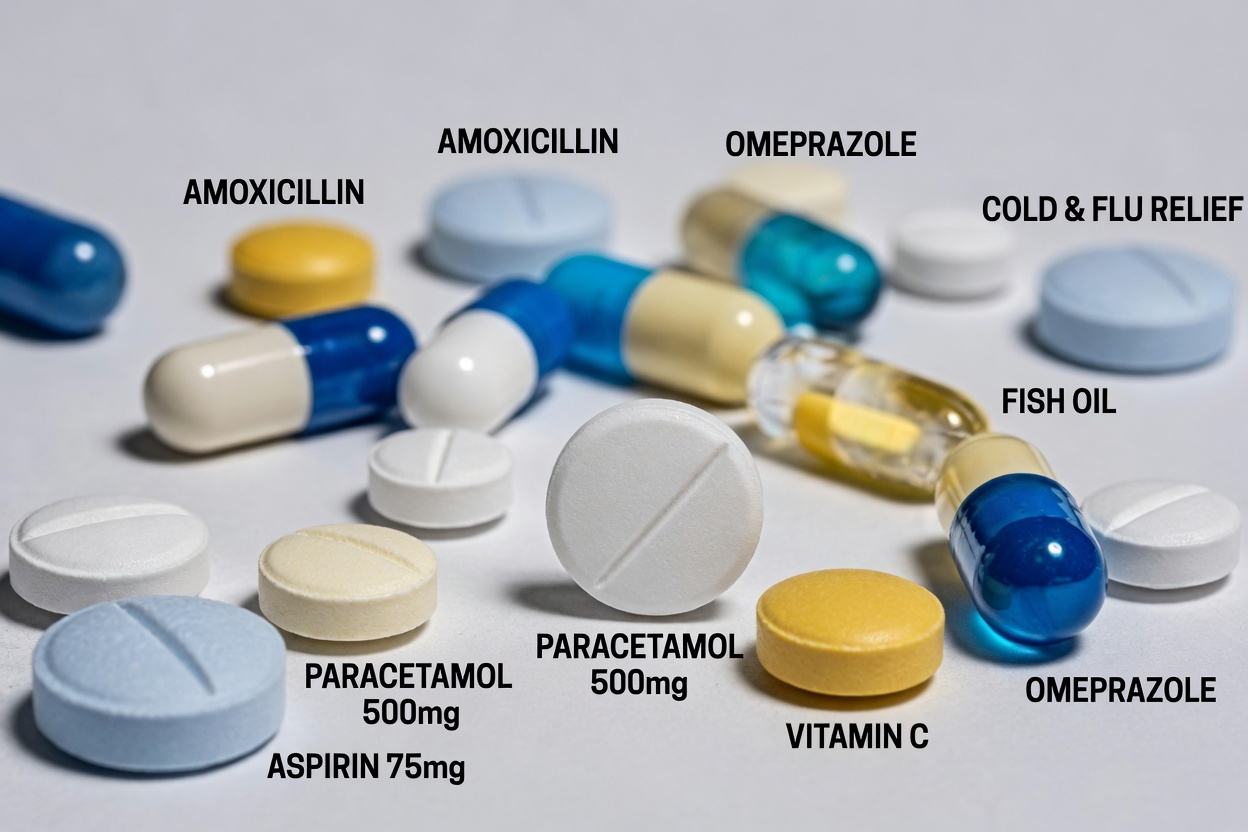
Quick Reference: Key Concerns at a Glance
-
NSAIDs (ibuprofen, naproxen)
- Use: Pain/inflammation
- Heart concern in 60+: Fluid retention, higher blood pressure, heart failure worsening
- Guidance: Use caution; often avoid in heart failure
-
Low-dose aspirin (primary prevention)
- Use: Prevent first heart event
- Heart concern in 60+: Bleeding risk may exceed benefit
- Guidance: Generally not recommended to start at 60+
-
Some DOACs (rivaroxaban, dabigatran)
- Use: Prevent clots/AFib complications
- Heart concern in 60+: Higher bleeding risk in some older adults
- Guidance: Choice depends on kidney function and overall risk; some alternatives may be preferred
-
Digoxin
- Use: Heart failure/arrhythmias
- Heart concern in 60+: Toxicity and rhythm complications
- Guidance: Prefer lower doses; monitor carefully
-
Certain rate-slowing combinations
- Use: Blood pressure and rhythm control
- Heart concern in 60+: Excessively slow heart rate, complications in frail seniors
- Guidance: Avoid high-risk pairings when possible; monitor closely
Why Context Matters More Than Viral Headlines
Real-world decisions depend on the person—not the headline. For example:
- A 71-year-old using frequent ibuprofen for arthritis may see a gradual rise in blood pressure or swelling. After a medication review, switching strategies may reduce cardiovascular strain.
- A 67-year-old taking aspirin “just in case” may be advised to stop after updated guideline review—reducing bleeding risk without increasing cardiac danger.
These are the details viral posts often skip: the same medication can be appropriate for one person and risky for another, depending on kidney function, heart history, dose, duration, and interacting drugs.
Practical Steps to Protect Heart Health While Using Medications
- Do a full medication review at least once a year (prescriptions, OTC products, vitamins, and herbal supplements).
- Ask directly about:
- Heart-related side effects
- Drug interactions
- Safer alternatives
- Whether dose reduction or deprescribing is reasonable
- Avoid self-adjusting medications. Stopping suddenly can cause serious rebound effects.
- Support your cardiovascular plan with the basics: balanced nutrition, gentle regular activity, and consistent monitoring of blood pressure and symptoms.
Evidence-based guidance can cut through sensational claims. The safest path is staying proactive and partnering with your healthcare team.
FAQ
What medications can affect heart health in adults over 60?
Common categories include NSAIDs, certain blood thinners, digoxin, and specific combinations of heart rate–slowing medications. Risks increase with age-related changes and multiple medications, as highlighted by resources like the AGS Beers Criteria.
Should I stop a medication if I see a viral warning about heart risks?
No. Do not stop or change doses without medical guidance. Abrupt changes can be dangerous, and the right decision depends on your personal medical history and risk factors.
How do I bring up medication concerns with my doctor?
Bring a complete list of everything you take, describe any symptoms you’ve noticed, mention what you saw online, and ask about guidelines, alternatives, and monitoring plans tailored to you.
This article is for informational purposes only and is not a substitute for professional medical advice. Always consult your healthcare provider before making changes to medications or health routines.