
These evening-friendly drinks rely on zero or very low-carb ingredients and contain compounds studied for their potential roles in glucose metabolism, insulin sensitivity, and overnight liver glucose output. For best results, choose unsweetened versions, keep portions modest, and introduce one option at a time so you can track how your body responds.

7) Plain Water with 1 Tbsp Raw Apple Cider Vinegar (ACV)
Apple cider vinegar provides acetic acid, which research has associated with modest improvements in glycemic control. A 2021 meta-analysis and other reviews suggest regular ACV intake may lower fasting blood glucose by roughly 8–22 mg/dL in people with type 2 diabetes. In a small study, taking ACV at bedtime alongside a protein snack helped moderate morning glucose in individuals with well-controlled type 2 diabetes.
How to make it
- Mix 1 tablespoon raw ACV into 8–12 oz (240–350 ml) water
- Sip about 30 minutes before bed
- Add a lemon slice to soften the sharp taste
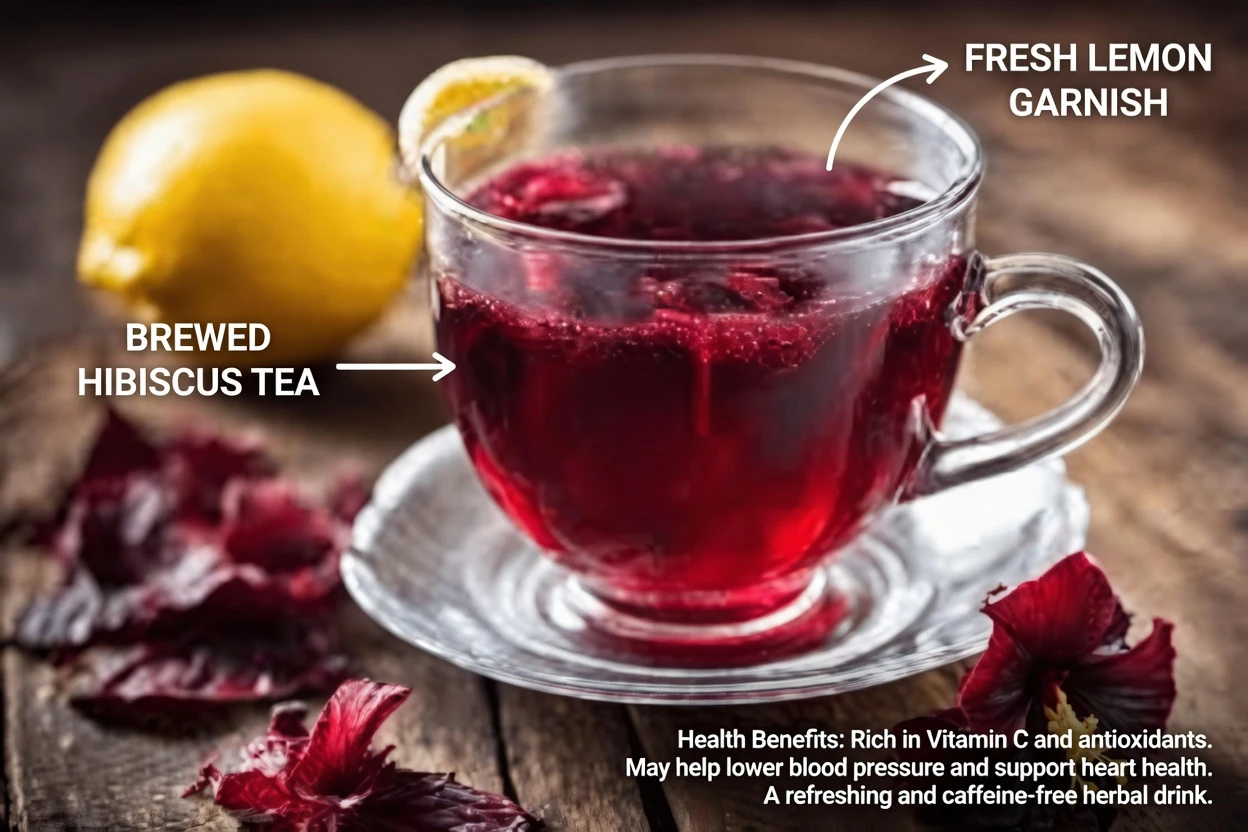
6) Unsweetened Hibiscus Tea (Hot or Iced, 1–2 Cups)
Hibiscus sabdariffa tea is naturally caffeine-free and rich in polyphenols. Reviews and clinical trials indicate it may support blood pressure and offer mild fasting glucose improvements in some people with metabolic concerns—though results are not consistent across all studies. It’s also carb-free and has a tart, cranberry-like flavor.
How to make it
- Steep 1–2 teaspoons dried hibiscus flowers in hot water for 5–10 minutes
- Drink plain (unsweetened)
5) Fresh Celery Juice (About 8 oz)
Celery is low in calories and contains plant compounds such as apigenin. Small studies using celery leaf or juice in people with prediabetes or type 2 diabetes suggest possible improvements in fasting and after-meal glucose, potentially related to anti-inflammatory effects. One trial reported benefits in older adults with prediabetes.
How to make it
- Blend 4–5 celery stalks with a small splash of water
- Strain if preferred
- Drink immediately for best freshness
4) Warm Water with ½ tsp Ceylon Cinnamon
Ceylon cinnamon (often called “true cinnamon”) contains compounds such as MHCP, which may help support insulin-like activity. Meta-analyses of cinnamon supplementation report reductions in fasting blood glucose (approximately 10–25 mg/dL in some trials) and potential improvements in insulin sensitivity, especially in type 2 diabetes or prediabetes.
How to make it
- Stir ½ teaspoon Ceylon cinnamon into warm water
- Prefer Ceylon over cassia cinnamon when using regularly, since cassia can be high in coumarin at larger intakes
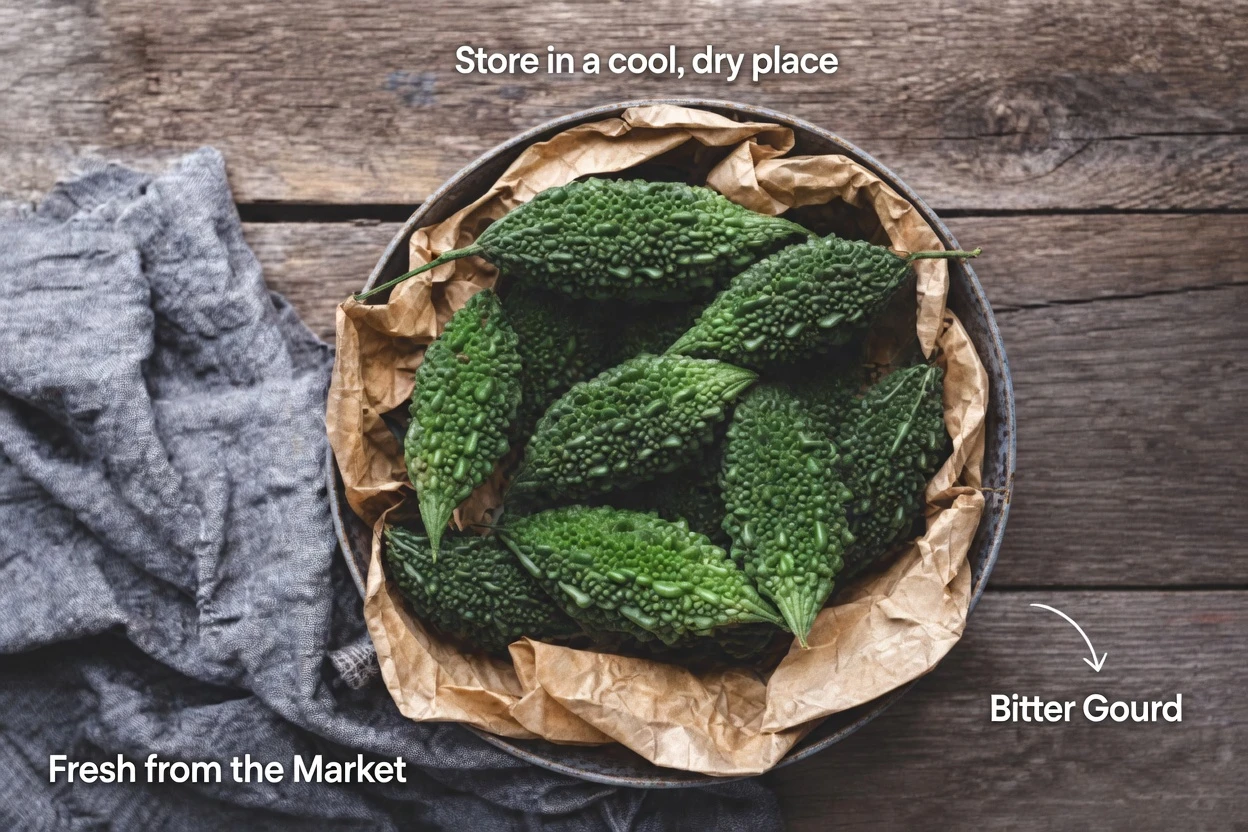
3) Bitter Melon (Karela) Tea
Bitter melon is widely used in Asian traditions to support glucose balance. Its compounds—such as charantin and polypeptide-p—have been studied for their potential to aid glucose uptake. Some clinical trials show decreases in fasting glucose and HbA1c in people with type 2 diabetes or prediabetes, but the flavor is notably intense.
How to make it
- Slice a small fresh bitter melon
- Steep in hot water for 10 minutes
- Start with a milder brew until you know your tolerance
2) Fenugreek Seed Water (1 tsp Seeds Soaked Overnight)
Fenugreek seeds are rich in soluble fiber. Multiple studies, including randomized trials, link fenugreek to lower fasting glucose and improved insulin sensitivity in type 2 diabetes. One trial reported substantial improvements with consistent, ongoing use.
How to make it
- Soak 1 teaspoon fenugreek seeds in water overnight
- Drink the water (and eat the seeds if tolerated) in the evening or morning
1) Giloy (Guduchi) Tea or Infusion — A Traditional Favorite
Tinospora cordifolia (giloy/guduchi) is a climbing vine used in Ayurvedic practice and studied for possible support of pancreatic function and glucose regulation. Animal research and limited human studies suggest potential benefits such as reduced fasting glucose and improved insulin dynamics, with particular interest in beta-cell support. It has gained attention in India as part of broader metabolic wellness routines.
How to make it
- Use fresh stem or dried powder
- Steep about 1 teaspoon in hot water to make an infusion
Quick Comparison: Research Patterns, Timing, and Taste
-
ACV Water
- Studied focus: modest fasting glucose reduction
- Typical timing: ~30 minutes before bed
- Taste: tangy
- Cost: very low
-
Hibiscus Tea
- Studied focus: potential mild metabolic support (variable results)
- Typical timing: evening
- Taste: tart
- Cost: low
-
Celery Juice
- Studied focus: glucose improvements in small trials
- Typical timing: evening
- Taste: fresh/green
- Cost: low
-
Ceylon Cinnamon Water
- Studied focus: fasting glucose and insulin sensitivity in some trials
- Typical timing: before bed
- Taste: warm/spicy
- Cost: very low
-
Bitter Melon Tea
- Studied focus: glucose uptake support
- Typical timing: evening
- Taste: very bitter
- Cost: low
-
Fenugreek Seed Water
- Studied focus: fasting glucose and HbA1c improvements in studies
- Typical timing: soak overnight; drink evening or morning
- Taste: nutty/mild
- Cost: very low
-
Giloy Tea
- Studied focus: metabolic support and beta-cell research interest
- Typical timing: evening
- Taste: mild/herbal
- Cost: low
Why Small, Consistent Habits Matter
People managing diabetes often report that minor, repeatable changes can lead to more stable readings over time. One common theme: adding a simple evening ritual can make morning numbers feel more predictable—showing how small routines may compound into meaningful progress.
A Simple Evening “Steady Glucose” Routine (About 5 Minutes)
Use this as an easy structure you can adjust:
- 8:30 p.m.: ACV water (add lemon if you like)
- 9:30 p.m.: Cinnamon water or fenugreek infusion—steep, then sip slowly
- 10:15 p.m.: Choose one calming option (giloy, celery juice, or hibiscus tea)
Optional pairing: Have a small protein-and-fat snack (for example, a few almonds) 20–30 minutes earlier. This may help by slowing absorption for some people.
Start with one or two of the easiest options. Track morning fasting glucose for a week to spot trends—many people notice steadier patterns with consistency.
Frequently Asked Questions
Can these drinks replace diabetes medication?
No. These beverages are supportive habits only and should not replace prescribed medications or medical guidance.
How quickly could morning fasting glucose change?
Some people notice modest shifts within days (often reported with ACV), while others need weeks of consistency. Results depend on diet, activity, stress, sleep, and medications.
Are there side effects or interactions to consider?
Most options are safe in moderation, but keep these cautions in mind:
- ACV may irritate teeth/enamel (consider using a straw and rinsing with water)
- Cinnamon in large amounts may be irritating; prefer Ceylon for frequent use
- Bitter herbal teas can upset the stomach in some individuals
If you use insulin or glucose-lowering medications, speak with your clinician—glucose can drop faster than expected.
Educational Notice
This article is for educational purposes only and does not provide medical advice. Consult your doctor or diabetes educator before adding new drinks or supplements—especially if you take insulin or glucose-lowering medication. Monitor your glucose closely and prioritize professional guidance for safe diabetes management.