
Waking up several times a night to urinate, struggling with a weak stream, or feeling as if your bladder never fully empties can gradually wear you down. For many men over 50, these issues become an unspoken “normal” part of aging—yet the real-life impact is significant: broken sleep, constant awareness of bathroom locations, and a nagging sense that something as basic as urination is slipping out of control.
The good news: your everyday diet may offer gentle, practical support for prostate and urinary comfort. Research increasingly connects certain fruits and their natural plant compounds with smoother urinary flow, fewer nighttime bathroom trips, and improved overall lower urinary tract symptom scores. One tropical fruit, in particular, has stood out in more recent studies—and it may already be easy to find at your local store.

Why Prostate Health Matters More as You Age
Benign prostatic hyperplasia (BPH) is a non-cancerous enlargement of the prostate that becomes increasingly common with age. By around 60, more than half of men experience some level of prostate enlargement, and the rate climbs even higher in the 70s and 80s.
While prescription medications and procedures help many people manage symptoms, plenty of men also look for lifestyle strategies that feel more natural and sustainable. Nutrition is one of the easiest starting points because it’s something you can adjust daily—without turning life into a medical routine.
Many fruits provide antioxidants, carotenoids, plant sterols, enzymes, and flavonoids. Across observational research and smaller clinical trials, these compounds are repeatedly linked with healthier inflammation balance and more comfortable urinary patterns.
7 Fruits Often Linked to Better Prostate and Urinary Comfort (Countdown)
Below are seven fruits that frequently show up in prostate-supportive nutrition discussions and research—leading up to the one with especially intriguing recent findings.
7) Avocado — Creamy Texture, Heart-Healthy Fats, and Plant Sterols
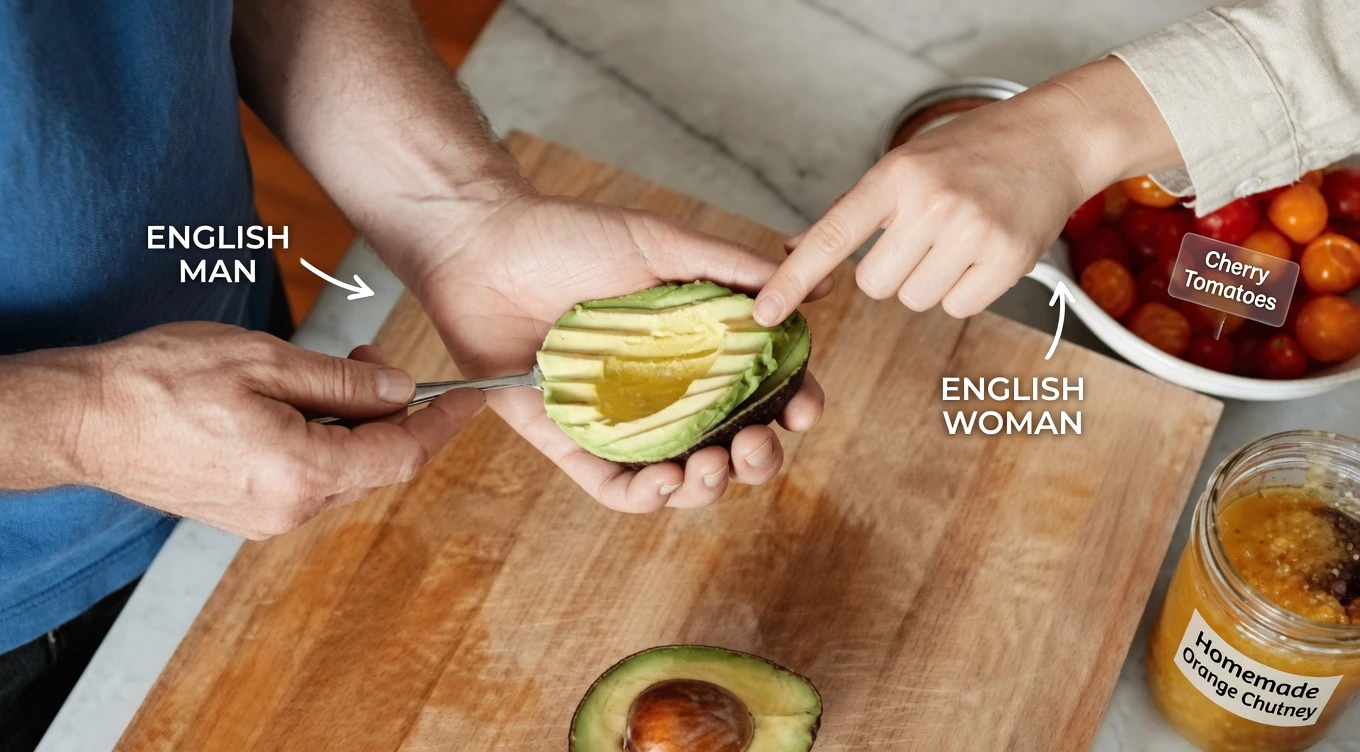
Avocado is more than a trendy food. It contains beta-sitosterol, a plant sterol studied for its potential to support urinary flow and reduce the amount of urine left behind after voiding.
It’s also an easy habit to keep: mash it on toast, blend it into smoothies, or slice it into salads. The monounsaturated fats support cardiovascular health, which matters because circulation can influence pelvic and urinary comfort.
6) Tomatoes — A Top Source of Lycopene (Cooked Is Often Better)
Tomatoes are well known for lycopene, a red carotenoid antioxidant strongly associated with prostate tissue health in many population studies. An important detail: cooked tomato products often improve lycopene absorption compared with raw tomatoes.
Practical options include:
- Tomato sauce and marinara
- Soups and stews
- Salsa and roasted tomatoes
Because tomatoes are already common in everyday meals, it’s easier to stay consistent—an underrated advantage in nutrition changes.
5) Watermelon — Hydration Plus Citrulline for Circulation Support
Watermelon is refreshing, but it’s also functional. Hydration helps dilute urine and may reduce irritation for some people. Watermelon also provides citrulline, an amino acid involved in supporting healthy blood vessel relaxation and circulation.
It’s also a surprisingly decent source of lycopene, making it feel like a “treat” that still contributes valuable nutrients.
Easy ways to eat it:
- Chilled slices or cubes
- Blended into a slushy
- Straight from the rind in summer
4) Berries — Small Fruits, High Antioxidant Concentration
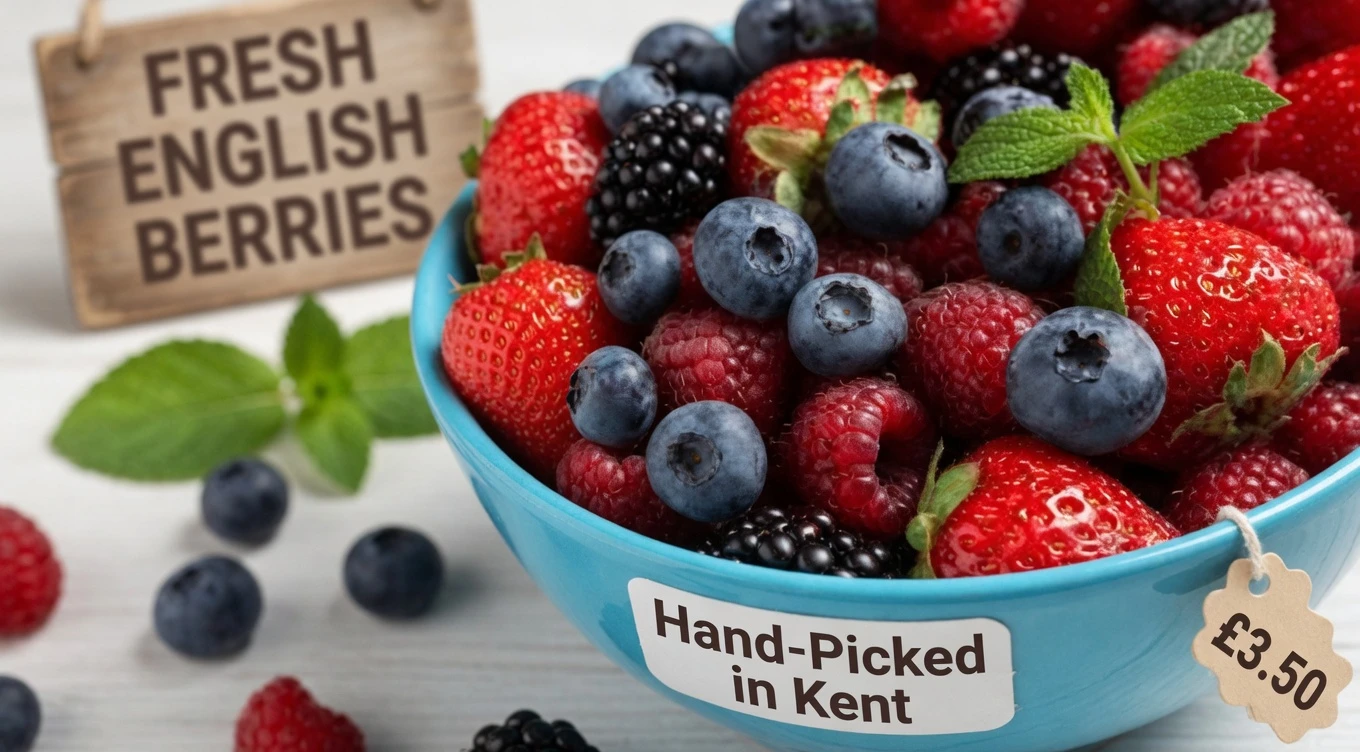
Blueberries, strawberries, raspberries, and blackberries are loaded with anthocyanins, vitamin C, and a broad range of protective flavonoids. Large long-term studies tracking thousands of men have repeatedly found that higher intake of flavonoid-rich foods correlates with fewer bothersome lower urinary tract symptoms over time.
Low-effort ways to include berries:
- Stir into Greek yogurt
- Blend into smoothies
- Snack on fresh or frozen berries
- Freeze and eat as an icy dessert
3) Citrus Fruits — Vitamin C and Bioactive Flavonoids
Oranges, lemons, limes, and grapefruit offer strong vitamin C support plus citrus flavonoids such as hesperidin and naringin, which show early promise in research models related to inflammation balance.
Simple daily habits:
- Warm water with fresh lemon in the morning
- An orange as an afternoon snack
- Lime in sparkling water for a refreshing hydration boost
Note: citrus can be acidic, so oral care matters (see safety notes below).

2) Pomegranate — Rare Polyphenols in Every Seed
Pomegranate stands out for polyphenols that are uncommon in most other foods, particularly punicalagins and ellagitannins. Early lab research and preliminary human findings suggest these compounds may support healthy PSA patterns and help maintain a normal inflammatory response in prostate tissue.
Convenient options include:
- 100% unsweetened pomegranate juice (often easiest for consistency)
- Fresh arils sprinkled over yogurt, salads, or oatmeal
The flavor is naturally tart and “bright,” which many people find more enjoyable than taking a supplement.
1) Papaya — The Tropical Fruit With Strong Recent Momentum
Papaya is the fruit that has been drawing increasing attention.
Ripe papaya combines several features rarely found together in a single food:
- Lycopene
- Beta-carotene
- Papain, a natural digestive enzyme
- Multiple plant compounds associated with anti-inflammatory activity
A 2022 pilot clinical study in Southeast Asia followed 120 men with moderate BPH symptoms who consumed 200 grams of fresh ripe papaya daily for 12 weeks. The study reported:
- About a 37% average improvement in International Prostate Symptom Scores (IPSS)
- Meaningful improvements in maximum urinary flow rate
- Many participants describing less urgency and a “lighter” feeling overall
Why papaya is especially interesting in this context:
- Papain may support a gentler reduction in swelling-related discomfort
- Carotenoids in papaya can be highly bioavailable
- It’s typically easy to digest, which can matter more with age
- Its natural sweetness makes daily intake more realistic long term
Quick Snapshot: Key Compounds in These Fruits
- Papaya: papain, lycopene, beta-carotene
- Tomatoes: lycopene (often better absorbed when cooked)
- Watermelon: hydration support, lycopene, citrulline
- Pomegranate: punicalagins, ellagitannins
- Berries: anthocyanins, vitamin C, flavonoids
- Avocado: beta-sitosterol, monounsaturated fats
- Citrus: vitamin C, hesperidin, naringin
Simple, Realistic Ways to Eat More of These Fruits Daily
You don’t need a complete diet overhaul. These are easy combinations that fit into normal routines:
- Morning: Greek yogurt with mixed berries + a side of papaya cubes
- Mid-morning: 8 oz of 100% pomegranate juice (no added sugar)
- Lunch: Salad with avocado, cherry tomatoes, and fresh lemon juice
- Afternoon snack: Chilled watermelon cubes with a squeeze of lime
- Dinner: Tomato-vegetable soup, or marinara over zucchini noodles
- Evening: A few papaya pieces or a small serving of pomegranate juice
A practical approach: pick one or two fruits and stick with them consistently for 4–6 weeks rather than trying all seven at once. Consistency usually beats intensity.
Important Safety Notes (Read Before Making Big Changes)
- Papaya (typical studied range: ~150–300 g ripe flesh): Choose ripe papaya. Avoid unripe papaya and seeds if you use blood-thinning medication unless your clinician says it’s safe.
- Pomegranate (often studied as ~8 oz pure juice): May interact with certain blood pressure medications and statins in some individuals—check with your pharmacist or clinician if you take these.
- Citrus (commonly 1–2 whole fruits/day): Acidic foods can affect tooth enamel; consider rinsing your mouth with water afterward.
- Avocado (often ½ to 1 fruit): Nutrient-dense and calorie-dense—adjust portions if weight management is a goal.