Early Menopause: 10 Common Signs to Watch (and What to Do Next)
Picture this: you’re going about a normal day when a sudden wave of heat rushes through your body, your face turns red, and you’re sweating—yet everyone around you feels fine. Or maybe your previously reliable monthly cycle starts changing without warning, leaving you unsure what to expect from one month to the next.
These seemingly small but disruptive shifts can be early clues of early menopause. According to organizations such as the Office on Women’s Health, around 5% of women experience menopause before age 45. While the average age for menopause is about 51, an earlier transition is often driven by hormonal changes that can catch many women off guard—and may affect long-term health, including bone density and cardiovascular health. Research consistently shows that recognizing symptoms sooner can make this phase easier to navigate.
Many people miss the early signs because they tend to build slowly and can look like stress, burnout, or other common health issues. When you notice patterns early, you’re better prepared to have productive conversations with a healthcare provider. Below are 10 key signs, plus extra factors to consider and practical steps to help you feel more informed and in control.
Why It’s Important to Recognize Early Menopause Symptoms
Early menopause refers to menopause occurring before age 45. Premature menopause is even earlier—before age 40—and affects roughly 1% of women. In both cases, the ovaries reduce their function, and estrogen levels decline.
Clinical sources such as Cleveland Clinic and Yale Medicine note that entering menopause earlier may raise the risk of issues like osteoporosis and certain heart-related concerns, largely due to a longer period of reduced estrogen exposure. However, many women brush off early symptoms as normal aging, a busy lifestyle, or short-term stress.
Awareness changes that. When symptoms are tracked and taken seriously, many women are able to explore options sooner and reduce day-to-day disruption.
10 Key Signs of Early Menopause to Monitor
10) Irregular Periods: Often the First Clear Clue
For many women, the earliest noticeable change is a shift in the menstrual cycle. Your period might:
- arrive earlier or later than usual
- become heavier or lighter
- last fewer or more days
- skip entirely
These changes commonly result from fluctuating hormone levels during the transition. Keeping a simple cycle log (dates, flow changes, unusual spotting) can help you identify patterns before other symptoms intensify.
9) Hot Flashes: Sudden Heat That Comes Out of Nowhere
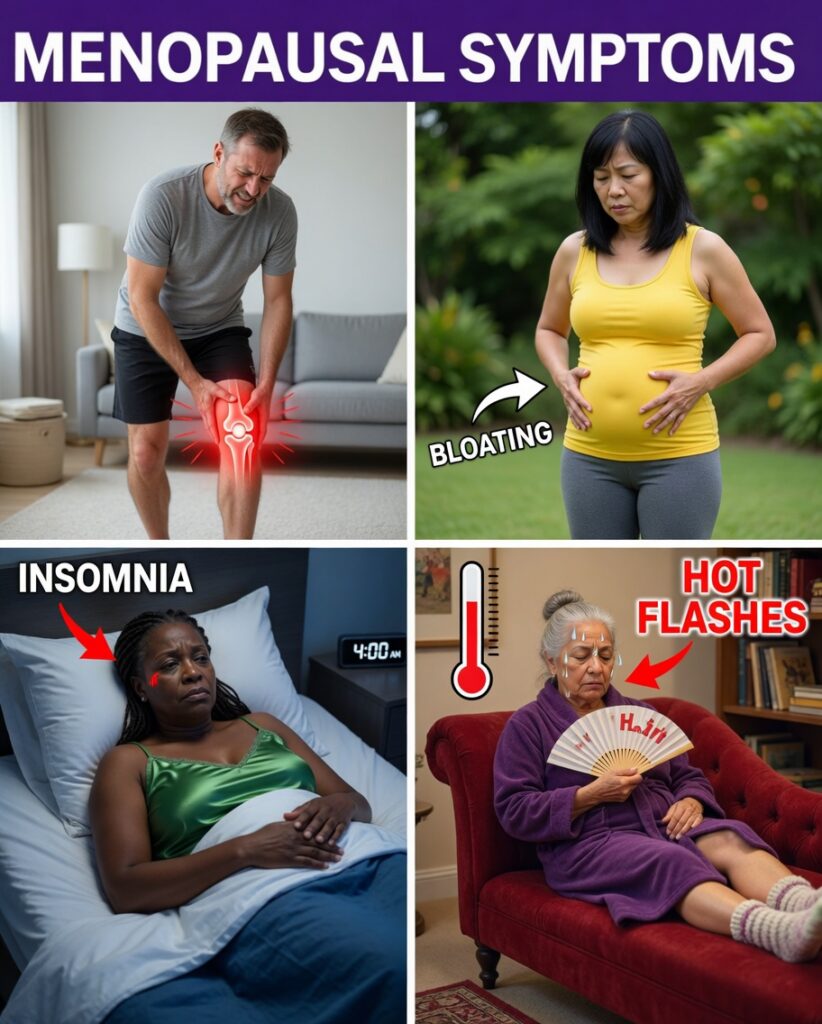
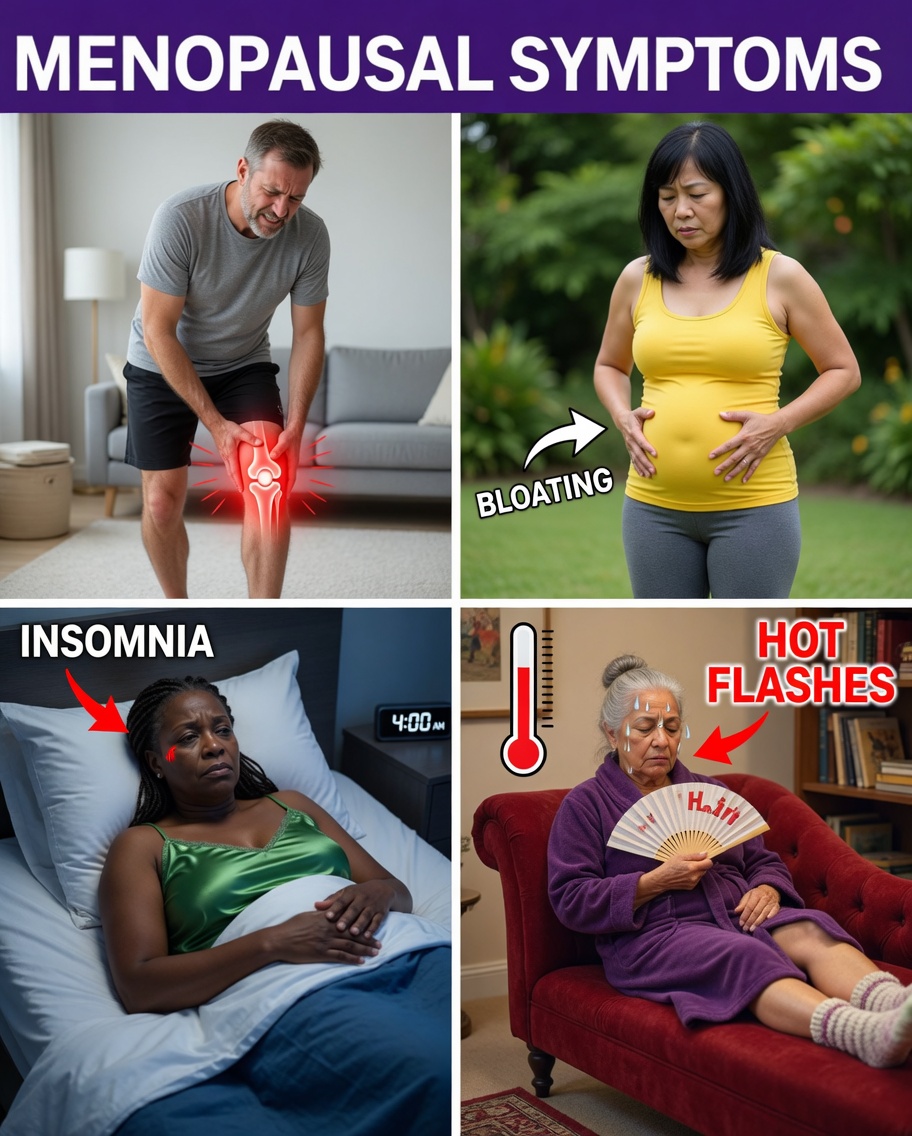
A hot flash often feels like a rapid surge of warmth moving through the chest, neck, and face, sometimes followed by sweating and skin redness. These vasomotor symptoms are extremely common during the menopause transition—many reports estimate they affect a majority of women.
At first, they can seem random. Over time, they may become more frequent, more intense, or harder to ignore.
And for many women, the discomfort doesn’t stop when the day ends.
8) Night Sweats: Sleep-Disrupting Overheating
Night sweats are essentially hot flashes that happen during sleep. You may wake up drenched, with damp pajamas or sheets, and struggle to fall asleep again. Health professionals note that repeated disruptions can reduce sleep quality and contribute to daytime exhaustion.
When sleep suffers consistently, other symptoms—like mood changes and brain fog—often feel worse as well.
7) Mood Swings: Irritability, Anxiety, or Unexpected Tearfulness
Hormonal shifts can influence brain chemistry, including systems involving serotonin and other neurotransmitters. As a result, you might notice:
- increased irritability
- anxiety that feels new or stronger than usual
- feeling emotional without a clear trigger
Many women describe it as feeling “unlike themselves,” even when life circumstances are stable.

6) Vaginal Dryness: Discomfort in Daily Life or During Sex
As estrogen declines, vaginal tissues can become thinner and less lubricated. This may lead to:
- dryness or irritation
- discomfort during intimacy
- a feeling of sensitivity or burning
Reputable health guidelines identify vaginal dryness as a frequent symptom in the menopause transition. Recognizing it early is helpful because there are practical ways to improve comfort.
5) Sleep Problems That Go Beyond Night Sweats
Even without night sweats, early menopause can affect sleep. You may experience:
- trouble falling asleep
- waking up frequently
- restless, non-restorative sleep
Hormonal changes can interfere with sleep regulation, leaving you tired even after a full night in bed. Over time, poor sleep can impact focus, mood, and overall resilience.
4) Persistent Fatigue: Exhaustion That Doesn’t Match Your Day
Many women report a deep tiredness that doesn’t fully improve with rest or caffeine. This can be connected to:
- disrupted sleep
- metabolic changes
- the cumulative load of multiple symptoms at once
Fatigue can make everyday tasks feel heavier and reduce motivation for exercise, cooking well, or social engagement—creating a frustrating loop.
3) Brain Fog and Memory Slips: Feeling Mentally “Off”
During early menopause, some women notice cognitive changes such as:
- forgetting words mid-sentence
- misplacing items more often
- difficulty concentrating
- feeling mentally slower than usual
Evidence suggests estrogen supports cognitive function, and its decline may contribute to these temporary changes. Many people cope by using reminders, lists, or structured routines until mental clarity improves.
2) Hair and Skin Changes: Thinning Hair or Drier Skin
Hormone shifts can influence collagen, hydration, and oil production. Over months, you might observe:
- hair shedding more easily or looking thinner
- skin becoming drier or less elastic
These changes are usually gradual, which is why they’re easy to dismiss at first. Healthy habits—sleep, nutrition, hydration, and stress management—can help support skin and hair during this stage.
1) Fertility Challenges: A Foundational Sign
A reduced ovarian reserve can make conception more difficult, sometimes even before other symptoms feel obvious. Fertility specialists often emphasize that decreasing fertility can be a key indicator of an earlier transition.
Even if you’re not actively trying to conceive, noticing a shift in fertility patterns can be a reason to seek evaluation sooner rather than later.
Other Symptoms and Risk Factors to Keep in Mind
In addition to the signs above, some women also experience:
- joint aches or stiffness
- weight changes (often around the midsection)
- urinary changes, such as increased urgency or frequency
Certain factors may increase the likelihood of early menopause, including:
- family history
- specific medical conditions
- smoking
- some medical treatments (depending on personal history)
Symptoms vary widely from one person to another, so your experience may not match someone else’s exactly.
What to Do If These Signs Sound Familiar
No single symptom proves early menopause. However, if you’re noticing a consistent cluster of changes, it’s worth taking action.
-
Track your symptoms
- Record when they happen, how often, and what seems to trigger them.
- Bring notes to your appointment for a clearer clinical picture.
-
Talk with a healthcare provider
- Discuss persistent changes and ask about appropriate evaluation, which may include hormone testing and other relevant checks.
-
Support your body with daily habits
- Regular movement, a nutrient-dense diet, and stress-reduction tools (such as mindfulness) may ease symptoms and support long-term health.
-
Build a support system
- Trusted friends, support communities, or counseling can reduce isolation and help you cope with emotional changes.
-
Plan follow-ups
- Ongoing monitoring helps tailor strategies as symptoms evolve.
These steps often replace uncertainty with a clearer, more manageable path forward.
Frequently Asked Questions (FAQ)
What’s the difference between early menopause and premature menopause?
Early menopause occurs between ages 40 and 45. Premature menopause happens before age 40. The symptom patterns can be similar—the main difference is the age of onset.
Can lifestyle choices affect early menopause?
Yes. Factors such as smoking and certain medical interventions may contribute, though genetics can play a major role.
Are early menopause symptoms always intense?
No. Symptoms range from mild to disruptive. Many women manage them effectively with early recognition, medical support, and lifestyle adjustments.
Medical Disclaimer
This article is for informational purposes only and does not replace professional medical advice. Always consult a qualified healthcare provider for personalized guidance about symptoms, diagnosis, or treatment options.