Why Your Olive Oil Habits Matter More After 40
That bottle of olive oil on your kitchen counter might feel like a smart swap for butter, especially if you’re leaning into a Mediterranean-style way of eating in your 40s and beyond. Olive oil can absolutely support heart health and overall wellness, thanks to its monounsaturated fats and antioxidant content. But those benefits only show up when the oil is used and stored properly.
Handled the wrong way, olive oil can break down, lose nutrients, add more calories than you realize, and contribute to that heavy, sluggish feeling many people chalk up to “just aging.” If you’ve walked away from a supposedly healthy meal feeling bloated or tired, your olive oil habits might be part of the problem.
The good news: a few simple adjustments can make meals feel lighter, more flavorful, and more satisfying—without giving up olive oil.
Mistake #1: Letting Olive Oil Heat Until It Smokes
Cranking up the stove until olive oil starts to smoke might look like serious cooking, but it’s a fast way to damage the oil.
When olive oil reaches its smoke point, its delicate compounds begin to degrade and oxidize. Your body already deals with oxidative stress from everyday life; adding more from overheated oils doesn’t help. Extra virgin olive oil (EVOO) does have decent heat stability because of its natural antioxidants, but those defenses weaken with repeated or excessive high heat.
Research indicates that extra virgin olive oil can remain more stable than many refined oils at moderate cooking temperatures. The practical rule:
- Warm olive oil gently.
- Stop when it shimmers and moves easily in the pan.
- If you see smoke, the pan is too hot.
This way, you preserve more of the flavor and beneficial compounds without overloading your system with heat-damaged byproducts.
Mistake #2: Assuming Any “Extra Virgin” Label Means High Quality
Seeing “extra virgin olive oil” on the front of the bottle can create a false sense of security. Not all EVOO on the shelf is equally fresh or well-handled.
Quality can vary due to:
- How long the oil has been sitting since harvest
- Storage conditions before and after purchase
- Specific processing and handling methods
Recent large-scale tests of major brands found no widespread adulteration, but more affordable or poorly stored options may be older and lower in key antioxidants. Past reports have also pointed out that some supermarket oils didn’t always meet top-tier extra virgin standards.
For health benefits and flavor, freshness matters more than marketing:
- Look for a harvest date, not just a “best by” date.
- Check for quality seals or certifications when possible.
- Prefer producers that emphasize origin and traceability.
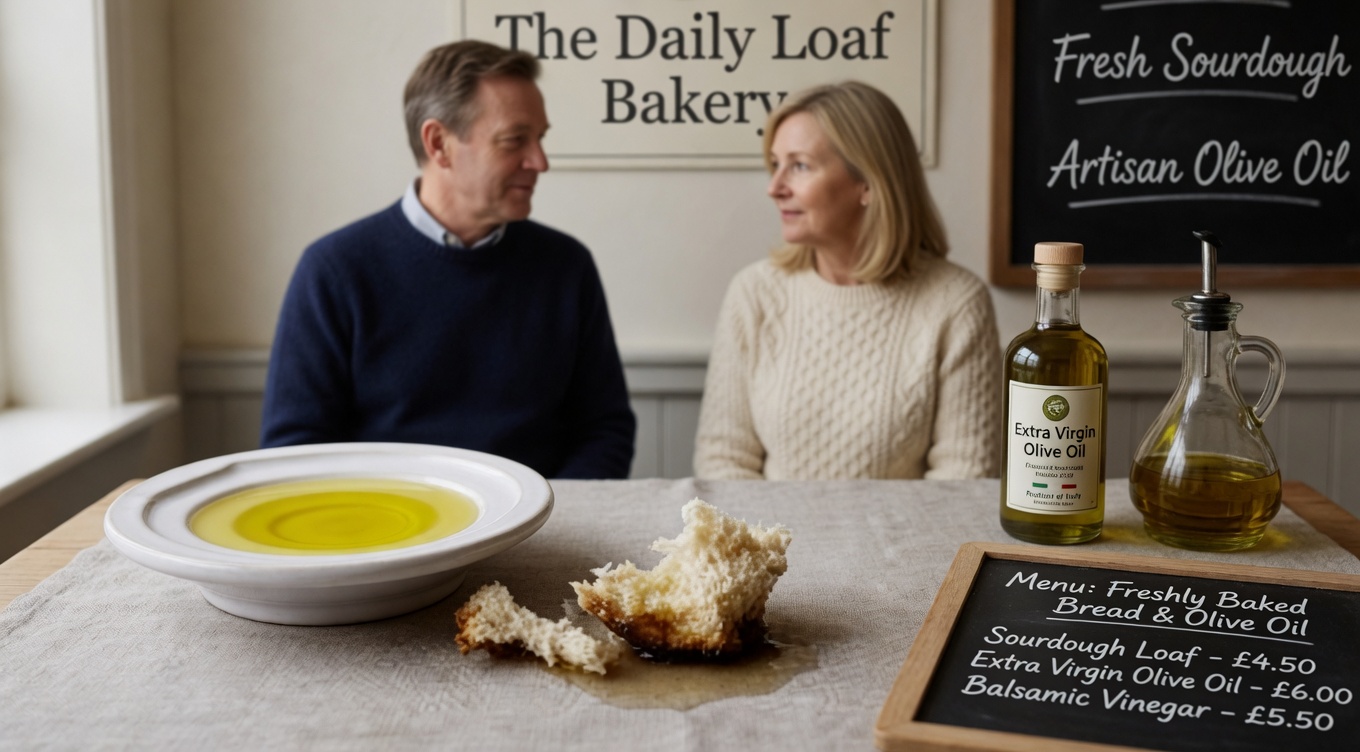
What you do with the bottle once it’s at home matters even more.
Mistake #3: Keeping Olive Oil on the Counter in Heat or Direct Light
That decorative bottle beside the stove might be convenient, but it’s one of the fastest ways to ruin good olive oil.
Three main factors speed up oxidation and nutrient loss:
- Light – Breaks down polyphenols and damages delicate compounds.
- Heat – Accelerates chemical reactions that age the oil.
- Air (oxygen) – Promotes rancidity over time, especially with frequent opening.
Leaving olive oil in a clear or light-colored container near the cooktop, windows, or appliances exposes it to all three.
Better storage habits:
- Keep olive oil in a cool, dark cupboard or pantry.
- Choose dark glass bottles or tins when possible.
- Close the cap tightly after each use and avoid unnecessary opening.
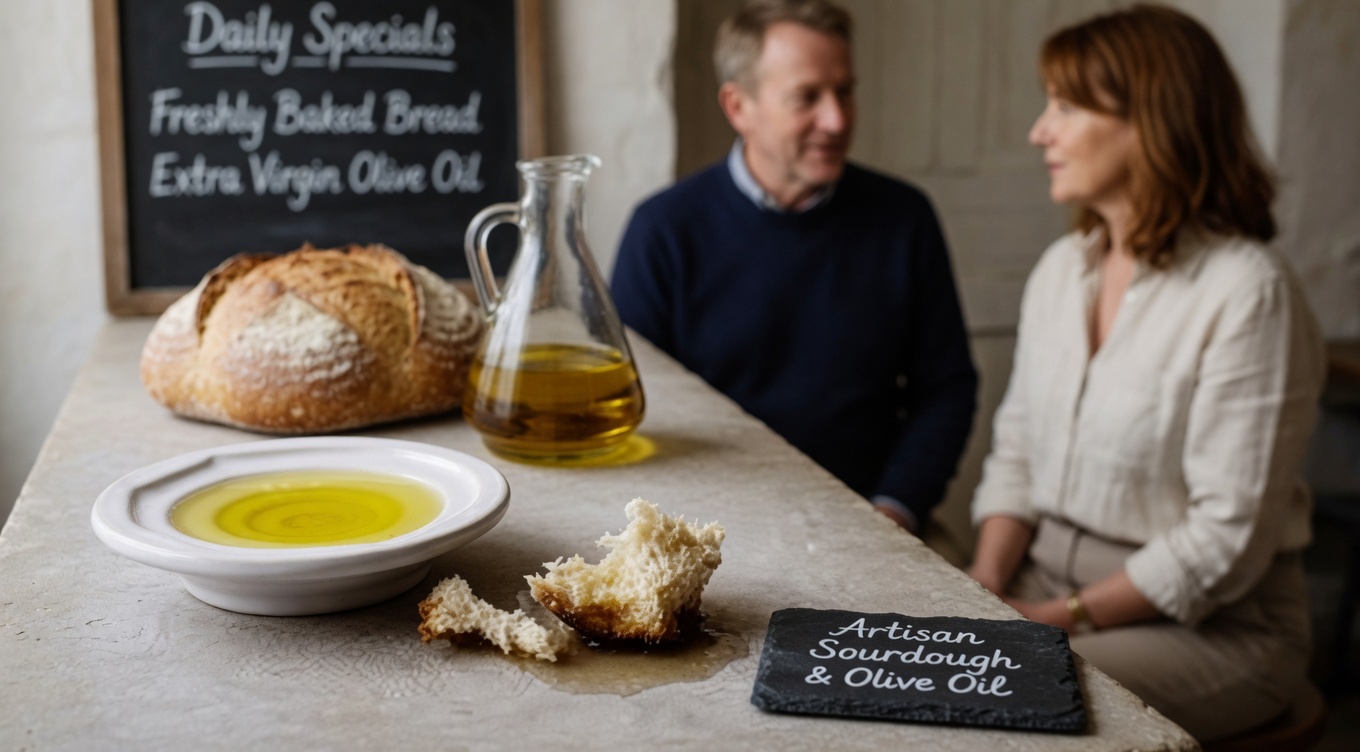
Handled this way, olive oil keeps its flavor and beneficial compounds longer—and you’re more likely to enjoy what you paid for.
Mistake #4: Pouring Olive Oil Freely Without Measuring
Olive oil is healthy, but it’s still calorie-dense. When you pour straight from the bottle—into pans, over salads, on roasted vegetables—it’s easy to underestimate how much you’re using.
Just one tablespoon of olive oil contains roughly 120 calories, almost all from fat. For anyone over 45 trying to manage weight, support metabolic health, or keep energy steady, those unmeasured “extra splashes” can quietly stall progress.
Common signs you might be overdoing it:
- Meals that leave you feeling heavy or overly full
- “Clean” eating but stagnant weight or creeping gain
- Needing more food than expected because oil overpowers the dish
Try this experiment:
- Measure your olive oil for one week.
- Use a tablespoon or small measuring cup each time you cook or dress a salad.
You’ll quickly see your true intake and can adjust portions without cutting olive oil out completely.
Mistake #5: Using Extra Virgin Olive Oil for Every Cooking Method
Extra virgin olive oil shines when its natural flavor and antioxidants are preserved—but long, high-heat cooking can strip away much of what makes it special.
Extended sautéing, frying, or simmering with EVOO can:
- Diminish its polyphenol content
- Flatten its fruity, peppery notes
- Turn it into more of a generic cooking fat
Studies suggest that to get the most benefit from extra virgin olive oil, it’s best to use it:
- Raw (in dressings, dips, and marinades)
- As a finishing oil on cooked dishes
- For low to moderate heat cooking where it won’t be exposed to extreme temperatures for long
A smart strategy:
- Use a neutral, stable oil for higher-heat tasks.
- After cooking, add a teaspoon or two of fresh EVOO over vegetables, grains, fish, or meats.
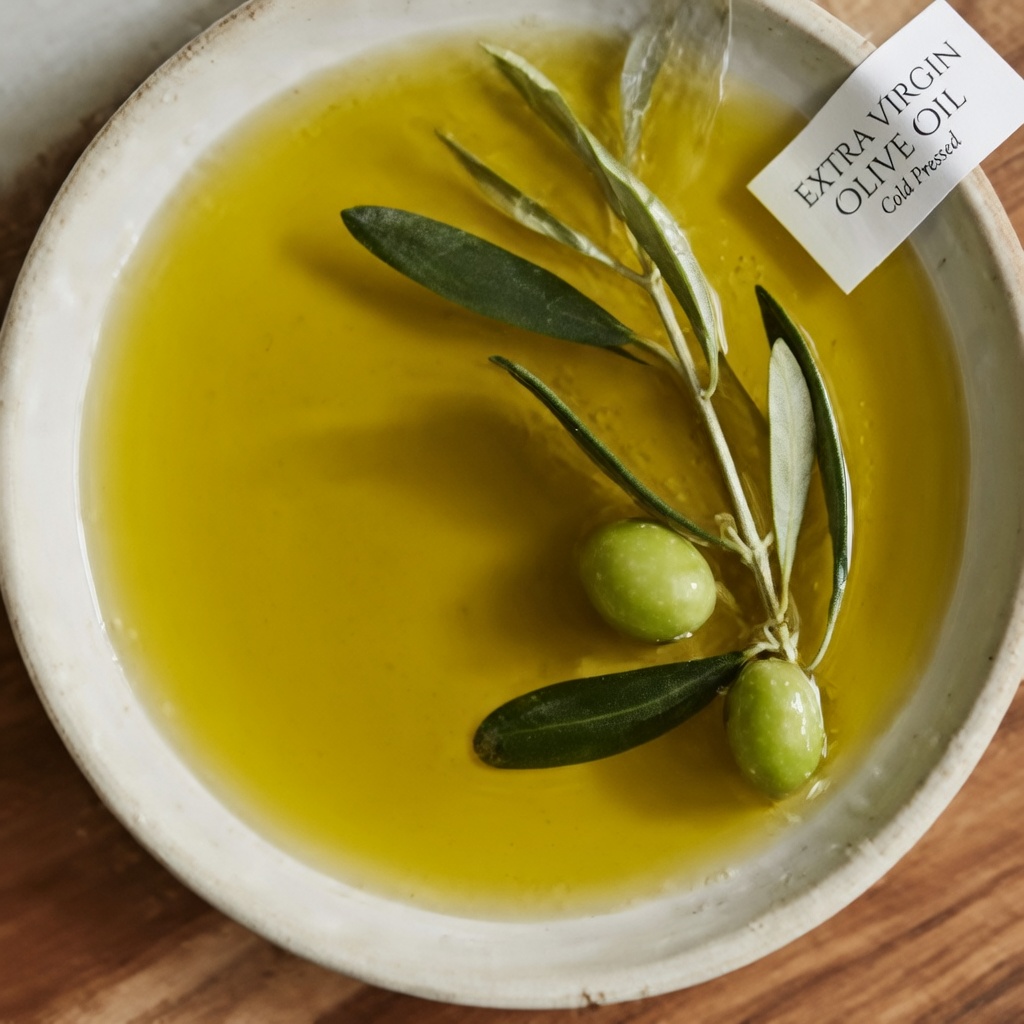
You’ll usually need less overall, and your food will taste brighter and more complex.
Mistake #6: Forgetting That Digestion Changes After 50
As we age, digestion often becomes more sensitive. Enzyme production, gallbladder function, and gut motility can shift, meaning heavy or poorly timed fats might sit differently than they did in your 20s or 30s.
Olive oil remains a beneficial fat, but how and when you use it can influence comfort:
- Large, high-fat dinners can contribute to sluggishness or discomfort.
- Meals with plenty of fiber (vegetables, legumes, whole grains) help your body process fats more smoothly.
- Spreading olive oil intake across meals instead of loading it all at night may feel better.
If you take medications that affect blood clotting, blood pressure, or cholesterol, it’s wise to speak with your healthcare provider about total fat intake, including olive oil. A few small timing and portion tweaks can keep olive oil feeling supportive rather than heavy.
Mistake #7: Reusing Olive Oil for Frying Over and Over
Saving used olive oil after frying can seem economical, but repeatedly heating the same oil changes it in ways you don’t want.
Each heat cycle:
- Darkens the oil
- Alters the aroma and flavor
- Increases the formation of breakdown products and oxidation compounds
Occasional reuse with relatively low heat and short cooking times is less concerning, but habitually using the same oil multiple times increases exposure to degraded fats.
Better options:
- Use fresh oil for each frying session when possible.
- Switch to gentler cooking methods like baking, roasting, steaming, or air-frying to reduce the need for large volumes of oil altogether.
Olive Oil Types and How to Use Them Best
Not all olive oils are identical. Understanding the main types helps you choose the right one for each job—and get more from every bottle.
| Type of Olive Oil | Processing Method | Key Characteristics | Best Uses |
|---|---|---|---|
| Extra Virgin Olive Oil | Minimal, cold extraction | Highest in polyphenols; bold, complex flavor | Salads, dips, finishing, gentle sautéing |
| Virgin Olive Oil | Similar to EVOO, slightly higher acidity | Good flavor; moderate beneficial compounds | Dressings, low to medium heat cooking |
| Refined or “Pure” Olive Oil | Heavily filtered/refined | Milder taste; fewer antioxidants | Higher-heat cooking when needed |
This is why extra virgin olive oil deserves careful handling—it’s the most nutrient-rich and flavorful, but also the most worth protecting.
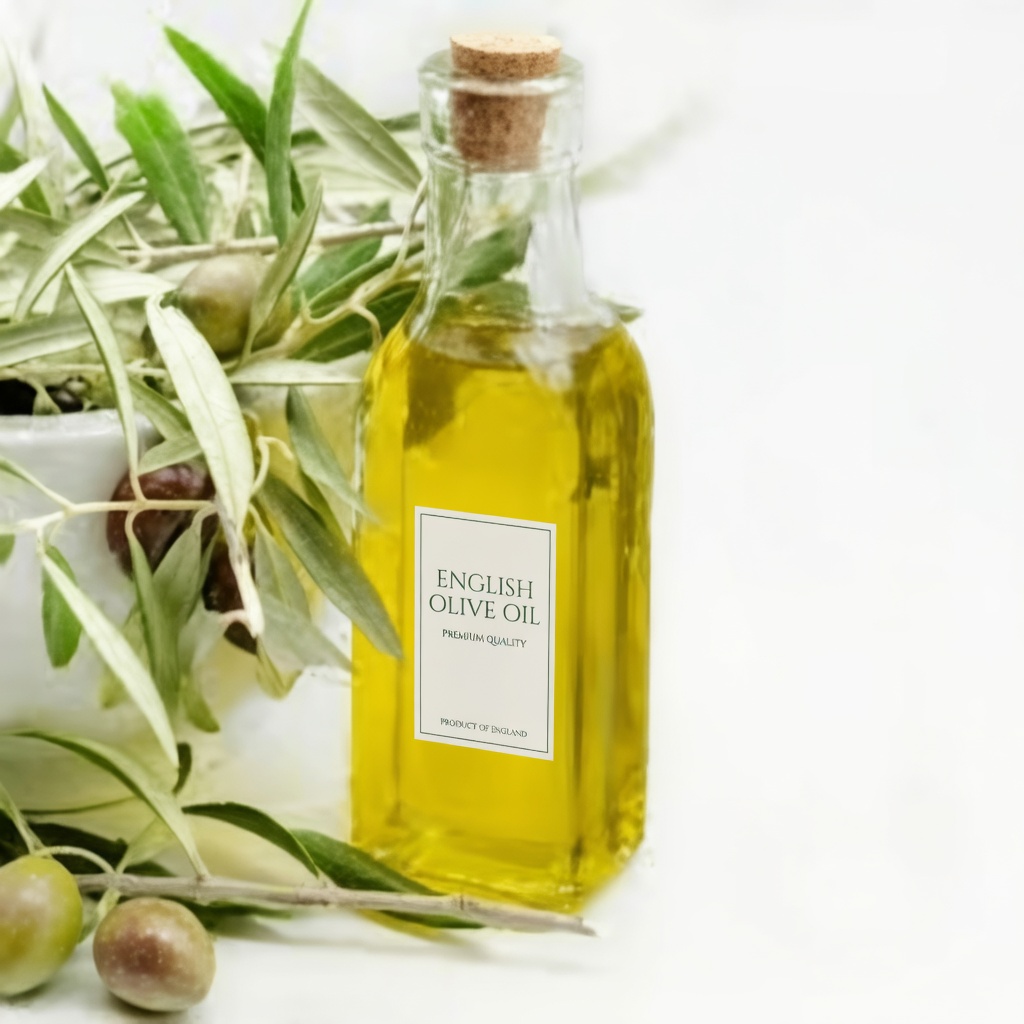
A Simple 7-Day Olive Oil Reset
You don’t need a perfect overhaul. Start with a few manageable shifts and notice how your body and meals respond.
Choose 2–3 of these steps for the next week:
- Storage upgrade – Move your olive oil to a cool, dark cupboard, away from the stove and sunlight.
- Portion awareness – Measure out 1 tablespoon each time you use olive oil for seven days and observe your typical intake.
- Use EVOO strategically – Reserve extra virgin olive oil for drizzling on cooked dishes, salads, or bread instead of all high-heat tasks.
- Heat guideline – Warm olive oil just until it shimmers. If it smokes, let the pan cool and start again.
- Freshness check – Smell and taste your oil: fresh EVOO should smell grassy, fruity, or herbal, and may give a light peppery tickle in the throat.
These simple adjustments help olive oil work with your health goals instead of against them.
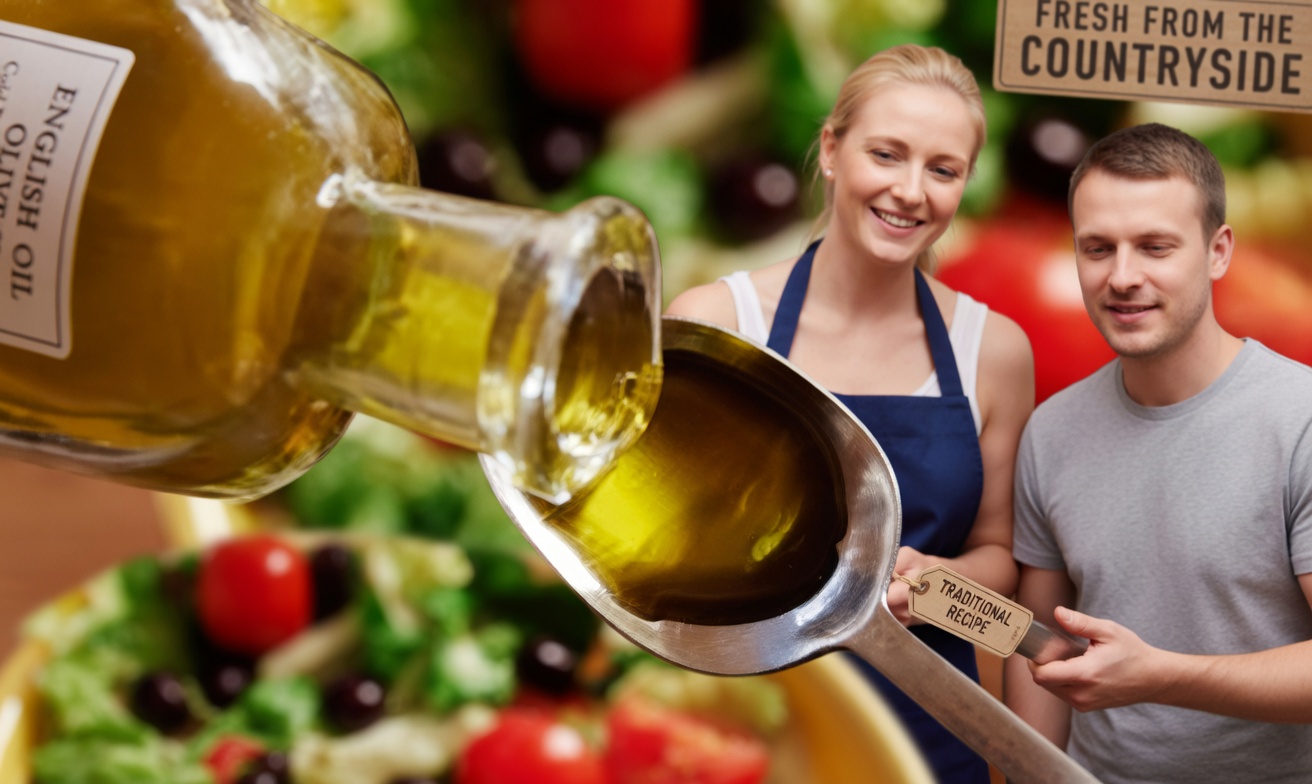
What to Expect When You Improve Your Olive Oil Habits
When you correct these common mistakes, you’ll often notice:
- Meals feel lighter, not leaden.
- Flavors become more vibrant thanks to fresh EVOO added at the end of cooking.
- You’re exposed to fewer heat-damaged and oxidized compounds.
- You gain confidence recognizing quality oils by aroma, flavor, and storage cues.
- Energy feels more steady, with fewer post-meal slumps.
Olive oil becomes a reliable ally in your midlife and later years—supporting your heart, digestion, and enjoyment of food.
Frequently Asked Questions
Is extra virgin olive oil safe to cook with?
Yes. Extra virgin olive oil tolerates moderate heat well because of its natural antioxidants. For best results, keep it at low to medium temperatures and use it as a finishing oil to preserve its beneficial compounds and flavor.
How many calories are in olive oil, and will it affect my weight?
Olive oil provides about 120 calories per tablespoon. Because it’s easy to pour more than you think, measuring your portions can help you manage total calorie intake without giving up the taste and benefits of olive oil.
How should I store olive oil so it stays fresh longer?
To slow oxidation and preserve quality:
- Store it in a cool, dark place, such as a pantry or cabinet.
- Keep it away from heat sources like the stove or oven.
- Choose dark glass bottles or tins when possible.
- Close the bottle tightly after each use.
This content is for informational and educational purposes only and does not replace professional medical advice, diagnosis, or treatment. Always consult your healthcare provider for guidance tailored to your individual health and medication needs.