Arterial Health After 50: 7 Vitamins Research Links to Better Circulation
Heart disease is still one of the world’s top causes of death, and it often develops quietly—through gradual changes in the arteries that reduce healthy blood flow over time. After age 50, many people begin to notice small but persistent shifts such as occasional fatigue, mild breathlessness during routine tasks, or a general “slowed down” feeling, even with an otherwise balanced lifestyle.
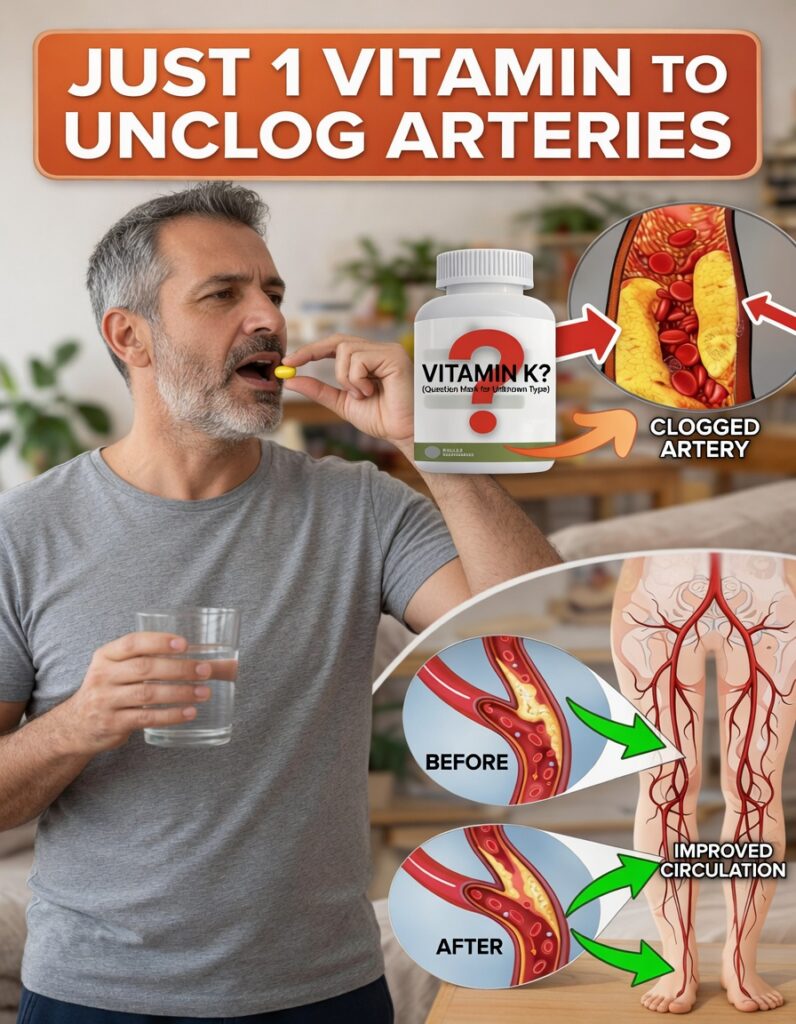
These changes may relate to processes like chronic inflammation, oxidative stress, and calcium buildup that can affect how flexible and responsive blood vessels remain. The encouraging part: research suggests that certain vitamins—whether obtained through food or carefully chosen supplements—may help support vascular health, endothelial function, and overall circulation as part of a heart-smart routine.
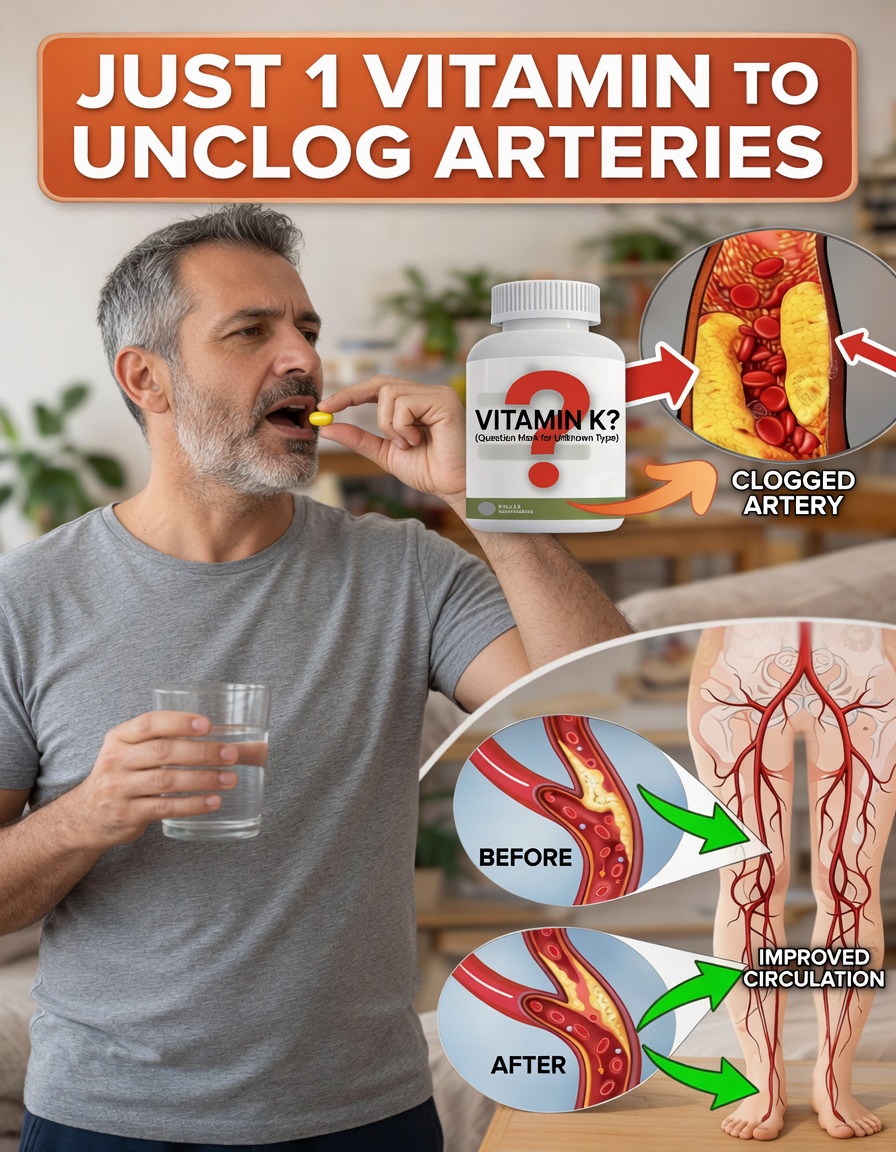
Some of these nutrients don’t just work alone—they can complement one another and potentially strengthen each other’s supportive effects. Below are seven vitamins frequently highlighted in research for arterial wellness, along with realistic ways to add them to your diet.
The Quiet Issue: Why Arteries Need Extra Support After 50
With age, arteries can lose some of their natural elasticity due to accumulated wear and tear, inflammation, oxidative damage, or mineral balance issues. When blood vessels become less flexible, blood delivery to muscles and organs may decline—sometimes showing up as lower energy, reduced stamina, or discomfort during light activity.
Medical care (including medications) is essential when indicated, but many people also look for nutrition-based strategies to support circulation. Studies point to specific vitamins that may influence the key drivers of vascular aging, including inflammation control, antioxidant defenses, calcium handling, and healthy vessel function.
Quick self-check: On a scale of 1–10, how would you rate your energy on most days? If it’s not where you want it to be, the nutrients below may be helpful discussion points for your routine.
7 Vitamins That May Support Arterial Health and Blood Flow (Based on Research)
Each vitamin below has been studied for a role in cardiovascular and circulatory support. Here’s what the research suggests, plus practical food sources and typical intake targets.
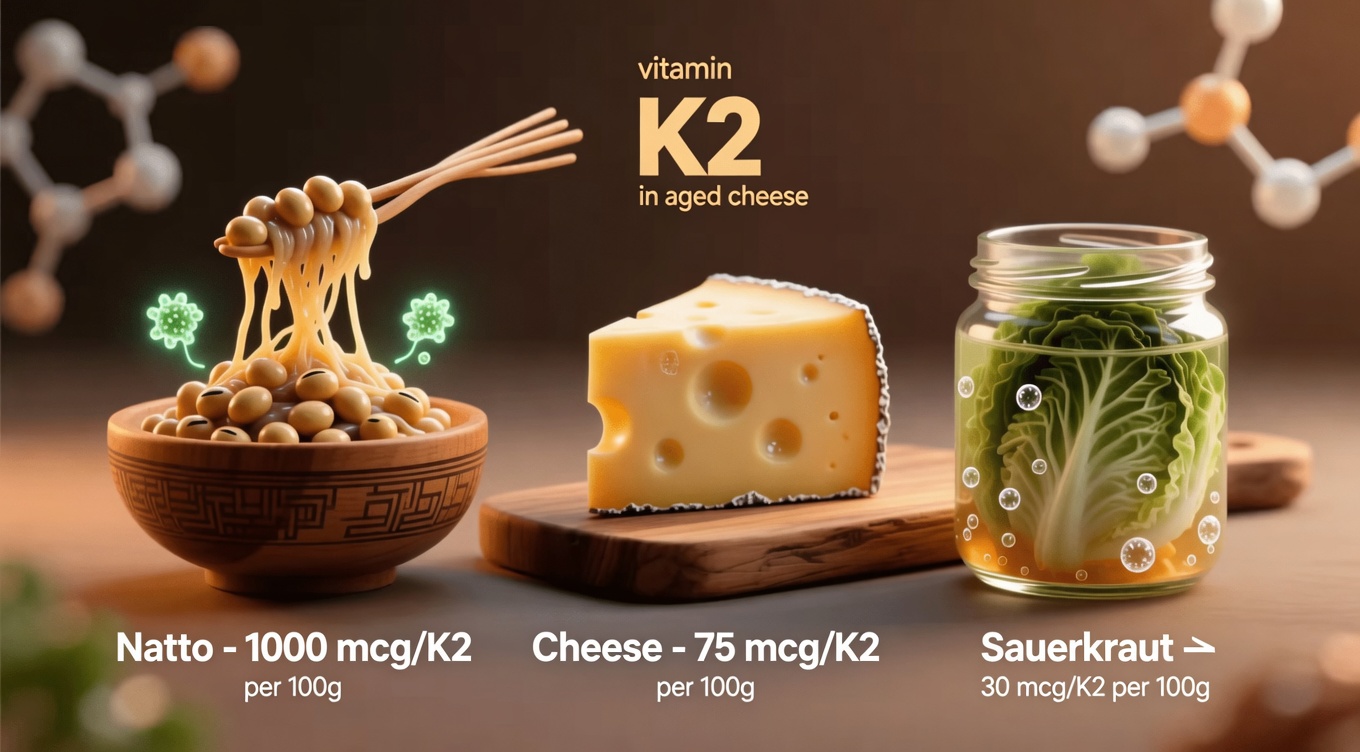
1) Vitamin K2 — Helping Keep Calcium in the Right Place
Vitamin K2 helps activate proteins (including matrix Gla protein) that may reduce the likelihood of calcium depositing in artery walls. Higher K2 intake has been associated in observational research with less arterial calcification and improved cardiovascular outcomes.
- How it may support arteries: Encourages calcium to go where it’s needed (bones) rather than accumulating in soft tissues, supporting arterial flexibility.
- Top food sources: Natto, fermented foods, certain aged/fermented cheeses, grass-fed dairy.
- Typical target: About 90–120 mcg/day (food and/or supplements—confirm with a clinician).
- Synergy: Often discussed alongside vitamin D for calcium balance.
2) Vitamin D — Supporting Endothelial Function and Inflammatory Balance
Adequate vitamin D status has been linked in research to better endothelial health and more favorable inflammatory markers. Low vitamin D levels are commonly associated with increased arterial stiffness and higher cardiovascular risk indicators.
- How it may support arteries: Helps regulate immune responses, supports vessel relaxation, and contributes to overall cardiovascular function.
- Top food sources: Sun exposure, salmon and other fatty fish, fortified foods.
- Typical target: 600–800 IU/day, though many people need individualized dosing based on blood tests.
- Synergy: Pairing vitamin D + K2 is often recommended to support healthy calcium handling.
3) Vitamin C — Strengthening Vessel Structure and Supporting Healthy Dilation
Vitamin C is a well-known antioxidant and is also essential for collagen production, which helps maintain the structure of blood vessel walls. Research suggests it may improve nitric oxide availability, supporting healthy vasodilation—especially in people under higher oxidative stress.
- How it may support arteries: Helps protect against free radical damage, supports vessel lining integrity, and may aid blood flow.
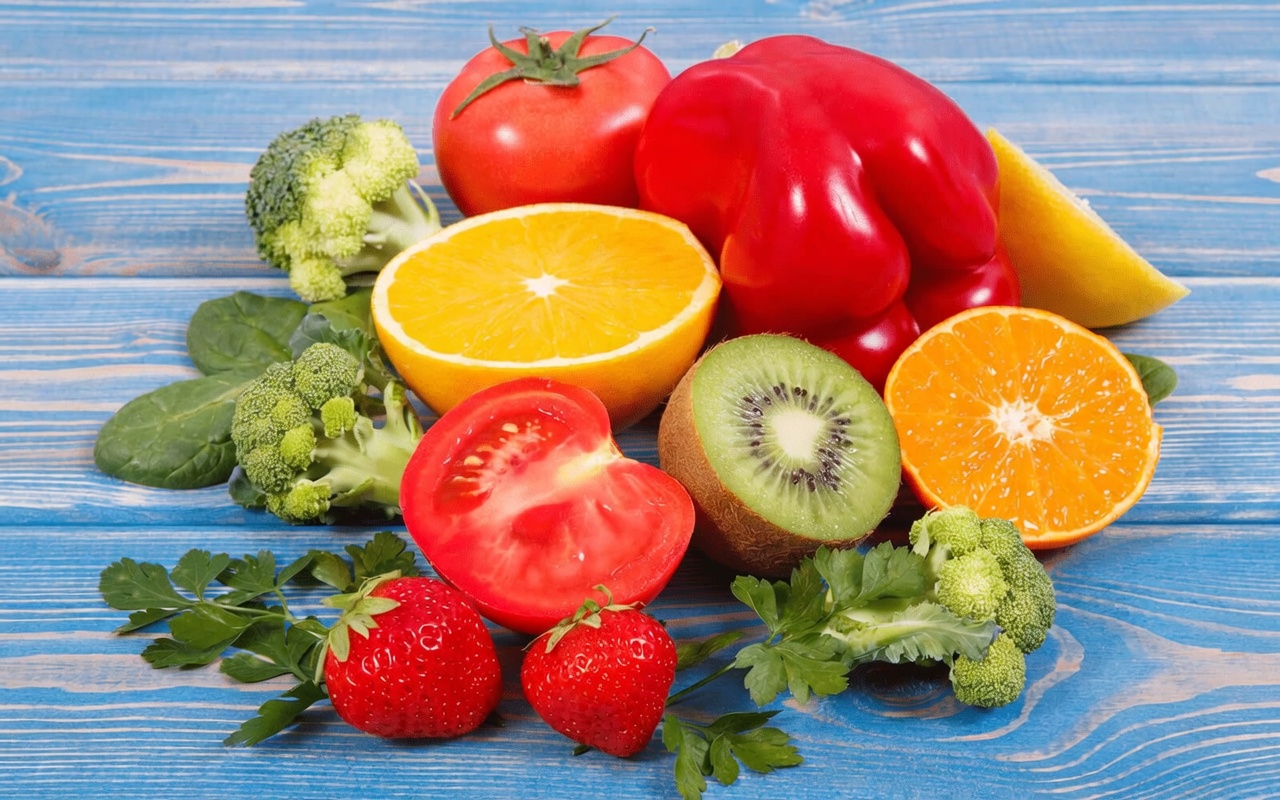
- Top food sources: Citrus fruits, bell peppers, strawberries, broccoli.
- Typical target: 75–90 mg/day (often easy to meet through food).
- Synergy: Works well with vitamin E for antioxidant defense.
4) Vitamin E — Protecting Fats and Cell Membranes From Oxidation
Vitamin E (especially alpha-tocopherol) is a fat-soluble antioxidant that may help protect LDL cholesterol from oxidative damage—an early step involved in plaque formation. It also supports cellular membrane stability and healthy vessel function.
- How it may support arteries: Helps reduce oxidative stress and supports smoother vascular function.
- Top food sources: Almonds, sunflower seeds, spinach, vegetable oils.
- Typical target: Around 15 mg/day.
- Synergy: Vitamin C can help regenerate vitamin E, extending antioxidant activity.
5) Vitamin B3 (Niacin) — Supporting Lipid Balance and Circulation
Niacin plays a role in lipid metabolism and may help support healthier triglyceride and HDL patterns in certain contexts. It can also contribute to blood vessel relaxation, which may influence circulation.
- How it may support arteries: Helps manage lipid profiles that affect vascular health.
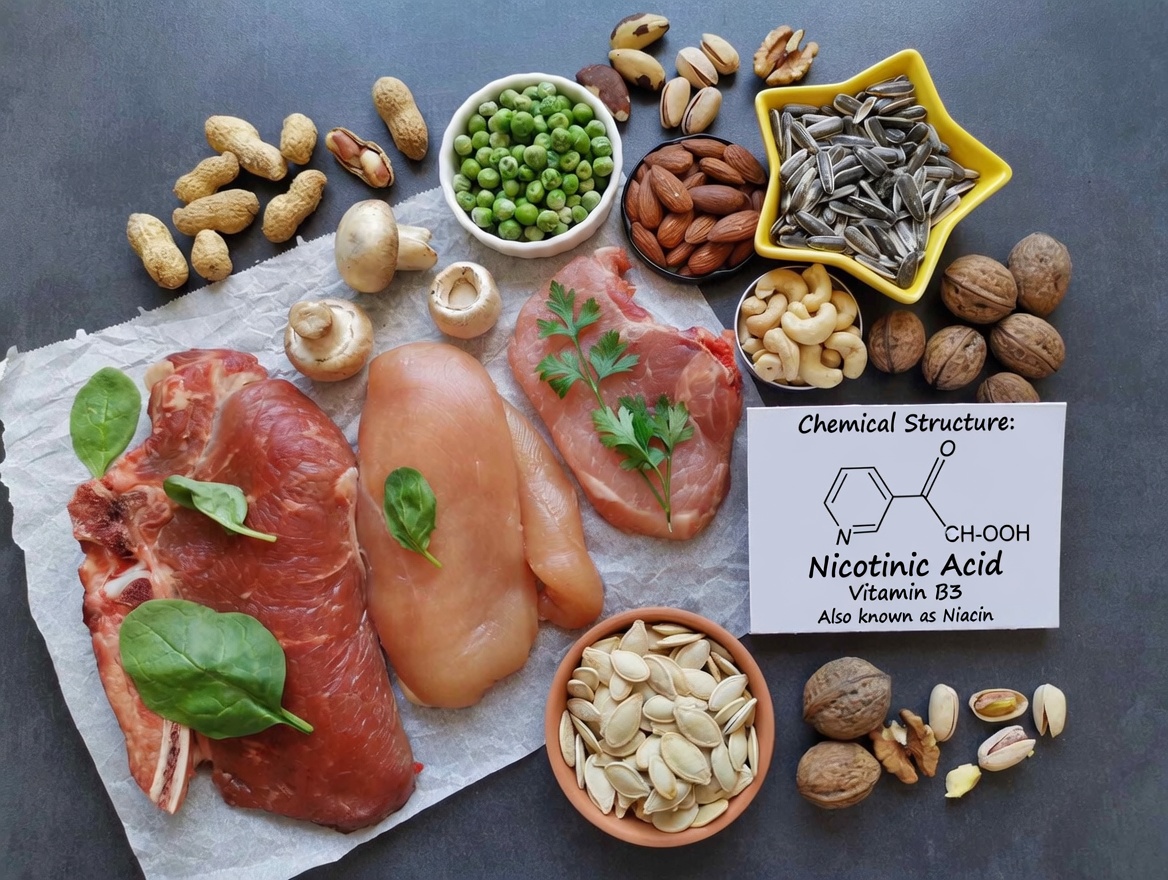
- Top food sources: Poultry, peanuts, mushrooms, tuna.
- Typical target: 14–16 mg/day.
- Important note: High-dose niacin can cause side effects and should only be used under medical supervision.
6) Vitamin B6 — Supporting Healthy Homocysteine Metabolism
Vitamin B6 helps the body process homocysteine, an amino acid that may be linked to vascular stress when elevated. Adequate B6 supports normal metabolism pathways that keep homocysteine in a healthier range.
- How it may support arteries: Supports homocysteine management and overall vascular integrity.
- Top food sources: Bananas, fish, chickpeas, potatoes.
- Typical target: 1.3–1.7 mg/day.
7) Vitamin B12 — Supporting Red Blood Cells and Oxygen Transport
Vitamin B12 works with B6 (and folate) in homocysteine metabolism and is also essential for healthy red blood cell production, which affects oxygen delivery throughout the body. Low B12 is more common in older adults and in plant-based diets without fortified foods.
- How it may support arteries: Supports healthy blood formation and may indirectly support vessel health through oxygen delivery and homocysteine balance.
- Top food sources: Meat, fish, dairy, fortified cereals/plant milks.
- Typical target: 2.4 mcg/day.
Quick Reference: Vitamins for Arterial Support
- Vitamin K2 — Calcium regulation, arterial flexibility — Natto, grass-fed dairy — 90–120 mcg
- Vitamin D — Endothelial support, inflammation balance — Sunlight, fatty fish — 600–800 IU
- Vitamin C — Collagen support, antioxidant defense — Citrus, peppers — 75–90 mg
- Vitamin E — Lipid oxidation protection — Nuts, seeds — 15 mg
- Vitamin B3 (Niacin) — Lipid metabolism support — Poultry, peanuts — 14–16 mg
- Vitamin B6 — Homocysteine metabolism — Bananas, fish — 1.3–1.7 mg
- Vitamin B12 — Red blood cells, oxygen delivery — Meat, fortified foods — 2.4 mcg
Simple, Sustainable Ways to Get More of These Vitamins
Small steps tend to be the most consistent—and consistency is what matters most for long-term vascular support.
- Take 15–20 minutes of morning sunlight when possible (vitamin D), and add a gentle walk to encourage circulation.
- Add bell peppers, citrus, or berries to meals for an easy vitamin C upgrade.
- Snack on nuts or seeds to boost vitamin E.
- Include fatty fish weekly (or choose fortified foods) for vitamin D and B12 support.
- Aim for one new vitamin-rich food per week—steady habits beat drastic changes.
Over time, these changes can support steadier energy and a more resilient circulation-focused lifestyle.
Your Next Step: Build a Heart-Smart Vitamin Routine
Getting these seven vitamins through food (and supplements when appropriate) is a practical way to support arterial health naturally. Pay attention to nutrient pairings that may be especially useful, such as vitamin D with K2 and vitamin C with E. Start with one or two changes you can repeat daily, then expand gradually.
Medical disclaimer: This article is for informational purposes only and is not medical advice. Speak with a qualified healthcare professional before starting new supplements—especially if you have health conditions or take medications.
FAQ
What foods best support arterial health naturally?
Many people benefit from emphasizing leafy greens, fatty fish, nuts and seeds, citrus fruits, and fermented foods, as these can provide multiple vitamins linked to vascular support (including K2, D, C, and E).
Can vitamins replace heart medications?
No. Vitamins can support nutrition and overall cardiovascular wellness, but they do not replace prescribed treatments. Always follow your clinician’s guidance for heart-related concerns.
How can I tell if I’m getting enough of these vitamins?
Testing can help—especially vitamin D and B12. A healthcare provider can recommend appropriate blood tests and interpret results based on your diet, age, medications, and symptoms.