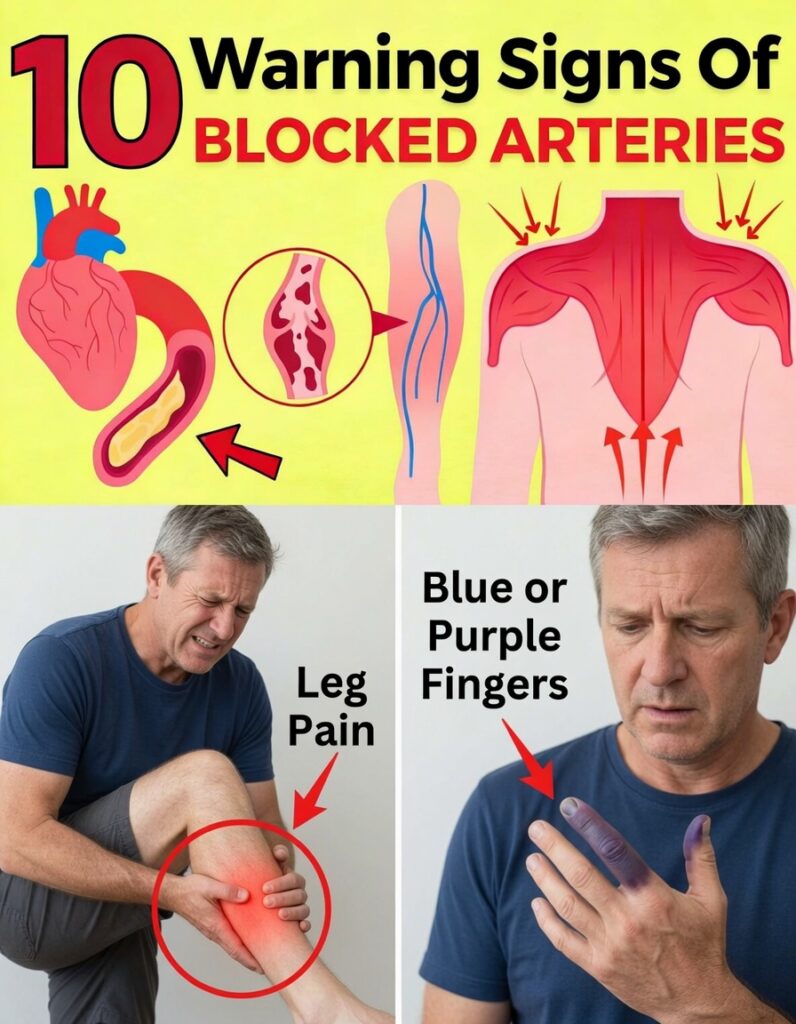
Peripheral artery disease (PAD) affects millions of people—and many don’t realize they have it until bigger problems appear. Subtle changes in the legs and feet are often dismissed as “normal aging” or minor aches, but they can be early signals of reduced blood flow caused by narrowed arteries. Spotting these clues sooner makes it easier to have the right conversation with a healthcare professional at the right time.
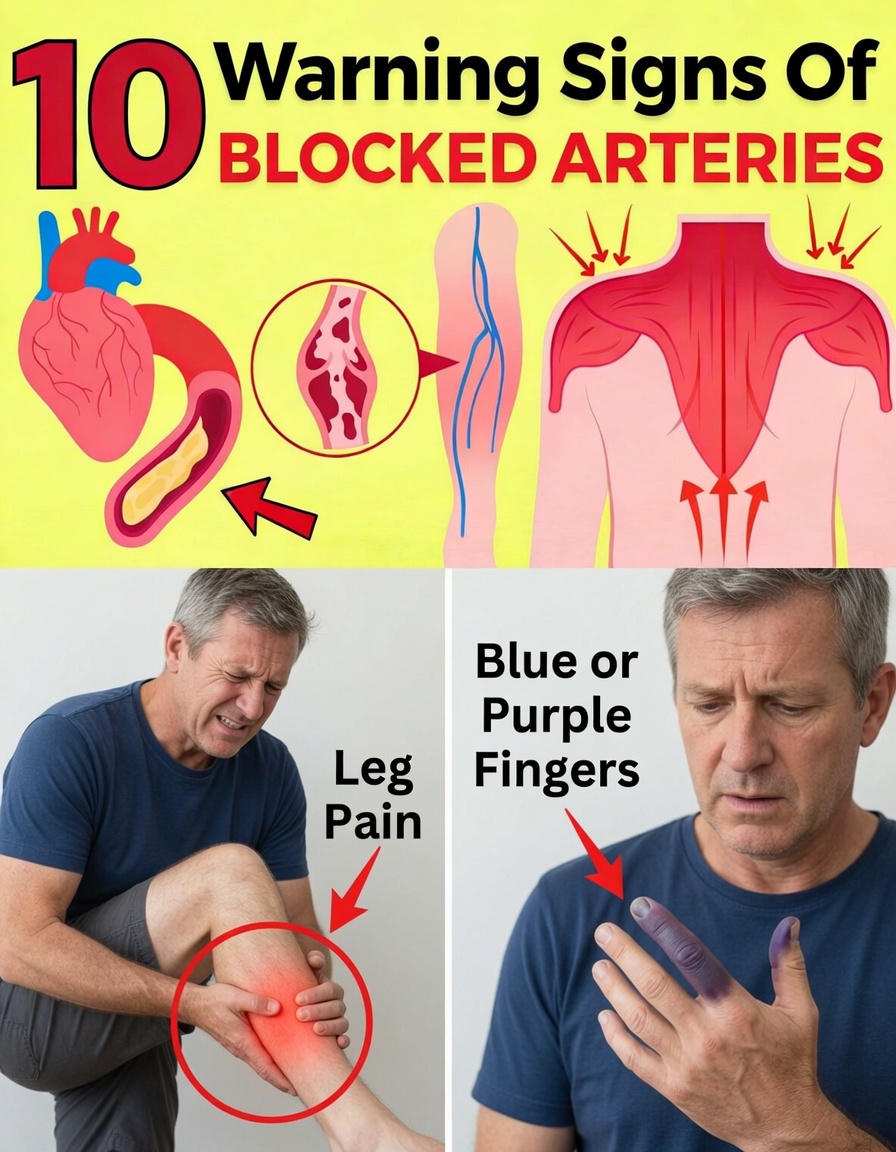
What if those everyday changes are your body’s way of asking you to pay attention? Below are evidence-based warning signs to know, along with practical next steps.
Why Blocked Leg Arteries Become a Quiet Risk After 40
After age 40, plaque can gradually build up inside arteries, making them narrower and limiting circulation to the legs and feet. Research shows PAD becomes increasingly common in older adults—especially after 60—and many cases remain undiagnosed because symptoms can feel mild or get blamed on “just getting older.”
When circulation drops, muscles and tissues receive less oxygen and fewer nutrients—especially during movement. Over time, that can mean more discomfort, slower healing, and increased cardiovascular risk. The encouraging news: awareness plus early medical evaluation can significantly improve outcomes.
Quick self-check: Do your legs feel unusually tired, tight, or uncomfortable during routine walks? Noticing patterns is a strong first step.
Warning Sign #1: Intermittent Claudication (Pain That Starts with Activity and Improves with Rest)
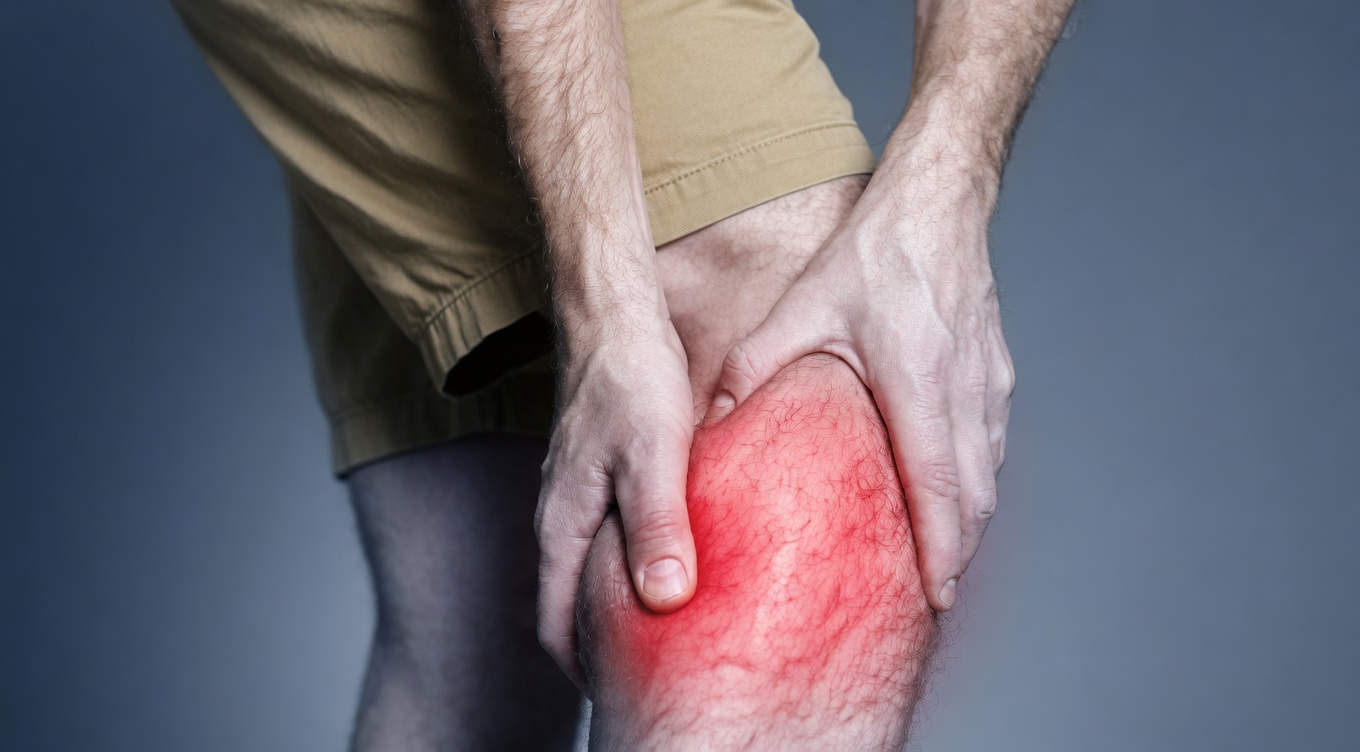
The best-known PAD symptom is cramping, aching, or pain that appears during walking or exercise and eases after resting. It often affects the calves, thighs, or buttocks because active muscles need more oxygen-rich blood—yet narrowed arteries can’t deliver enough.
Medical organizations such as the American Heart Association describe this “start-and-stop” pain pattern as a classic PAD clue. Typically, discomfort settles within minutes of stopping, but returns once activity resumes.
Many people also describe it as tightness, burning, or fatigue that forces them to pause. Tracking how far you can walk before symptoms begin can help your clinician assess severity.
Warning Sign #2: Weak or Missing Pulses in the Feet or Legs
Strong circulation usually produces clear, steady pulses in areas like the top of the foot or behind the knee. If a clinician finds those pulses are faint or absent, it can point to restricted blood flow—even before you notice significant pain.
Healthcare providers may assess pulses during an exam and can use tools such as a Doppler ultrasound to measure flow more precisely. Weak pulses are often an early objective finding.
Note: Self-checking pulses at home can be unreliable; a professional exam is quick and informative.
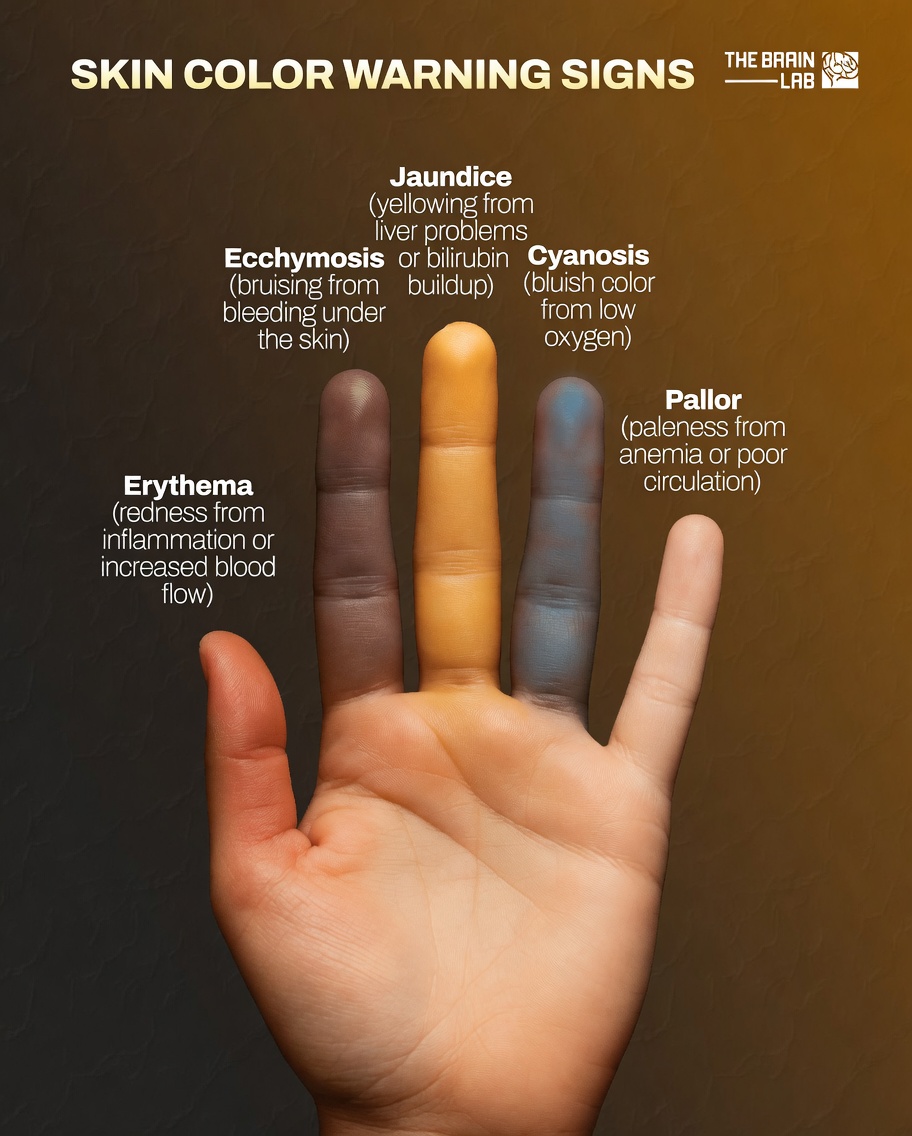
Warning Sign #3: Skin Color Changes and Cooler Temperature in One Foot or Leg
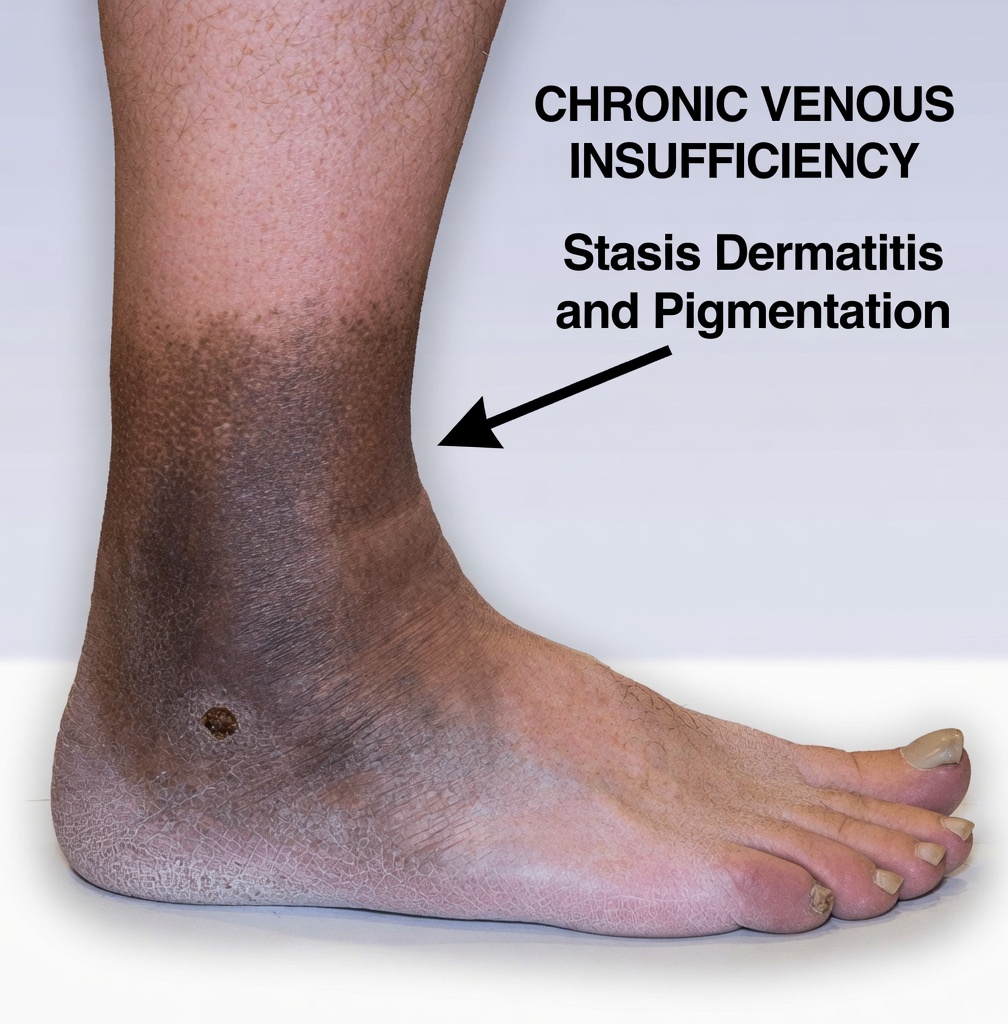
PAD can cause one leg or foot to look paler when elevated or bluish/purplish when hanging down. The affected side may also feel noticeably cooler than the other.
These changes happen because long-term reduced blood supply limits oxygen delivery to skin and underlying tissues. If you consistently see differences between sides—especially in good lighting—don’t ignore them.
Try this: Compare both legs and feet side-by-side. Persistent asymmetry is worth medical attention.
Warning Sign #4: Cuts, Blisters, or Sores That Heal Slowly (or Not at All)
If small wounds on your feet or lower legs take weeks to heal, it may signal inadequate circulation. Healing requires oxygen, nutrients, and immune support—resources that arrive through healthy blood flow.
This is especially important for people with diabetes, where nerve and circulation issues can overlap and raise the risk of complications. Major health organizations emphasize that slow-healing lower-extremity wounds should be evaluated promptly.
Rule of thumb: Any sore lasting longer than two weeks deserves a call to your provider.
Mid-Article Check-In
Take a moment to reflect:
- How many warning signs have been covered so far? (4)
- Which one sounds most familiar?
- What do you expect the next sign might be?
- On a scale of 1–10, how comfortable do your legs feel right now?
Warning Sign #5: Shiny Skin and Loss of Leg Hair
PAD can reduce nourishment to the skin and hair follicles, leading to thinning or loss of hair below the knee and skin that looks unusually smooth or shiny.
This change often becomes easier to spot when you compare both legs. Vascular studies commonly report these skin and hair changes in moderate PAD.
Warning Sign #6: Erectile Dysfunction in Men (Sometimes an Early Systemic Clue)
In men, new or worsening erectile dysfunction can be an early warning sign of broader artery narrowing. Smaller pelvic blood vessels may show reduced flow before leg symptoms become obvious.
Medical literature links erectile dysfunction with underlying vascular disease, and for some men it becomes the first reason they seek a cardiovascular or vascular evaluation. It’s best viewed as a whole-body circulation signal, not an isolated issue.
Warning Sign #7: Numbness, Tingling, or Persistent Leg Weakness
Reduced circulation over time can affect muscles and nerves, leading to sensations such as:
- Numbness
- Tingling
- Heaviness
- Ongoing weakness or “rubbery” legs (sometimes even at rest)
If these feelings persist—especially when combined with other signs—professional evaluation is important.
Self-rating: If unusual sensations are frequent or worsening, don’t wait for them to “go away on their own.”
The 7 PAD Warning Signs (Quick Overview)
- Pain with walking that improves with rest (intermittent claudication) — oxygen demand exceeds supply
- Weak or absent pulses in feet/legs — circulation may be significantly restricted
- Color changes and cooler skin temperature — chronic low oxygen delivery
- Slow-healing sores or wounds — reduced nutrients and immune support reaching tissue
- Shiny, smooth skin and hair loss — follicles and skin undernourished
- Erectile dysfunction in men — smaller arteries may show disease earlier
- Numbness, tingling, heaviness, or weakness — nerve/muscle effects from reduced blood flow
Practical Steps You Can Take Today
Only a qualified healthcare professional can diagnose PAD and recommend treatment, but these general habits can support leg and vascular health:
- Move regularly (and gently): Structured or supervised walking programs may help the body develop improved circulation over time.
- Protect and monitor your feet: Keep skin clean, moisturized, and protected to prevent minor injuries from escalating.
- Avoid smoking: Smoking is one of the strongest modifiable drivers of PAD progression.
- Rest smart: Elevating the legs can help with swelling in some cases—ask your clinician if this is appropriate for you.
Key Takeaway: Pay Attention to Your Legs—Early Action Matters
These signs often appear together because PAD is part of broader vascular health. Reduced circulation in the legs can also reflect artery changes elsewhere in the body, so addressing symptoms early supports overall well-being and mobility.
One simple action to take now: Schedule a check-up and describe any signs you’ve noticed. A quick, non-invasive test called the Ankle-Brachial Index (ABI) compares blood pressure in the arms and ankles and can provide valuable early insight.
Frequently Asked Questions
What is the most common early sign of PAD?
The most common early symptom is leg cramping or pain during walking that improves with rest, known as intermittent claudication.
Can PAD exist without leg pain?
Yes. Many people have little or no pain but may still show signs such as weak pulses, skin changes, or slow-healing wounds.
How is PAD often detected early?
A common early screening tool is the Ankle-Brachial Index (ABI), a fast and painless comparison of blood pressure in the arms versus the ankles.
Medical Disclaimer
This article is for informational purposes only and does not replace professional medical advice. If you notice any of these signs—especially non-healing wounds, pain at rest, or sudden changes in color/temperature—seek medical care promptly. Early evaluation can help protect your health and mobility.