Heart attacks don’t always look like the dramatic, sudden collapse portrayed in films. In real life, early heart attack symptoms can be quiet, confusing, and easy to dismiss as stress, aging, indigestion, or a minor illness. The problem is that these subtle warning signs may show up hours, days, or even weeks before a major cardiac event—so ignoring them can waste the most valuable resource in emergency care: time.
The encouraging news is that learning to recognize the signs can lead to faster treatment and better outcomes. And one key point matters more than many people realize: women, older adults, and people with diabetes often experience “atypical” symptoms, not the classic crushing chest pain.
What Happens During a Heart Attack?
A heart attack (myocardial infarction) occurs when blood flow to part of the heart muscle is blocked—most often by a clot in a coronary artery. When oxygen-rich blood can’t reach the tissue, the affected heart muscle begins to die.
Although severe chest pain is the best-known symptom, medical sources such as the American Heart Association and Mayo Clinic describe how many people—especially women, seniors, and those with diabetes—may have milder, unusual, or easily misread symptoms.
Research suggests that roughly 22% to 60% of heart attacks may be “silent” or subtle enough that people don’t immediately connect them to the heart. Spotting early signals can be life-saving.
1) Extreme Fatigue or Unusual Tiredness
If you feel deeply exhausted without a clear reason—so tired that everyday tasks feel unusually difficult—take notice. This is not typical end-of-day tiredness; it can feel like your energy has been “drained,” and it may persist for days.
This type of fatigue is frequently reported as an early warning sign, particularly in women. When the heart is under stress and blood flow is reduced, the body must work harder to do the same activities, which can create overwhelming tiredness.
2) Shortness of Breath With Minimal Effort
Be alert if you suddenly feel winded while resting, or if small efforts—such as walking across a room or climbing a few steps—leave you breathless. Many people mistakenly blame anxiety, poor fitness, or allergies.
In reality, shortness of breath can occur when the heart isn’t pumping efficiently, which may lead to fluid buildup in the lungs. The American Heart Association notes that this symptom can appear with or without chest discomfort, and it becomes especially concerning if it starts abruptly or worsens quickly.
3) Sudden Weakness, Lightheadedness, or Dizziness
Unexpected dizziness, a spinning sensation, heavy limbs, or sudden weakness can mean the brain and muscles aren’t receiving enough oxygenated blood. You may feel as though you need to sit or lie down immediately.
These sensations are often brushed off as dehydration, low blood sugar, or standing up too quickly—but if they occur alongside other possible heart attack signs, they deserve urgent attention.
4) Cold Sweats and Nausea
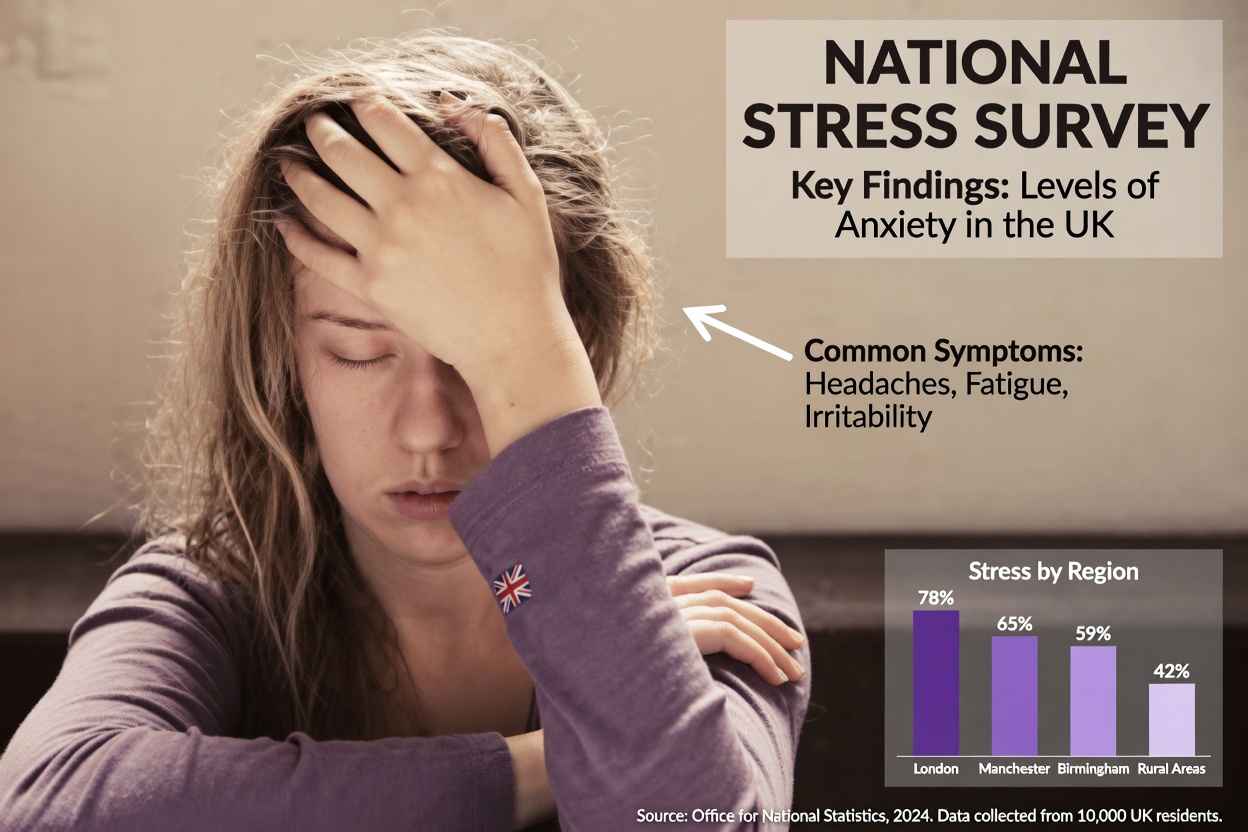
A sudden cold, clammy sweat—especially when paired with nausea, vomiting, or stomach upset—can be linked to a cardiac event. It’s easy to confuse this with food poisoning or a stomach bug.
Clinicians at Mayo Clinic emphasize that women may experience these symptoms even without chest pain. In some cases, changes in blood pressure during a heart event contribute to sweating and nausea.
5) Flu-Like Feelings or General Malaise
Some people describe an odd “coming-down-with-something” sensation: body aches, discomfort, and feeling unwell, often without a true fever. It may resemble a mild flu, but something feels off.
These vague symptoms are frequently ignored. However, evidence suggests they can appear in the days leading up to a heart attack—especially when combined with fatigue or breathlessness.
6) Mild Chest Pressure, Tightness, or Heaviness
Chest symptoms are not always sharp or extreme. Many people report pressure, fullness, squeezing, or heaviness in the center or left side of the chest. It may come and go, last a few minutes, or be mistaken for indigestion.
This is an important takeaway: even mild or intermittent chest pressure can be serious and should be evaluated, particularly if it’s new, unusual, or worsening.
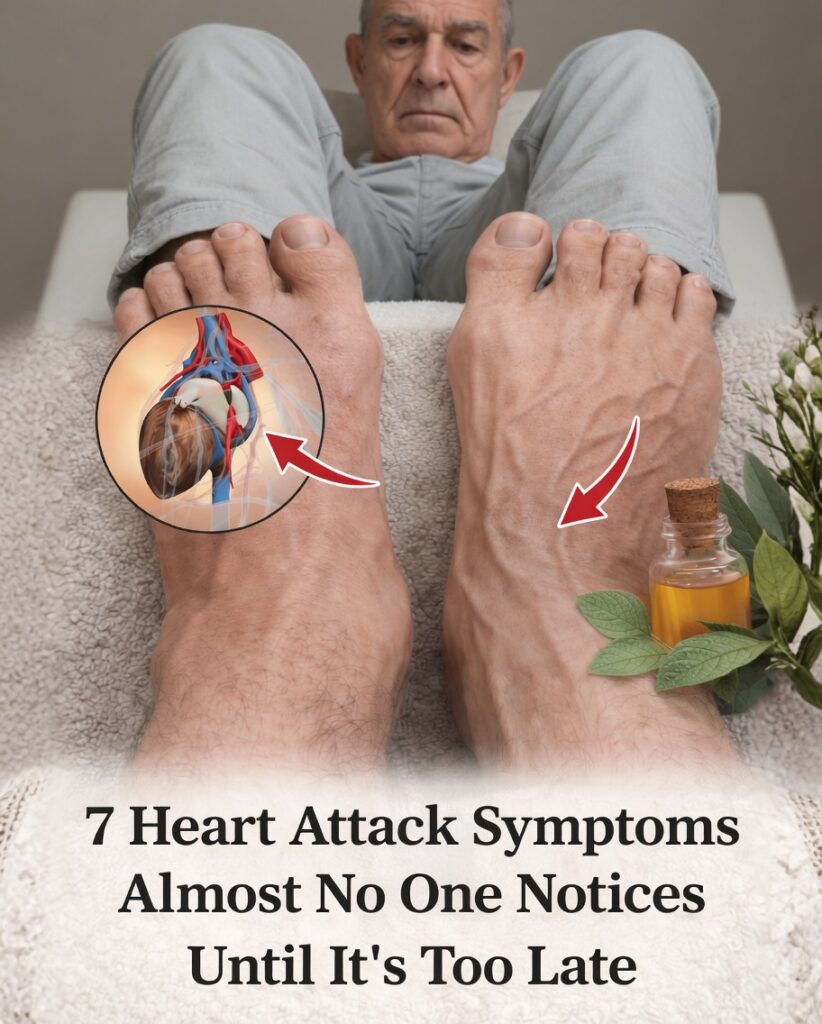
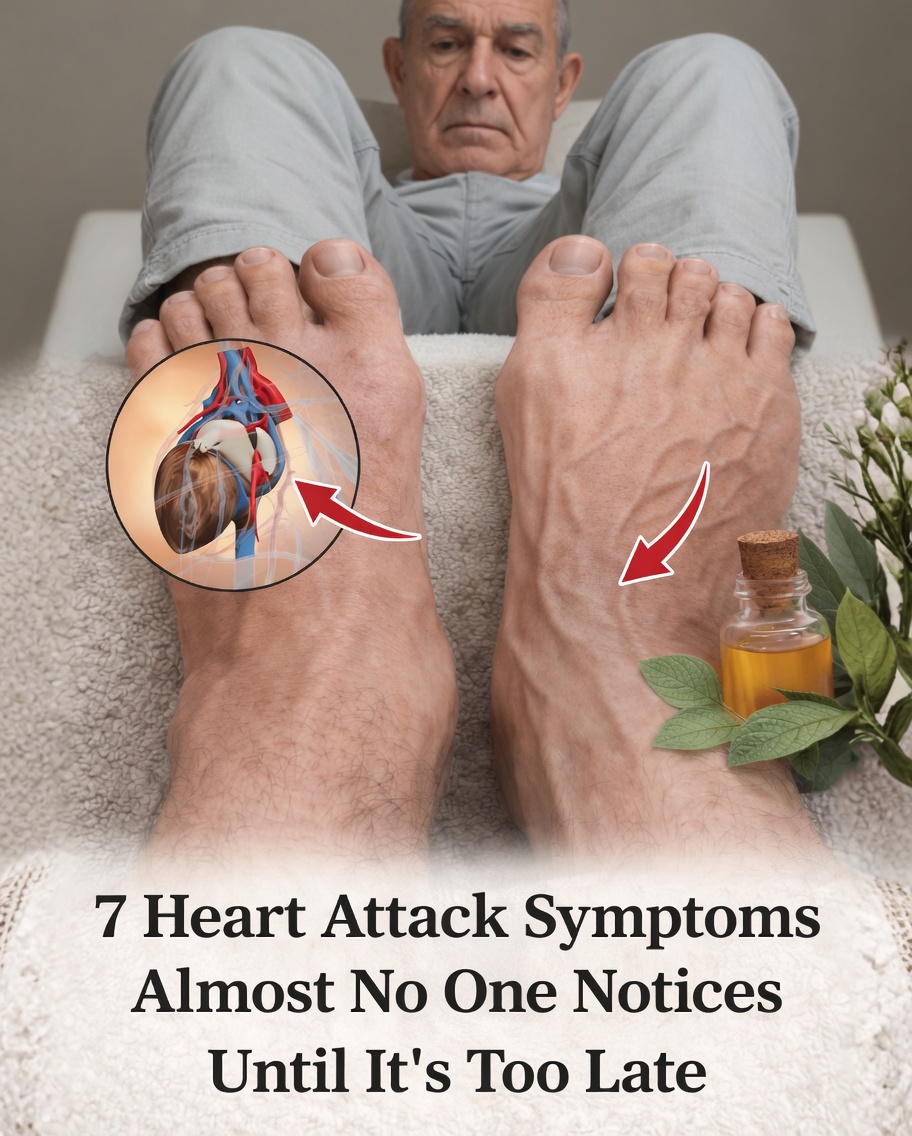
7) Unexplained Swelling in the Legs, Ankles, or Feet
New or increasing swelling in the lower body can be a sign that the heart is struggling to circulate blood effectively, leading to fluid retention.
Swelling can have many causes (diet, long periods of standing, certain medications), but when it appears alongside other warning signs, it’s wise to seek medical assessment promptly.

Why These Heart Attack Symptoms Are Often Missed
Many early heart attack signs look like common daily problems: stress, reflux, fatigue, the flu, or “just getting older.” This is one reason treatment is often delayed.
Certain groups are at higher risk of being overlooked:
- Women may be more likely to experience fatigue, nausea, shortness of breath, or back/jaw discomfort instead of severe chest pain.
- Older adults can present with less typical symptoms.
- People with diabetes may have altered nerve signaling and feel fewer classic warning signs.
Delaying care reduces the effectiveness of time-sensitive treatments. Awareness, however, can significantly improve outcomes.
Typical vs. Subtle Heart Attack Warning Signs
More “typical” symptoms (often reported by men):
- Severe, crushing chest pain
- Pain radiating to the left arm or jaw
- Strong pressure lasting more than a few minutes
Subtle/atypical symptoms (more common in women and certain groups):
- Unusual fatigue
- Shortness of breath at rest or with mild activity
- Nausea and cold sweats
- Mild or intermittent chest discomfort
- Flu-like malaise
- Dizziness or lightheadedness
- Swelling in legs/ankles/feet
Knowing these patterns can help you act sooner.
When to Get Emergency Help Immediately
Do not wait to see if symptoms fade. Call emergency services right away if you notice:
- Chest discomfort (pressure, tightness, heaviness) lasting more than a few minutes or returning repeatedly
- Severe or worsening shortness of breath
- Sudden dizziness, fainting, or near-fainting
- Cold sweats with nausea or vomiting
- Discomfort spreading to the arms, neck, jaw, back, or stomach
Even a single symptom—especially if it is sudden, intense, new, or combined with others—should be treated as a medical emergency.
Practical Ways to Reduce Heart Attack Risk Starting Now
You can’t control every factor, but these evidence-based habits can meaningfully lower risk:
- Get at least 150 minutes per week of moderate activity (such as brisk walking)
- Choose a heart-supportive diet rich in vegetables, fruits, whole grains, lean proteins, and healthy fats
- Work with your clinician to manage blood pressure, cholesterol, and blood sugar
- Stop smoking (cessation support can greatly increase success rates)
- Book regular health checks, especially if you have risk factors like high blood pressure, diabetes, or a family history of heart disease
Consistent small changes can build long-term protection.
Listen to Your Body—Small Signs Can Carry Big Meaning
Those subtle “something isn’t right” moments aren’t always harmless. Recognizing early heart attack symptoms and responding quickly can improve the odds of a better outcome. Heart health is not about panic—it’s about informed action.
FAQ
What is a silent heart attack?
A silent heart attack causes no obvious symptoms—or only mild ones that people don’t connect to the heart. Despite the lack of dramatic warning signs, it can still damage heart muscle and may be more common than many expect, especially among women and people with diabetes.
Are heart attack symptoms different for women?
Often, yes. Women are more likely to experience atypical heart attack symptoms such as extreme fatigue, nausea, shortness of breath, or discomfort in the back or jaw rather than intense chest pain. That difference is a major reason symptoms can be missed.
Can subtle heart attack signs appear days before the event?
Yes. Some warning signs—like unusual fatigue, mild chest pressure, or breathlessness—may show up days or even weeks in advance. Recognizing them can create a valuable window for early medical care.
Disclaimer
This article is for informational purposes only and is not a substitute for professional medical advice. If you suspect heart-related symptoms, seek immediate medical attention. Always consult a qualified healthcare provider for personalized guidance.