Many people look to common kitchen spices for easy, low-cost ways to support daily wellness. Cloves are one of the most talked-about options online—often with bold claims that “just two cloves a day” can transform how you feel. Cloves do contain well-studied compounds (especially eugenol) and have a long history in traditional use, but the real-world effects are typically more subtle than viral headlines suggest.
Cloves can offer meaningful nutritional and bioactive support, yet daily use—such as eating two whole cloves every day—may bring both benefits and drawbacks, depending on your health status, medications, and tolerance. Below is a science-informed look at what may happen, what to watch for, and how to use cloves more safely and sensibly.

Why Cloves Are Popular in Wellness Discussions
Cloves are the dried flower buds of Syzygium aromaticum. They’re intensely aromatic because they contain high levels of bioactive compounds—most notably eugenol, which makes up a large share of clove essential oil and contributes to cloves’ signature warm flavor.
A key reason cloves get attention is their antioxidant capacity. Research summaries (including those referenced by major scientific and health institutions) note that cloves are rich in polyphenols and other antioxidant compounds. Antioxidants help counter free radicals, which are unstable molecules associated with oxidative stress over time.
That said, an important nuance often gets missed: many studies investigate extracts, essential oil components, or controlled doses—not necessarily the daily habit of chewing whole cloves. In normal food use, cloves are widely considered safe; in the U.S., they are generally recognized as safe (GRAS) when used in typical culinary amounts.
Potential Benefits of Eating Two Cloves a Day
If you add a small amount of clove—such as 1–2 whole cloves daily—you may notice mild, supportive effects. Evidence varies, and outcomes depend on the person and the form used, but early and indirect research suggests several possible advantages.
-
Antioxidant support
- Cloves contain eugenol and polyphenols that can help neutralize free radicals, potentially supporting long-term cellular health.
-
Inflammation response
- In laboratory and animal research, eugenol has demonstrated anti-inflammatory activity. Human evidence is still developing, so expectations should remain realistic.
-
Oral health and fresher breath
- Cloves have a long tradition of use for mouth freshness. Studies suggest eugenol has antimicrobial properties, which may help reduce certain oral bacteria and support minor mouth comfort.
-
Blood sugar considerations
- Small human studies using clove-related preparations (often extracts) have reported modest changes in post-meal blood sugar in some participants, including those with normal or borderline glucose levels. Results are not consistent enough to treat this as a guaranteed effect.
-
Liver-protection signals (mostly preclinical)
- Some animal studies explore eugenol in models of liver stress, suggesting potential protective mechanisms at certain doses. These findings do not mean high intake is beneficial—and they do not automatically translate to humans.
The Other Side: What “Irreversible” or Strong Changes Often Refer To
For most healthy adults, small culinary amounts are well tolerated. However, daily intake of two cloves—especially if chewed raw every day or combined with other concentrated clove products—may affect people differently. Online claims about “irreversible changes” typically exaggerate rare outcomes and often confuse whole cloves with clove oil, which is far more concentrated and has a documented risk profile when misused.
Potential concerns associated with higher or consistent eugenol exposure include:
-
Blood-thinning potential
- Eugenol may influence platelet function and clotting. If you take anticoagulants/antiplatelet medications (such as warfarin) or have a bleeding disorder, regular clove use could increase bleeding risk.
-
Low blood sugar risk (in sensitive individuals)
- If you use diabetes medications or have tightly managed glucose, cloves may add to glucose-lowering effects for some people, potentially contributing to hypoglycemia.
-
Digestive irritation
- The strong aromatic compounds in cloves can cause heartburn, nausea, stomach irritation, or discomfort, especially when taken on an empty stomach.
-
Allergic reactions
- Rare, but possible—ranging from irritation to more significant responses in sensitive individuals.
-
Liver strain at high doses (especially from clove oil)
- Toxicology reports and case documentation link high-dose eugenol exposure—most commonly from ingesting clove oil—to serious adverse effects, including liver injury. Whole cloves in normal dietary amounts rarely reach those levels, but concentrated products raise the risk significantly.
In short, the dramatic warnings are usually about excessive or concentrated intake, not moderate culinary use. Still, even moderate daily habits can be a poor fit for certain people based on medications and underlying conditions.
How to Use Cloves More Safely (If You Want to Try Daily Intake)
If you’re experimenting with two cloves a day, approach it like any other dietary change: start small, keep it consistent, and pay attention to your body.
-
Choose whole cloves
- Whole dried buds make it easier to control intake compared with oils or high-dose supplements.
-
Start with one clove
- Test tolerance for several days before increasing to two.
-
Simple ways to take cloves
- Chew gently after meals (often preferred for oral freshness).
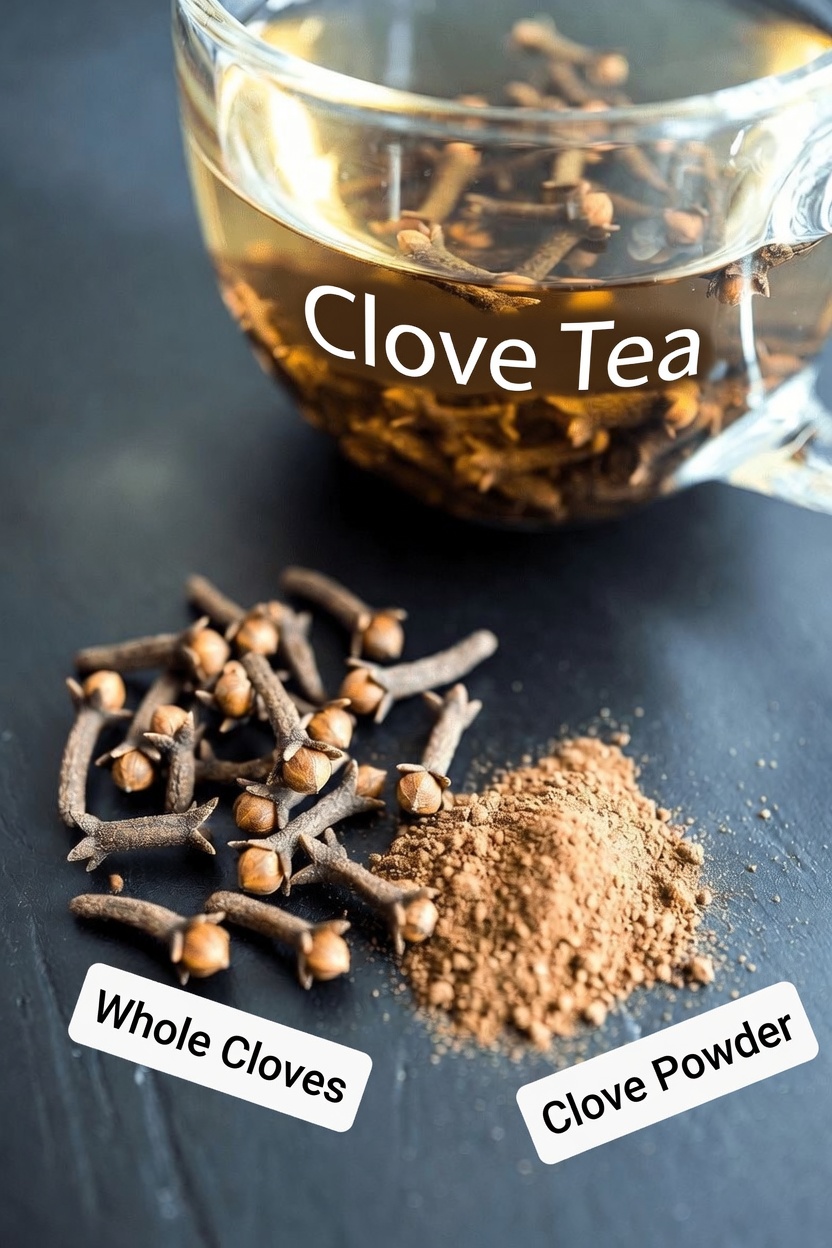
- Steep in hot water for a mild clove tea.
- Add to cooking: rice, soups, stews, baked goods, or spice blends.
-
Monitor for unwanted effects
- Watch for changes such as stomach upset, dizziness, unusual bruising/bleeding, or symptoms of low blood sugar.
-
Check with a clinician if you have risks
- Speak with a healthcare professional first if you have diabetes, liver concerns, bleeding disorders, are pregnant, or take medications (especially blood thinners or glucose-lowering drugs).

Whole Cloves vs. Other Forms: What’s the Safest Option?
-
Whole cloves
- Typically the mildest approach and easiest to keep within culinary-level amounts.
-
Ground cloves
- Convenient for recipes; potency is similar to whole cloves by weight, but it’s easier to overuse because it blends in.
-
Clove tea
- Usually more diluted, often a gentler way to introduce clove compounds.
-
Clove oil
- Highly concentrated and more likely to cause toxicity if swallowed without professional guidance. Avoid ingesting clove oil casually.
Conclusion: A Practical, Balanced Take on Two Cloves a Day
Eating two cloves daily can add small amounts of beneficial compounds—especially eugenol—that are linked in research to antioxidant activity and inflammation-related pathways. Some people may notice mild improvements such as fresher breath or general wellness support. However, cloves are not a cure-all, and regular intake may be inappropriate for individuals at risk of bleeding, hypoglycemia, digestive irritation, or those using certain medications.
The best approach is moderation, awareness, and personalization. Used sensibly as part of a varied diet, cloves can be a flavorful addition without turning into an avoidable health risk.
Frequently Asked Questions
Is it safe to eat cloves every day?
For most healthy adults, 1–2 whole cloves per day in a culinary context is generally considered safe. Higher amounts or concentrated forms (especially clove oil) carry more risk. If you have medical conditions or take medications, consult a clinician.
Can cloves interact with medications?
Yes. Potential interactions are most relevant for blood thinners/antiplatelet drugs and diabetes medications, due to possible effects on clotting and blood sugar.
What should I do if I feel side effects?
Stop using cloves and seek medical advice if you notice digestive pain, heartburn, unusual bleeding/bruising, or symptoms that suggest low blood sugar. Starting with a smaller amount can help assess tolerance.
Disclaimer
This article is for informational purposes only and does not provide medical advice. Individual responses to cloves vary. Consult a qualified healthcare professional before changing your diet or routine, especially if you have health conditions or take medications. Do not use cloves to self-treat any condition.