Heel Pain: Common Causes, Warning Signs, and Practical Ways to Feel Better
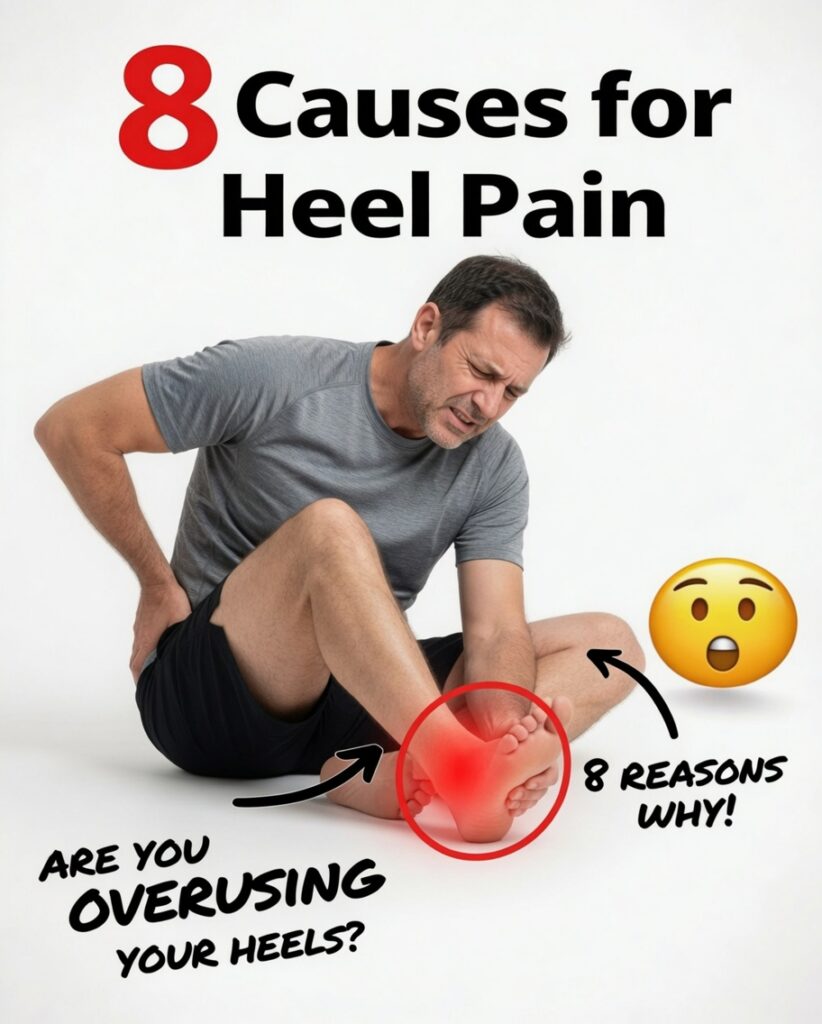
Heel pain can affect anyone—and when it does, even a short walk can become uncomfortable. Some people feel a sharp, stabbing sensation with the first steps in the morning, while others notice a dull ache that gradually worsens throughout the day. In many cases, the problem comes from daily routines, repetitive strain, or foot mechanics that overload the calcaneus (the heel bone, and the largest bone in the foot).
The encouraging part: once you understand the most frequent triggers of heel pain, you can make simple, effective changes to reduce soreness and move more comfortably.
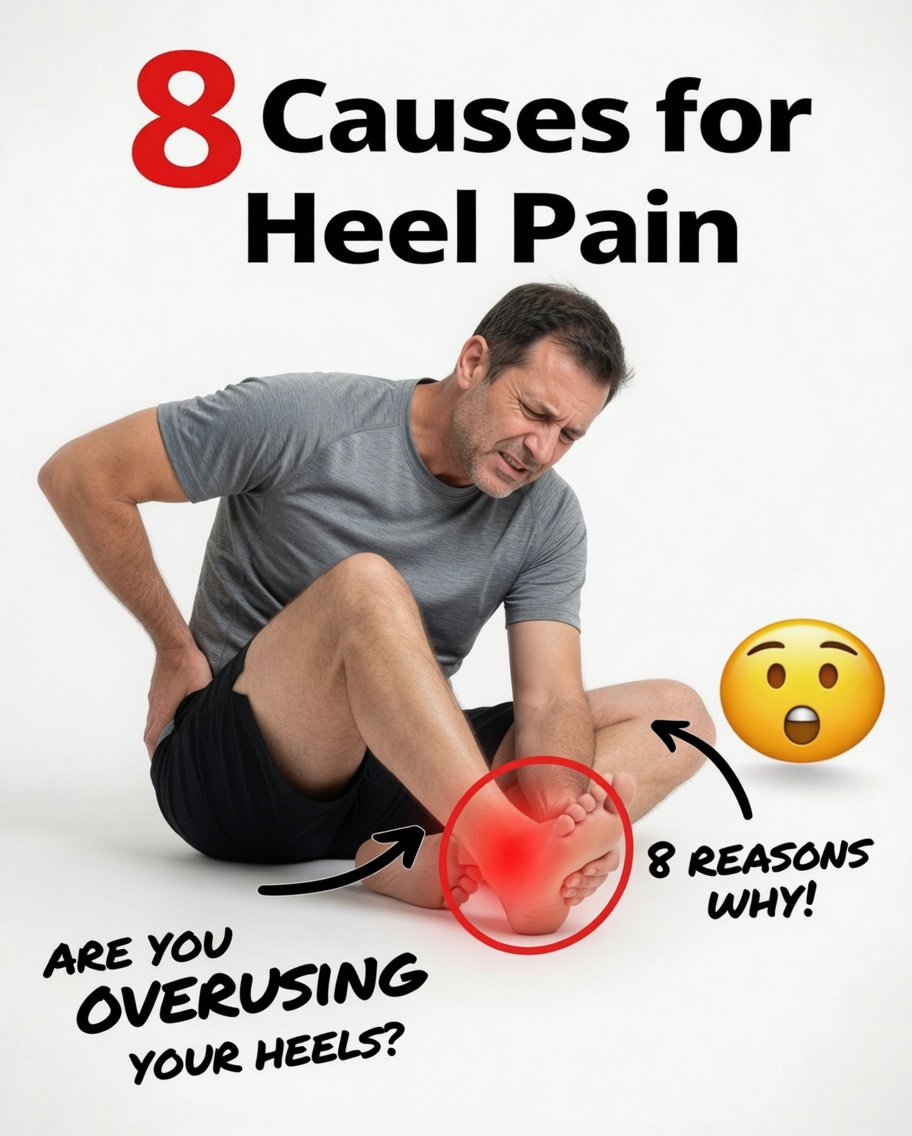
What Is Heel Pain—and Why Does It Start?
Your heel is built to absorb impact and support body weight with every step. When the tissues around it—such as tendons, fascia, or small cushioning sacs—become inflamed or overstressed, pain may appear suddenly or develop over time.
Medical sources including the Mayo Clinic note that heel pain is extremely common and is often related to lifestyle and overuse rather than a single dramatic injury. Catching patterns early can help prevent the issue from turning chronic.
1. Plantar Fasciitis (The Most Common Cause)
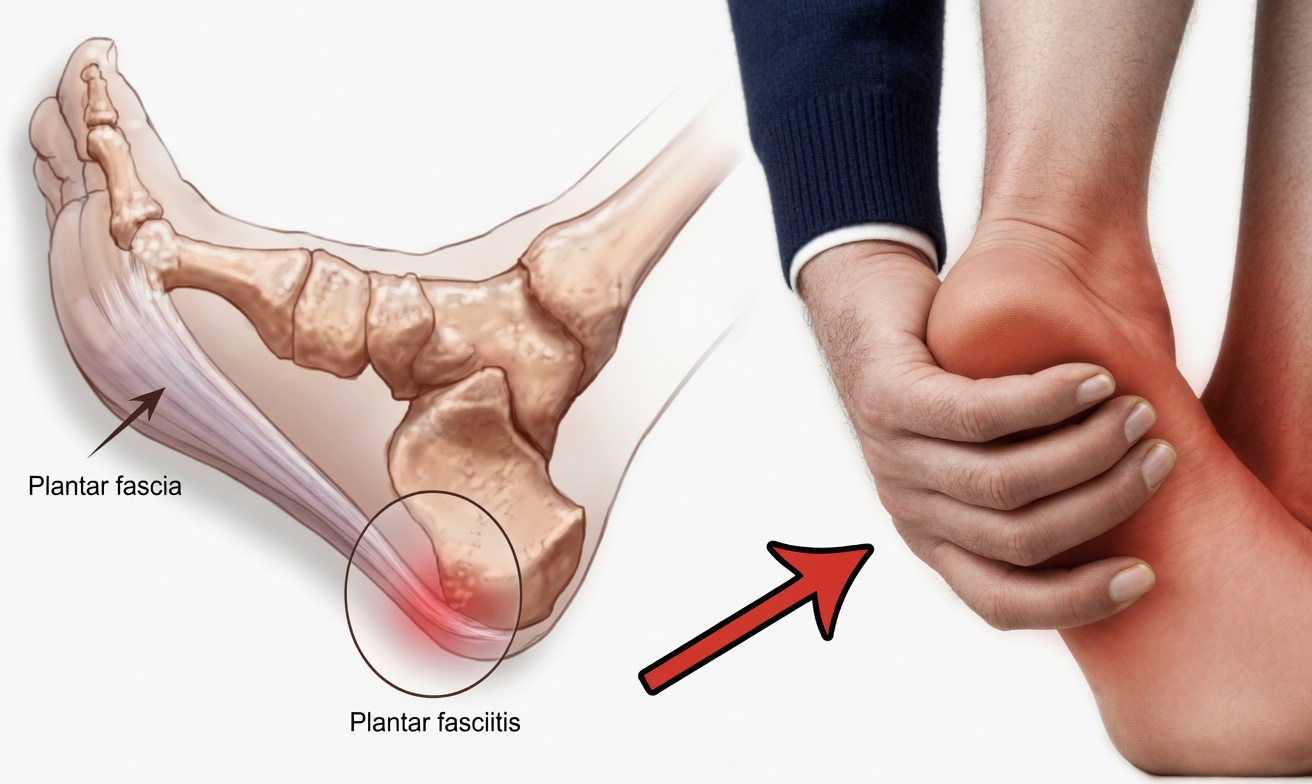
Plantar fasciitis is the leading reason adults develop heel pain. It involves irritation of the plantar fascia, a thick band of connective tissue that runs from the heel to the toes and helps support the arch.
Typical symptoms
- Sharp, stabbing pain under the heel
- Worse with the first steps after sleep or after sitting
- May ease after walking a bit, then return after long standing or activity
Common contributors
- Long periods of standing (especially on hard floors)
- Running or jumping without enough recovery
- Tight calves
- Flat feet or very high arches
- Shoes with poor support or worn-out cushioning
- Higher body weight increasing heel load
Many people improve with basic interventions—but regular consistency matters more than occasional effort.
2. Achilles Tendinitis (Pain Behind the Heel)
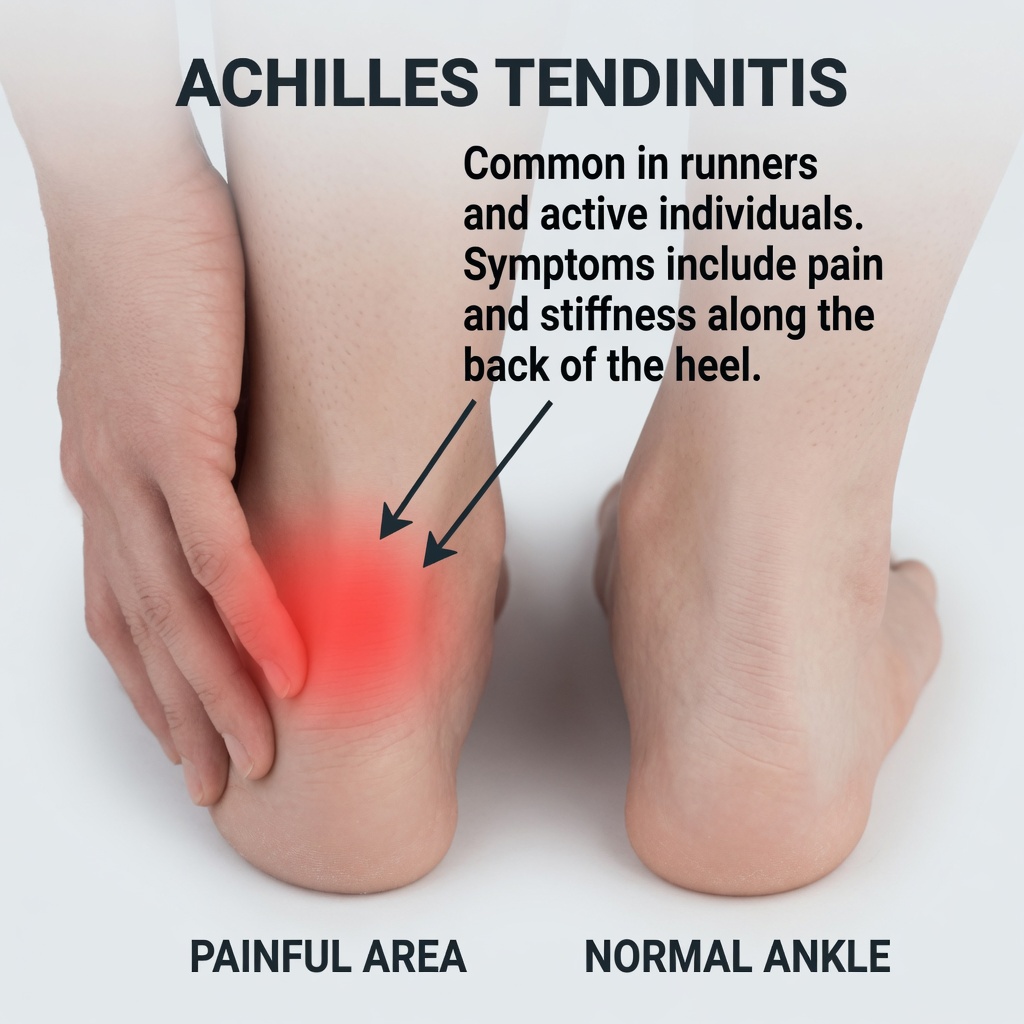
Achilles tendinitis affects the Achilles tendon, which connects the calf muscles to the heel bone. Repetitive stress can irritate the tendon over time.
Typical symptoms
- Ache, stiffness, or tenderness at the back of the heel or lower calf
- Pain that increases with stairs, running, or pushing off the foot
- Possible swelling when irritation becomes more intense
Common contributors
- Rapid jump in training volume or intensity
- Tight calf muscles
- Sports involving running and jumping
- Poor warm-up habits
- Shoes that fit poorly or don’t support the heel well
Evidence consistently supports gradual increases in activity (rather than sudden spikes) to reduce Achilles overuse injuries.
3. Heel Bursitis (Inflamed Cushioning Sacs)
Bursae are small, fluid-filled sacs that reduce friction between tissues. When a bursa near the heel becomes inflamed, it can cause bursitis.
Typical symptoms
- Tenderness and swelling at the back or underside of the heel
- Pain that becomes more noticeable with pressure (walking, squeezing shoes)
Common contributors
- Repetitive pressure or rubbing
- Stiff-backed or tight footwear
- Long hours on your feet
- Overlap with Achilles tendon irritation in some cases
4. Stress Fractures (Tiny Cracks from Repeated Impact)
A stress fracture is a small crack in bone caused by repetitive force rather than one major trauma. In the heel, this usually develops after sustained overload.
Typical symptoms
- Deep, throbbing pain that builds gradually
- Worse during weight-bearing, better with rest
- Tenderness to touch and possible swelling
Common contributors
- Sudden increase in walking/running distance
- Training on hard surfaces
- Bone density issues
- Higher risk in athletes and people rapidly increasing exercise
5. Sprains, Strains, and Bruises (Acute Injuries)
Not all heel pain is from overuse. Twists, falls, and impacts can injure soft tissues around the foot and ankle or bruise the heel area directly.
Typical symptoms
- Sudden pain, swelling, and sometimes bruising
- Difficulty putting weight on the foot
- Localized soreness after stepping on a hard object
Common contributors
- Sports accidents
- Uneven terrain
- Trips and falls
These injuries often improve with time, but protecting the area is important so the damage doesn’t worsen.
6. Sever’s Disease (Heel Pain in Children and Teens)
Sever’s disease (calcaneal apophysitis) is a frequent cause of heel pain in active children, typically ages 8–14. It involves irritation of the heel growth plate.
Typical symptoms
- Pain at the back or sides of the heel linked to activity
- Often affects both heels
- Improves with rest
Common contributors
- Growth spurts combined with running/jumping sports
- Increased pull from tight muscles and tendons on the growth plate
It usually resolves as the growth plate matures.
7. Systemic and Inflammatory Conditions (Including Arthritis)
Heel pain can also be part of a broader inflammatory condition.
Typical symptoms
- Heel pain alongside stiffness, swelling in other joints, or fatigue
Possible causes
- Reactive arthritis (often following infection)
- Ankylosing spondylitis and related inflammatory disorders
When heel pain occurs with other systemic symptoms, it’s important to address overall health—not just the foot.
8. Foot Mechanics, Overuse, and Related Factors
Structural and lifestyle factors can place uneven stress on the heel, including:
- Flat feet or high arches
- Tight calves/ankles
- Excess body weight
- Poor footwear choices
- Heel spurs (often seen on imaging but not always the primary cause of pain)
These issues commonly interact—meaning heel pain often has more than one contributor.
When to See a Healthcare Professional
Basic self-care (rest, ice, activity changes) can help mild cases, but seek medical guidance if:
- Pain is severe or starts abruptly
- There is major swelling, redness, warmth, or signs of infection
- You cannot walk normally or bear weight
- Symptoms persist beyond 2–3 weeks despite rest and home care
A clinician may recommend an exam and, if needed, imaging to confirm the cause and rule out fractures or other conditions.
Practical At-Home Tips to Reduce Heel Pain
These strategies are widely used to ease heel discomfort:
1. Rest and ice
- Reduce aggravating activities
- Apply ice for 15–20 minutes, a few times daily, to calm inflammation
2. Gentle stretching
- Stretch calves and the plantar fascia daily
- Try rolling the foot on a frozen water bottle
- While seated, pull toes toward the shin to stretch the fascia
3. Choose supportive footwear
- Prioritize cushioning and arch support
- Avoid worn-out shoes or overly flat options that lack structure
4. Use over-the-counter supports
- Heel pads, inserts, or orthotics can reduce impact and improve alignment
Quick prevention checklist
- Increase training or walking distance gradually
- Stretch calves and feet consistently—especially before activity
- Maintain a healthy weight to reduce stress on the heel
- Mix hard surfaces with softer ones when possible
Small changes practiced consistently often lead to meaningful improvement.
Conclusion: Protect Your Heel, Protect Your Mobility
Heel pain doesn’t have to control your schedule. Many common causes—like plantar fasciitis or tendon irritation—respond well to straightforward, repeatable habits such as stretching, supportive footwear, and smarter activity progression. Because symptoms can overlap and causes differ by person, professional medical advice is the safest path when pain persists.
FAQ
What commonly causes heel pain in the morning?
Morning heel pain is frequently linked to plantar fasciitis, because the plantar fascia tightens overnight and can stretch painfully during the first steps.
Can heel pain resolve without treatment?
Mild cases may improve with rest, ice, stretching, and better footwear. Ongoing or worsening pain should be evaluated by a healthcare professional.
How can I keep heel pain from returning?
Focus on supportive shoes, regular calf and foot stretching, gradual increases in activity, and adjusting early when discomfort begins.
Disclaimer: This article is for informational purposes only and does not replace medical advice. Consult a qualified healthcare provider for diagnosis and personalized treatment.