
Many everyday drugs—including several over-the-counter medications—can gradually place extra stress on your kidneys. Studies suggest that medication-related problems account for a meaningful share of acute kidney injury (AKI) in hospitals, sometimes around 20% or more, and the culprits are often widely used treatments. For adults over 40 who regularly manage pain, heartburn, high blood pressure, or infections, kidney strain can develop quietly and later show up as fatigue, swelling, or more serious complications.
The encouraging part is that kidney damage is often preventable when you know what to watch for. Below, you’ll find eight common medication groups associated with kidney stress, how they can affect kidney function, practical red flags, and safer strategies to discuss with a clinician. At the end, there’s a quick self-check to help you reduce risk long-term.

Why Medications Can Be Hard on the Kidneys
Your kidneys filter roughly 200 liters of blood each day, clearing waste while maintaining a careful balance of water, salts, and nutrients. Many medications (or their byproducts) are processed and eliminated through the kidneys—often in a concentrated form. That exposure can stress sensitive kidney structures such as blood vessels and tiny filtering tubes (tubules).
Research shows certain drugs may:
- Reduce kidney blood flow
- Trigger inflammation
- Cause direct injury to kidney cells
Risk rises further if you are:
- Older (especially 60+)
- Living with diabetes or high blood pressure
- Frequently dehydrated
- Already diagnosed with kidney disease
- Taking multiple medications that affect kidney function
Self-treatment without guidance adds another layer of danger—dose adjustments, interactions, and early warning signs can easily be missed.
1) NSAIDs (Ibuprofen, Naproxen, and Similar Pain Relievers)
Nonsteroidal anti-inflammatory drugs (NSAIDs) are common choices for headaches, back pain, arthritis, and menstrual cramps. Popular brands include Advil, Motrin, and Aleve.
NSAIDs block prostaglandins—compounds that help keep blood flowing to the kidneys. When prostaglandins are suppressed, kidney blood flow can drop. In situations like dehydration, low blood volume, or long-term/high-dose use, this can contribute to AKI and, over time, a higher risk of kidney decline—especially in older adults or people with other health conditions.
Warning signs
- Less urine than usual
- Swelling in feet, ankles, or legs
- New or unusual tiredness
Safer approach
- For occasional pain, ask about acetaminophen (Tylenol) at appropriate doses
- Consider topical pain options (when suitable)
- Avoid combining NSAIDs with other kidney-stressing drugs unless advised
2) Proton Pump Inhibitors (PPIs) (Omeprazole, Esomeprazole)
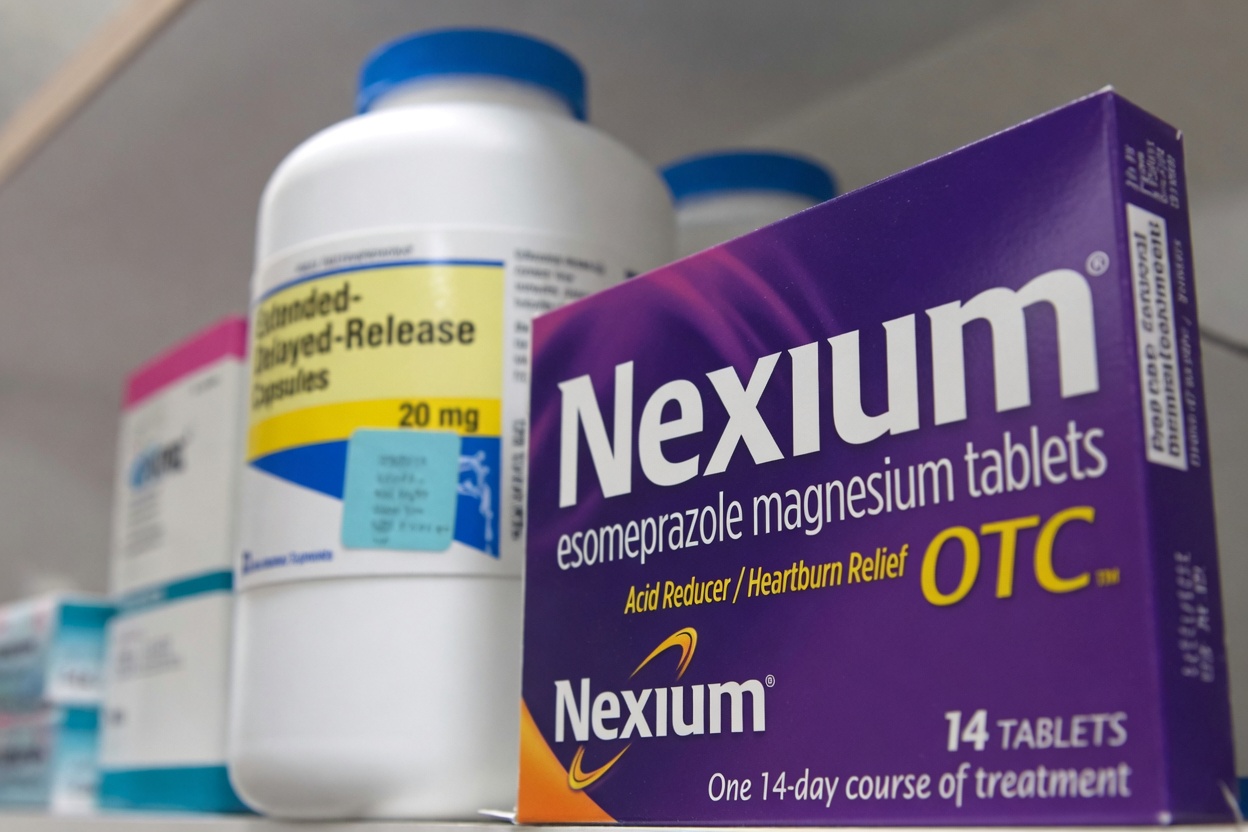
PPIs such as Prilosec, Nexium, and Prevacid reduce stomach acid for heartburn, GERD, and ulcers. Many people stay on them for months or years.
Long-term PPI use has been linked in studies to acute interstitial nephritis (kidney inflammation) and a possible increased risk of chronic kidney disease progression. The exact pathway isn’t fully settled, but immune-related inflammation and tissue effects are suspected.
Warning signs
- Swelling without a clear cause
- Urination changes
- Persistent fatigue
Safer approach
- For milder reflux, discuss H2 blockers (e.g., famotidine)
- Prioritize lifestyle steps: smaller meals, trigger avoidance, weight management, limiting late-night eating
- If you’ve used PPIs long-term, ask about a supervised taper, not abrupt stopping
3) Certain Antibiotics (Aminoglycosides, Vancomycin)
Some antibiotics used for severe or resistant infections—often in hospitals—carry higher kidney risk. Examples include gentamicin (an aminoglycoside) and vancomycin.
These drugs can build up in kidney tissue and cause tubular toxicity, meaning direct injury to kidney cells. Risk increases with:
- Higher doses
- Longer treatment duration
- Combination therapy with other nephrotoxic drugs
Warning signs
- Reduced urination
- Swelling
- Rising creatinine on lab tests
Safer approach
- Clinicians often monitor kidney function and drug levels during treatment
- When possible, they may select less nephrotoxic alternatives
4) ACE Inhibitors and ARBs (Lisinopril, Losartan)
ACE inhibitors and ARBs are widely prescribed for high blood pressure and are often protective for the heart—and in many cases, the kidneys too.
However, in certain situations (such as dehydration, renal artery narrowing, or when combined with other kidney-affecting drugs), they can cause a temporary drop in filtration (eGFR) or a noticeable rise in creatinine. This is why clinicians monitor labs after starting or adjusting these medications.
Warning signs
- Lab results showing a sudden creatinine increase
- Symptoms of low blood pressure (lightheadedness, faintness)
Safer approach
- Use with regular blood tests and professional supervision
- Never stop these medications abruptly without medical guidance
5) Contrast Dyes Used in Imaging (CT, Angiograms)
Iodine-based contrast agents help improve visibility during certain scans, including CT imaging and angiograms.
In people with risk factors (existing kidney disease, dehydration, diabetes), contrast may contribute to contrast-induced kidney injury through blood flow changes and direct tubular stress.
Warning signs
- Fatigue or decreased urination within days after a contrast procedure
Safer approach
- Pre-procedure risk assessment
- Hydration before and after (when appropriate)
- Using the lowest effective contrast dose and alternative imaging when feasible
6) Diuretics (“Water Pills” مثل Furosemide, Hydrochlorothiazide)
Diuretics are used for high blood pressure, heart failure, and swelling by helping the body remove extra fluid.
If the dose is too high—or fluid intake and electrolytes are not well balanced—diuretics can lead to dehydration and reduced kidney blood flow, increasing kidney strain.
Warning signs
- Dizziness
- Dry mouth
- Extreme thirst or weakness
Safer approach
- Follow dosing instructions precisely
- Discuss hydration targets and electrolyte monitoring with your clinician
7) Certain Antivirals and Chemotherapy Drugs
Some antiviral therapies (for conditions such as HIV or hepatitis) and specific chemotherapy drugs (notably cisplatin) are known for higher nephrotoxicity risk due to direct effects on kidney cells.
Warning signs
- Often detected early through lab monitoring rather than symptoms
Safer approach
- These medications are typically managed in specialized settings with close kidney monitoring, dose adjustments, and protective protocols
8) Lithium (For Bipolar and Mood Disorders)
Lithium can be very effective for mood stabilization, but long-term use may affect the kidneys’ ability to concentrate urine and can contribute to chronic kidney changes over years.
Warning signs
- Excessive thirst
- Frequent urination
- Abnormal kidney labs over time
Safer approach
- Regular monitoring of lithium levels and kidney function
- Dose adjustments based on labs and symptoms
Why Self-Medicating Increases Kidney Risk
Without professional oversight, it’s easy to:
- Combine risky medications (for example, NSAIDs + blood pressure drugs + diuretics)
- Exceed safe dosing limits
- Ignore early symptoms until damage becomes more serious
A clinician or pharmacist can help identify interactions, adjust doses, and recommend safer substitutions based on your health profile.
Practical Steps to Protect Kidney Health
Use this checklist to lower your risk starting today:
- Audit your medications: List all prescriptions, OTC drugs, and supplements.
- Stay hydrated: Drink adequate water unless you’ve been told to restrict fluids.
- Get routine labs: Ask about creatinine and eGFR testing frequency.
- Choose safer options:
- Pain: consider short-term acetaminophen when appropriate
- Heartburn: explore diet/lifestyle steps and alternatives before long-term PPIs
- Ask one key question: “Is this medication kidney-safe for me given my age, conditions, and other drugs?”
Quick Comparison: Kidney Risk and Common Alternatives
-
NSAIDs (ibuprofen, naproxen)
- General risk: High with frequent/long-term use
- Potential effect: Reduced kidney blood flow, AKI
- Discuss alternatives: Acetaminophen (as appropriate), topical therapies, non-drug pain strategies
-
PPIs (omeprazole, esomeprazole)
- General risk: Moderate with long-term use
- Potential effect: Inflammation (interstitial nephritis), possible CKD association
- Discuss alternatives: H2 blockers, lifestyle changes, supervised tapering
-
Certain antibiotics (aminoglycosides, vancomycin)
- General risk: Varies by drug and dosing
- Potential effect: Tubular cell toxicity
- Discuss alternatives: Targeted therapy, monitoring, substitute agents when possible
-
Contrast dyes
- General risk: Depends on procedure and patient risk factors
- Potential effect: Contrast-related kidney injury
- Discuss alternatives: Hydration protocols, risk assessment, alternate imaging
-
Diuretics
- General risk: Higher with overuse or poor fluid balance
- Potential effect: Dehydration-related kidney strain
- Discuss alternatives: Careful dosing, monitoring, individualized hydration plan
Risk Factors That Make Kidney Problems More Likely
- Age over 60
- Diabetes or hypertension
- Dehydration or frequent illness with vomiting/diarrhea
- Taking multiple kidney-stressing medications at the same time
Final Takeaway: Small Changes, Long-Term Protection
Your kidneys work continuously to keep your body in balance. Reviewing your medication routine—even the “normal” OTC ones—can make a real difference. Start with a single conversation with your healthcare provider or pharmacist about what you take regularly. In many cases, that awareness is enough to prevent avoidable kidney damage and support better well-being over time.
FAQ
What are early signs of medication-related kidney strain?
Common early clues include ankle/leg swelling, noticeable changes in urine amount or color, unusual fatigue, and nausea. Seek prompt medical advice if these appear—especially after starting or increasing a medication.
Can NSAIDs ever be used if I have mild kidney issues?
Sometimes, but it depends on your kidney function, other conditions, and what else you take. Many clinicians recommend avoiding NSAIDs or using them sparingly with monitoring. Ask your provider before using them.
How often should I check kidney function if I’m on higher-risk medications?
Testing frequency depends on your risk factors and the drug involved. Many people need labs after starting or changing doses and then periodically (for example, every few months). Your clinician can recommend an appropriate schedule based on creatinine and eGFR trends.