
Arthritis and Inflammation After 50: Foods That May Worsen Symptoms (and Alkaline-Forming Swaps)
Arthritis impacts tens of millions of adults in the United States, often bringing persistent stiffness, swelling, and joint pain that can turn everyday tasks into draining challenges. According to CDC estimates, roughly 53–58 million U.S. adults live with some type of arthritis, and the likelihood rises notably after age 50 as wear-and-tear changes and long-term inflammation become more common.
Many people also notice a pattern: certain everyday foods seem to intensify flare-ups, while shifting toward nutrient-rich, plant-forward choices may support comfort and overall well-being. Below, you’ll find a practical overview of foods frequently linked to inflammation and alkaline-forming alternatives that fit well within anti-inflammatory eating styles.

How Diet Can Influence Arthritis Symptoms After Age 50
After 50, joint discomfort often becomes more obvious—morning stiffness lasts longer, flexibility may decline, and occasional flare-ups can interrupt activities like walking, gardening, traveling, or playing with grandchildren. While diet is not a cure for arthritis, research suggests that what you eat can affect inflammatory markers in the body.
Organizations such as the Arthritis Foundation frequently highlight that some ingredients can promote systemic inflammation, while foods rich in antioxidants, fiber, and healthy fats align with dietary patterns (such as Mediterranean-style eating) that support joint health.
The encouraging part is that improvement often starts with small, consistent adjustments—especially when you learn which “normal” staples may be quietly working against your comfort and which swaps may better support balance.
Foods Commonly Associated With Increased Inflammation
Evidence differs from person to person, but research discussed by sources like the Arthritis Foundation and Harvard Health often points to several categories that can drive inflammation through factors such as added sugar, saturated or trans fats, and advanced glycation end products (AGEs) created by high-heat cooking.
1) Added Sugars and Sugary Snacks
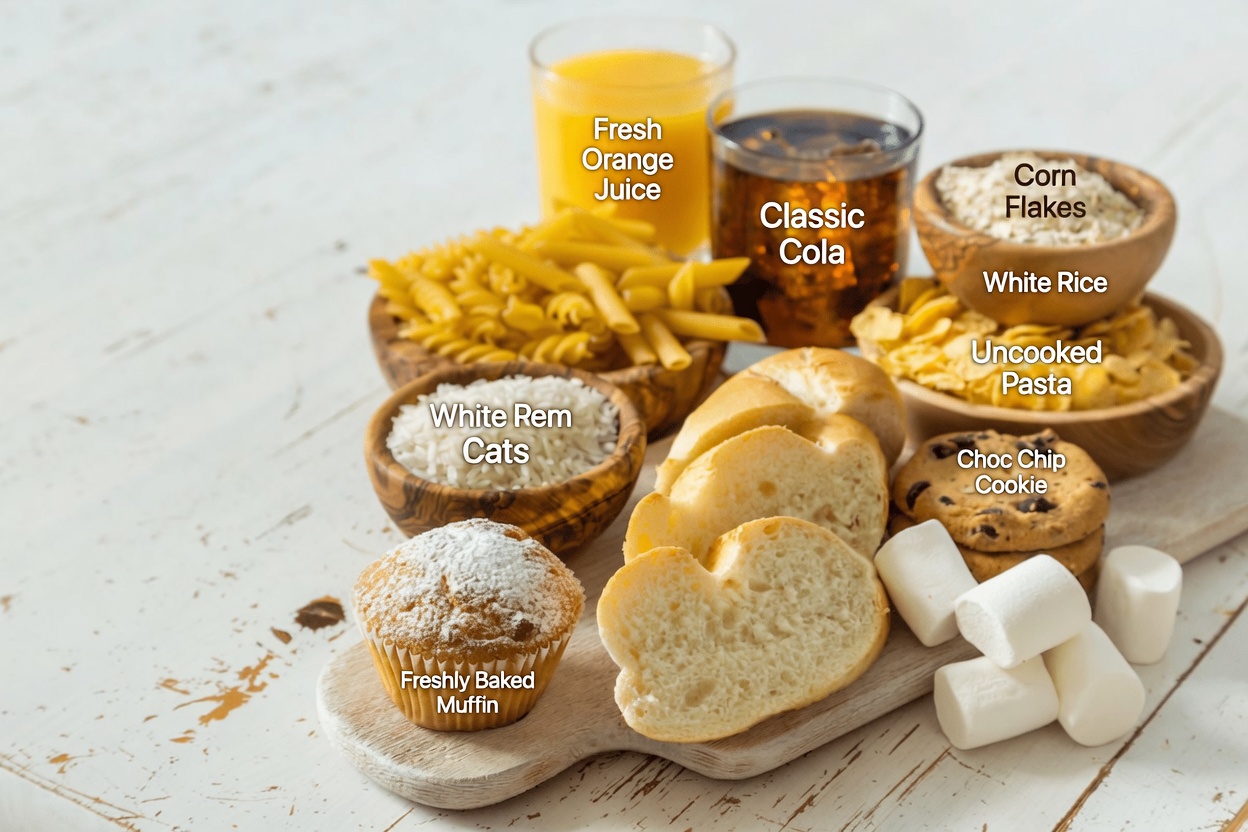
Foods and drinks such as soda, candy, pastries, and many packaged snacks can increase inflammatory signaling in the body. Higher sugar intake is often associated with elevated inflammation markers, which may aggravate arthritis symptoms in some individuals.
2) Fried Foods and Highly Processed Items
Fast food, french fries, and many shelf-stable snack foods may contain trans fats and higher levels of AGEs formed during high-temperature cooking. These compounds are linked with increased systemic inflammation and may add strain to already sensitive joints.
3) Red Meat and Processed Meats
Bacon, sausages, deli meats, and frequent servings of red meat are typically higher in saturated fat and other compounds that may contribute to inflammation. Some studies connect higher intake with increased inflammatory markers, including in rheumatoid arthritis.
4) Refined Carbohydrates
White bread, white pasta, white rice, and many sugary cereals digest quickly and can spike blood sugar—conditions that may support AGE formation and inflammatory processes. Whole grains are often a steadier option.
5) High-Sodium Packaged Foods
Many ready-to-eat meals, chips, and canned soups contain significant sodium, which can increase water retention and bloating—potentially adding discomfort for people already dealing with joint sensitivity.
Alkaline-Forming Foods That May Support an Anti-Inflammatory Pattern
An alkaline-forming approach focuses on foods that leave a more alkaline residue after digestion—most often plant-based foods rich in potassium, magnesium, and protective antioxidants. Although the body tightly regulates blood pH (so diet does not dramatically “change your pH”), these foods closely overlap with well-supported anti-inflammatory patterns, including Mediterranean-style eating.
Consider adding more of these options:
- Lemons and citrus fruits: Sour in taste but often described as alkaline-forming after metabolism; also provide vitamin C, which supports collagen formation.
- Dark leafy greens (kale, spinach) and cruciferous vegetables (broccoli): Rich in antioxidants and key minerals that support the body’s defenses against oxidative stress.
- Berries (blueberries, strawberries, etc.): Packed with polyphenols and antioxidants that may help reduce free-radical damage.
- Almonds and other nuts: Provide healthy fats and minerals in a nutrient-dense form.
- Legumes (lentils, chickpeas): Plant-based protein plus fiber, supporting gut health and overall metabolic balance.
- Healthy fats (olive oil, avocado): Sources of monounsaturated fats commonly associated with anti-inflammatory benefits.

Inflammatory Foods vs. Supportive Alternatives (Easy Everyday Swaps)
-
Sweeteners
- Foods to limit: sugary drinks, candy, pastries
- Supportive swaps: berries, lemon to brighten flavor naturally
-
Proteins
- Foods to limit: processed meats, frequent red meat
- Supportive swaps: lentils, chickpeas, almonds
-
Fats
- Foods to limit: fried foods, trans fats
- Supportive swaps: olive oil, avocado
-
Vegetables
- Note: some people report sensitivity to nightshades (tomatoes, peppers, eggplant, white potatoes), though evidence is mixed
- Supportive emphasis: kale, spinach, broccoli
-
Beverages
- Foods to limit: sugary drinks, excessive alcohol
- Supportive swaps: lemon water, herbal teas
A Simple Transition Plan (Small Steps That Add Up)
You don’t need an extreme overhaul to get started. Try a gradual approach:
-
Week 1: Observe and reduce one trigger
- Track what you currently eat and choose one category to cut back (for example, sugary drinks).
-
Weeks 2–4: Add supportive foods daily
- Start mornings with lemon water.
- Add a large salad or vegetable-based meal featuring dark leafy greens.
-
Week 5 and beyond: Expand variety and track results
- Include berries, nuts, legumes, and whole grains (like quinoa) regularly.
- Keep a short food-and-symptom journal to notice patterns in joint comfort.
Helpful habits
- Drink enough water to support hydration and normal joint function.
- Choose raw or lightly cooked greens often to preserve nutrients.
- Personalize your approach—individual triggers vary, so test changes thoughtfully.
Reclaiming Comfort: What a Mindful Food Shift Can Support
Imagine starting the day with less stiffness, having more energy for the activities you enjoy, and feeling more in control of your comfort. Food choices alone won’t solve arthritis, but combined with movement, sleep, stress management, and appropriate medical care, they may contribute to a better quality of life. A practical place to begin is one simple swap—today.
FAQ
What foods are most often linked to arthritis discomfort?
Commonly cited categories include added sugars, fried and ultra-processed foods, processed meats, and refined carbohydrates, as these may promote inflammation based on findings referenced by sources such as the Arthritis Foundation.
Do alkaline-forming foods truly improve joint health?
They may help indirectly. While diet does not meaningfully change blood pH, alkaline-forming foods like leafy greens, lemons, and berries overlap with anti-inflammatory eating patterns (including Mediterranean-style diets) that research associates with better overall health and potentially improved comfort.
Should I permanently remove all suspected trigger foods?
Not always. Many people do better with a temporary reduction or elimination, then a careful reintroduction to identify personal triggers. Consult a healthcare professional before making major dietary changes.
Disclaimer: This content is for informational purposes only and is not a substitute for professional medical advice. Always speak with your healthcare provider before changing your diet, especially if you have arthritis or other medical conditions.