High blood pressure affects nearly half of adults in the United States—more than 116 million people are living with a condition that, over time, can place extra strain on the heart and blood vessels. At the same time, plaque buildup in the arteries adds another long-term cardiovascular concern, often influenced by factors such as diet, chronic stress, and aging. Understandably, many people want gentle, everyday habits that can complement medical care and support circulation, relaxation, and heart-friendly routines.
One of the simplest options is also one of the most comforting: a warm cup of herbal tea. Below are eight teas with deep traditional roots and growing scientific interest for their potential role in supporting healthy blood pressure and arterial function—plus an often-overlooked benefit: the calming ritual of tea itself.
Why Blood Pressure and Artery Health Matter More With Age
As the years pass—especially after 40 or 50—routine visits may start showing higher readings, and everyday tasks can feel more draining. Current data suggests about 47% of U.S. adults have hypertension, with risk shaped by stress, sodium intake, genetics, and lifestyle patterns.
When blood pressure stays elevated for long periods, it can contribute to blood vessel strain and encourage processes linked with plaque accumulation, potentially affecting overall cardiovascular resilience. Foundational habits like a balanced diet, movement, and weight management remain essential, but many people also look for soothing, sustainable add-ons.
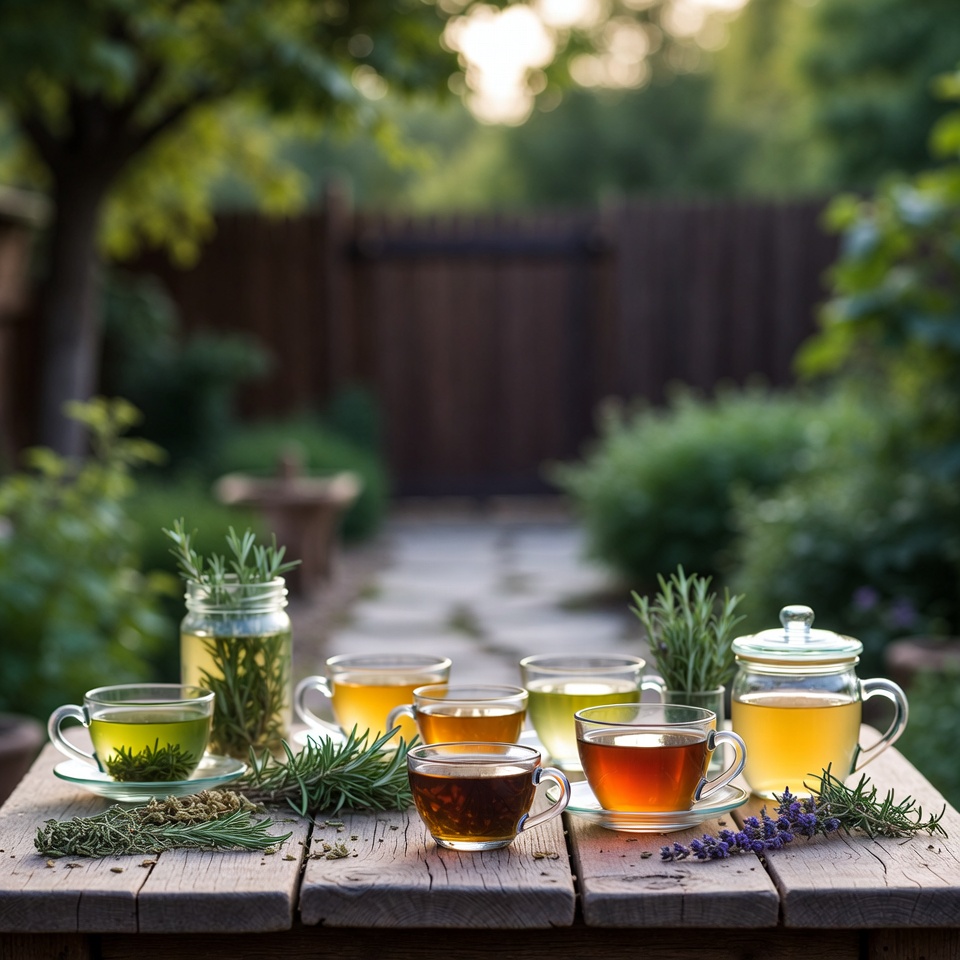
That’s where tea fits in: it’s an enjoyable way to stay hydrated while providing plant-based compounds—like polyphenols and flavonoids—that research suggests may support cardiovascular wellness.
1. Hibiscus Tea: Tart, Bright, and Known for Vascular Support
Made from dried hibiscus calyces, hibiscus tea brews into a vivid ruby-red cup with a tangy, cranberry-like taste—great both hot and iced.
Research including systematic reviews and meta-analyses links regular hibiscus intake to modest reductions in systolic and diastolic blood pressure, especially in people with higher baseline readings. The tea’s anthocyanins and polyphenols may support blood vessel relaxation and provide antioxidant protection.
- How to start: Try 1–2 cups daily and see how it suits your routine.
- What people notice: Many describe a subtle calming effect when used consistently.
Next is a gentle berry-based tea with a long history in heart traditions.
2. Hawthorn Berry Tea: A Mild Fruit Brew for Circulation
Hawthorn berry tea has a lightly sweet, fruity flavor that works well as an evening drink.
Evidence, including meta-analyses of randomized trials, suggests hawthorn may help support lower blood pressure in mild hypertension, particularly when used consistently over weeks. Its flavonoids are thought to help promote blood flow and maintain vessel flexibility.
- Routine tip: Pair with slow breathing or a quiet nighttime routine for a stronger relaxation effect.
3. Oolong Tea: A Smooth Middle Ground for Cardiovascular Balance
Oolong tea sits between green and black tea—semi-fermented, smooth, and slightly earthy, sometimes with a hint of fruit.
Some studies suggest oolong’s polyphenols may support healthy cholesterol patterns and blood vessel function, potentially influencing pathways such as nitric oxide, which plays a role in vascular tone.
- Best fit: Many busy people like it as a midday tea for steady energy without feeling overly wired.
4. Olive Leaf Tea: A Mediterranean Classic for Endothelial Health
Olive leaf tea offers a mild herbal taste with a gentle bitterness and is rooted in Mediterranean wellness traditions.
Research highlights oleuropein, a key olive leaf compound, for its potential role in supporting blood vessel relaxation and reducing oxidative stress—factors that may matter for blood pressure regulation.
- Good choice if: You want a subtler herbal tea with antioxidant appeal.
You’ve covered four options—now let’s move into a standout that’s naturally caffeine-free.
5. Rooibos Tea: Caffeine-Free “Red Bush” for Evening Calm
Rooibos (red bush) from South Africa has a naturally sweet, nutty flavor and contains no caffeine, making it ideal for evenings.
Early research suggests rooibos may support healthier lipid profiles, help reduce inflammation, and encourage vessel wellness through unique antioxidants such as aspalathin.
- Flavor tip: Steep longer for a richer, fuller cup.
6. Garlic Tea: Bold, Savory, and Supportive for Oxidative Stress
Garlic tea can be made by steeping crushed fresh garlic (or dried garlic) in hot water. Its flavor is strong at first, but softens with lemon or honey.
Studies suggest garlic compounds, including allicin and sulfur-based components, may support blood vessel relaxation and help manage oxidative stress—both relevant to long-term arterial health.
- Expectation check: It’s an acquired taste, but many people find it surprisingly comforting once it becomes familiar.
7. Chamomile Tea: Gentle Floral Comfort for Stress and Sleep
Chamomile tea is light, slightly apple-like, and widely used to unwind.
While chamomile isn’t a direct “blood pressure reducer,” it may support heart health indirectly by easing stress and improving sleep quality—two factors strongly connected to blood pressure. Compounds such as apigenin contribute to its calming profile.
- Best time: Before bed, especially during stressful periods.
8. Turmeric Tea: Golden Warmth for Inflammation and Vessel Elasticity
Turmeric tea (often paired with a pinch of black pepper) is earthy, warming, and bright gold in color.
The active compound curcumin has shown promise for supporting inflammation balance and vascular function, potentially benefiting blood pressure over time with consistent use.
- Upgrade idea: Add black pepper to improve curcumin absorption, and lemon or honey for smoother sipping.
Quick Comparison: Flavor, Timing, and Potential Benefits
| Tea | Key Potential Benefit | Flavor Profile | Best Time to Enjoy |
|---|---|---|---|
| Hibiscus | Vessel relaxation, antioxidant support | Tart, cranberry-like | Morning or afternoon |
| Hawthorn Berry | Circulation and vessel flexibility | Mild, fruity | Evening |
| Oolong | Cholesterol and vascular support | Smooth, earthy | Midday |
| Olive Leaf | Endothelial support, oxidative balance | Mild, herbal | Anytime |
| Rooibos | Inflammation support, caffeine-free | Sweet, nutty | Evening |
| Garlic | Oxidative stress support, vessel relaxation | Bold, savory | With meals |
| Chamomile | Stress relief, better sleep | Soft, floral | Before bed |
| Turmeric | Anti-inflammatory support, vessel elasticity | Warm, spicy | Morning or evening |
How to Add These Teas to Your Routine (A Simple Timeline)
Consistency tends to matter more than doing everything perfectly. Here’s a realistic approach:
- Weeks 1–2: Choose one tea and drink 1 cup per day. Focus on hydration and observe how you feel (especially relaxation and digestion).
- Weeks 3–6: Increase to 1–2 cups daily, rotating teas to diversify plant compounds.
- After 2+ months: Combine tea with core habits—walking, balanced meals, lower sodium intake, and stress management—for a stronger combined effect.
Small “Upgrades” That Can Help
- Add black pepper to turmeric tea for absorption support.
- Squeeze lemon into hibiscus for a bright flavor lift and vitamin C.
- Combine chamomile with lavender for a deeper wind-down routine.
A month from now, this can become a simple wellness habit you actually look forward to.
The Surprising Boost: The Ritual Matters
Beyond the herbs themselves, the biggest difference often comes from how you drink the tea. Slowing down, breathing deeply, and sipping mindfully can lower stress in the moment—supporting the same heart-health goals you’re aiming for. In other words, the ritual amplifies the benefit.
Quick Self Check
- Which tea sounds most appealing to you right now?
- Has reading this changed how you think about daily blood pressure support?
- What’s one tea you could try tomorrow?
Common Questions About Herbal Teas and Blood Pressure
-
Can I drink these teas while taking blood pressure medication?
Speak with your healthcare provider first. Some herbs can interact with medications or change how they work. -
How much tea should I drink per day?
Many studies use around 1–3 cups daily, but it’s best to start with a smaller amount and monitor how you respond. -
Are side effects possible?
Most are well tolerated, but some people experience mild digestive discomfort—especially with hibiscus or garlic. If you have concerns, consult a professional.
Medical Disclaimer
This content is for informational purposes only and does not replace medical advice. Herbal teas may interact with medications or health conditions. Consult a qualified healthcare provider before adding new teas or supplements to your routine—especially if you have high blood pressure or use cardiovascular medications.