Waking Up With a Dry Mouth: Causes, Solutions, and When to Worry
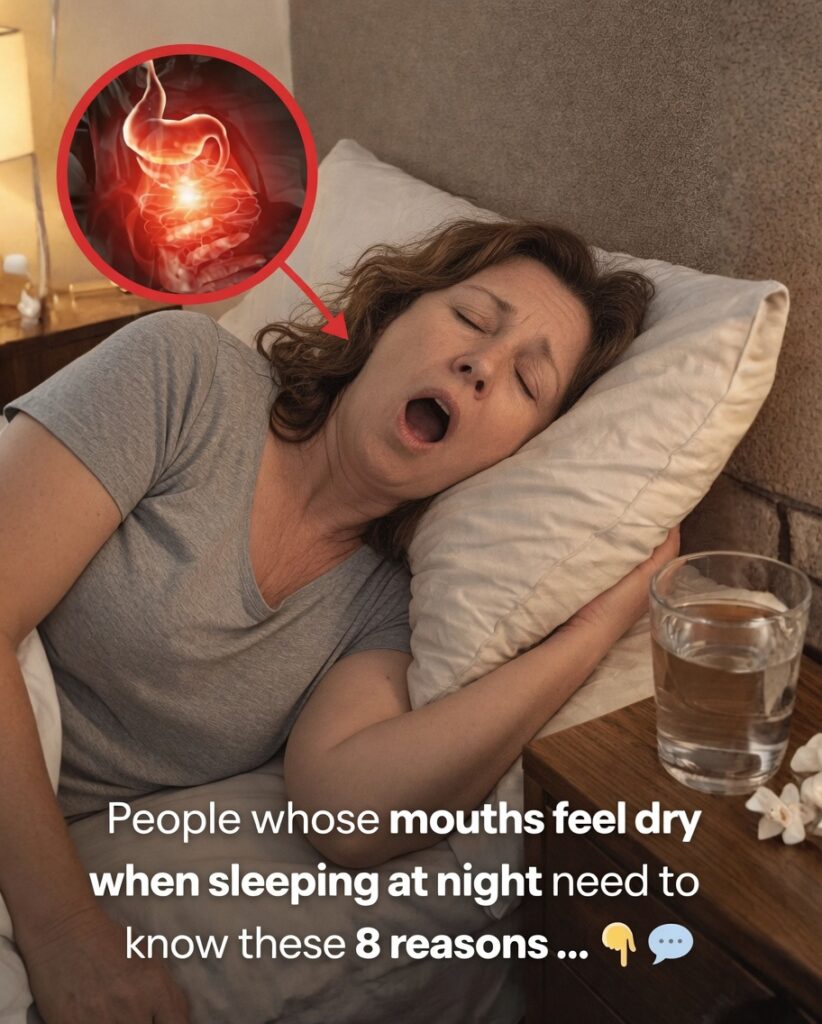
Waking up with a dry mouth after a full night’s sleep can feel irritating, uncomfortable, and even alarming. You may wonder whether you actually slept well—or whether an underlying health issue is to blame. Although night-time dry mouth can be a simple problem, it can also be a useful clue about hydration, oral health, digestion, or metabolic conditions. Below are the most common causes of dry mouth at night (xerostomia) and practical ways to reduce it.
Why Does My Mouth Get Dry at Night?
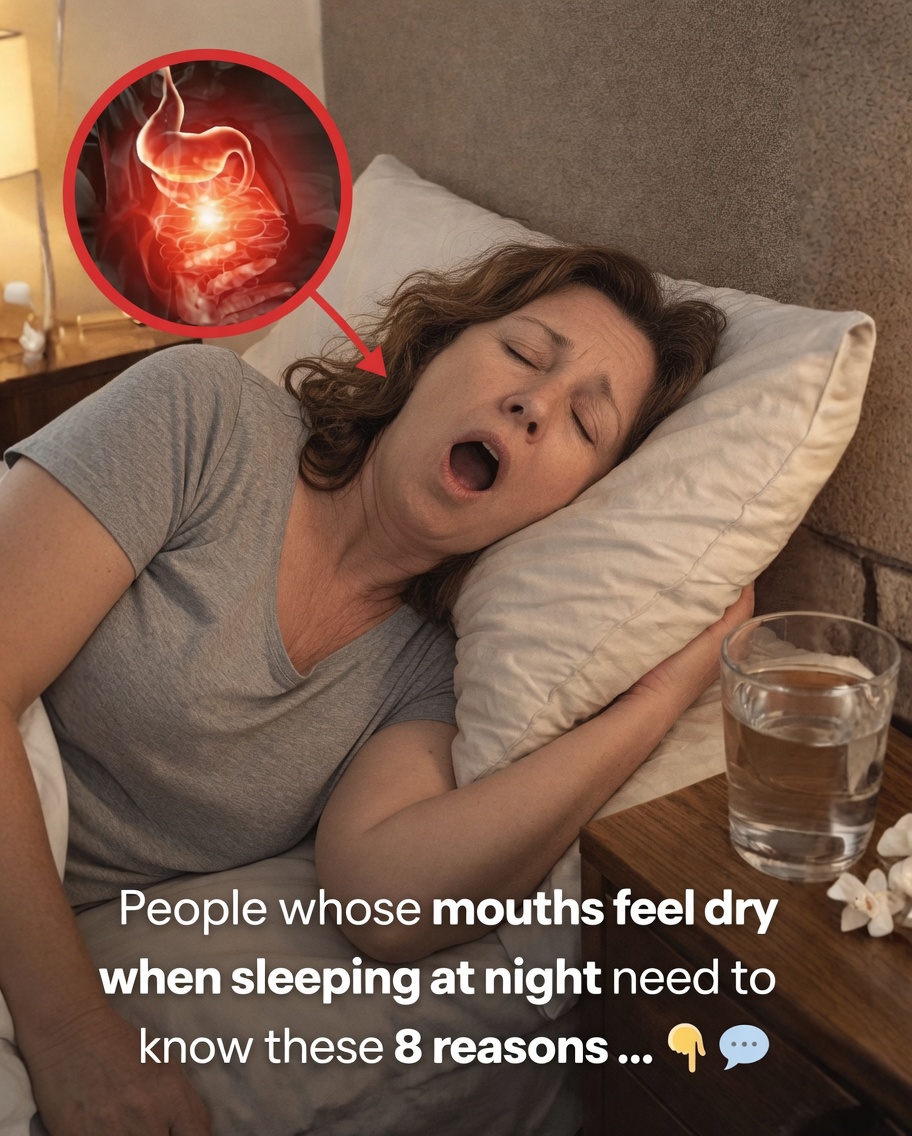
Night-time dry mouth often develops later in sleep, so you may not notice it until morning. Xerostomia happens when your mouth doesn’t produce enough saliva to stay comfortably moist. Sometimes the cause is straightforward (like dehydration), but persistent symptoms may point to a medical condition worth checking.
Here are eight frequent reasons your mouth feels dry when you wake up—plus what you can do.
1. Digestive Upset: Your Pre-Bed Diet Can Dry You Out
What you eat late in the evening can affect how your body handles digestion overnight. Heavy, greasy, spicy, or salty foods may irritate the digestive system and increase your body’s demand for fluids—leaving your mouth feeling parched by morning.
What to do
- Skip large, salty, or spicy meals close to bedtime.
- If you need a snack, choose something light and non-acidic (for example, a small banana or a handful of almonds).
2. Liver Issues: A Possible Early Signal
Your liver helps filter toxins and supports digestion and metabolism. If the liver is inflamed or under strain, toxin processing may be affected. For some people, morning dry mouth can be one subtle sign that the liver needs attention.
What to do
- Hydrate consistently and add liver-friendly foods such as leafy greens, beets, and garlic.
- If dry mouth continues or you have other symptoms, seek medical advice for an evaluation (including liver testing if appropriate).
3. Dehydration: The Most Common Explanation
Even while you sleep, your body loses water through breathing and perspiration. If you start the night slightly dehydrated—or don’t drink enough during the day—your saliva production may drop, causing dry mouth in the morning.
What to do
- Drink water regularly throughout the day (many people aim for around 8 cups, though needs vary).
- Limit alcohol and caffeine in the evening, as both can contribute to fluid loss.
4. Oral Health Problems: Bacteria and Inflammation
Conditions like cavities, gingivitis, and periodontitis can increase harmful bacteria and inflammation in the mouth. This can disrupt the natural moisture balance and make dry mouth more likely—especially overnight.
What to do
- Brush twice daily and floss every day to reduce plaque and inflammation.
- See a dentist routinely so issues can be treated early.
5. Diabetes: Dry Mouth From High Blood Sugar
Dry mouth is common in people with diabetes, particularly when blood glucose isn’t well controlled. High blood sugar increases urination as the body tries to remove excess glucose, which can lead to dehydration and reduced saliva.
What to do
- Monitor blood sugar as recommended and follow a balanced eating plan.
- If dry mouth persists despite good management, speak with your healthcare provider.
6. Bile Reflux: A Digestive Condition That Can Disrupt Sleep
Bile reflux occurs when bile flows back into the stomach (and sometimes higher), often alongside acid reflux. This can cause night-time discomfort and may contribute to waking with a dry mouth.
What to do
- Avoid late, heavy meals and consider elevating the head of your bed to reduce reflux.
- Consult a doctor if you suspect bile reflux, as it may require targeted treatment.
7. Fever: Increased Fluid Loss Overnight
A fever naturally increases fluid loss and can quickly lead to dehydration. That dehydration can show up as a dry mouth, along with restless sleep and general discomfort.
What to do
- Increase fluid intake while you recover.
- Use fever-reducing medication only as directed by a healthcare professional.
8. Hyperthyroidism: Faster Metabolism, Higher Water Needs
An overactive thyroid (hyperthyroidism) can speed up metabolism and increase your body’s demand for water. As a result, you may become dehydrated more easily and experience dry mouth—even while sleeping.
What to do
- If you suspect thyroid imbalance, ask your doctor about appropriate blood tests.
- Support hydration and overall health with a balanced diet and adequate fluids.
Practical Tips to Reduce Dry Mouth at Night
Even while addressing the root cause, these strategies can help ease symptoms and improve comfort:
- Use a humidifier: Adding moisture to bedroom air may prevent your mouth from drying out overnight.
- Stimulate saliva production: Chew sugar-free gum or use sugar-free lozenges to encourage saliva flow.
- Breathe through your nose when possible: Mouth breathing during sleep commonly dries oral tissues; nasal breathing helps preserve moisture.
Conclusion
Morning dry mouth may seem minor, but it can affect sleep quality, comfort, and even oral health. By identifying the likely cause—whether it’s dehydration, diet, dental issues, reflux, or a medical condition—you can take steps to reduce symptoms and improve your overall well-being. If dryness is persistent, severe, or paired with other symptoms, it’s wise to seek professional medical guidance.
FAQs
-
Can I still get dry mouth at night even if I drink water during the day?
Yes. Evening dehydration, mouth breathing, or drinking alcohol/caffeine before bed can still trigger dry mouth overnight. -
Is mouthwash a bad idea if I have dry mouth?
Some mouthwashes—especially alcohol-based formulas—can worsen dryness. Choose an alcohol-free option or ask your dentist for recommendations. -
Does dry mouth always mean something serious?
Not always. It can come from simple causes like dehydration. However, ongoing dry mouth may be linked to conditions such as diabetes, liver concerns, or thyroid disorders, so persistent symptoms should be evaluated.
Disclaimer: This content is for informational purposes only and is not a substitute for professional medical advice. Always consult a qualified healthcare provider regarding symptoms or health concerns.