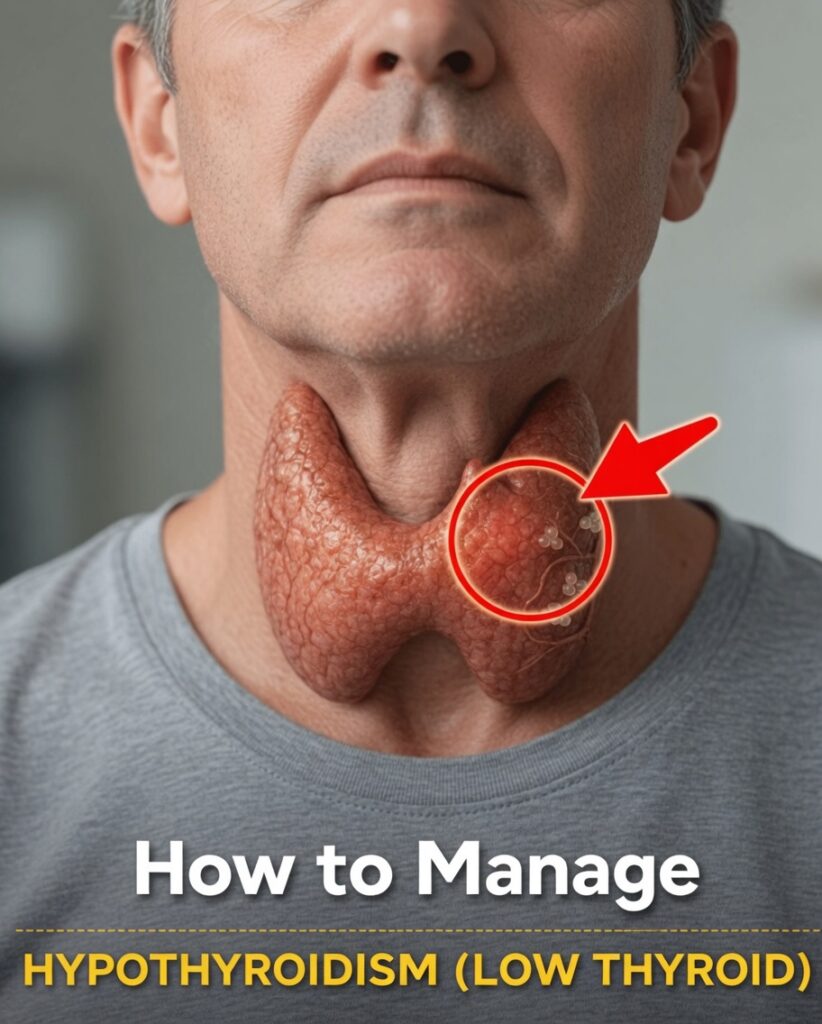
Living Well With Hypothyroidism: A Practical, Day-to-Day Guide
Living with hypothyroidism can be draining. Persistent tiredness, shifting weight, mental “fog,” and the feeling that you’re not quite yourself can build gradually—until work, relationships, and everyday routines start to feel harder than they should. The encouraging reality is that, with steady habits and the right plan from your healthcare provider, most people manage hypothyroidism successfully and feel like themselves again.
This guide covers realistic, medically aligned steps for managing hypothyroidism in daily life—plus one commonly missed routine detail that can noticeably improve consistency in how you feel.
Understanding Hypothyroidism (and Why Long-Term Management Matters)
Hypothyroidism happens when the thyroid gland produces too little thyroid hormone. Because thyroid hormones help regulate metabolism, energy production, heart function, digestion, skin health, and cognitive clarity, low levels can slow many systems down. Common effects include fatigue, weight gain, constipation, dry skin, low mood, and reduced mental sharpness.
A leading cause is Hashimoto’s thyroiditis, an autoimmune condition in which the immune system attacks thyroid tissue. Hypothyroidism can also occur after thyroid surgery, due to certain medications, or following radiation exposure. Major medical organizations (including the American Thyroid Association) consistently describe hypothyroidism as a condition that often requires ongoing care—meaning the goal is stable, long-term control rather than a one-time “cure.”
For most people, treatment centers on restoring hormone levels to a healthy range. When managed consistently, this approach can also reduce the risk of complications such as cardiovascular strain and fertility-related challenges.
Thyroid Hormone Replacement: The Core of Treatment
For the majority of patients, levothyroxine (T4) is the standard therapy. It’s a synthetic form of the primary hormone your thyroid normally produces, designed to bring your levels back to a functional baseline.
With the right dose and consistent use, many people experience gradual improvements in:
- Energy and stamina
- Mood stability
- Bowel regularity
- Hair and skin health
- Weight maintenance and metabolic stability
Clinical guidance from sources such as the Mayo Clinic and the American Thyroid Association highlights that proper, consistent use is key for long-term wellbeing.
How to Take Levothyroxine for the Best Results
Daily consistency strongly affects how well levothyroxine works, because absorption can change depending on timing and what you take it with. A reliable routine many patients use:
- Take levothyroxine once daily, ideally first thing in the morning
- Take it on an empty stomach
- Swallow with plain water only
- Avoid coffee, tea, milk, juice, or supplements at the same time
- Wait 30–60 minutes before eating or drinking anything besides water
- Take it at the same time every day
Even small habit changes—like taking your dose with coffee or breakfast—can reduce absorption and make symptoms feel inconsistent. For many people, this is the overlooked factor that explains “good weeks and bad weeks” despite taking medication.
Monitoring Thyroid Levels: Blood Tests and Dose Adjustments
The most common tool for tracking treatment effectiveness is the TSH blood test (and sometimes additional thyroid labs). Your healthcare provider will interpret results alongside symptoms to adjust your dose safely.
A typical monitoring pattern:
- Every 6–8 weeks when starting treatment or changing the dose
- Every 6–12 months once levels are stable
Do not change your dosage on your own. Too much hormone can trigger issues such as palpitations, anxiety, and insomnia, while too little may leave fatigue and sluggishness unresolved. Evidence-based care supports careful monitoring as the safest way to stay within an optimal range.
Nutrition That Supports Thyroid Health (Without Overpromising)
There is no single “thyroid diet” that cures hypothyroidism, but a nutrient-dense eating pattern supports overall health and complements medical treatment. For most people, a balanced diet centered on whole foods is a practical foundation.
Helpful nutrition priorities include:
- Iodine (often via iodized salt, used in moderation), which is involved in thyroid hormone production
- Selenium and zinc, which support thyroid-related processes (found in foods like Brazil nuts, sunflower seeds, eggs, fish, and lean meats)
Foods to Have in Moderation (Especially Near Medication Time)
Some foods can interfere with medication absorption or thyroid function if consumed in large amounts or taken too close to your dose:
- Large amounts of soy-based foods
- Very high intake of raw cruciferous vegetables (such as broccoli and cabbage)
You don’t necessarily need to avoid these foods completely—spacing them several hours away from your medication is often the most practical approach. Most importantly: food supports health, but it does not replace prescribed thyroid hormone therapy.
Weight and Metabolism: Realistic Strategies That Work
Weight gain often occurs before treatment due to slowed metabolism. After thyroid hormone levels stabilize, weight management typically becomes more achievable—especially with steady, sustainable habits.
Helpful approaches include:
- Regular movement (walking, yoga, resistance training)
- Balanced meals built around minimally processed foods
- Avoiding extreme calorie restriction, which can increase stress on the body
Many people find that as energy returns, activity feels more doable—and progress becomes more consistent.
Fatigue, Mood Changes, and Brain Fog: What Helps Most
Many symptoms improve gradually as hormone levels normalize. In the meantime, lifestyle foundations matter—especially sleep and stress regulation.
Focus on:
- 7–9 hours of sleep per night
- Consistent daily routines
- Stress-reducing habits such as deep breathing, gentle walks, stretching, or journaling
Chronic stress can worsen fatigue and mood symptoms, so even small, repeatable stress-management practices can make a meaningful difference.
Women’s Health, Menstrual Cycles, and Fertility
Hypothyroidism can influence menstrual regularity and fertility, but appropriate treatment often restores balance. If you’re trying to conceive or are already pregnant, thyroid hormone needs may increase to support healthy fetal development.
Talk with your healthcare provider early. Pregnancy typically requires closer monitoring and more frequent lab testing to keep levels in a safe range.
Daily Lifestyle Habits That Improve Long-Term Stability
Hypothyroidism management tends to work best when daily patterns are predictable. Useful habits include:
- Taking medication at the same time each day
- Keeping consistent sleep and meal schedules
- Avoiding smoking, which may worsen autoimmune thyroid conditions
- Limiting excessive caffeine if it triggers palpitations or anxiety
Small, steady changes often produce the most reliable improvements.
Common Hypothyroidism Myths (Clarified)
Misinformation is common. These points reflect widely accepted medical guidance:
- Supplements or diet alone do not replace thyroid hormone therapy when it’s medically indicated
- Thyroid medication is not “addictive”—it replaces what the body lacks
- Stopping medication without medical supervision can cause symptoms to return quickly
Trusted medical sources (including the Mayo Clinic) consistently emphasize that evidence-based treatment and follow-up deliver the best outcomes.
When to Contact Your Doctor Promptly
Reach out to your healthcare provider if you experience:
- Ongoing symptoms despite taking medication regularly
- Palpitations, new anxiety, tremors, or sudden weight changes
- Pregnancy planning or confirmed pregnancy
- New swelling, discomfort, or pressure in the neck area
Early evaluation helps keep your treatment on track and reduces the risk of complications.
Key Takeaway
Managing hypothyroidism is largely about consistency: taking medication correctly, getting regular lab monitoring, supporting your health with balanced habits, and staying in communication with your healthcare team. With a stable routine, many people live full, energetic lives without letting hypothyroidism define their day.
Medical Disclaimer
This article is for informational purposes only and is not a substitute for professional medical advice, diagnosis, or treatment. Always consult your healthcare provider for personalized guidance on hypothyroidism, medication use, dose adjustments, or any health concerns.
Frequently Asked Questions
How long does it take to feel better after starting thyroid medication?
Some people notice improvements in energy, mood, and mental clarity within a few weeks, but reaching full benefit can take longer—often weeks to months—especially while dose adjustments are being made. Regular TSH monitoring helps confirm progress.
Can I ever stop taking thyroid hormone medication?
For most people with long-term hypothyroidism (including Hashimoto’s), treatment is typically lifelong. In some temporary cases, thyroid function may recover. Only your healthcare provider can determine this through symptom review and repeat testing.
Do I need a special diet to manage hypothyroidism?
No specific diet cures hypothyroidism. However, a nutrient-rich, balanced eating pattern supports overall health. Also pay attention to medication timing, since certain foods and supplements can interfere with absorption if taken too close to your dose.