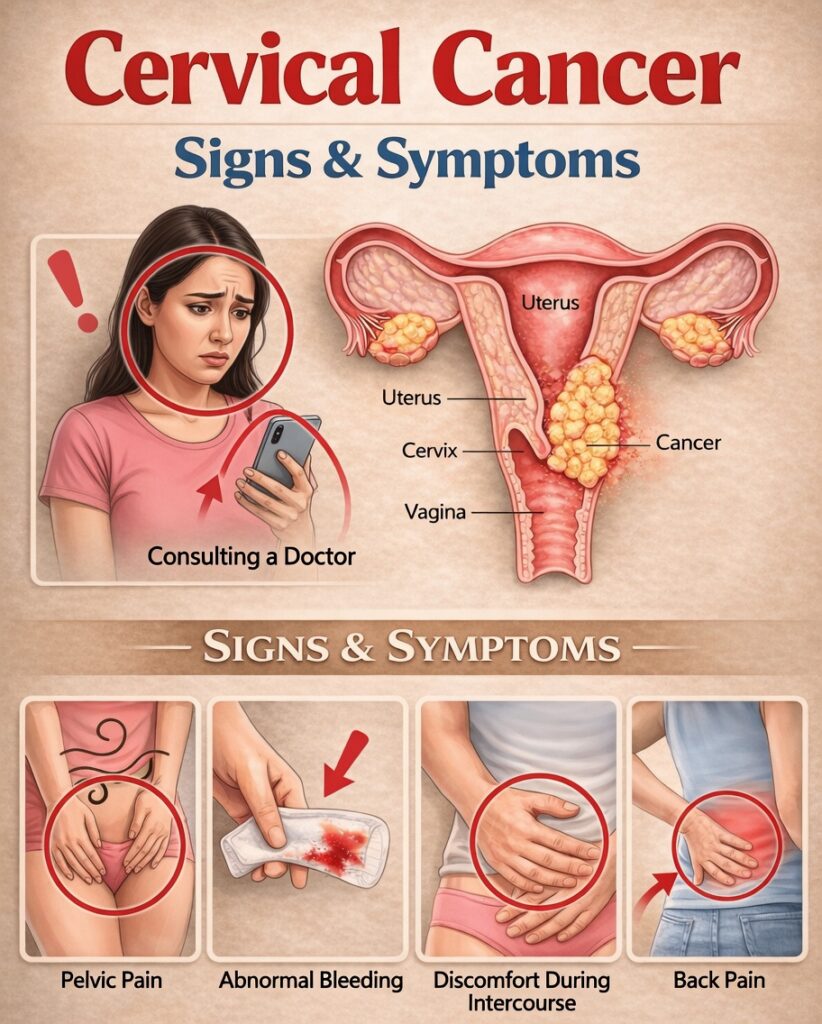
Many women move through daily life without noticing that small, “easy-to-ignore” body changes can sometimes point to something more serious. Cervical cancer often develops silently at first, with few or no early symptoms, which is one reason it’s sometimes diagnosed later than it should be. The most important takeaway: if something feels new, unusual, or persistent, it deserves attention—not dismissal.
The encouraging news is that Pap tests and HPV tests can identify abnormal changes long before you feel anything. In this guide, you’ll learn 9 commonly overlooked early warning signs of cervical cancer, why they may happen, and what you can do right now to protect your cervical health.
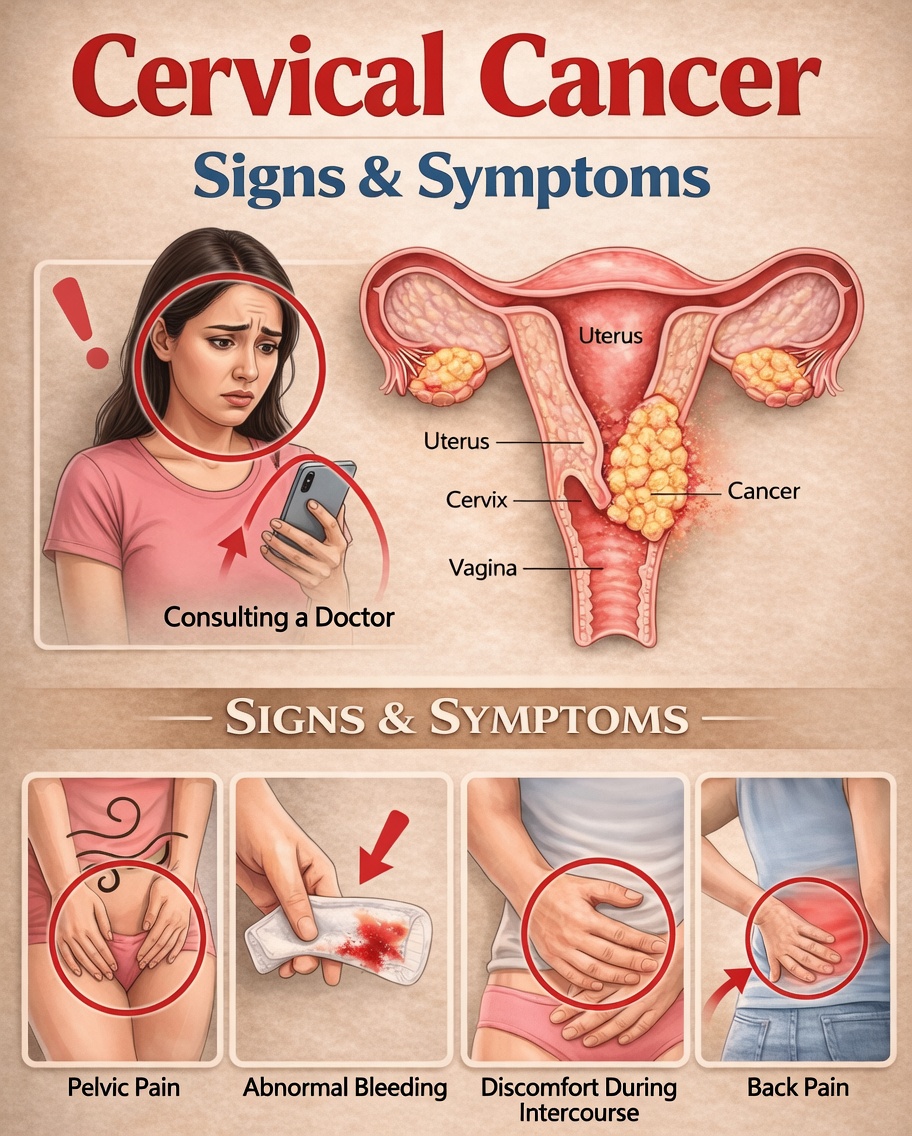
Why Early Awareness Is Essential for Cervical Health
Cervical cancer begins in the cells of the cervix—the lower part of the uterus that connects to the vagina. Evidence cited by organizations such as the American Cancer Society and Mayo Clinic shows that most cases are linked to persistent high-risk HPV infection. The disease typically progresses slowly over several years, creating a valuable window for screening, detection, and treatment.
Because early cervical cancer often causes no noticeable symptoms, routine checkups are crucial. When signs do appear, they may reflect that abnormal cells have grown or started affecting nearby tissues. The challenge is that many early symptoms look like everyday concerns—hormonal shifts, minor infections, or stress-related changes—so they’re easy to brush off. If symptoms persist, worsen, or feel different from your normal, it’s time to speak with a healthcare professional.
9 Early Warning Signs of Cervical Cancer Many Women Miss
1) Unusual Vaginal Bleeding
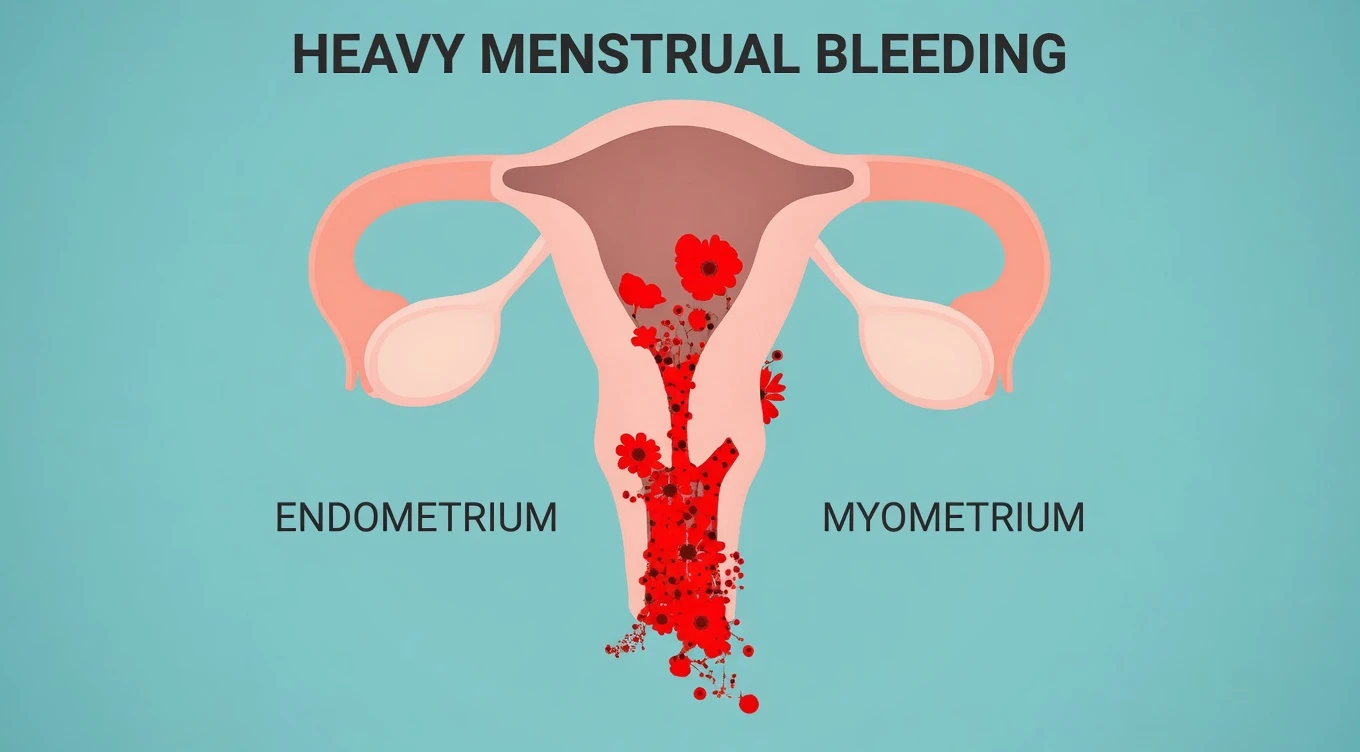
One of the most frequent early red flags is bleeding that doesn’t match your typical pattern, such as:
- Spotting between periods
- Bleeding after sex
- Heavier or longer periods than usual
- Any bleeding after menopause
Public health sources (including the CDC and Mayo Clinic) consistently highlight abnormal bleeding as a common symptom. It’s often blamed on birth control, stress, or perimenopause—but if it continues, it should be evaluated.
2) Abnormal Vaginal Discharge
Discharge can naturally change across the menstrual cycle, but concerning shifts may include discharge that is:
- Watery or unusually thin
- Bloody (especially between periods or after menopause)
- Heavier than normal
- Strong-smelling or unpleasant
This can occur when abnormal cervical cells produce excess fluid or when tissue becomes irritated. The American Cancer Society notes that bloody or foul-smelling discharge can be an overlooked warning sign.
3) Pain During or After Sex
Ongoing pain or discomfort during intercourse (sometimes described as a deep ache) may reflect irritation or changes around the cervix. While dryness or position can cause temporary discomfort, repeated pain during or after sex is worth discussing with a clinician.
4) Pelvic Pain or a Feeling of Pressure
Subtle pelvic symptoms may include:
- A dull, persistent ache
- Sharp twinges
- Pressure in the lower abdomen/pelvis
It may resemble menstrual cramping yet show up outside your normal cycle or linger longer than expected. Medical sources, including Harvard Health, emphasize that persistent, unexplained pelvic discomfort should not be ignored.
5) Lower Back Pain or General Abdominal Discomfort
Some women notice pain that radiates to the lower back or a vague, ongoing abdominal discomfort. Because this can mimic posture issues, muscle strain, or digestive trouble, it’s easy to rationalize away—especially if it appears gradually. Persistent pain without a clear cause warrants medical assessment.
6) Ongoing Fatigue or Unusual Weakness
Feeling persistently exhausted—even with adequate rest—can happen for many reasons. In cervical cancer, fatigue may be related to ongoing blood loss or the body’s response to abnormal cellular changes. If fatigue is unexplained and lasts weeks, particularly alongside other symptoms, it’s a reason to check in with your doctor.
7) Changes in Urination or Bowel Habits
Less common early on—but still important—are symptoms that can appear if nearby tissues are affected, such as:
- Frequent urination or urgency
- Painful urination
- Blood in urine
- Constipation or difficult bowel movements
- Rectal bleeding
Guidance referenced by the National Cancer Institute (NCI) includes these changes as potential signs that need evaluation.
8) Vaginal Itching or Burning That Doesn’t Resolve
Persistent itching, irritation, or burning is often treated as a yeast infection or minor irritation. However, if symptoms don’t improve with standard care or keep returning, further investigation is appropriate.
9) Unintended Weight Loss or Appetite Changes
Unexplained weight loss or a noticeable drop in appetite is more typical in later stages, but can occasionally appear earlier—especially when combined with other warning signs. Any ongoing, unexplained body changes deserve a professional review.

Normal Changes vs. Potential Warning Signs (Quick Guide)
-
Typical menstrual bleeding: predictable timing and flow
-
Possible concern: spotting between cycles, bleeding after sex, bleeding after menopause
-
Typical discharge: clear/white, mild odor, varies during the month
-
Possible concern: watery, bloody, foul-smelling, much heavier than normal
-
Typical pelvic sensations: cramps mainly during menstruation
-
Possible concern: persistent pelvic ache, pressure unrelated to your cycle, pain during sex
Keeping a simple symptom log (notes app or journal) can help you recognize patterns and describe symptoms clearly at your appointment.
Practical Steps You Can Take Today to Protect Cervical Health
- Book routine screening: Follow current guidance for Pap tests and HPV tests (often beginning around ages 21–25, then typically every 3–5 years depending on age, results, and local guidelines). Screening remains the most effective tool for catching precancerous changes early.
- Learn your baseline: Track your cycle, discharge changes, and discomfort so you can spot what’s truly “new.”
- Reduce HPV risk: Use barrier protection and ask about the HPV vaccine if you’re eligible (it may still be beneficial in adulthood in certain cases).
- Don’t wait on persistent symptoms: If something lasts more than a couple of weeks, worsens, or feels unusual for you, schedule a medical visit.
- Support immune health: Maintain a balanced diet, regular activity, stress management, and avoid smoking (a known risk factor for cervical cancer).
Final Thoughts: Pay Attention, Not Panic
Knowing these 9 often-overlooked early warning signs of cervical cancer doesn’t mean every symptom is cancer. It means you’re prepared to notice meaningful changes and act early. With consistent screening and timely medical care, cervical cancer is among the most preventable and detectable cancers.
Frequently Asked Questions
What is the most common early symptom of cervical cancer?
Abnormal vaginal bleeding—such as bleeding between periods, after sex, or after menopause—is frequently reported as an early sign according to the Mayo Clinic and American Cancer Society.
Can cervical cancer be detected before symptoms appear?
Yes. Pap tests and HPV tests can find precancerous changes years before symptoms develop, allowing early treatment.
How often should cervical cancer screening be done?
Many guidelines recommend screening every 3–5 years, depending on age, medical history, and prior test results. Your healthcare provider can recommend the best schedule for you.
Disclaimer: This article is for informational purposes only and does not replace professional medical advice. If you notice unusual or persistent symptoms, consult a qualified healthcare provider. Regular screening and timely evaluation are essential for cervical health.