
Many older adults find themselves jolted awake by sudden, intense tightening in the legs—classic nighttime leg cramps that interrupt sleep and leave you tired and irritable the next day. With age, changes such as tighter tendons, common medications, and shifting nutrient levels can make these cramps happen more often and feel more disruptive. The impact goes beyond pain: poor sleep can affect mood, focus, and day-to-day energy.

There isn’t a single “magic food” that stops leg cramps for everyone. However, guidance and research frequently referenced by trusted organizations such as Mayo Clinic and Cleveland Clinic suggest that low levels of key minerals—including magnesium, potassium, and calcium—may influence how well muscles and nerves function. Building meals around nutrient-dense, mineral-rich foods can be a practical, gentle way to support healthier muscle relaxation over time.
The good news is that you can start with simple, realistic additions—especially magnesium-rich foods. Below are five popular options people often use to support muscle comfort, plus easy ways to include them. At the end, you’ll also find a quick plan to try this week and answers to common questions.
Why Muscle Comfort Becomes More Important With Age
Nighttime muscle cramps tend to become more common in later years. Some studies estimate that up to 60% of adults experience them, and older age is a frequent risk factor. Several age-related factors can contribute:
- Magnesium plays a role in muscle relaxation and nerve signaling.
- Potassium and calcium help regulate muscle contraction and overall electrolyte balance.
- Levels can drop due to diet patterns, medications (such as diuretics), or changes in absorption as the body ages.
Experts also note that while magnesium supplements may help specific groups in certain situations, research results in the general older adult population are mixed, with some trials showing minimal benefit compared with placebo. That’s one reason a food-first approach is often recommended: whole foods deliver magnesium alongside fiber, healthy fats, and additional micronutrients that support overall wellness.
5 Magnesium-Rich Foods Worth Adding to Your Routine
These five choices stand out not only for magnesium, but also for additional nutrients—like potassium, calcium, protein, or healthy fats—that can support muscle function. Health resources such as WebMD and Healthline frequently highlight these foods for muscle and electrolyte support.
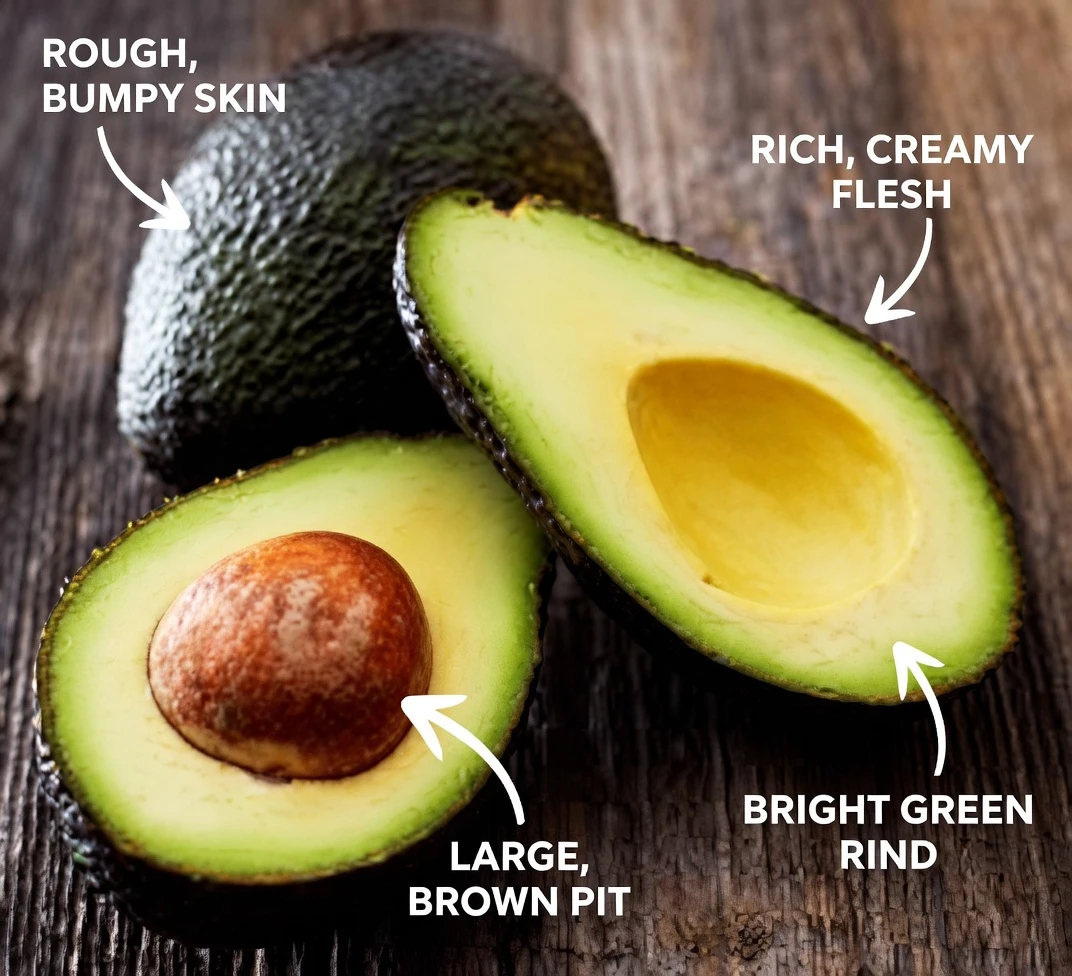
1. Avocados: Creamy, Filling, and Mineral-Rich
Avocados provide a meaningful amount of magnesium—about 58 mg per medium avocado (roughly 14% of daily needs)—and they’re also high in potassium, which supports fluid balance and normal muscle function. Their unsaturated fats can also support cardiovascular health, which matters for circulation.
Easy ways to eat them:
- Mash half an avocado onto whole-grain toast.
- Add slices to salads, bowls, or blend into smoothies for a creamy texture.
Because they’re satisfying and versatile, avocados can be easier to eat consistently than many “health foods.”
2. Dark Leafy Greens (Spinach, Kale): Nutrient Powerhouses
Leafy greens such as spinach and kale are well-known for their mineral density. Cooked spinach can provide roughly 78–157 mg of magnesium per cup (depending on preparation and portion), and these greens also contribute calcium, another mineral involved in muscle contraction.
Simple serving ideas:
- Sauté spinach with garlic and olive oil as a quick side.
- Stir kale into soups, or add it raw to wraps and salads for texture.
They also deliver a range of vitamins that can help you feel more energized—especially useful when cramps have disrupted your sleep.
3. Nuts and Seeds (Almonds, Pumpkin Seeds): Small Snack, Big Benefits
Nuts and seeds are one of the easiest ways to add magnesium without changing your entire meal plan. For example:
- Almonds: around 80 mg magnesium per ounce
- Pumpkin seeds: can reach up to ~150 mg per ounce
Practical ways to use them:
- Keep a small portion of almonds as an afternoon snack.
- Sprinkle pumpkin seeds over oatmeal, salads, or yogurt.
Beyond magnesium, they also offer protein and healthy fats, which can support steadier energy levels.
4. Legumes (Black Beans, Lentils): Affordable and Filling
Legumes are a strong option for building magnesium intake through everyday meals. Cooked black beans provide about 120 mg magnesium per cup, and they also supply potassium and fiber to support digestion and overall health. Lentils offer similar advantages and work well in many cuisines.
Ways to include them:
- Mix black beans into chili, tacos, or rice dishes.
- Make a lentil salad with chopped vegetables and a simple dressing.
They’re budget-friendly, shelf-stable, and easy to keep on hand—perfect for consistent habits.
5. Fatty Fish (Salmon, Sardines): Magnesium Plus Omega-3s
Fatty fish contributes a modest amount of magnesium—roughly 25–50 mg per serving, depending on the fish and portion. The bigger bonus is omega-3 fatty acids, which support circulation and help manage inflammation. Sardines can also provide calcium (from the edible bones).
Easy meal ideas:
- Bake salmon with herbs and lemon, aiming for two meals per week.
- Use canned sardines on crackers or in salads for a fast option.
This is a muscle-supportive choice with additional benefits for heart and brain health.

Quick Magnesium Comparison (Typical Serving Sizes)
- Avocado (1 medium): ~58 mg
- Cooked spinach (1 cup): ~78–157 mg
- Almonds (1 oz): ~80 mg
- Black beans (1 cup cooked): ~120 mg
- Salmon (3–4 oz): ~25–50 mg
Rotating these foods helps prevent boredom while improving your overall nutrient coverage.
A Simple 7-Day Starter Plan (Realistic and Sustainable)
You don’t need a total diet overhaul. Use this straightforward approach:
- Record 1–2 days of eating to see what’s missing.
- Choose 2–3 foods from the list you genuinely enjoy.
- Add one item per day, such as:
- Nuts as a snack, or
- Spinach added to eggs, soup, or pasta
- Prioritize hydration, since dehydration can worsen cramping.
- Pay attention for 7–10 days and note changes in sleep quality or muscle comfort.
- Check in with your clinician if cramps are frequent, severe, or worsening—especially if you take medications or have chronic conditions.
Small, consistent improvements tend to work better than perfection.
Key Takeaway: Small Food Choices Can Support Better Nights
Leg cramps don’t have to control your evenings. By adding magnesium-rich foods—avocados, leafy greens, nuts and seeds, legumes, and fatty fish—you give your muscles everyday nutritional support. These foods aren’t instant cures, but they are a sensible, enjoyable foundation for better muscle function and more restful sleep. For best results, combine dietary improvements with hydration, gentle stretching, and healthy sleep habits.
FAQ
How much magnesium do older adults need each day?
Based on NIH guidance, typical daily targets are:
- Men (31+): about 420 mg
- Women (31+): about 320 mg
Getting magnesium from food makes it easier to meet needs without going overboard.
Can these foods take the place of magnesium supplements?
Often, yes—whole foods provide magnesium along with other supportive nutrients and are generally a safer first step. Supplements may be appropriate if a clinician identifies a deficiency or specific medical need.
What if leg cramps continue even after diet changes?
Persistent cramps can be linked to factors such as medications, circulation issues, nerve problems, or other health conditions. If symptoms continue, consult a healthcare professional for evaluation.
Disclaimer: This content is for informational purposes only and does not replace medical advice. Always speak with your healthcare provider before changing your diet, especially if you have a medical condition or take prescription medications.