
Prostate Health and Aging: How Food Choices Can Help
As men get older, paying attention to prostate health becomes a key part of long-term wellness. The prostate is a small gland positioned between the bladder and the penis, in front of the rectum. Its main role is to produce fluid that helps nourish and protect sperm.
Common prostate-related conditions—such as benign prostatic hyperplasia (BPH / enlarged prostate), prostatitis (inflammation), and concerns linked to prostate cancer—can significantly affect comfort and quality of life. The American Cancer Society reports that prostate cancer is among the most frequently diagnosed cancers in men, with recent estimates around 313,780 new cases in the U.S., and it remains the second leading cause of cancer-related death in men after lung cancer.
No single food can prevent, treat, or cure prostate disease. However, research suggests that nutrient-dense whole foods—rich in antioxidants and anti-inflammatory compounds—may support prostate wellness as part of an overall healthy lifestyle. Below are six evidence-backed foods to consider, plus easy ways to include them in everyday meals.

Why Diet Matters for Prostate Health
Scientific evidence indicates that long-term eating patterns can influence prostate health. Antioxidants may help reduce oxidative stress, while certain plant compounds can support normal cellular function. These nutrition strategies are supportive—not promises or guarantees.
If you have symptoms (such as urinary changes or pelvic discomfort) or known risk factors, it’s best to talk with a qualified healthcare professional for personalized guidance.
1. Tomatoes: Lycopene-Rich Support
Tomatoes are well-known for lycopene, the antioxidant responsible for their red color. Multiple studies and reviews suggest that higher lycopene intake may be associated with a lower likelihood of certain prostate concerns.
A useful detail: lycopene is more bioavailable in cooked or processed tomatoes (such as sauces and soups) because heat helps break down plant cell structures, improving absorption.
Simple ways to eat more cooked tomatoes:
- Stir tomato sauce into pasta, grain bowls, or roasted vegetables
- Make salsa or gazpacho at home
- Choose low-sodium tomato juice occasionally
- Roast cherry tomatoes with olive oil as a side dish
Adding cooked tomato dishes a few times per week is a practical upgrade that also boosts flavor.
2. Broccoli and Other Cruciferous Vegetables: Sulforaphane Benefits
Broccoli is part of the cruciferous vegetable family, along with cauliflower, Brussels sprouts, kale, and cabbage. These vegetables contain sulforaphane, a plant compound that lab research and some human studies suggest may support healthy cellular processes, including mechanisms that affect abnormal cells more than normal ones.
To get the most from broccoli, lightly cook it and consider this technique: chop it and let it sit for a few minutes before heating, which can help activate beneficial compounds.
Fast ways to add cruciferous vegetables:
- Lightly steam broccoli and finish with garlic and lemon
- Add broccoli or kale to stir-fries, soups, and omelets
- Blend mild greens into smoothies
- Roast Brussels sprouts or broccoli with olive oil until crisp
Aim to include cruciferous vegetables several times per week to strengthen overall vegetable intake.

3. Green Tea: Catechins for Everyday Antioxidant Support
Green tea provides polyphenols—especially catechins like EGCG—known for antioxidant activity. Research, including work from Japan and broader scientific reviews, suggests these compounds may influence cellular signaling and processes related to prostate wellness.
Replacing one daily drink with green tea is an easy, low-effort habit that may reduce dependence on sugary beverages.
How to enjoy green tea consistently:
- Steep for about 2–3 minutes using hot (not boiling) water
- Consider 2–3 cups per day if it fits your routine
- Add lemon for flavor and extra vitamin C
- Try matcha for a more concentrated option
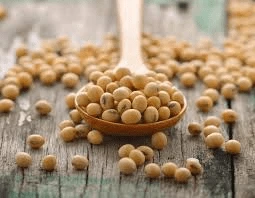
4. Soy Foods and Legumes: Phytoestrogens and Plant Protein
Soy-based foods (tofu, edamame, soy milk) and other legumes (beans, lentils) contain phytoestrogens, plant compounds that may support hormone-related balance and provide antioxidant effects. Observational research has linked higher soy intake with prostate-supportive outcomes in certain contexts, including possible associations with lower PSA measures in some studies. The National Cancer Institute has also referenced relevant observational connections.
Beyond prostate wellness, legumes and soy can support heart health by providing fiber and plant-based protein.
Easy ways to include soy and legumes:
- Use tofu in stir-fries, noodle dishes, or blended sauces
- Snack on steamed edamame with a pinch of salt
- Add lentils or black beans to salads and soups
- Replace some meat meals with chickpeas in tacos or curries
If you’re new to them, start with 1–2 servings per day and adjust based on digestion and preference.
5. Pomegranate (Juice or Seeds): Polyphenol Power
Pomegranates contain a wide range of polyphenols and bioactive compounds. Research summarized by sources such as the National Cancer Institute has examined pomegranate juice in prostate-related models, with findings suggesting it may influence certain cellular processes relevant to healthy function.
Choose 100% pomegranate juice (or whole seeds) when possible. If the flavor is too tart, dilute with water or mix with other unsweetened options.
Practical ways to enjoy pomegranate:
- Drink about 4–8 oz of juice
- Sprinkle seeds over yogurt, oats, or salads
- Blend into smoothies
- Mix juice with sparkling water for a lighter drink

6. Fatty Fish: Omega-3s and Inflammation Control
Fatty fish—such as salmon, sardines, mackerel, and trout—are excellent sources of omega-3 fatty acids, which are widely studied for their anti-inflammatory properties. Research, including studies from Canada and other populations, has explored how omega-3 intake from fish may relate to prostate health outcomes.
Whole-food sources are generally preferred. If you’re considering omega-3 supplements, discuss it with a clinician—especially if you take blood thinners or have medical conditions.
Simple ways to eat more fatty fish:
- Bake or grill salmon about twice per week
- Add canned sardines to salads or whole-grain toast
- Use mackerel in fish cakes or patties
- Choose wild-caught options when feasible
Two servings weekly is a common and achievable goal for omega-3 intake.
Quick Start Guide: Simple Changes You Can Make This Week
Use these small steps to build a prostate-friendly eating routine:
- Prep vegetables in advance: chop broccoli and portion tomatoes for quick meals
- Swap one drink daily: choose green tea instead of a sugary beverage
- Go plant-forward: try a meatless day using tofu, beans, or lentils
- Upgrade snacks: keep edamame or pomegranate seeds ready to eat
- Schedule fish meals: plan two seafood dinners each week
- Track how you feel: note energy, digestion, and consistency after 3–4 weeks
Consistency usually matters more than perfection.
Conclusion
A diet that regularly includes tomatoes, cruciferous vegetables (like broccoli), green tea, soy and legumes, pomegranate, and fatty fish can be a realistic, food-based way to support prostate wellness. These options provide antioxidants, anti-inflammatory nutrients, and plant compounds that have been explored across multiple studies.
For best results, pair nutrition with regular medical checkups, physical activity, good sleep, and a balanced lifestyle.
FAQ
1) Can these foods prevent prostate problems?
No. There is no guaranteed prevention through diet alone. Still, research suggests these foods may support prostate health when included in a consistent, balanced eating pattern.
2) How much should I consume?
A reasonable goal is variety and consistency:
- Several servings of fruits and vegetables daily
- About 2–3 cups of green tea (if tolerated)
- 1–2 servings of soy/legumes per day
- Two servings of fatty fish per week
Adjust based on personal needs, preferences, and medical advice.
3) Are supplements an equal substitute?
Usually not. Whole foods provide better nutrient synergy and absorption. Speak with a healthcare professional before using supplements, especially if you take medications or manage chronic conditions.
Disclaimer
This article is for informational purposes only and does not provide medical advice, diagnosis, or treatment. Always consult a qualified healthcare professional regarding symptoms, screening, or changes to your diet and supplement routine.