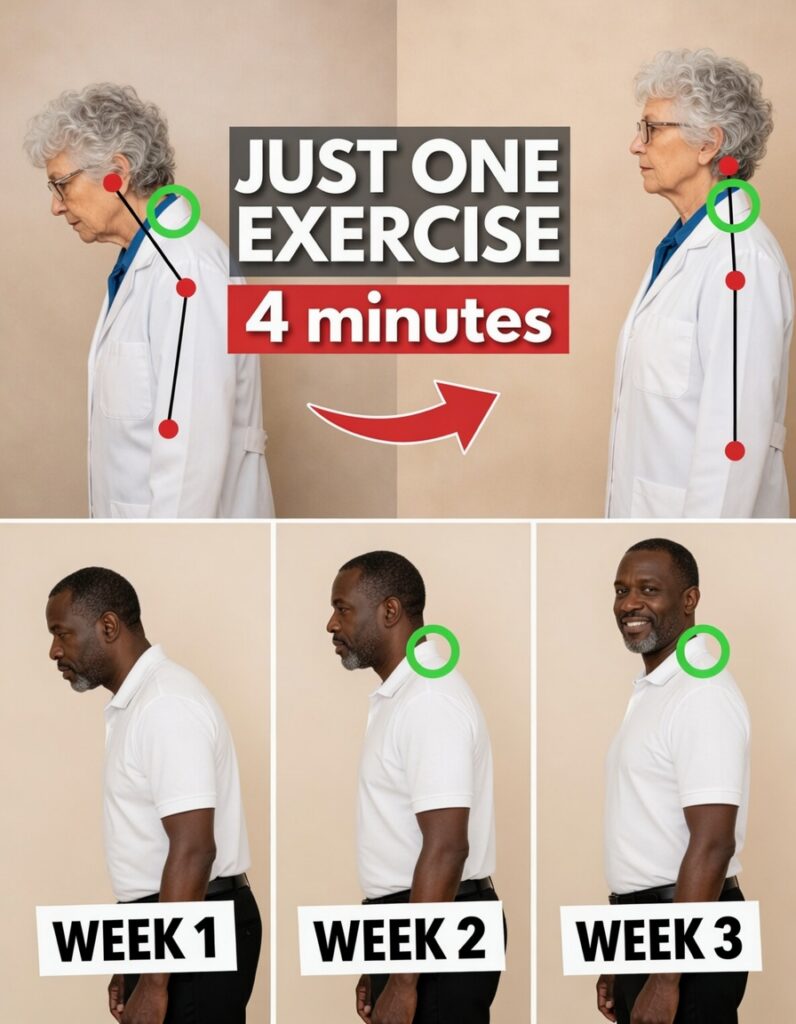
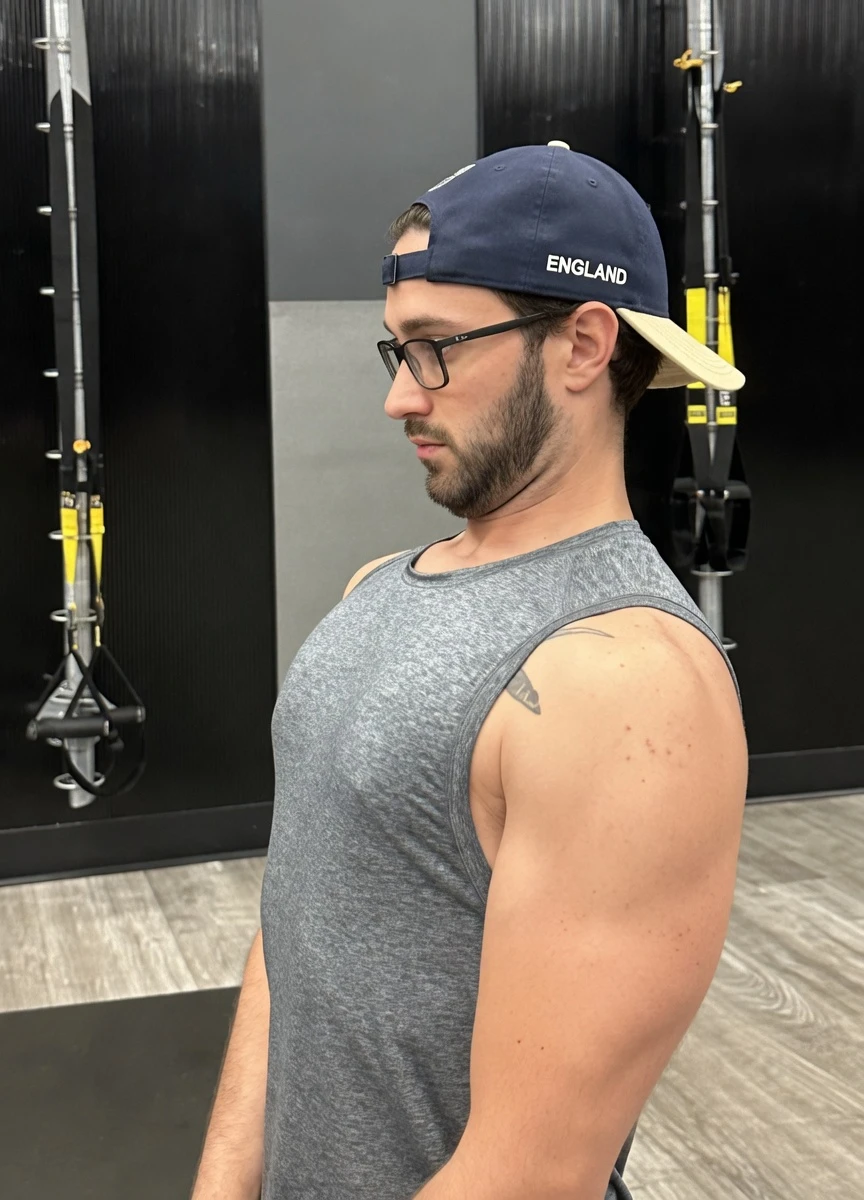
Many adults over 60 begin to notice their head drifting forward during everyday activities—reading, watching television, or scrolling on a phone. This common pattern, often called forward head posture (FHP), typically develops from a mix of weakened neck and upper-back muscles and years of habits like looking down, slouching, or sitting with rounded shoulders. Over time, that shift can increase stress on the neck and upper spine, affecting comfort, mobility, and how easy it feels to move through daily life.
The encouraging news: gentle, consistent exercises can help support better alignment, reduce tightness, and improve how you carry yourself—without complicated equipment or long workouts.
Forward Head Posture After 60: What It Is and Why It Happens
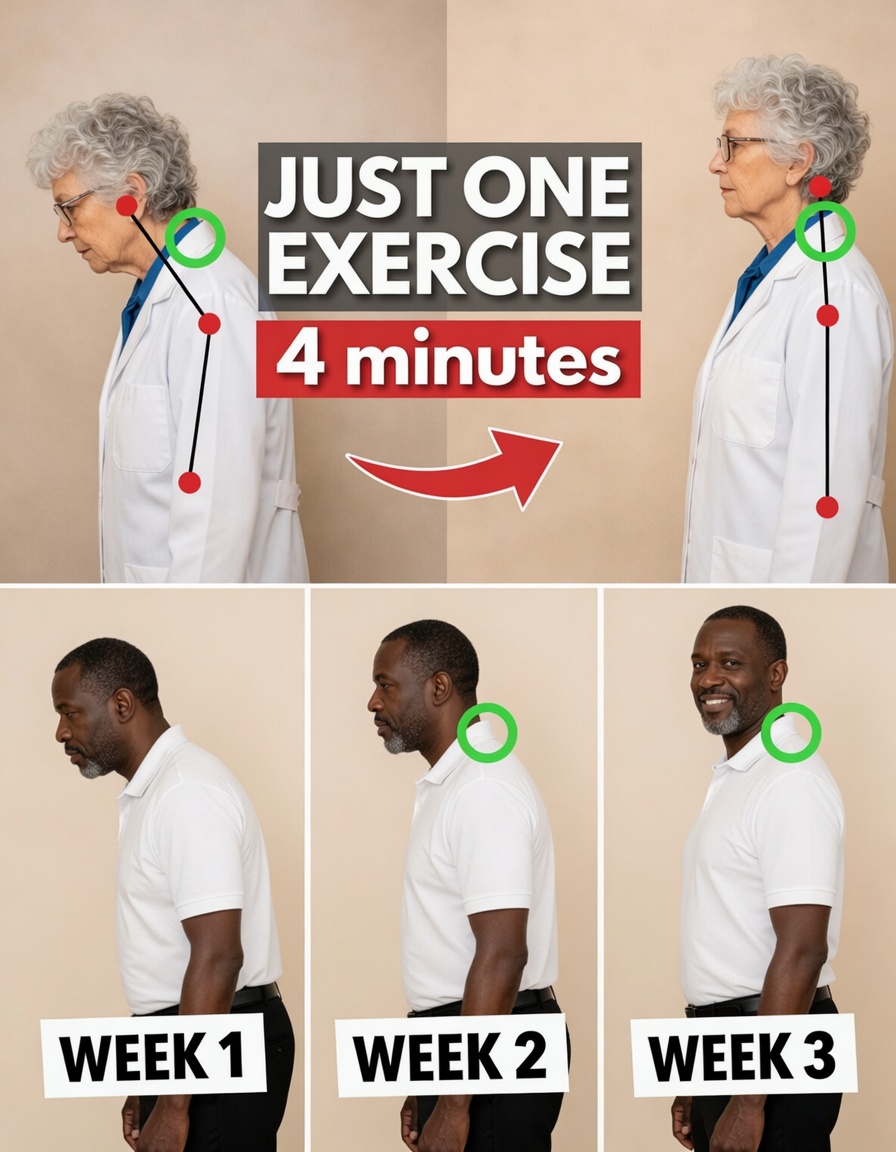
Forward head posture occurs when the head sits in front of the shoulders rather than stacking naturally over them. As people age, this alignment issue becomes more frequent, influenced by natural changes such as reduced muscle strength, less time spent in varied movement, and long periods held in the same positions.
Many studies and clinical observations point to a common combination of factors:
- Weak deep neck flexors (the stabilizing muscles in the front of the neck)
- Weakened upper-back muscles (important for holding the shoulder blades in a better position)
- Tight chest and front-shoulder muscles (often shortened by rounded posture)
Daily habits can reinforce the pattern for decades—looking down at a screen, leaning toward a book, or sitting with the upper back rounded. As the head shifts forward, the cervical spine must handle more load, which may contribute to:
- Neck and shoulder stiffness
- Reduced range of motion
- Upper-back discomfort or fatigue
Physical therapists commonly emphasize that low-impact, targeted movements can help address these imbalances by opening the chest and reactivating key support muscles.
Why Chest Mobility and Neck Support Matter More With Age
With aging, muscle imbalances can become more noticeable. Chest and front-shoulder tissues may tighten from years of rounded positioning, while stabilizing muscles—especially in the deep neck and upper back—may weaken due to underuse. This imbalance often creates a loop: the more the front tightens and the stabilizers weaken, the easier it becomes for the head to drift even further forward.
A posture-focused approach usually includes two key elements:
- Stretching tight muscles (especially the pectorals and front shoulders) to reduce pulling forces
- Strengthening supportive muscles in the neck and upper back to improve control and alignment
The biggest payoff doesn’t come from doing more—it comes from doing a few movements correctly and consistently, even if it’s only a few minutes per day.
A Simple 4-Minute Daily Routine to Improve Forward Head Posture
This quick routine combines four gentle exercises to help release tight areas and activate postural muscles. Do it once daily—morning, evening, or any time you’ll remember. Move slowly, breathe normally, and stop if you feel sharp pain. Mild stretching is fine; forcing is not.
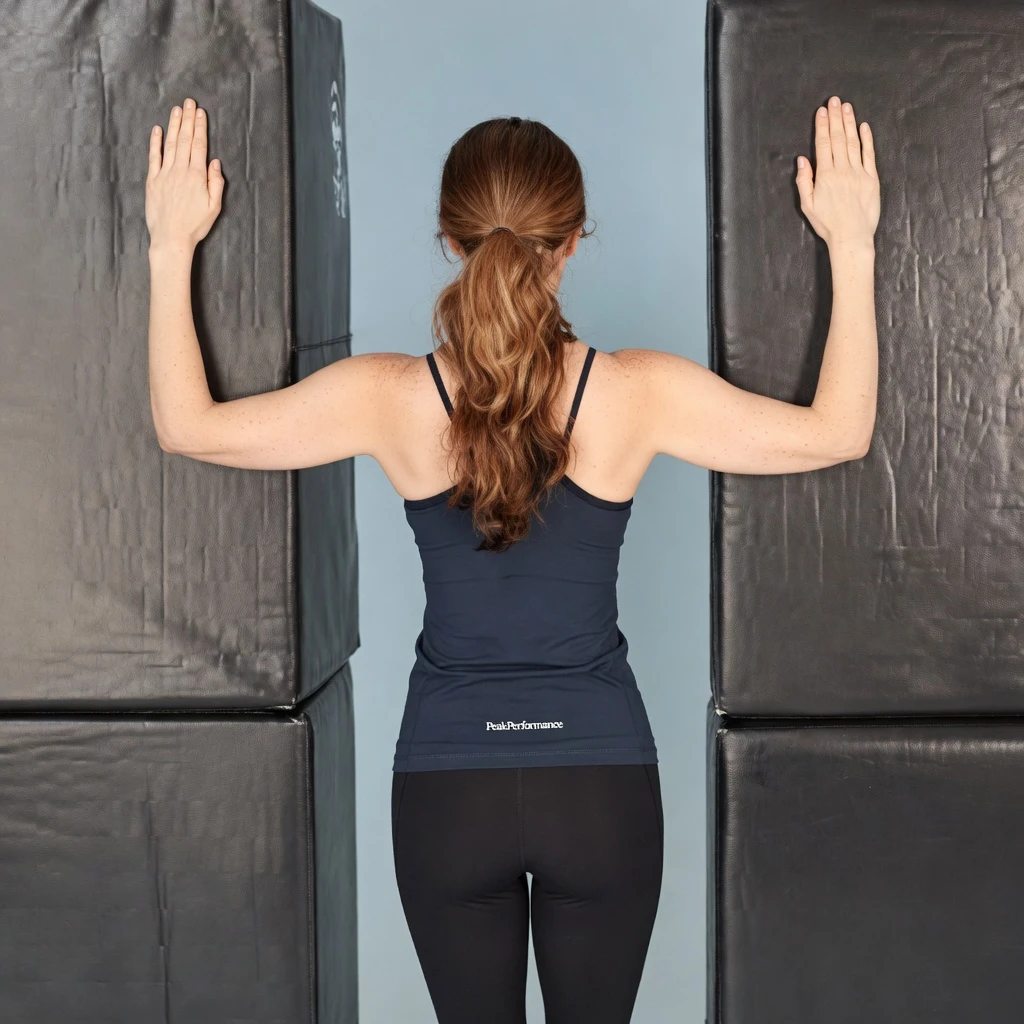
1) Doorway Chest Stretch (1 minute)
- Stand in a doorway or at a corner wall.
- Place your forearms against the doorframe/wall at about shoulder height, elbows bent.
- Step or lean forward gently until you feel a comfortable stretch across the chest and the front of the shoulders.
- Hold 30–60 seconds, breathing steadily.
Why it helps: This opens the front of the body and counters the rounded posture that often drives forward head position.
2) Chin Tucks (1 minute)
- Sit or stand tall, eyes looking forward.
- Place 1–2 fingers lightly on the chin as a guide.
- Pull the chin straight back (as if making a small “double chin”), without tipping the head up or down.
- Hold 5 seconds, then relax.
- Repeat 10 times.
Why it helps: Chin tucks activate the deep neck flexors, which support healthier head alignment.
3) Shoulder Rolls (1 minute)
- Stand upright with arms relaxed at your sides.
- Roll shoulders up, then back, then down in a smooth circle.
- At the bottom, gently squeeze the shoulder blades together.
- Do 10–15 backward rolls.
Why it helps: Encourages better shoulder positioning and supports a more open chest.
4) Side Neck Stretch (1 minute)
- Sit or stand comfortably.
- Tilt your head gently toward one shoulder while keeping the opposite shoulder relaxed and down.
- You may place a hand lightly on the head for minimal added pressure (optional).
- Hold 30 seconds per side.
Why it helps: Reduces tension along the side of the neck—often tight when the head and shoulders drift forward.
Many people notice they feel looser and more upright after a few consistent sessions, especially when form stays gentle and controlled.
How to Make These Posture Exercises a Lasting Habit
Small changes done regularly tend to work better than occasional intense effort. To stay consistent:
- Set a daily reminder on your phone.
- Attach the routine to an existing habit (for example, after brushing your teeth).
- Do quick posture check-ins: imagine a string lifting the crown of your head upward.
- Stay hydrated and include light walking, which supports overall mobility and muscle health.
- If you sit for long periods, choose a chair with solid lumbar support and avoid collapsing through the upper back.
For posture correction after 60, consistency beats intensity almost every time.
FAQs: Forward Head Posture in Seniors
How soon can I notice improvement?
Some people feel reduced tightness and better posture awareness within a few weeks of daily practice. Results vary depending on your starting posture, daily habits, and consistency.
Are these exercises safe if I already have neck problems?
These movements are generally gentle and commonly used in senior-friendly routines. However, if you have diagnosed spinal conditions, significant neck pain, or neurological symptoms, consult a qualified healthcare professional before beginning.
Can forward head posture affect more than just the neck?
Yes. Over time, forward head positioning can contribute to upper-back strain, shoulder discomfort, and may even affect balance or breathing comfort in some individuals.
Conclusion
A short daily routine that combines chest stretching with neck and shoulder support exercises can be a practical step toward improving forward head posture after 60. With patience and steady practice, many people find they move more comfortably and feel more upright during everyday activities.
Disclaimer: This article is for informational purposes only and does not provide medical advice. The suggestions are general and may not be appropriate for everyone. Always consult a qualified healthcare professional before starting a new exercise routine, especially if you have neck pain, spinal conditions, or other health concerns.