Plaque vs. Tartar: What That Gritty Feeling Really Means
You glide your tongue across your teeth and feel it again—that rough, sandpaper-like layer that seems to show up out of nowhere. It’s more than an annoyance: everyday eating can quickly feed plaque buildup, leaving an off-white film near the gumline, contributing to bad breath, and sometimes irritating your gums. And if you’ve ever had tartar scraped off at the dentist, you already know it’s not a pleasant thought—especially when you’re hoping for gentler, day-to-day ways to support your oral care routine.
The good news is that a few simple habits—often using items you may already have in your kitchen—can help reduce soft plaque and slow tartar formation over time. These strategies don’t replace brushing, flossing, or professional cleanings, but they can complement them in a practical way. Below are nine options worth trying, and the real magic often happens when you combine a few consistently.
Why Plaque Hardens into Tartar (and Why Early Action Matters)
Plaque is a soft, sticky biofilm made of bacteria, saliva, and food particles that forms on teeth continuously. When plaque isn’t removed regularly, minerals in saliva can harden it into tartar (calculus)—sometimes in just a few days. Once tartar sets, it typically requires professional removal.
This matters because buildup along the gumline can contribute to gum irritation, tooth sensitivity, and staining—concerns many people notice more as they age. The key is targeting plaque while it’s still soft, before it calcifies.
9 Natural Ways to Support Plaque Control and Slow Tartar
9. Snack on Crunchy Raw Fruits and Vegetables
Crisp foods like apples, carrots, and celery act like nature’s gentle polishers. Their fibrous texture can help sweep away loose debris while chewing, and they also stimulate saliva production, which helps rinse bacteria and neutralize acids after meals.
- Best time to use: after lunch or dinner
- Easy idea: add one crunchy fruit or vegetable as a “finisher” after meals
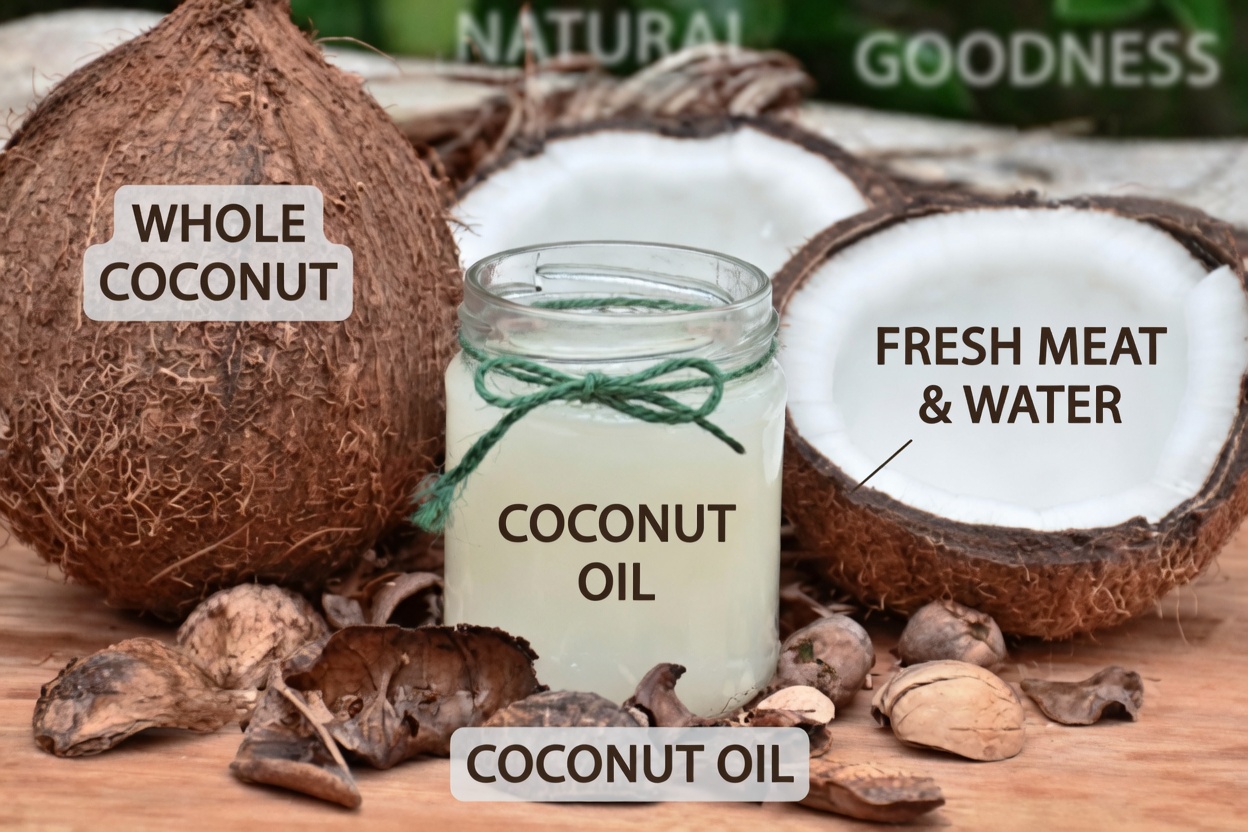
8. Use Coconut Oil Pulling in the Morning
Oil pulling involves swishing coconut oil in the mouth to help trap bacteria and loosen debris. A common method is to swish 1 tablespoon for 10–20 minutes, then spit it out and brush as usual.
Some studies suggest coconut oil pulling may help reduce plaque and support gum health, likely due to coconut oil’s lauric acid and antimicrobial properties. Many people report a cleaner, smoother feel with consistent use.
- Best time to use: morning, before brushing
- Important: spit into the trash (not the sink) to avoid clogging pipes
7. Brush Occasionally with a Baking Soda Paste
Mix a small amount of baking soda with water to form a paste, then brush gently. Baking soda is mildly abrasive, which may help lift soft plaque when used sparingly.
Reviews of research on baking soda tooth products often show improved plaque reduction compared to non–baking soda options, while remaining generally safe for enamel when not overused.
- Frequency: 1–2 times per week, not daily
- Tip: use light pressure and a soft brush to avoid irritation
6. Rinse with Diluted White Vinegar (With Care)
A highly diluted vinegar rinse may help discourage bacterial growth. Mix 2 teaspoons of white vinegar into 1 cup of warm water, swish for about 30 seconds, then rinse thoroughly with plain water.
Because vinegar is acidic, dilution and a water rinse afterward are essential to help protect enamel.
- Frequency: up to daily if tolerated
- Do: rinse well with water afterward
- Don’t: use undiluted vinegar
5. Rub Teeth Gently with Fresh Orange Peel
Using the inner white side of a fresh orange peel, rub lightly over teeth for a minute or two, then rinse well. Orange peel contains natural compounds such as vitamin C and limonene that may offer mild antimicrobial support.
- Frequency: 2–3 times per week
- Note: rinse afterward to reduce prolonged acid exposure
4. Apply Pure Aloe Vera Gel to Teeth and Gums
A small amount of pure aloe vera gel applied to teeth and along the gumline may help soothe tissues and support a healthier oral environment. Some studies and clinical insights associate aloe vera with gum-calming effects and microbial balance.
- How to use: dab on briefly, then rinse or brush
- Best for: people prone to gum tenderness
3. Try Alcohol-Free Herbal or Essential Oil Mouth Rinses
Herbal and essential oil-based rinses (such as clove or tea tree formulations) can help target plaque-causing bacteria, especially when used after meals.
Evidence suggests essential oils may reduce signs of gingivitis when used alongside core habits like brushing and flossing. For daily comfort, many people prefer alcohol-free versions.
- Best time to use: after meals or before bed
- Choose: reputable products and gentle formulas
2. Stick to the Non-Negotiables: Floss Daily + Brush Properly
No natural method outperforms consistent fundamentals. Flossing reaches the tight spaces where plaque hides, and brushing removes film before it hardens.
For best results:
- Floss thoroughly once daily (ideally at night).
- Brush twice daily for 2 full minutes.
- Use a soft-bristled toothbrush and fluoride toothpaste.
Major dental organizations emphasize this combination as the foundation for controlling plaque and preventing tartar.
1. Increase Saliva Naturally with Sugar-Free Gum and Hydration
Saliva is one of your body’s best defenses. It helps wash away particles, neutralize acids, and slow bacterial overgrowth. Chewing sugar-free gum after meals can significantly increase saliva flow, especially when paired with good hydration throughout the day.
- Best time to use: right after meals and snacks
- Bonus: often improves breath freshness quickly
Quick Comparison: Which Options Fit Your Routine?
- Baking soda paste: helps lift soft plaque; overuse may irritate enamel → 1–2x/week
- Coconut oil pulling: may reduce plaque and bacteria → daily morning, 10–20 minutes
- Crunchy produce: natural sweep + saliva boost → after meals/snacks
- Diluted vinegar rinse: antibacterial support; must rinse after → diluted, optional daily
- Orange peel rub: natural compounds may support oral freshness → 2–3x/week
- Aloe vera gel: soothing, supportive for gums → as needed
- Herbal/essential oil rinses: supports gum health alongside brushing/flossing → daily or after meals
- Floss + brush: core plaque removal → every day
- Sugar-free gum + water: saliva support → after meals, all day hydration
Combining two or three methods often produces more noticeable results than relying on only one.
Realistic Results: Small Habits Can Add Up
Many people notice improvements when they stack simple changes. For example, someone who adds weekly baking soda brushing plus morning oil pulling may see less buildup over time at cleanings. Another person who relies on crunchy snacks and occasional orange peel rubs might report smoother-feeling teeth and calmer gums.
Outcomes vary based on diet, brushing technique, saliva flow, and genetics—but consistency and professional care make the biggest difference.
How to Build a Safe, Effective Natural Routine
Start small and stay consistent:
- Choose 2–3 methods that feel easy to maintain.
- Track changes for a month (smoothness, breath freshness, gum comfort).
- Keep your routine gentle and enamel-friendly.
Important safety reminders:
- Use light pressure when brushing—scrubbing hard can damage enamel and irritate gums.
- After any acidic method (like vinegar or citrus), rinse well with water.
- Keep regular dental visits (often every 6 months) for cleanings and checkups—natural supports help alongside professional care, not instead of it.
- If you develop sensitivity, irritation, or pain, stop the method and consult a dental professional.
Start Supporting a Cleaner, Smoother Smile Today
From crunchy produce and coconut oil pulling to careful baking soda use and saliva-boosting gum, these nine strategies offer practical ways to help control plaque and slow tartar buildup naturally. When you build a routine you can actually stick to, you’re more likely to notice fresher breath, smoother teeth, and more confidence in your smile over time.
Quick tip: chewing sugar-free gum after meals can noticeably increase saliva flow—try it after your next meal for an easy, immediate boost.
Disclaimer: This article is for informational purposes only and is not a substitute for professional dental advice, diagnosis, or treatment.