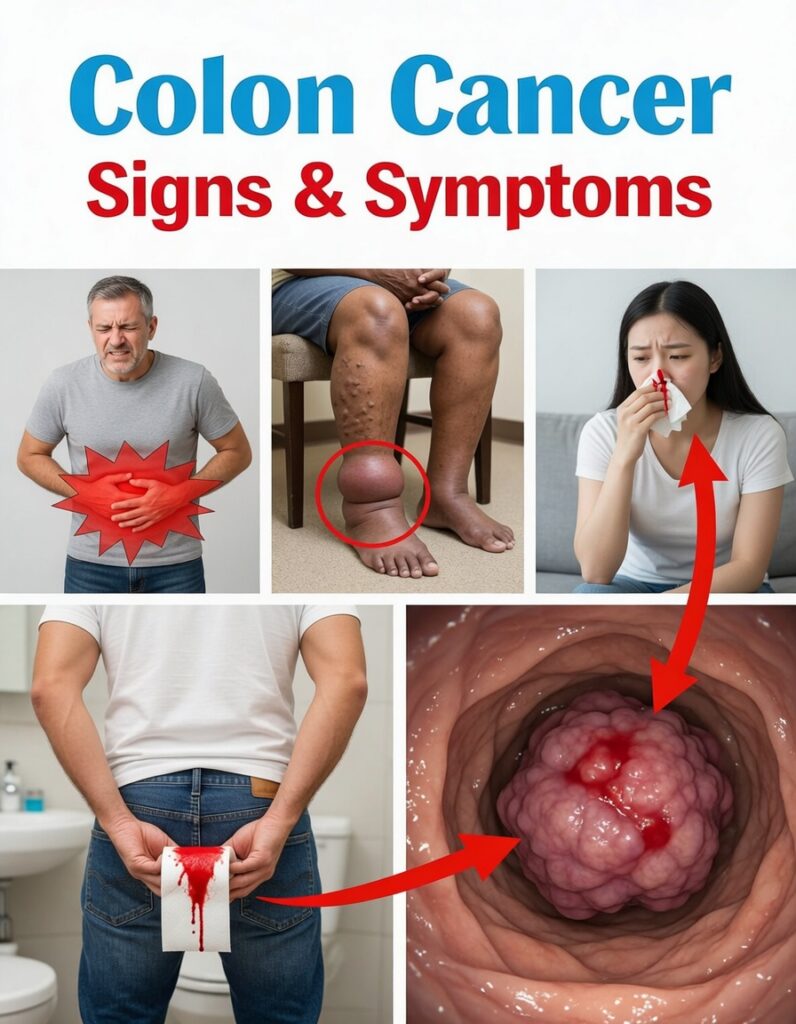
Subtle Gut Changes You Shouldn’t Ignore: Why Early Colon Cancer Clues Matter
You wake up with a familiar, nagging discomfort in your stomach and assume it’s last night’s dinner or everyday stress. Recently, you may also feel more tired than usual, and your bathroom habits don’t seem as consistent as they used to be—small shifts that are easy to dismiss when life is busy.
But those “minor” changes can sometimes be your body’s quiet warning system for something more serious, including colon cancer (colorectal cancer). Below, you’ll learn the often-missed symptoms, what may cause them, and why noticing patterns early can lead to better outcomes through timely medical evaluation and screening.
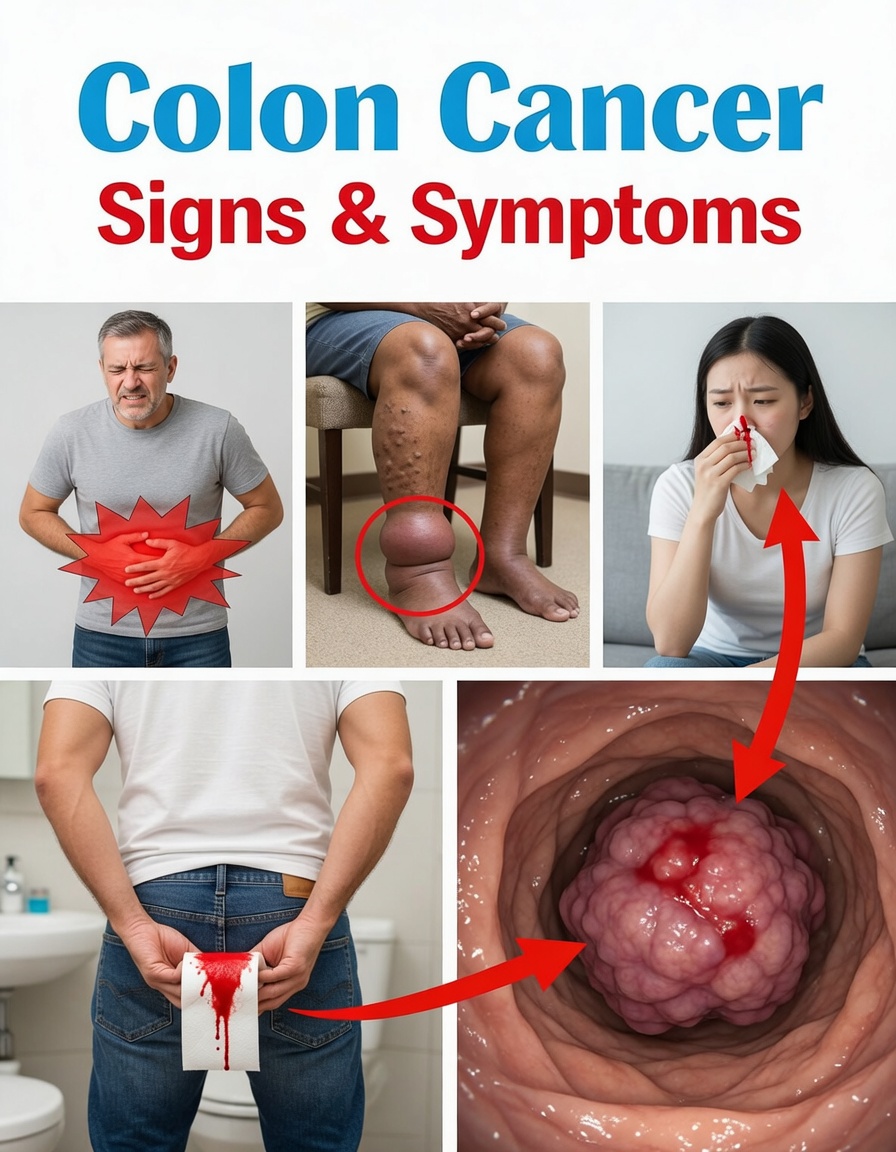
Why Early Detection of Colon Cancer Is So Important
Colorectal cancer often begins slowly, developing from polyps in the lining of the colon or rectum. In the early stages, many people feel completely normal. As polyps grow or become cancerous, they can start to interfere with digestion and bowel function.
The American Cancer Society estimates roughly 154,000 new colorectal cancer cases in the U.S. in 2025, keeping it among the most common cancers. Encouragingly, greater screening use and improved awareness have contributed to lower death rates in older adults over time.
A critical point is frequently overlooked: subtle symptoms can show up long before severe problems appear. If you ignore early changes, you may miss a window where a screening could find and remove polyps before they become dangerous. Recognizing early signs helps you start a conversation with a clinician and potentially change the trajectory.
What Causes These Symptoms?
Many colon cancer symptoms arise because tumors or polyps disrupt how the colon works. They may:
- Narrow the intestinal passage and slow stool movement
- Irritate the lining and trigger cramping or inflammation
- Bleed slightly over time, leading to iron loss and anemia
- Affect absorption and appetite, contributing to weight changes
Understanding the “why” behind each symptom can help you respond calmly and appropriately—taking action without jumping to conclusions.

9 Unexpected Signs of Colon Cancer (and Why They Happen)
9) Ongoing Changes in Bowel Habits
If your normal routine shifts—such as new constipation, diarrhea, or switching between both—and it lasts for weeks, take note. A growth can partly block the colon, changing how stool moves through the intestine. It may look like a diet issue at first, but persistence is the key signal.
8) Blood in the Stool or Rectal Bleeding
You might notice bright red blood on toilet paper or darker, tar-like stools. This can happen when a polyp or tumor becomes irritated and bleeds as stool passes. It’s often mistaken for hemorrhoids, but it remains an important red flag.
7) Daily Abdominal Discomfort That Doesn’t Settle
Recurring cramps, gas, pressure, or bloating that keeps returning—especially without a clear trigger—can occur when the colon lining is inflamed or irritated. It may resemble IBS, but a persistent pattern deserves attention.
6) Unexplained Fatigue or Weakness
Feeling exhausted despite rest can be more than a busy schedule. Slow, ongoing bleeding may lead to iron-deficiency anemia, which commonly causes fatigue. This is a well-recognized concern referenced by organizations such as the American Cancer Society.
5) The Feeling That You Can’t Fully Empty Your Bowels
That lingering sensation of “not done yet” after using the bathroom (often called tenesmus) can happen when a growth presses on nerves or partially blocks the rectum or lower colon.
4) Unintentional Weight Loss
Losing weight without trying can occur because cancer may alter metabolism, reduce appetite, or interfere with how your body uses nutrients. It’s more typical in later stages, but it can appear earlier—especially alongside other changes.
3) Persistent Bloating or Feeling Full Quickly
If you feel unusually full after small meals or notice ongoing abdominal swelling, it may reflect disrupted digestion from partial obstruction, gas buildup, or altered bowel function. When it doesn’t improve with simple dietary adjustments, it’s worth discussing.

2) Narrow, Thin, or Ribbon-Like Stools
Stool that becomes consistently thinner than usual can happen when a tumor reduces the space stool has to pass through. If this change persists, it should not be brushed off as “just something I ate.”
1) Abdominal Pain That Won’t Go Away
Pain may range from dull aching to sharper discomfort and may worsen over time. It can come from inflammation, cramping around a narrowed area, or a developing blockage. Many conditions can cause belly pain, but long-lasting pain with other symptoms is especially important to evaluate.
Colon Cancer Symptoms vs. Common Everyday Explanations
These symptoms can overlap with non-cancer issues. What matters most is duration, consistency, and clustering (multiple symptoms together).
-
Bowel habit changes
- Possible colon-related cause: narrowing from a growth
- Common non-cancer causes: stress, diet changes
-
Blood in stool
- Possible colon-related cause: bleeding from an irritated polyp/tumor
- Common non-cancer causes: hemorrhoids, anal fissures
-
Abdominal discomfort
- Possible colon-related cause: irritation/inflammation or spasms
- Common non-cancer causes: indigestion, gas
-
Fatigue
- Possible colon-related cause: anemia from slow blood loss
- Common non-cancer causes: poor sleep, low dietary iron
-
Unexplained weight loss
- Possible colon-related cause: metabolic and absorption changes
- Common non-cancer causes: illness, stress
If symptoms last for weeks or you notice more than one sign at the same time, it’s wise to seek medical guidance.
What to Do Next: Safe, Practical Steps
If you’re unsure how seriously to take these changes, start with straightforward actions:
-
Track symptoms for patterns
- Keep a brief journal for about two weeks: meals, bowel changes, pain, fatigue, and bleeding.
-
Book a medical appointment
- Share specifics and mention family history, previous polyps, or other risk factors.
-
Ask about colon cancer screening
- For people at average risk, many guidelines recommend starting at age 45.
- A colonoscopy can detect and remove polyps early, and modern sedation typically makes it manageable.
-
Support colon health with daily habits
- Regular physical activity and a fiber-rich diet (fruits, vegetables, whole grains) are commonly recommended and may help lower risk.
If several symptoms from the list apply to you, don’t wait—early evaluation often brings either reassurance or quick next steps.
Conclusion: Take Subtle Signals Seriously—Without Panic
Small changes like bowel habit shifts, blood in stool, ongoing fatigue, and persistent bloating can have many causes. Yet they can also reflect internal disruptions linked to colorectal cancer. Paying attention doesn’t mean assuming the worst—it means choosing clarity. Symptom tracking and timely screening can provide answers and, when needed, catch problems early.
FAQ
What early colon cancer symptoms do people commonly overlook?
Frequently missed signs include mild but persistent bowel habit changes, ongoing bloating, and fatigue that can result from anemia.
How long should bowel changes last before I contact a doctor?
If constipation, diarrhea, or irregularity continues for more than a few weeks without an obvious reason, it’s time to discuss it with a healthcare professional.
Can lifestyle habits reduce colon cancer risk?
Many health organizations associate lower risk with regular exercise, a diet rich in fiber, fruits, and vegetables, and avoiding smoking and excess alcohol.
Medical disclaimer: This article is for informational purposes only and does not replace professional medical advice. Always consult a qualified healthcare provider for personal guidance about symptoms, screening, or treatment.