Prostate Health Worries After 40: Why Vitamin K Precursors Are Getting Attention
Concern about prostate health can feel overwhelming—especially from your 40s onward, when changes in urination, sleep quality, or energy start to feel more plausible. That uncertainty can add stress, disrupt routines, and strain relationships. At the same time, new research into a Vitamin K precursor is opening an unexpected window into how certain cellular processes work, and what that might mean for nutritional support and long-term wellness.
What Is a Vitamin K Precursor—and Why Does It Matter?
A Vitamin K precursor is a compound the body can convert into active Vitamin K forms. One well-known example is menadione (Vitamin K3). While Vitamin K is widely recognized for its role in blood clotting, researchers are increasingly interested in how Vitamin K-related compounds may influence cell behavior in broader ways.
For many adults navigating midlife health concerns—including anxiety about prostate problems—learning how nutrition intersects with cellular function can feel empowering, even if research is still developing.
What Recent Studies Suggest About Vitamin K Precursors
In lab and animal research, scientists have been investigating how a Vitamin K precursor interacts with cancer cells. A notable set of findings from Cold Spring Harbor Laboratory reported that menadione sodium bisulfite appeared to slow prostate cancer progression in mice, potentially by acting on specific lipids inside cells.
For people who feel uneasy about worsening health outcomes or the pressure of regular screenings, these early observations are drawing attention to natural-compound research as a supportive area worth watching—while still recognizing it is not a substitute for medical care.
How a Vitamin K Precursor May Work Inside Cells
At a cellular level, a Vitamin K precursor may trigger oxidative stress, which can interfere with critical internal processes. One area researchers are focused on is how cells identify and manage lipids—molecules that play essential roles in sorting, signaling, and survival.
In prostate-related models, studies suggest menadione may target a lipid called PI(3)P, contributing to a distinctive type of cellular disruption. This line of research is also linked to a proposed new pathway of cell death that scientists are exploring in more depth.
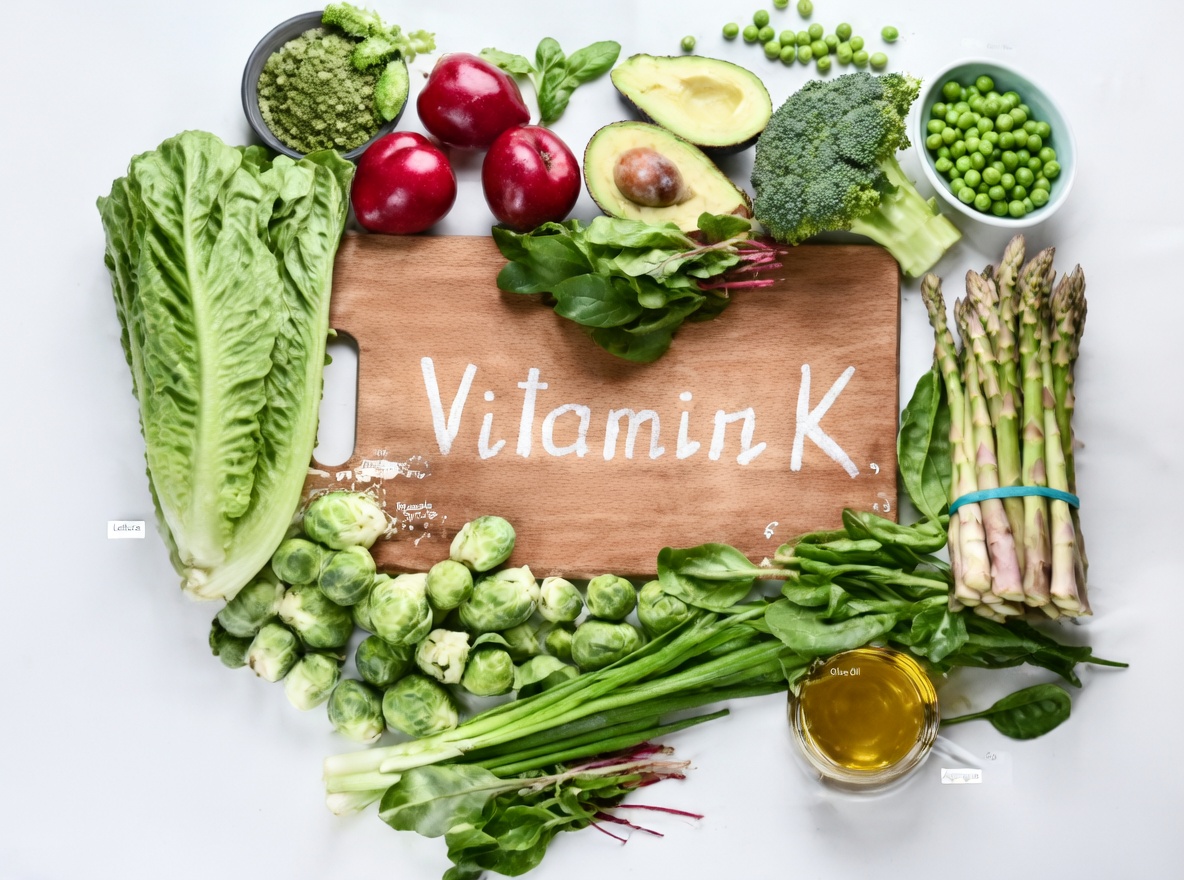
Dietary Sources That Support Vitamin K Activity
Many people wonder whether everyday food choices can meaningfully support health as they age. While menadione itself is typically discussed as a synthetic precursor, your diet can provide other forms of Vitamin K that the body uses in related pathways.
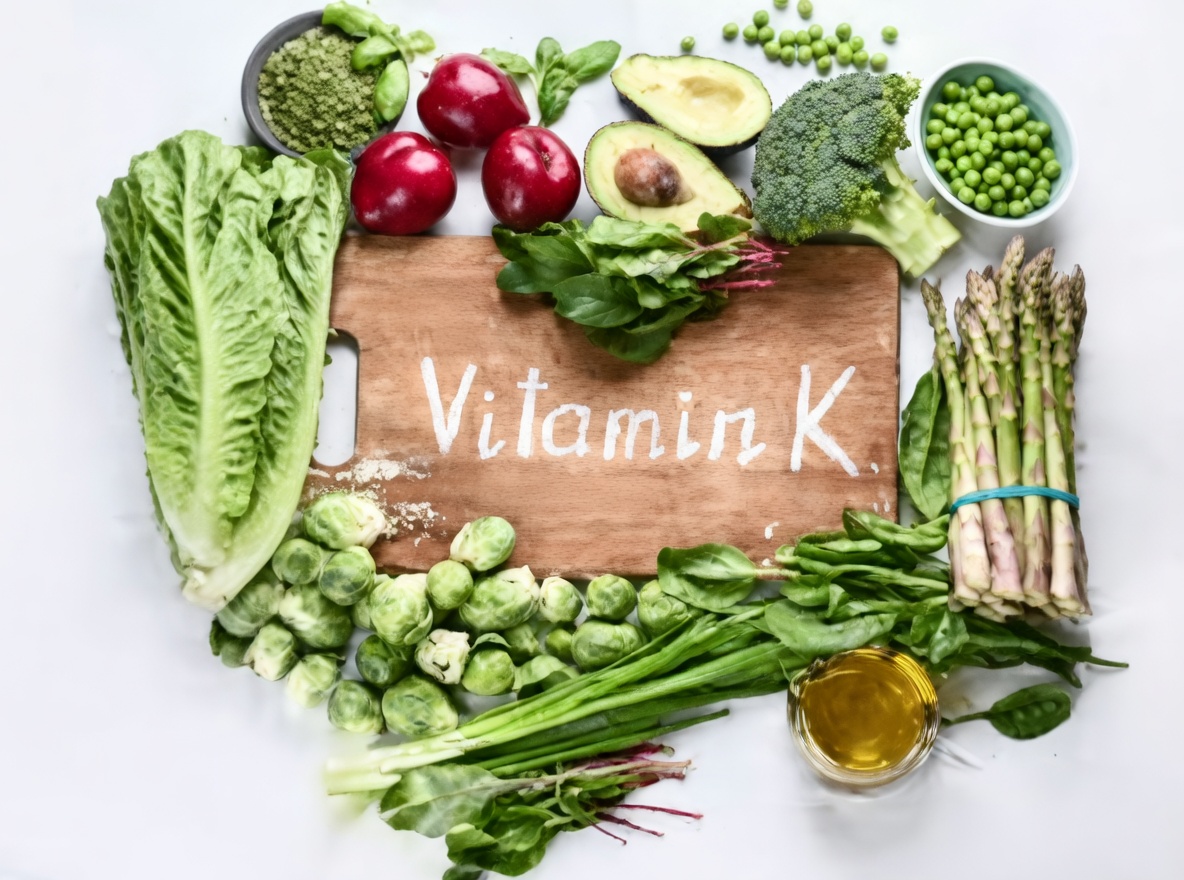
- Leafy greens supply Vitamin K1 (phylloquinone)
- Fermented foods provide Vitamin K2 (menaquinones)
These foods won’t “treat” prostate conditions, but they can help close common nutritional gaps and support overall wellness.
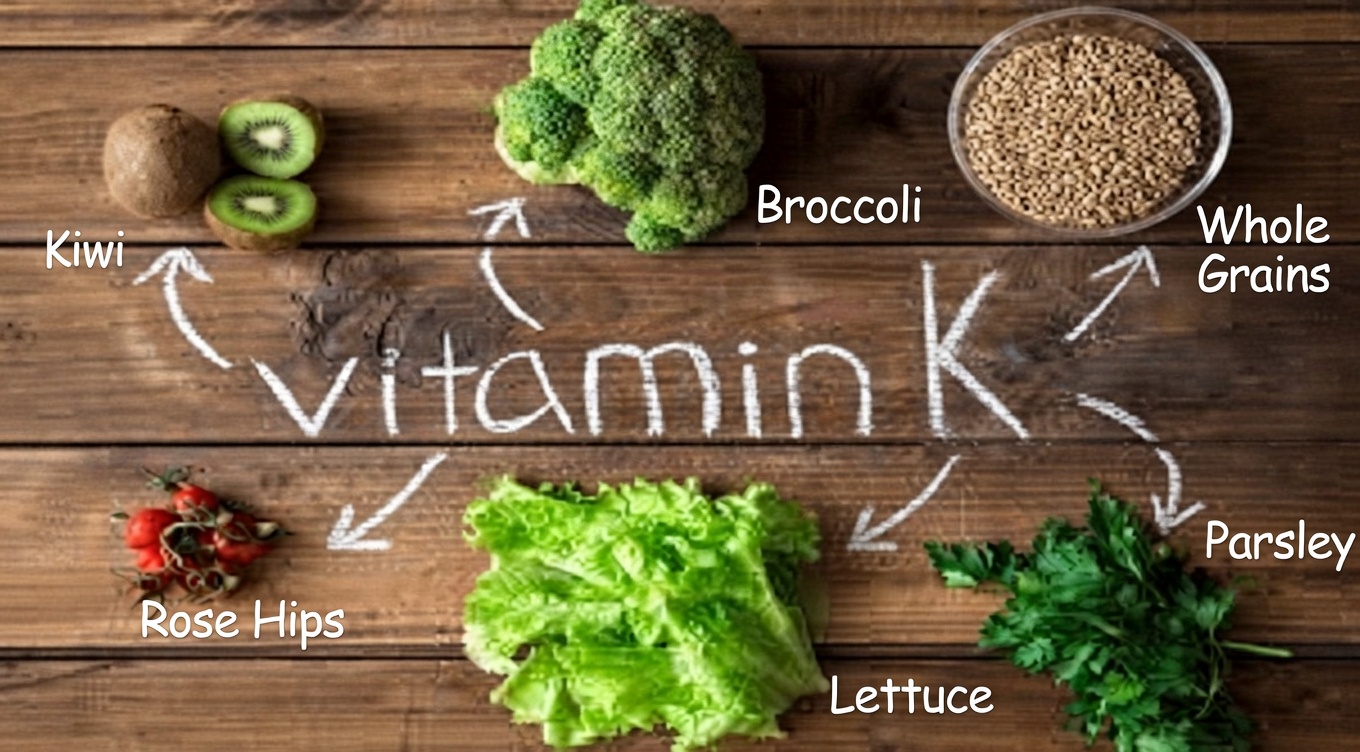
Top Food Sources to Consider
- Kale: one of the richest sources of Vitamin K1
- Spinach: easy to add to smoothies, eggs, and soups
- Broccoli: versatile, nutrient-dense, and widely available
- Natto (fermented soy): especially high in Vitamin K2
Comparing Vitamin K Forms and a Key Precursor
Sorting through supplement labels and nutrition advice can be exhausting. This simplified comparison can help clarify how a Vitamin K precursor fits into the broader Vitamin K family.
| Form | Description | Common Sources | Potential Role in Research |
|---|---|---|---|
| Vitamin K1 (Phylloquinone) | Plant-based form; can be converted into active forms | Leafy greens | Often discussed as a nutritional foundation |
| Vitamin K2 (Menaquinones) | Produced by bacteria; tends to remain active longer | Fermented foods, some cheeses | Studied for broader cellular and metabolic effects |
| Vitamin K3 (Menadione) | Synthetic Vitamin K precursor | Supplements (varies by region) | Studied for oxidative effects and cell pathway disruption |
Use this overview as a starting point for an informed discussion with a healthcare professional—especially if you’re considering supplements.
Practical Ways to Add Vitamin K-Rich Foods to Your Routine
If you want to take realistic steps without overhauling your lifestyle, consistency matters more than extremes.
- Eat greens daily: add spinach to smoothies, sandwiches, or stir-fries
- Use supplements carefully: ask a clinician before taking menadione or Vitamin K products
- Include fermented foods: try natto, sauerkraut, or other fermented options weekly
- Track your intake: a simple food log can help you stay consistent
These habits won’t eliminate uncertainty, but they can support a more proactive approach to nutrition.
What Animal Studies Show (And What They Don’t)
In mouse models, a Vitamin K precursor demonstrated potentially meaningful interactions with prostate-related cellular activity, including suppressed growth through unusual mechanisms. These results are encouraging for researchers, but they remain early-stage and cannot be assumed to translate directly to humans.
The key takeaway: animal findings can guide future studies, but they are not proof of a clinical benefit in people.
Where Vitamin K Precursor Research May Go Next
Scientists continue exploring Vitamin K precursors in wider health contexts, including possible antioxidant and anti-inflammatory implications. One of the most discussed hypotheses is that menadione may trigger “triaptosis,” a proposed cell-death pathway that disrupts how cancer cells sort internal components—offering a new perspective on cellular biology and nutritional science.
Key Takeaways on Vitamin K Precursors
Vitamin K precursors are gaining scientific attention because they may influence cellular processes beyond traditional Vitamin K functions. Early findings—especially in animal models—suggest potential relevance to prostate research, but human evidence is still developing. In the meantime, building a nutrient-rich diet with Vitamin K-containing foods can be a sensible part of a long-term wellness plan.
Frequently Asked Questions
What foods are high in Vitamin K-related compounds?
Leafy greens (like kale and spinach) are rich in Vitamin K1, while fermented foods (like natto) provide Vitamin K2—both connected to Vitamin K activity in the body.
Is a Vitamin K precursor safe for everyone?
Food-based Vitamin K is generally safe for most people, but supplements may not be appropriate for everyone. Speak with a clinician first—especially if you take blood thinners, since Vitamin K can affect medication response.
How does Vitamin K precursor research connect to everyday health?
Research suggests Vitamin K precursors may affect cellular pathways in ways scientists are still mapping. It’s promising but not conclusive, so it should be viewed as educational information—not a replacement for personalized medical guidance.
Disclaimer: This article is for informational purposes only and does not provide medical advice. Consult a qualified healthcare professional for questions about prostate health, Vitamin K, or any supplement use.