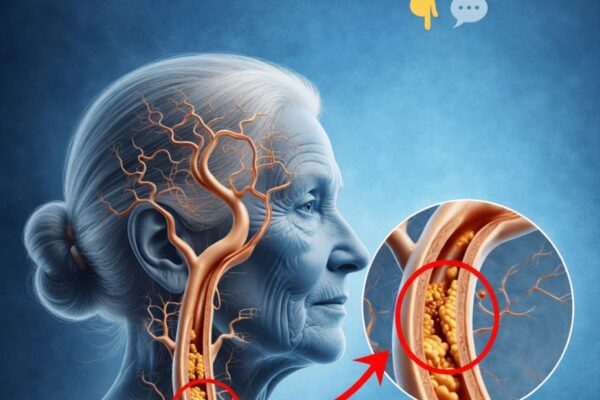
Many adults in midlife take vitamin D supplements to protect bone strength, support immunity, and maintain energy as they age. Yet when the dose is too high for too long, vitamin D can sometimes backfire—causing symptoms that interrupt everyday life. Ongoing nausea that spoils meals, unrelenting thirst that disrupts sleep, or fatigue so heavy it makes simple tasks feel difficult can be both stressful and confusing.
The benefits of vitamin D are real when used appropriately. The key is knowing how to spot the warning signs of too much vitamin D early—so you can stay active, comfortable, and confident about your health.
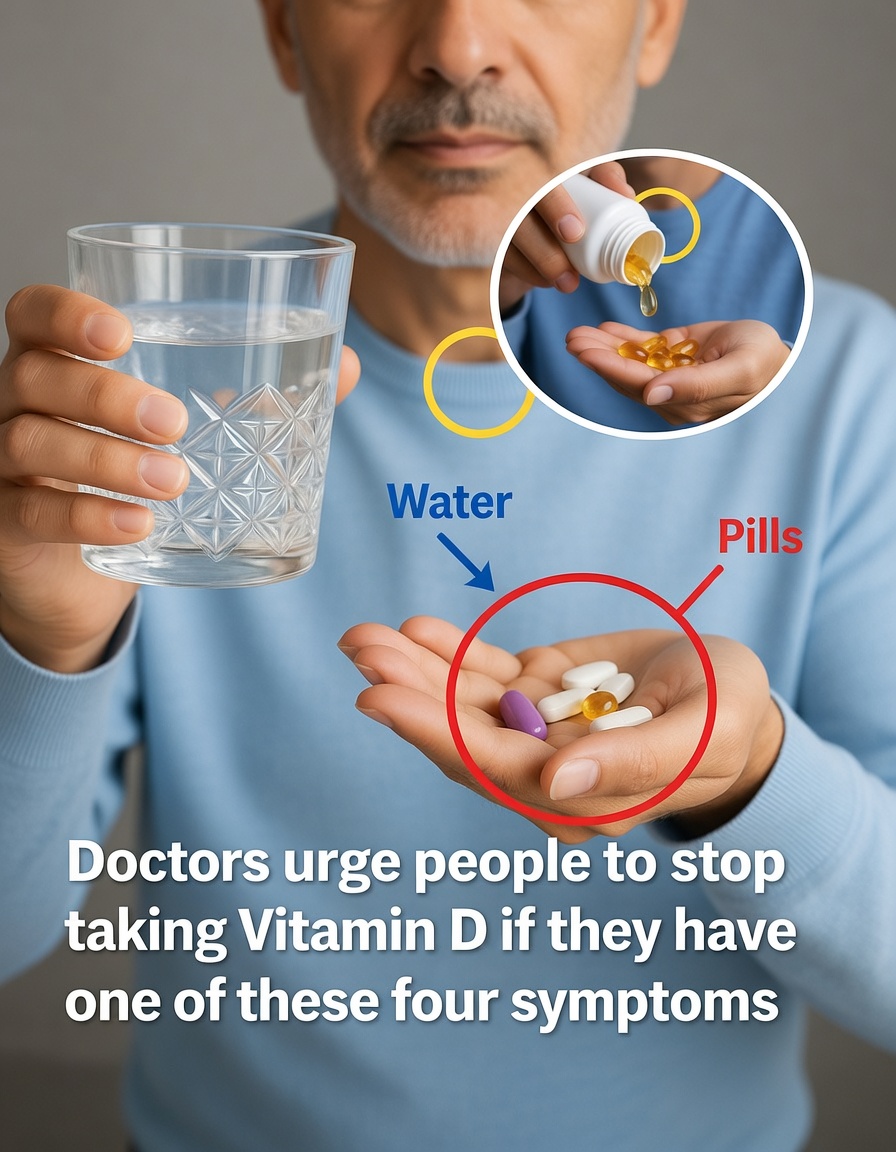
What Is Vitamin D—and Why Do So Many People Take It?
Vitamin D helps the body absorb calcium, making it essential for maintaining healthy bones. It also supports normal immune function. Because vitamin D is partly made through sun exposure, many people—especially adults over 40 who spend less time outdoors—choose supplements as an easy way to fill potential gaps.
At balanced levels, vitamin D can contribute to overall well-being. However, if vitamin D levels rise too high, some people begin to feel “off” in ways that are easy to overlook at first.

How Too Much Vitamin D Affects the Body
Excess vitamin D can raise calcium levels in the bloodstream, a condition called hypercalcemia. Reputable medical organizations (including the Cleveland Clinic and Mayo Clinic) associate hypercalcemia with a range of uncomfortable symptoms that can affect digestion, energy, hydration, and daily functioning.
This often happens when people take high-dose vitamin D without monitoring, particularly if supplements are combined with multiple vitamin D sources (such as fortified foods or additional products).
The upside: once you recognize the pattern, you can take practical steps to get back into a healthy range.

4 Symptoms Doctors Say May Signal Too Much Vitamin D
Symptoms of vitamin D excess may appear gradually, which is why they can be mistaken for “normal aging” or everyday stress. Doctors recommend paying attention to these four common red flags—especially if you’ve recently increased your supplement dose or have been taking it consistently for a long time.

1. Nausea and Vomiting
One of the earliest signs is persistent nausea, sometimes accompanied by vomiting. If you notice you feel queasy after meals or unsettled throughout the day, it can quickly take the joy out of eating, social plans, and routines. Medical observations often list digestive upset as an early response to elevated vitamin D and calcium levels.
2. Excessive Thirst and Frequent Urination
Feeling unusually thirsty—and needing to urinate more often—can point to calcium levels that are too high. This cycle may lead to dehydration and poor sleep, leaving you drained during the day. Experts link these urinary changes to hypercalcemia caused by excess vitamin D, making them important signals to take seriously.

3. Muscle Weakness and Fatigue
If you’re getting rest but still feel wiped out, or if your muscles feel weaker than usual, it may be more than just a busy schedule. Ongoing fatigue and weakness can reduce your ability to stay active—whether that means walking, gardening, exercising, or keeping up with family. Research suggests calcium imbalance plays a role in these symptoms when vitamin D intake is excessive.
4. Loss of Appetite and Abdominal Discomfort
A noticeable drop in appetite—along with stomach or abdominal discomfort—can make meals feel like a chore and may lead to unintended weight changes. For many adults, this can trigger additional worry about nutrition and long-term health. Clinicians commonly connect these issues to elevated calcium from over-supplementation.

Why Does Vitamin D Excess Happen?
Vitamin D toxicity is uncommon at standard doses, but it can occur when intake remains high over time. The most frequent contributors include:
- Taking high-dose supplements for months without guidance
- Skipping routine blood tests that could catch rising levels early
- Combining several sources of vitamin D (multiple supplements plus fortified foods)
- Assuming “more is better,” even when the body has already reached an adequate level

Practical Steps to Take If You Notice These Signs
If you develop symptoms while taking vitamin D, experts commonly recommend the following actions:
-
Contact your doctor promptly
Share your symptoms and provide details about your supplement routine. -
Request a blood test
Testing vitamin D and calcium levels offers clear, objective insight. -
Pause or adjust supplementation (with medical guidance)
Many cases improve by temporarily stopping or reducing vitamin D intake under professional supervision. -
Hydrate and track symptoms
Drink enough water and monitor whether symptoms improve as your plan changes.
Safe Ways to Support Vitamin D Levels Naturally
To maintain healthy vitamin D without relying heavily on pills, focus on balanced sources:
- Get moderate sunlight exposure (often about 10–30 minutes several times per week, depending on skin type, season, and location)
- Eat vitamin D-rich foods such as:
- Fatty fish
- Fortified dairy (or alternatives)
- Eggs
- Mushrooms
- Consider periodic blood testing to guide your long-term approach
Final Thoughts
Vitamin D can be a helpful tool for healthy aging—but balance matters. By recognizing the key symptoms of excess vitamin D (nausea, extreme thirst and frequent urination, fatigue/weakness, and appetite or abdominal changes), you can take action early and reduce unnecessary discomfort. For the safest results, involve a healthcare professional when adjusting supplements or investigating symptoms.
FAQ
How common is vitamin D excess from supplements?
It’s relatively uncommon at recommended doses. However, the risk increases with higher intakes over time, especially without lab monitoring.
What is a safe daily amount of vitamin D?
Many guidelines cite roughly 600–2,000 IU per day for most adults, but needs vary. A clinician can recommend the best dose for your situation.
Can I get enough vitamin D without supplements?
Often yes—through a combination of sun exposure, diet, and fortified foods. Supplements may still be useful if blood levels are low.
Medical disclaimer: This article is for informational purposes only and does not provide medical advice. It is not a substitute for professional diagnosis or treatment. Always speak with a qualified healthcare professional before changing supplements or if you develop symptoms.