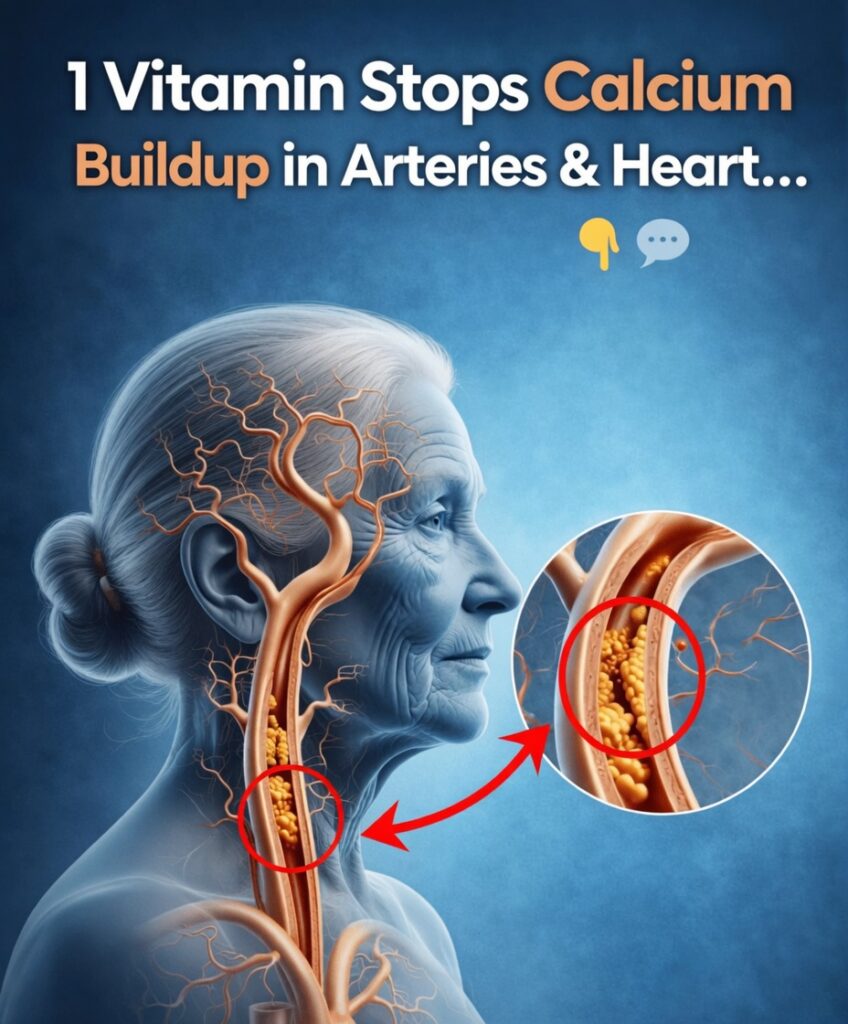
Why Vitamin K2 Matters for Calcium Balance as You Age
Many adults become concerned about calcium ending up where it doesn’t belong over time—especially if arteries feel less flexible while bones seem to lose strength. These worries can cast a shadow over everyday health, from mobility concerns to long-term cardiovascular risk. The real challenge is finding the right nutritional support to help maintain balance.
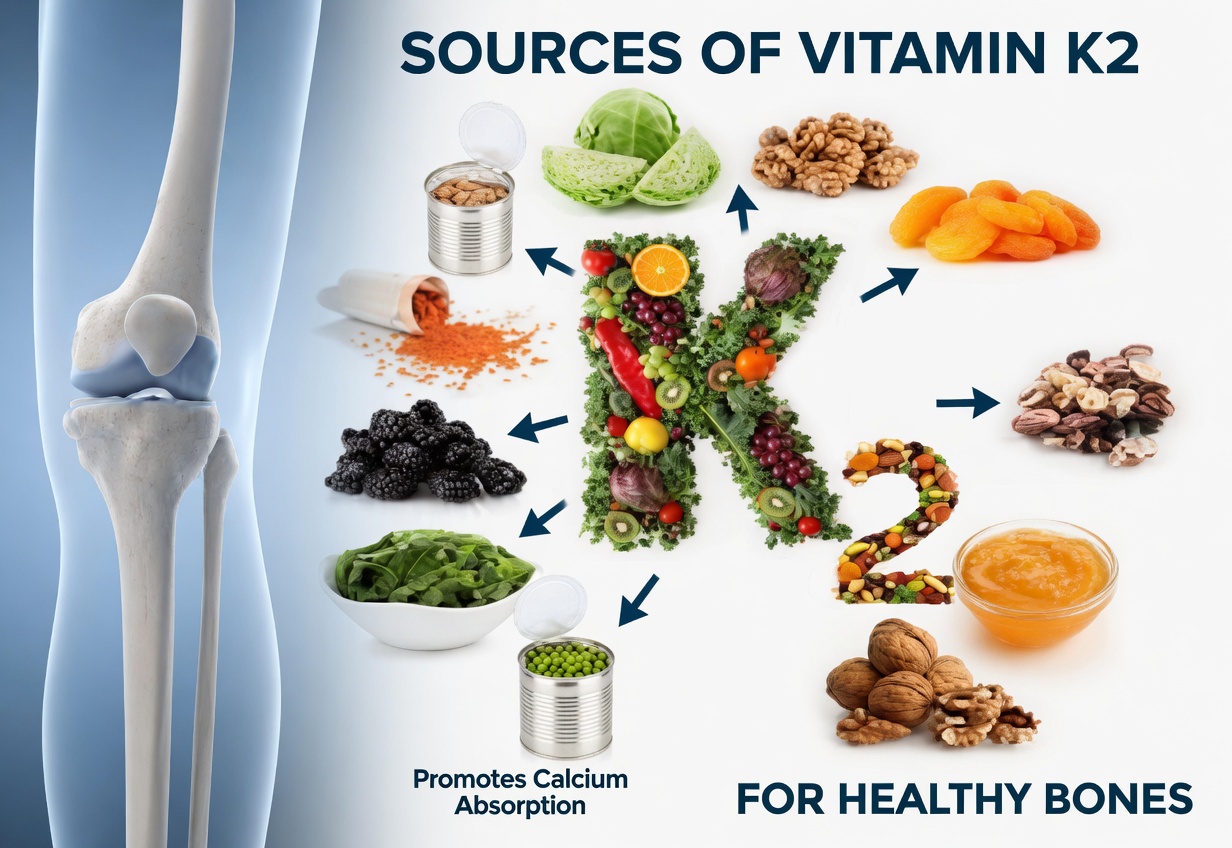
One nutrient increasingly discussed in this context is vitamin K2, particularly when obtained through food. Below, you’ll learn how it may relate to calcium regulation and which vitamin K2 foods are easiest to add to daily meals.
Vitamin K1 vs. Vitamin K2: The Two Main Types Explained
As people focus more on heart and bone wellness with age, understanding vitamin K becomes more relevant. Vitamin K is generally discussed in two primary forms:
- Vitamin K1 (phylloquinone): found mostly in leafy green vegetables and best known for supporting normal blood clotting.
- Vitamin K2 (menaquinones): found mainly in certain animal foods and fermented products, and often highlighted for its potential role in calcium placement in the body.
Research suggests vitamin K2 helps activate specific proteins involved in calcium handling, which may support directing calcium toward bones. Even so, many diets contain far more K1 than K2, meaning vitamin K2 can be unintentionally overlooked.
How Vitamin K2 May Influence Calcium in Arteries and Bones
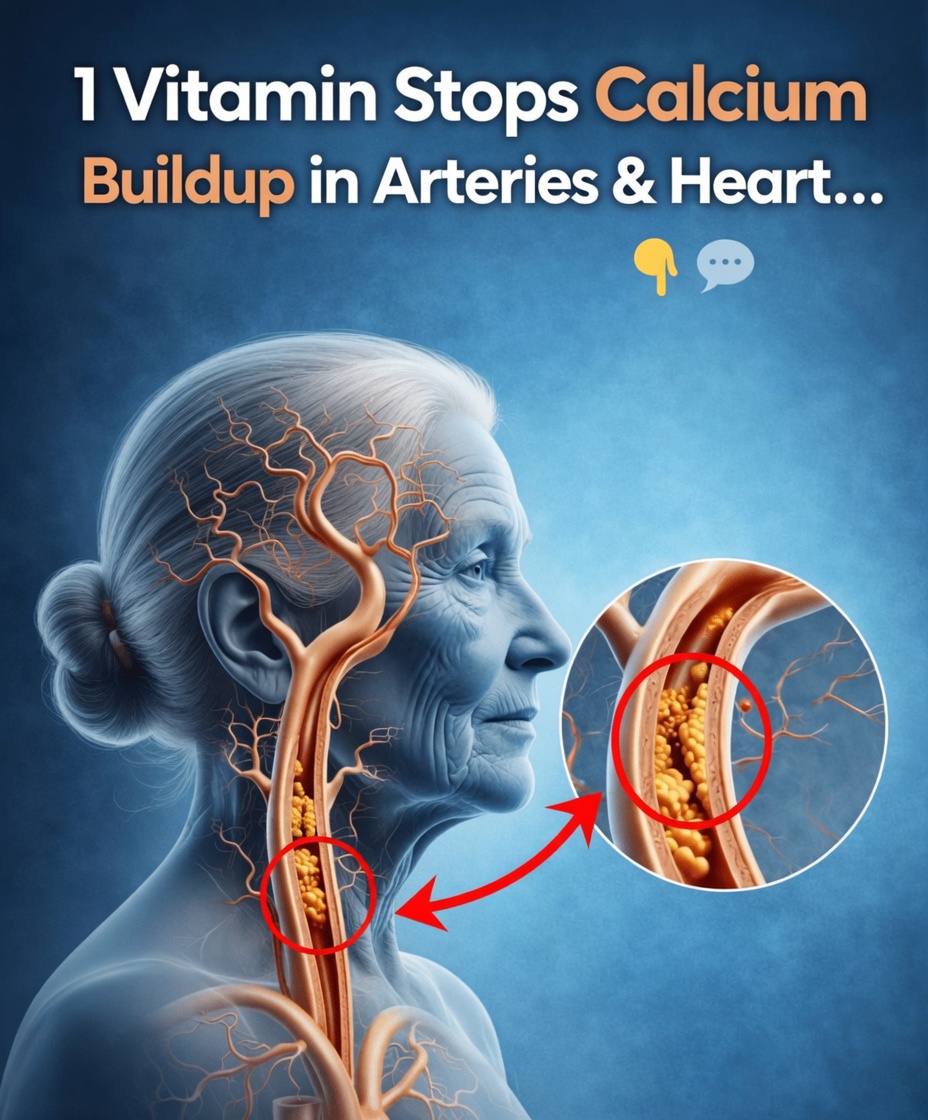
Calcium deposits in arterial walls are a common concern because they may contribute to stiffness over time, potentially affecting circulation and increasing strain on the cardiovascular system. Vitamin K2 is thought to support the activation of proteins such as matrix Gla protein (MGP), which is associated with limiting unwanted calcification in soft tissues.
At the same time, vitamin K2 also supports bone-related proteins linked to mineralization. This “two-direction” relationship—supporting calcium use in bones while potentially discouraging calcium buildup elsewhere—is why vitamin K2 is often discussed in the context of both bone strength and arterial health.
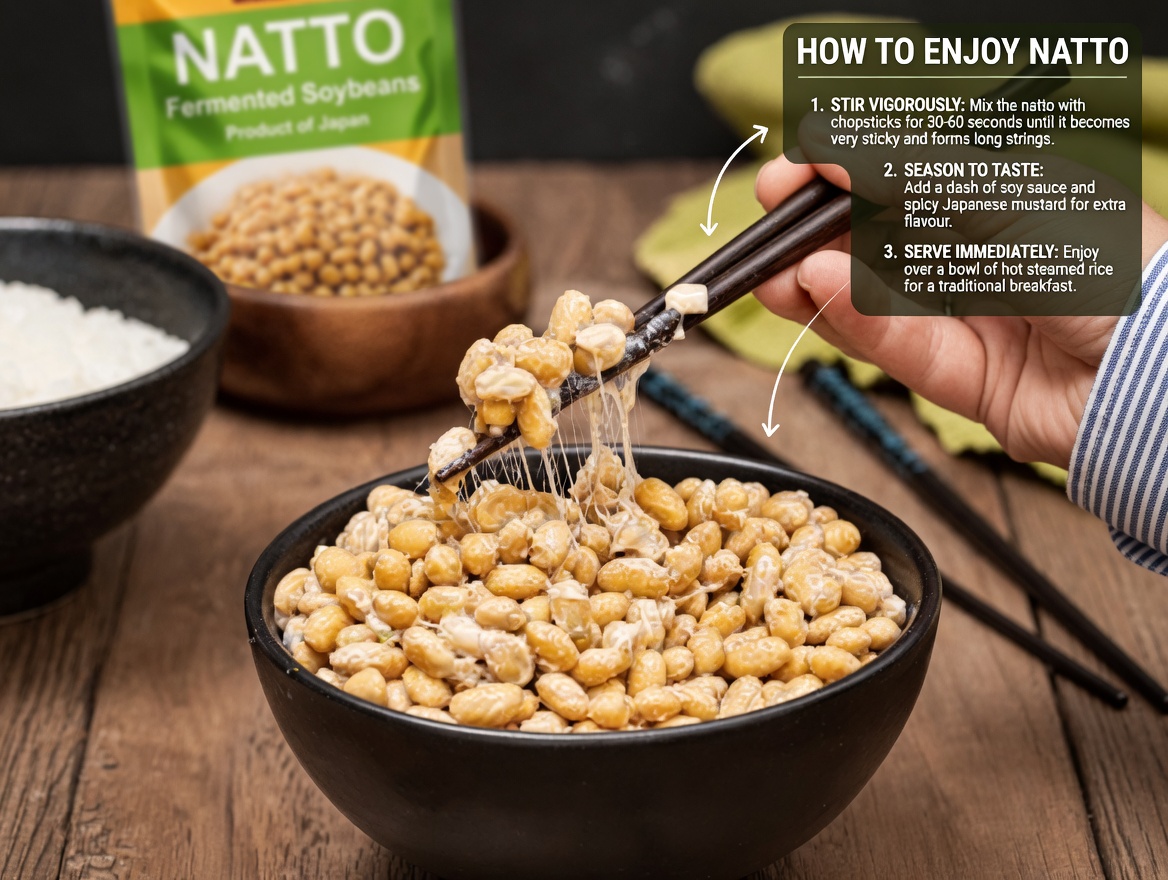
Natto: The Richest Food Source of Vitamin K2 (MK-7)
Trying new foods can be uncomfortable—especially when the goal is better health and the taste or texture feels unfamiliar. Still, natto (fermented soybeans) is widely known as one of the most concentrated natural sources of vitamin K2 in the MK-7 form.
MK-7 is often described as longer-acting in the body than some other forms. People who grow to enjoy natto frequently pair it with rice, sauces, mustard, or other toppings to make it more approachable.
If you want the biggest dietary boost in vitamin K2, natto is often considered the standout choice.

Hard, Aged Cheeses: A Convenient Way to Get Vitamin K2
If dairy has been limited for personal or dietary reasons, vitamin K2 intake can become harder to maintain. However, for those who tolerate it, aged hard cheeses can be an easy and enjoyable option.
Common choices include:
- Gouda
- Edam
- Jarlsberg
These cheeses provide varying forms of vitamin K2 (often ranging from MK-4 to MK-9, depending on production and aging). Because they’re easy to portion and pair with meals, a small daily serving can fit naturally into many eating patterns.
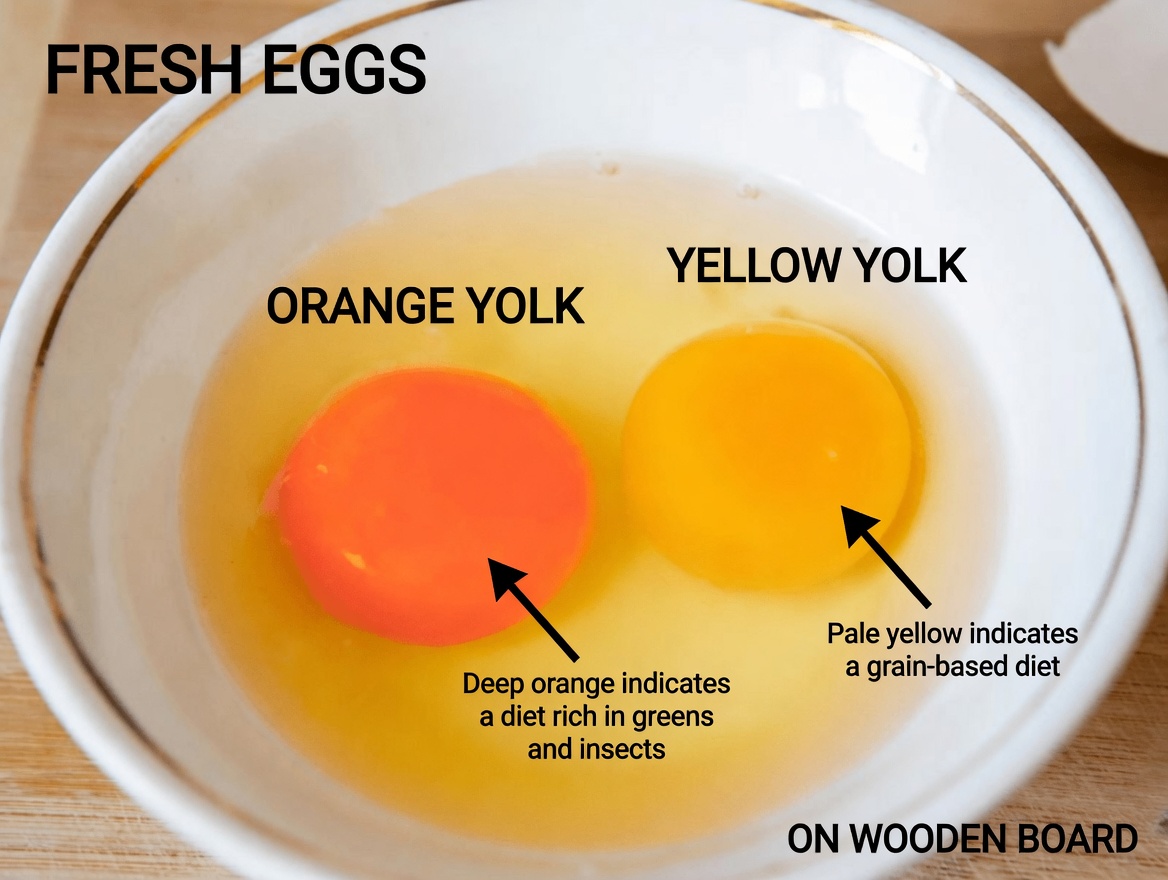
Grass-Fed Butter and Egg Yolks: Simple Daily Add-Ons (MK-4)
Busy schedules often push nutrient-dense foods aside, which can gradually reduce vitamin K2 intake. Two accessible choices are:
- Grass-fed butter
- Pastured egg yolks
These foods tend to contain vitamin K2 largely in the MK-4 form. Many people look for deep orange yolks, which are often associated with richer nutrient profiles (though color can vary by feed).
Easy ways to use them include spreading butter on vegetables, cooking with it in moderation, or adding egg yolks to breakfasts and recipes.
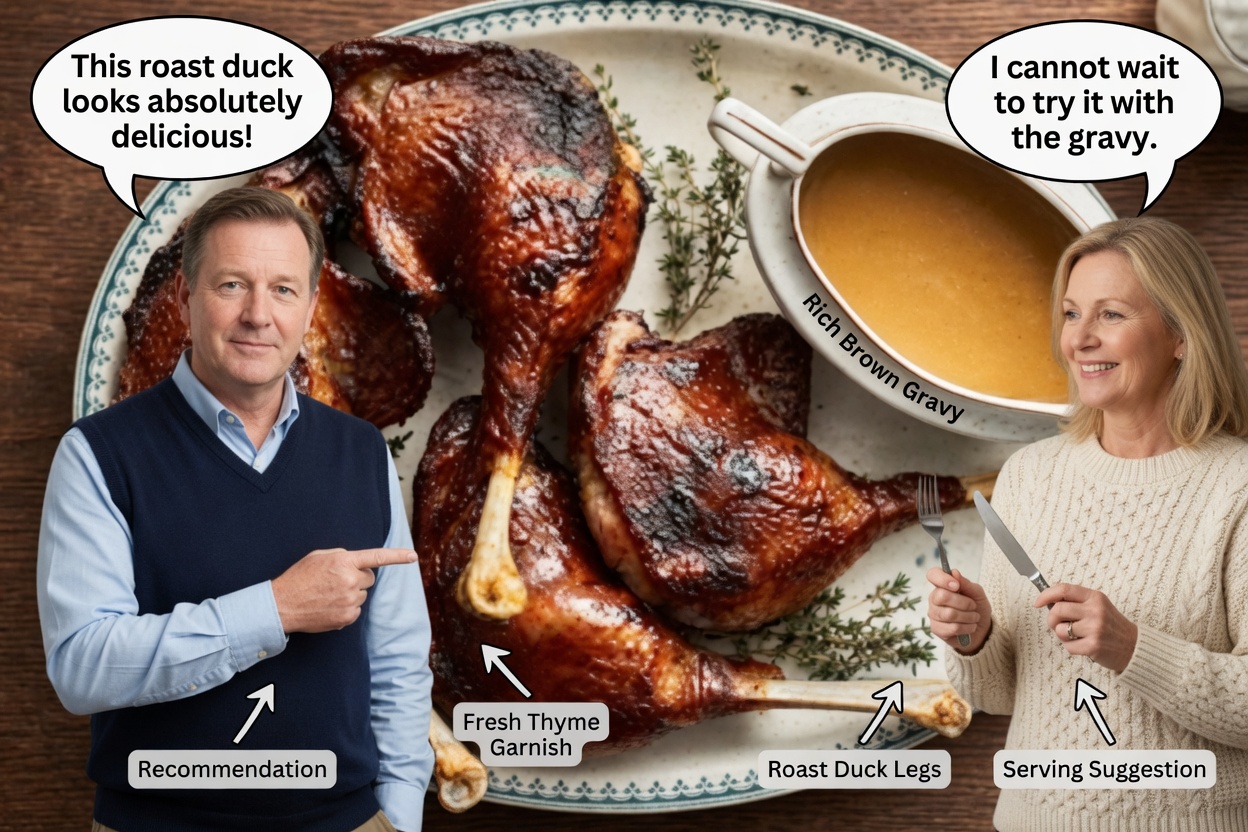
Animal-Based Vitamin K2 Sources: Liver and Dark Meat
Organ meats or less familiar cuts can feel intimidating at first, but they are among the more nutrient-dense foods available. For vitamin K2, options often mentioned include:
- Beef liver
- Dark poultry meat (for example, goose or other darker cuts)
These foods can provide vitamin K2 along with additional nutrients. If the flavor is strong, many people start small—mixing liver into patties or incorporating dark meat into familiar roasted or slow-cooked dishes.
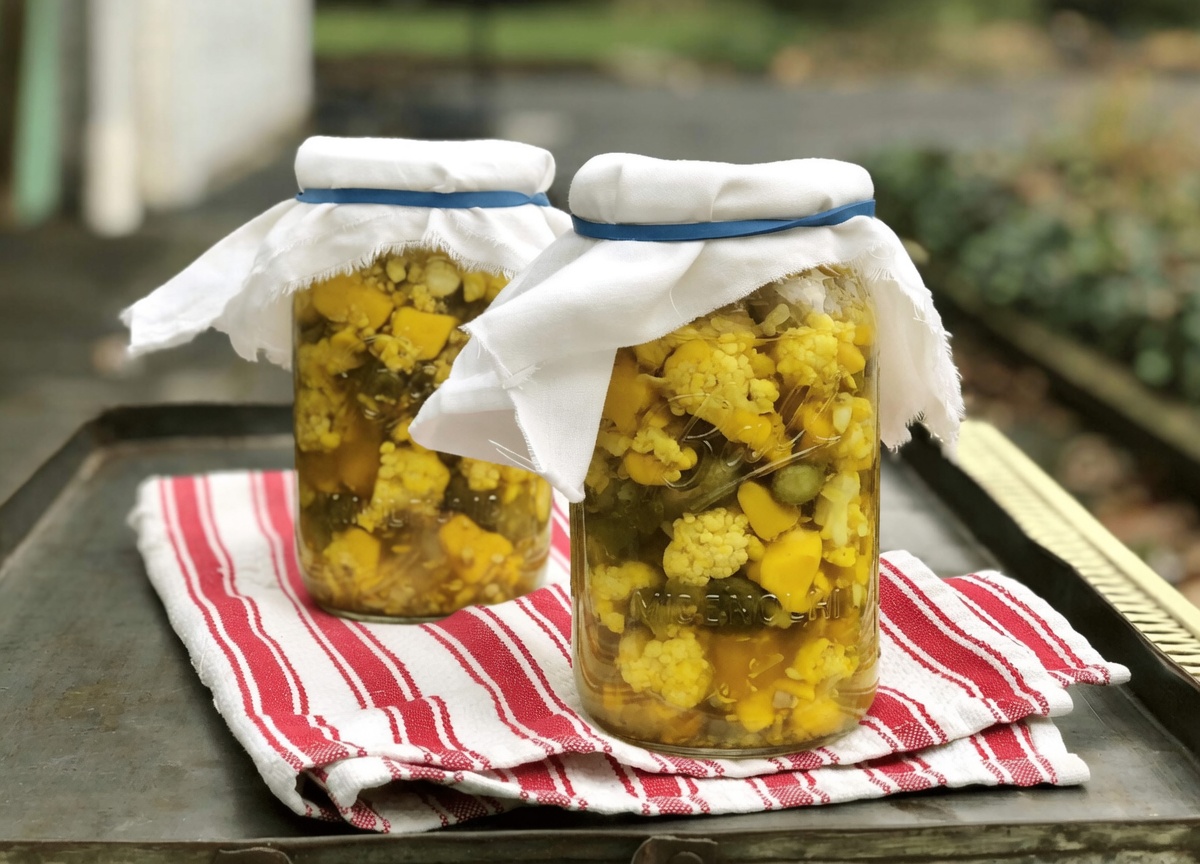
Fermented Foods Like Sauerkraut: A Gentle, Food-First Option
Fermented foods can cause hesitation, especially if someone is sensitive to digestive changes. Still, quality sauerkraut (homemade or carefully sourced) may offer modest vitamin K2 alongside probiotic benefits.
It can also contain longer-chain menaquinones, depending on fermentation conditions. For easier digestion, many people begin with a small amount and increase slowly, using it as a topping or side dish.
Vitamin K2 Food Comparison Table
| Food Source | Main Form | Potential Vitamin K2 Advantage | Easy Incorporation Tip |
|---|---|---|---|
| Natto | MK-7 | Extremely high levels; longer activity | Mix with rice or flavorful toppings |
| Hard cheeses | MK-4 to MK-9 | Convenient and easy to portion | Snack plate or meal add-on |
| Grass-fed butter | MK-4 | Simple flavor booster | Cook with it or spread lightly |
| Pastured egg yolks | MK-4 | Highly versatile | Breakfast, sauces, baking |
| Beef liver | MK-4 | Nutrient-dense | Blend into patties or small servings |
| Dark poultry meat | MK-4 | Protein-rich option | Roast, braise, or slow-cook |
| Sauerkraut | Various | Fermented support + modest K2 | Small side portion or topping |
Vitamin D and Vitamin K2: A Complementary Relationship
Low sunlight exposure—and the vitamin D concerns that can come with it—may affect how well the body absorbs calcium. Vitamin D supports calcium absorption, while vitamin K2 is often discussed for helping guide calcium to appropriate locations.
Many people aim to support vitamin D through sensible sun exposure, vitamin D-rich foods, or D3 supplementation when appropriate. The combination of vitamin D and vitamin K2 is frequently mentioned in bone and cardiovascular wellness discussions.
Practical Ways to Increase Vitamin K2 Through Diet
- Pick 2–3 vitamin K2-rich foods from the list that you genuinely like
- Add one small serving per day and build gradually
- Prioritize higher-quality sources (grass-fed, pastured, properly fermented)
- Eat vitamin K2 foods with healthy fats to support absorption
- Pay attention to how you feel over several weeks and focus on consistency
Steady dietary habits are typically more sustainable than occasional large changes—especially for long-term wellness goals.
Frequently Asked Questions
What’s the key difference between vitamin K2 and vitamin K1?
Vitamin K1 is most associated with blood clotting support and is abundant in leafy greens. Vitamin K2, found mainly in animal and fermented foods, is commonly discussed for its potential role in calcium regulation and placement, especially related to bones and soft tissues.
Are vitamin K2 supplements necessary?
Food is usually the first place to start. If supplementation is considered, MK-7 is often described as longer-acting than MK-4, but the best choice depends on personal health factors. It’s important to speak with a qualified healthcare professional before supplementing.
How much vitamin K2 is typically discussed in research?
Needs vary from person to person. Some research explores daily ranges around 90–200 mcg, but real-world intake can differ widely based on diet. Prioritizing nutrient-rich foods is often the most practical foundation.
Medical Disclaimer
This article is for informational purposes only and does not provide medical advice. Some research suggests vitamin K2 may support calcium management in arteries and bones, but evidence is mixed and results may vary. Always consult your healthcare provider before making dietary changes or using supplements—especially if you have medical conditions, take medications, or use blood thinners. Individual needs differ.