
Living with kidney concerns can make everyday meals feel like a complicated puzzle: you want enough nourishment, but you also want to avoid foods that may place extra pressure on your body. Many people know the feeling of standing in front of the fridge or scanning a shopping list, uncertain which protein choices are truly supportive. Over time, that uncertainty can turn routine decisions into ongoing stress.
The good news is that a few practical guidelines can make protein selection far clearer—and much less intimidating. In this guide, you’ll learn which proteins are commonly recommended to limit, which options tend to be more kidney-supportive, and how to apply these ideas in real life.

Why Protein Choice Matters in Kidney-Friendly Eating
Your kidneys do vital “behind-the-scenes” work, including filtering waste products and helping regulate fluid and mineral balance. Protein is essential for muscle maintenance, immune function, and tissue repair—but when your body breaks protein down, it creates byproducts that the kidneys must process.
If kidney function is reduced, the type and amount of protein you choose can influence how heavy that workload feels day to day. Guidance from groups such as the National Kidney Foundation emphasizes that protein planning is not just about “more” or “less”—it’s also about which proteins you rely on most.
A common question is whether plant proteins are always best and animal proteins should be avoided. In reality, kidney-friendly eating is usually about smart selection and sensible portions, not absolute rules.
6 Proteins Often Recommended to Limit for Kidney Health
Starting with what to watch can make grocery decisions easier. Many of the proteins below are not “bad” in general, but they often come with high sodium, added phosphorus, concentrated protein loads, or other factors that may be harder on compromised kidneys.
6) Processed and Cured Meats
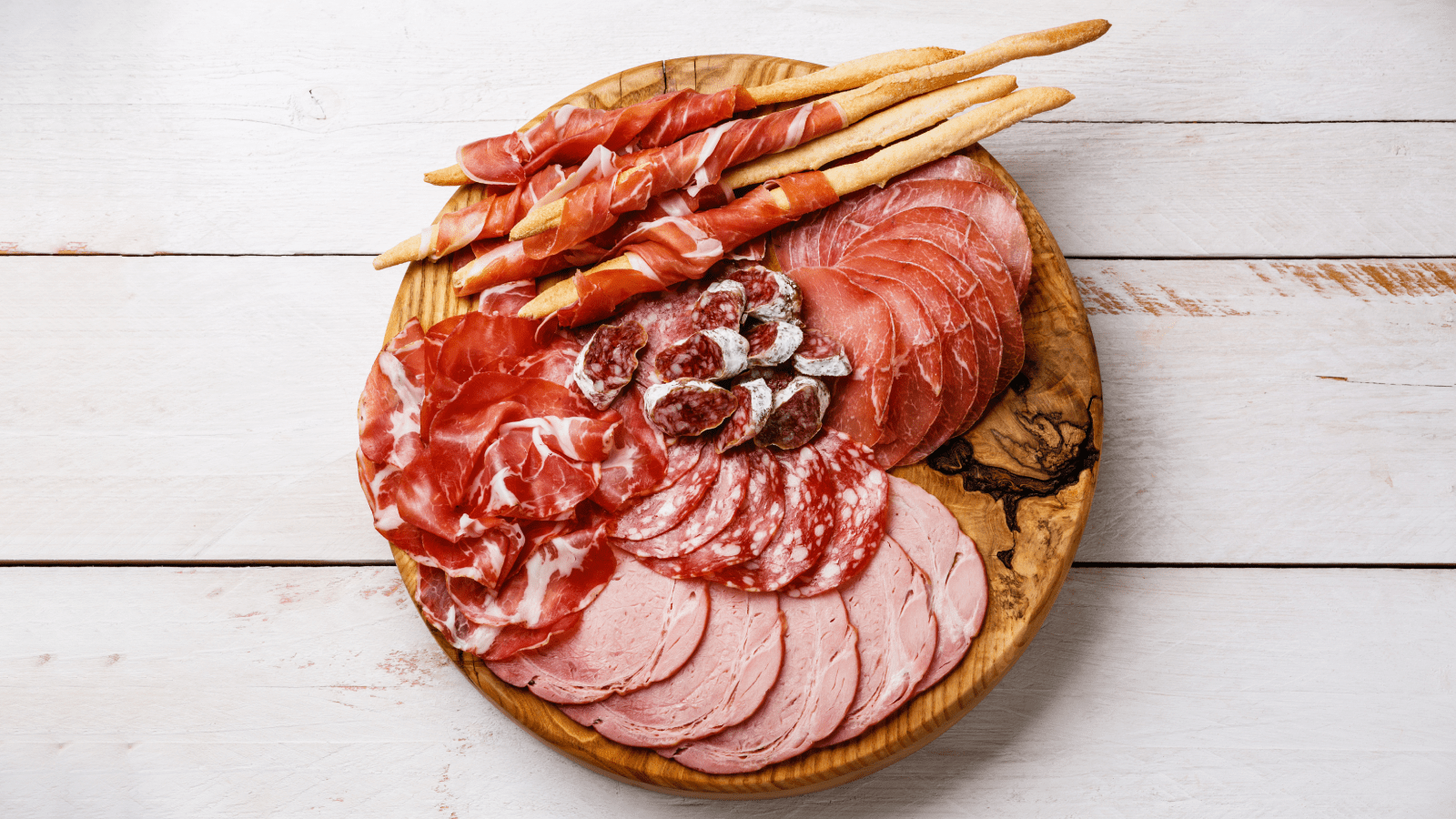
Bacon, ham, salami, and similar cured meats are popular for convenience, but they’re typically high in sodium and preservatives. For many people with kidney concerns, frequent high-sodium foods can contribute to fluid retention and blood pressure challenges. Research discussed in sources such as the American Journal of Kidney Diseases commonly supports limiting these foods to reduce avoidable strain.
5) Protein Bars and Highly Processed Protein Snacks
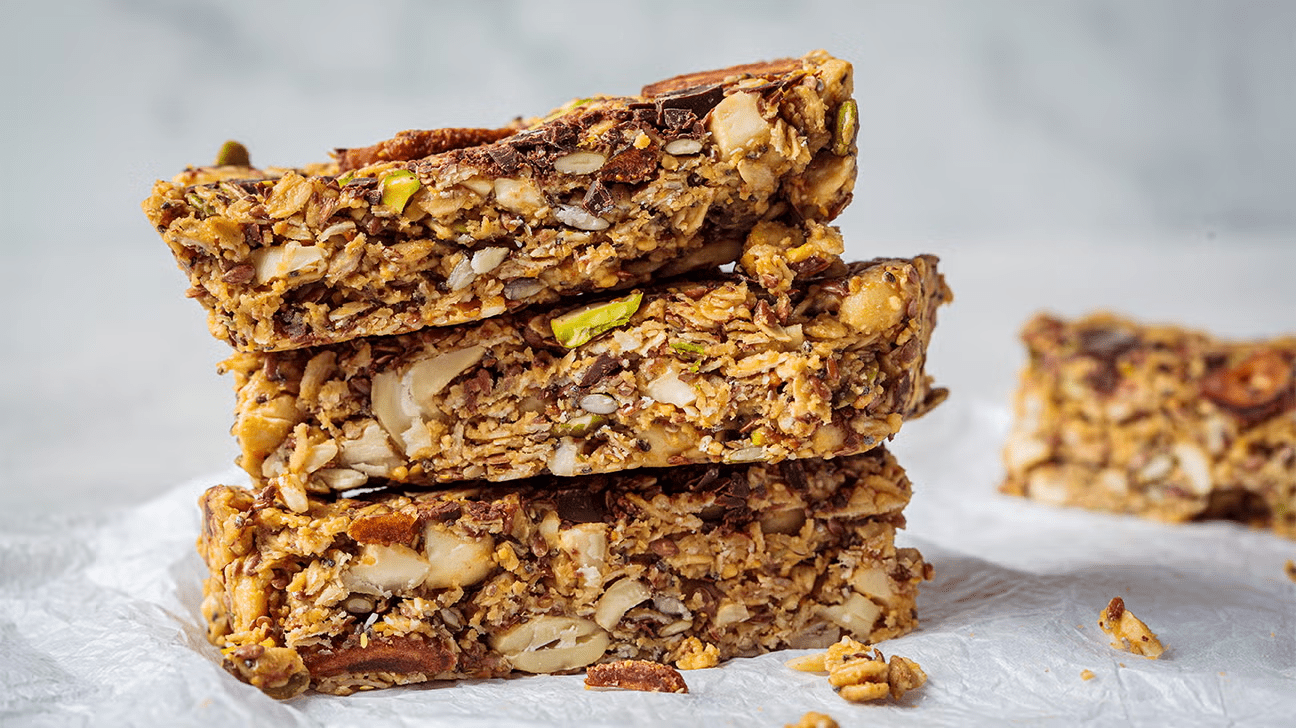
Many “high-protein” snack products contain phosphate additives and other ingredients that can be easier for the body to absorb than naturally occurring phosphorus in whole foods. When kidney function is limited, excess phosphorus may be harder to manage. A simple habit that helps: read ingredient labels and look for words that include “phos” (such as phosphate).
4) Red Meat in Large or Frequent Portions
Beef and lamb can be satisfying and nutrient-dense, but frequent or large servings may generate more metabolic waste during digestion and metabolism. Research in journals such as the Clinical Journal of the American Society of Nephrology has linked higher red meat intake patterns with changes in kidney function over time. For many people, the practical solution is moderation—smaller portions and less frequent red-meat meals.
3) Sausages and Hot Dogs
Sausages and hot dogs combine protein with high sodium and often nitrates/nitrites. That combination can increase the overall burden on the kidneys, especially if eaten regularly. When possible, choosing fresher, less processed proteins can reduce this “double load.”
2) Certain Protein Powders
Protein powders and shakes can seem like an efficient shortcut, but some products deliver very concentrated protein, plus additives that may not be ideal for kidney concerns (and in some cases additional potassium, phosphorus, or other compounds). Because formulations vary widely, it’s important to review the ingredient list and, if needed, ask a clinician or renal dietitian about kidney-appropriate options.
1) Organ Meats (Such as Liver or Kidney)
Organ meats are rich in several vitamins and minerals, but they’re also high in purines, which break down into uric acid. For individuals with kidney issues, this can add to the filtration and waste-processing workload. Many general dietary recommendations suggest being cautious with organ meats if kidney health is a concern.
4 Protein Choices That Often Fit a Kidney-Supportive Pattern
When you shift toward proteins that are typically leaner, less processed, and easier to portion, meal planning often becomes simpler. The options below are widely used in kidney-conscious diets because they can be versatile and comparatively gentle (depending on individual needs and medical guidance).
4) Egg Whites
Egg whites provide high-quality protein with relatively low phosphorus compared with whole eggs. Their mild flavor makes them easy to use in breakfasts, baking, or even mixed into dishes for an extra protein boost—without adding as much mineral burden.
3) White Fish (Such as Cod, Haddock, or Tilapia)
Many white fish varieties are lean, mild, and quick to cook. They also provide beneficial nutrients (including omega-3s in some seafood choices). Reviews in journals such as Nutrients frequently discuss fish as a valuable protein component within balanced eating patterns.
2) Tofu and Other Soy-Based Proteins
Tofu is a flexible plant protein that works well in stir-fries, soups, salads, and bowls. Many people like it because it readily absorbs seasoning and sauces. Some research suggests soy-based proteins may create a lower acid load, which can be relevant for kidney-friendly dietary patterns.
1) Skinless Poultry (Especially Chicken Breast)
Skinless chicken breast is a classic lean protein: it delivers essential amino acids without the higher fat content found in many red meats. Baking, grilling, or poaching keeps it lighter and helps you control added sodium and oils.
Protein Comparison Snapshot
Below is a quick reference based on common nutrition patterns and typical kidney-related considerations.
- Egg whites: lower phosphorus; easy to use across meals
- White fish: lean, mild, simple preparation
- Tofu/soy: plant-based, adaptable, may be lower acid load
- Skinless poultry: lean, versatile, often preferred over frequent red meat
- Red meat: can create more metabolic waste; best limited and portioned
- Cured/processed meats: high sodium/preservatives; limit frequently
- Protein bars/snacks: may contain phosphate additives; label checking is key
- Sausages/hot dogs: high sodium and additives; treat as occasional foods
- Protein powders: concentrated protein and variable additives; choose carefully
- Organ meats: high purines; nutrient-rich but often not ideal for kidney issues
Practical Ways to Use These Proteins More Safely
You do not need extreme changes overnight. Small adjustments tend to be more sustainable.
- Audit your current routine: Track one typical day of eating to identify where processed or high-load proteins show up most.
- Make one swap at a time: Replace one weekly red-meat meal with tofu or white fish to test what feels realistic and enjoyable.
- Use portion control as a tool: Many kidney guidelines reference protein targets around 0.6–0.8 g per kg of body weight per day, but your ideal range should be confirmed by a healthcare professional.
- Choose gentler cooking methods: Steaming, baking, poaching, and grilling can reduce added fats and help you avoid heavy sauces and excess salt.
- Build flavor without sodium: Lemon, garlic, pepper, vinegar, and fresh herbs can keep meals satisfying without relying on salt-heavy seasonings.
- Monitor how you feel: A simple food-and-symptom journal can help you notice what supports your comfort—and gives your clinician better information for personalized guidance.
Many people also find that weekend meal prep makes kidney-friendly eating far easier, because supportive options are ready before hunger and time pressure take over.
Turning These Ideas Into Sustainable Habits
Consistency matters more than perfection. Rotate your proteins to avoid boredom—egg whites one day, tofu the next, fish later in the week—then pair them with vegetables and kidney-appropriate whole grains for balanced plates. Over time, this approach can reduce the mental load of “guessing” at every meal.
Because kidney needs vary widely, a registered dietitian (especially one specializing in renal nutrition) can help tailor portions and choices to your lab values, symptoms, and lifestyle.
Final Thoughts: Small Changes That Improve Mealtime Confidence
Managing protein with kidney concerns is largely about reducing unnecessary strain while still meeting your body’s needs. By limiting highly processed, sodium-heavy, or concentrated protein sources—and leaning into simpler options like egg whites, tofu, white fish, and skinless poultry—you can build meals that feel lighter, clearer, and more supportive day after day.