Thyroid Health 101: Why This Small Gland Has a Huge Impact
Your thyroid gland is a small, butterfly-shaped organ located at the front of your neck, but it influences far more than most people realize. By producing key hormones, it helps regulate metabolism, energy, mood, temperature control, and overall well-being.
When thyroid function is out of balance, the signs can be easy to dismiss at first: persistent fatigue, unexplained weight changes, irritability or low mood, thinning hair, and dry skin. Because these symptoms often appear gradually—and can resemble stress or normal aging—many people feel stuck without clear answers after routine check-ups.
The encouraging news: alongside medical care, certain traditional herbs and leaves may offer gentle support for thyroid wellness when used carefully. Some of these botanicals have centuries of use behind them, and modern research is beginning to explore how they may help maintain balance.
There’s also one standout plant that’s often missing from modern wellness routines—yet it may support both thyroid-related comfort and daily stress relief. You’ll find it below, along with practical and safe ways to use it.
Why Thyroid Balance Matters More Than You Think
The thyroid primarily produces T3 (triiodothyronine) and T4 (thyroxine)—hormones that affect nearly every cell in the body. If these levels shift too low (hypothyroidism) or too high (hyperthyroidism), the ripple effects can include changes in:
- Energy production and metabolism
- Heart rate and circulation
- Body temperature regulation
- Mental clarity and emotional stability
Because thyroid symptoms can overlap with everyday life pressures, many people don’t consider thyroid function until issues become hard to ignore. Evidence suggests that supportive strategies—such as nutrition, stress management, and targeted botanicals—may be helpful when paired with professional guidance and appropriate monitoring.
Top Natural Herbs and Leaves for Thyroid Support
Several herbs and leaves are frequently discussed for their potential thyroid-supportive properties. While research is still developing, these options stand out for their history of traditional use and early scientific interest.
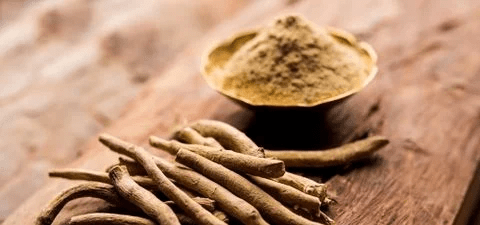
Ashwagandha: An Adaptogen for Stress Support and Thyroid Balance
Ashwagandha (Withania somnifera) is one of the most well-known herbs in Ayurvedic traditions. It’s classified as an adaptogen, meaning it may help the body handle stress more effectively.
This matters because long-term stress can elevate cortisol, which may interfere with healthy hormone signaling and conversion. Early studies suggest ashwagandha may support thyroid markers, especially in people with mild or subclinical hypothyroid patterns. Many also use it for its potential benefits related to sleep quality, mood, and resilience—all of which can indirectly support thyroid well-being.
Bladderwrack: A Natural Source of Iodine for Thyroid Hormone Production
Bladderwrack (Fucus vesiculosus) is a brown seaweed naturally rich in iodine, a mineral the thyroid needs to produce hormones. Traditional herbal systems have used iodine-containing seaweeds for signs of “sluggish” thyroid function.
That said, iodine is a nutrient where more is not always better. Excess iodine can aggravate thyroid dysfunction in some people—especially those with autoimmune thyroid conditions. If you’re considering bladderwrack, careful dosing and medical input are essential.
Quick Comparison: Popular Thyroid-Supportive Botanicals
- Ashwagandha — Adaptogen; supports stress regulation and may help hormone balance
- Bladderwrack — Iodine-rich seaweed; traditionally used for thyroid support
- Black cumin — Antioxidant-focused; studied for potential autoimmune-related benefits
- Ginger — Anti-inflammatory; supports oxidative stress defense
- Lemon balm — Calming leaf; often used for tension and may support hyperthyroid comfort
Black Cumin (Nigella sativa): Antioxidant Support with Autoimmune Interest
Black cumin seed contains compounds such as thymoquinone, known for antioxidant and anti-inflammatory activity. Emerging research has explored its role in overall metabolic health and potential support for individuals managing autoimmune thyroid patterns, including Hashimoto’s.
You can use black cumin in food or supplements, but if you take thyroid medication, coordinate with your clinician to avoid unintended interactions or timing issues.
Ginger: A Simple Daily Ally Against Inflammation
Ginger is widely used around the world, and for good reason. Its active components (including gingerols) are linked to antioxidant and anti-inflammatory effects, which may help reduce oxidative stress—a factor often discussed in thyroid health.
It’s easy to add: fresh ginger in meals, ginger tea, or a small daily serving in smoothies.
Lemon Balm: The Calming Leaf That Stands Out
Lemon balm (Melissa officinalis) is known for its light citrus aroma and calming qualities. Traditionally, it has been used to soothe nervous tension and support sleep—two areas often impacted when thyroid health is off.
Some studies suggest lemon balm may be particularly relevant for people experiencing symptoms associated with overactive thyroid patterns, supporting relaxation and potentially influencing certain immune-related pathways. Even when the thyroid is not overactive, its stress-soothing benefits can be valuable, since stress and thyroid symptoms frequently intensify one another.
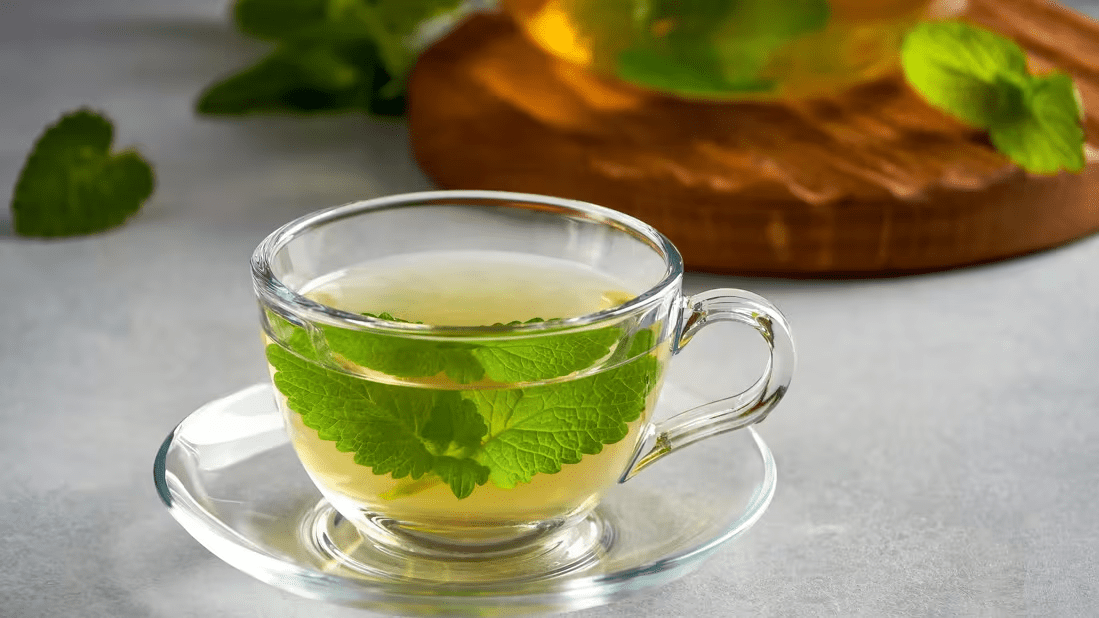
The “Forgotten Secret” Herb: Lemon Balm
The overlooked plant with potential dual benefits is lemon balm—not only for its ability to help the mind unwind, but also for its thyroid-friendly reputation in traditional use and early research interest. For anyone whose thyroid symptoms feel closely tied to stress, sleep disruption, or tension, lemon balm is often a practical place to start (with appropriate guidance).
How to Use These Herbs in Daily Life (Simple, Practical Steps)
You don’t need extreme changes to get started. Begin slowly, track your response, and introduce one herb at a time.
1) Make a Gentle Thyroid-Support Tea
- Add 1 teaspoon dried lemon balm plus ½ teaspoon freshly grated ginger to hot water.
- Steep for 5–10 minutes.
- Drink 1–2 cups per day for calming and anti-inflammatory support.
2) Add Ashwagandha to Your Morning Routine
- Use 300–600 mg of a standardized ashwagandha extract (follow label directions).
- Mix into a smoothie or warm milk.
- Use consistently for 4–8 weeks to assess stress and energy support.
3) Use Black Cumin Seeds with Food
- Add 1 teaspoon ground black cumin to yogurt, salads, oatmeal, or soups daily.
4) Be Cautious with Bladderwrack
- Choose low-dose options only after confirming iodine content and speaking with a healthcare professional—especially if you have autoimmune thyroid disease or take thyroid medication.
5) Build a Calm Evening Ritual
- Drink lemon balm tea in the evening to support relaxation and more restful sleep.
Safety Notes You Shouldn’t Skip
These herbs may offer supportive benefits, but they are not a replacement for diagnosis, lab testing, or prescribed thyroid treatment.
- Talk to your healthcare provider before using herbal supplements if you have thyroid disease, take levothyroxine, are pregnant, or have autoimmune concerns.
- Avoid high-iodine products (including some seaweeds) if you have hyperthyroidism or iodine sensitivity.
- Be mindful of interactions: some herbs and supplements can affect medication absorption or hormone-related pathways.
Research on thyroid-supportive botanicals is promising but still developing, so informed use and monitoring matter.
Final Thoughts: Gentle, Natural Support for Thyroid Wellness
Thoughtfully chosen herbs—especially ashwagandha, lemon balm, and ginger—may support thyroid wellness, stress management, and daily vitality when used responsibly. Traditional practices remind us that small, consistent habits can add up over time.
For best results, combine herbal support with a nutrient-dense diet (including selenium and zinc), regular movement, and reliable sleep routines.
Disclaimer: This article is for informational purposes only and does not provide medical advice. Herbal products can interact with medications and health conditions. Always consult a qualified healthcare professional before using herbal remedies, particularly for thyroid concerns. These options are not a substitute for prescribed treatment.
FAQ
What is the best herb to support thyroid health naturally?
Ashwagandha is frequently highlighted because of its adaptogenic effects and research interest in thyroid hormone balance. Lemon balm is also valuable, especially when stress and tension are major triggers.
Can I drink lemon balm tea every day for thyroid support?
Lemon balm is generally considered suitable for regular use in moderate amounts, such as 1–3 cups daily. If you have a diagnosed thyroid condition or take medication, confirm with your clinician.
Are these herbs safe if I have Hashimoto’s or Graves’ disease?
It depends on your diagnosis, medication, and iodine sensitivity. Black cumin is being studied for autoimmune-related support, while iodine-rich seaweed (like bladderwrack) may worsen symptoms for some people. Always consult your healthcare provider for personalized guidance.