
Sarcopenia and Age-Related Muscle Loss: 7 Everyday Foods That Can Support Stronger Muscles
Living with sarcopenia—the slow, age-related decline in muscle mass and strength—can feel discouraging, especially for adults over 60. When muscles weaken, everyday activities like climbing stairs, lifting groceries, or standing up from a chair can suddenly feel draining. Over time, this can chip away at confidence and independence, while increasing concerns about falls and reduced mobility.
The good news: the right nutrition may help. Certain muscle-supporting foods provide key nutrients your body uses for muscle repair, maintenance, and function, making them valuable allies in your plan to manage sarcopenia. Below are 7 essential foods—plus practical, easy ways to add them to your routine starting today.

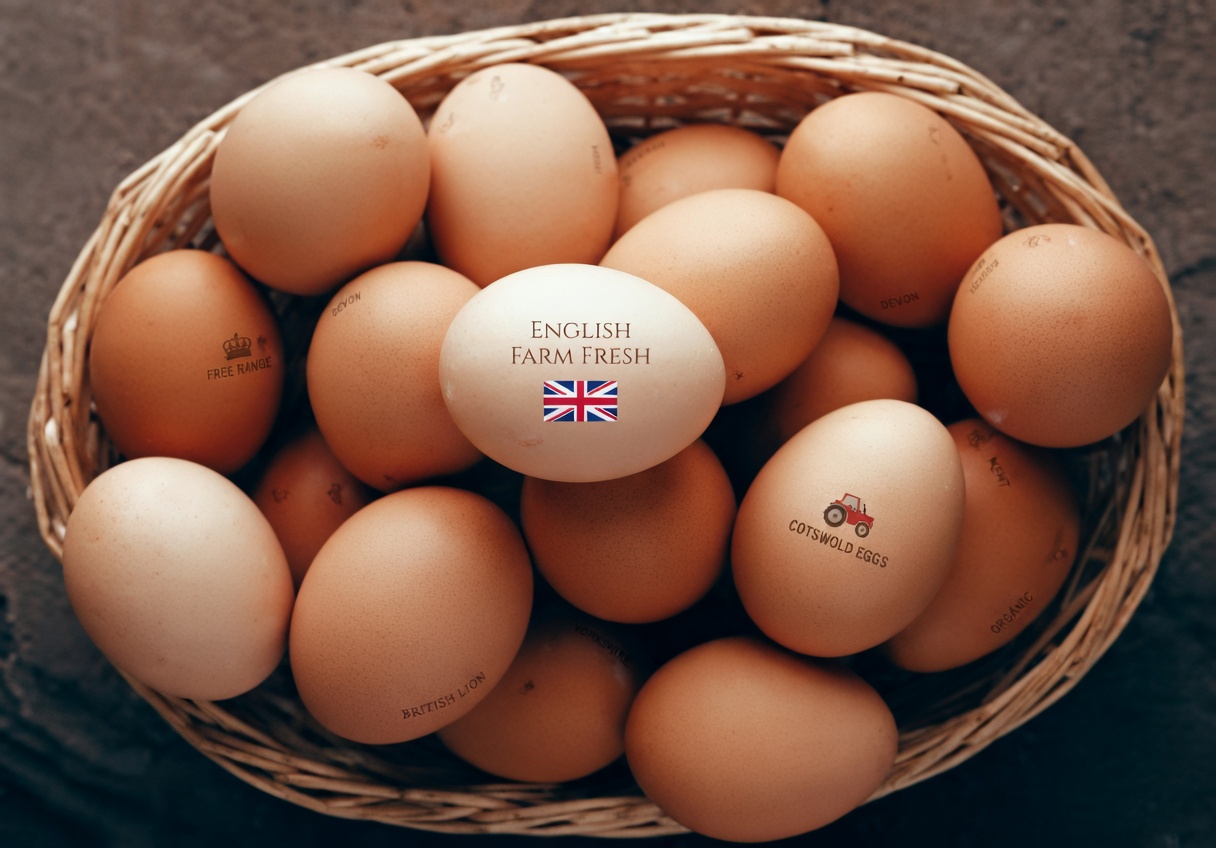
1) Eggs: High-Quality Protein for Muscle Repair
If sarcopenia has made your arms feel weaker than they used to, it’s understandable to feel frustrated when simple tasks become harder. Many older adults notice this during hobbies and household chores. Margaret, a 67-year-old retired teacher, found gardening increasingly difficult due to frailty linked with muscle loss—until she began regularly including eggs in her meals and gradually felt more capable.
Eggs are rich in high-quality protein, and research highlights leucine (an amino acid found in eggs) as important for muscle protein synthesis, a process that becomes more critical as we age.
- Simple idea: Eat two boiled eggs at breakfast.
- Why it helps: Protein + leucine can support muscle repair and maintenance.
Quick check-in: If sarcopenia is a concern, how would you rate your arm strength right now on a scale of 1 to 10?
2) Salmon: Omega-3s That Support Muscle Function
Sarcopenia often affects the legs, which can make balance feel less steady and stairs more intimidating. Robert, a 72-year-old accountant, noticed that climbing stairs became a real struggle until he started eating salmon more regularly.
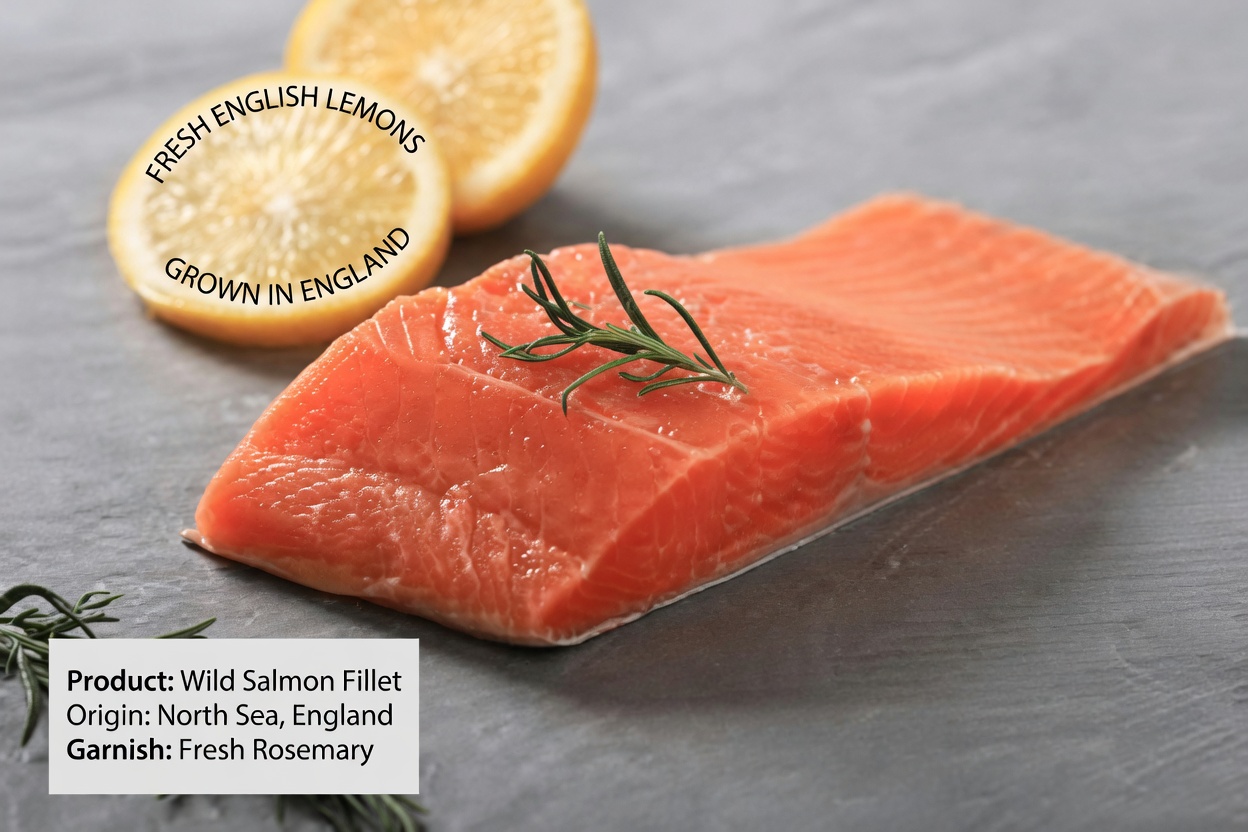
Salmon is well known for omega-3 fatty acids, which studies suggest may help reduce inflammation and support muscle function, especially in older adults managing muscle loss.
- Simple idea: Aim for about 4 ounces of grilled salmon twice per week.
- Why it helps: Omega-3s may support muscle performance and recovery.
Rate your current leg strength from 1 to 5 as you think about mobility and sarcopenia.
3) Greek Yogurt: Protein-Dense Support for Muscle Maintenance
When sarcopenia triggers fatigue, it can take energy away from family time, hobbies, and daily routines. Helen, a 65-year-old librarian, felt she couldn’t keep up the way she used to—until Greek yogurt became a consistent part of her day.
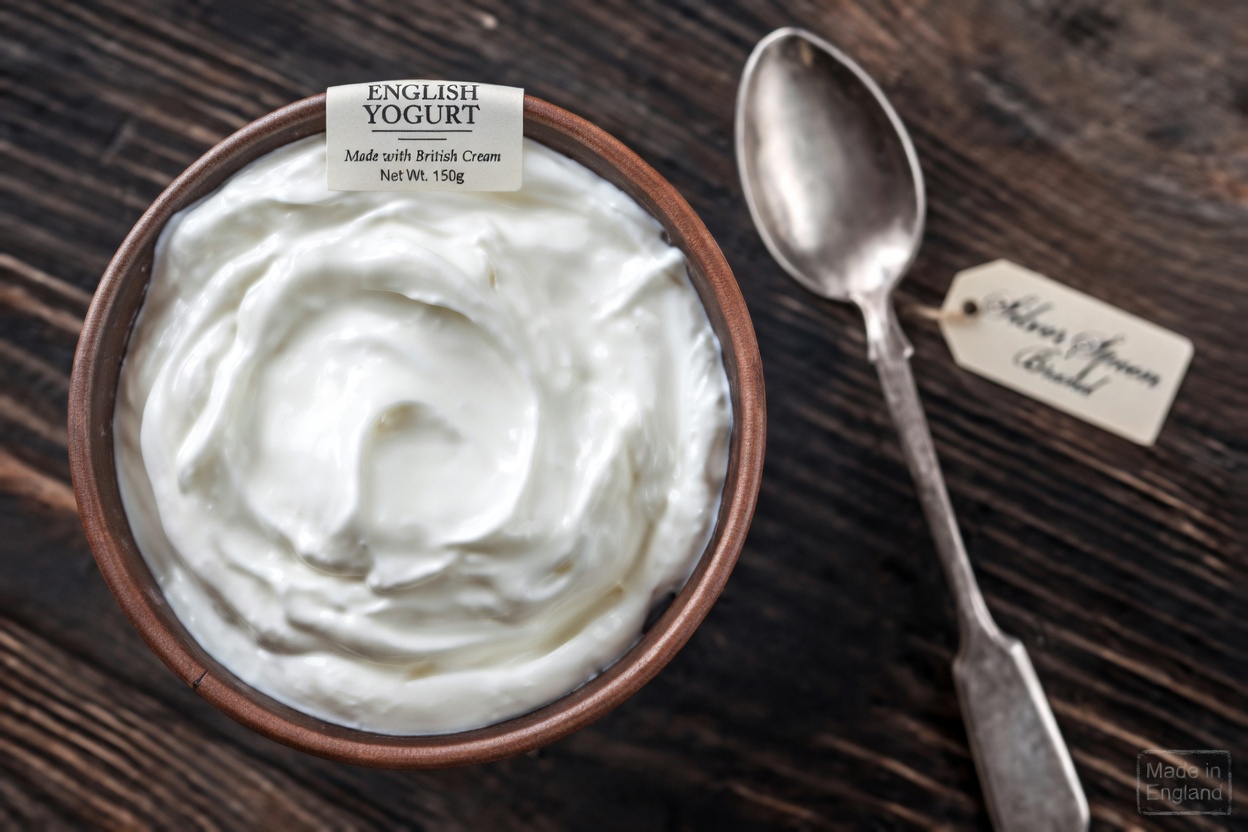
Greek yogurt is packed with protein, and research supports adequate protein intake as a key factor in maintaining muscle mass as we age.
- Simple idea: Have 1 cup of Greek yogurt with fruit as a daily snack.
- Why it helps: Convenient, satisfying protein to support muscle maintenance.
How would you rate your stamina from 1 to 10 when sarcopenia symptoms feel noticeable?
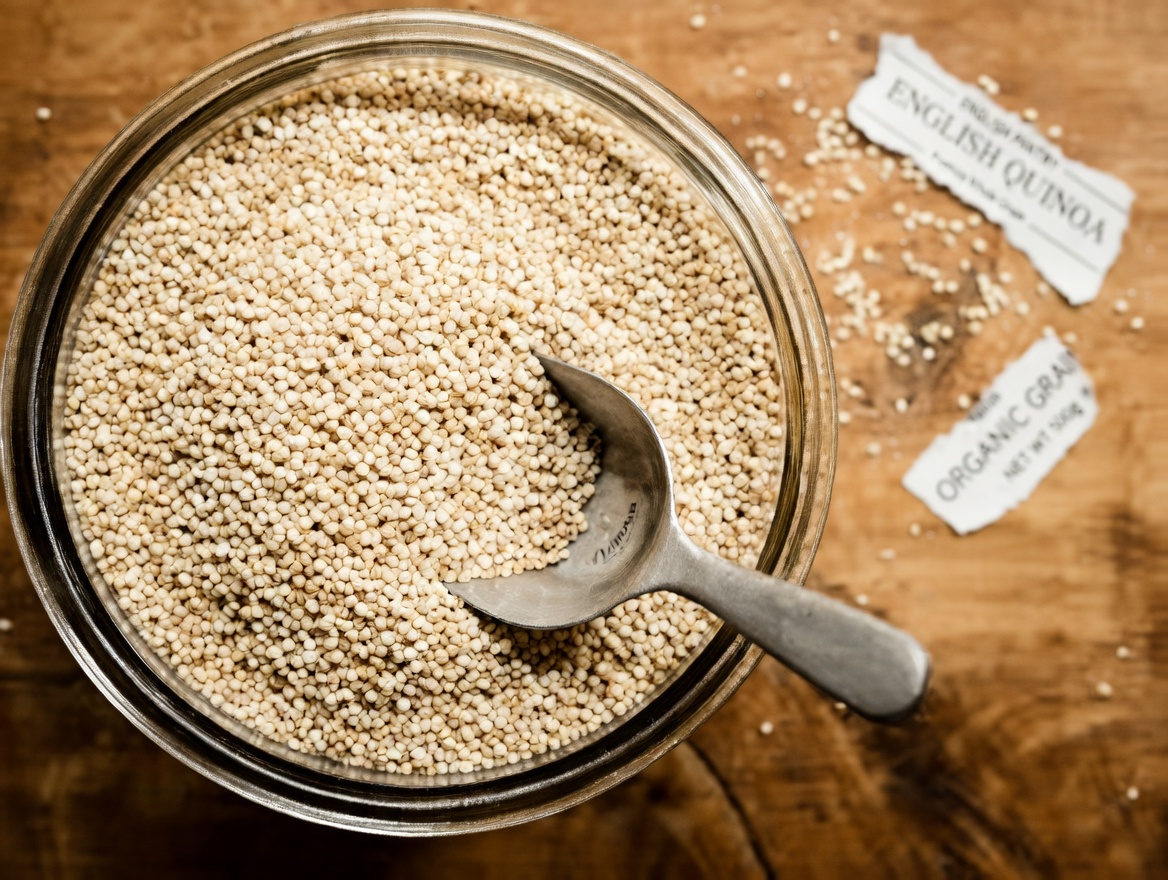
4) Quinoa: A Complete Protein to Help Recovery
Muscle discomfort and soreness can lead people with sarcopenia to avoid walks or light exercise they once enjoyed. Frank, 70, dealt with nagging leg pain and stiffness until he began adding quinoa to meals more often.
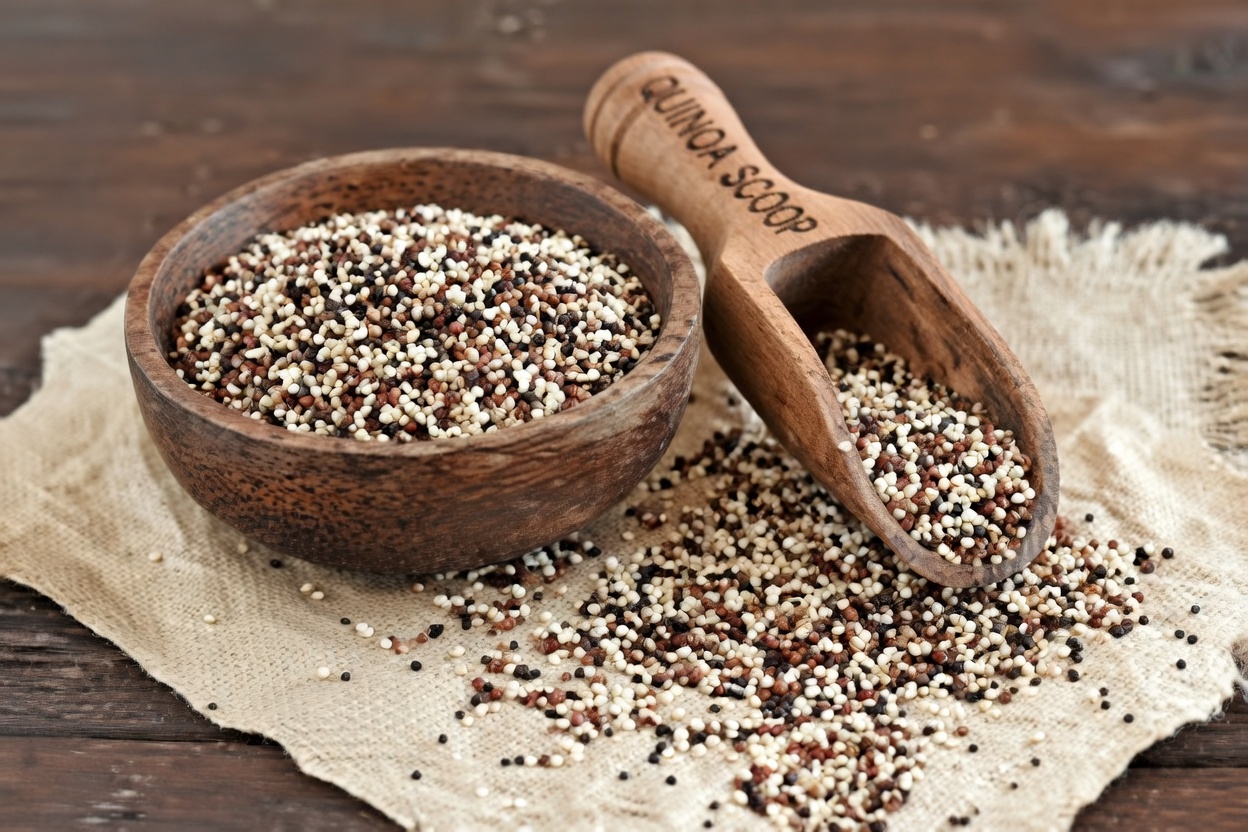
Quinoa is useful because it contains a complete amino acid profile, which supports the body’s muscle repair processes—an important factor when combating age-related muscle loss.
- Simple idea: Add cooked quinoa to salads, bowls, or side dishes.
- Why it helps: Complete protein supports recovery and muscle-building nutrition.
On a scale of 1 to 10, how intense is your muscle soreness lately?
You’re in the Top 40%—Keep Going
Reaching this point puts you among readers who are serious about learning how diet can support muscle health. Take a moment to picture moving more easily and confidently—then let’s continue with the next options.
5) Spinach: Nutrients That May Support Strength and Function
A weaker grip is a common frustration with sarcopenia—opening jars, holding bags, or carrying everyday items can become irritatingly difficult. Betty, 68, ran into this problem frequently until she started eating spinach more consistently.
Spinach contains minerals and nitrates, and studies suggest these compounds may help support blood flow and muscle function, which can matter when strength is declining.
- Simple idea: Use spinach daily in smoothies, omelets, or salads.
- Why it helps: Nutrients may support muscle performance and overall function.
Rate your grip strength from 1 to 5 based on daily tasks.
6) Almonds: Vitamin E and Healthy Fats for Muscle Protection
When sarcopenia progresses, overall strength can fade in ways that impact confidence—especially during physical chores. George, a 71-year-old veteran, noticed this gradual decline and began adding almonds as a daily habit.
Almonds provide vitamin E and healthy fats, and research suggests these nutrients may help reduce oxidative stress, which is linked with aging processes that can affect muscle health.
- Simple idea: Snack on about 1 ounce (a small handful) of almonds daily.
- Why it helps: Antioxidant support and healthy fats may help protect muscle cells.
How would you rate your muscle endurance from 1 to 10?
Mid-Article Quiz: Check Your Sarcopenia Knowledge
You’re now in the top 20% of readers exploring practical solutions for sarcopenia. Take 30 seconds to answer:
- How many muscle-supporting foods have we covered so far?
- What is your biggest challenge with sarcopenia-related muscle loss?
- What do you think the final food will be?
- Rate your strength 1–10 now compared to when you started reading.
- Ready to learn the last food?
7) Lentils: Plant-Based Protein for Steady Energy and Strength
Before you move on, imagine feeling steadier on your feet despite sarcopenia. Doris, 66, avoided walking because her legs felt too weak—until she began eating lentils regularly as part of balanced meals.
Lentils are rich in plant-based protein and fiber, which can support sustained energy and help older adults meet nutrition goals that matter for muscle maintenance.
- Simple idea: Add lentils to soups, stews, or salads a few times per week.
- Why it helps: Protein supports muscle; fiber supports steady energy and fullness.
Rate your overall muscle power from 1 to 5.
Comparison Table: Foods vs. Other Approaches for Sarcopenia
| Solution | Potential Benefit for Sarcopenia | Possible Drawback |
|---|---|---|
| Eggs | Supports muscle repair with high-quality protein | Requires consistent intake |
| Salmon | Omega-3s may support muscle function | Can be more expensive |
| Greek yogurt | High protein to help maintain muscle mass | Dairy sensitivity for some |
| Exercise alone | Builds strength over time | Works best with nutrition support |
You’re in the Top 10% for Finishing—Well Done
If you made it here, you’ve learned seven food choices that may help support muscle health, mobility, and confidence while managing sarcopenia. When paired with healthy habits, these nutrition upgrades can make a meaningful difference over time.
The Big Picture: Building a Muscle-Supporting Diet for Sarcopenia
You now have a complete list of 7 foods that can support sarcopenia management. With consistent choices over the next 30 days, many people report feeling more capable and stable despite age-related muscle loss. The risk of doing nothing is continued loss of strength and independence. The upside of taking action is improved mobility and daily confidence.
Save this guide for meal planning and share it with someone who may benefit.
Bonus Table: A Simple Weekly Plan for Sarcopenia Support
| Food | Suggested Amount | Best Time to Eat | How It Helps with Sarcopenia |
|---|---|---|---|
| Eggs | 2 boiled | Breakfast | Supports muscle repair |
| Salmon | 4 oz | Dinner | Promotes muscle function |
| Greek yogurt | 1 cup | Snack | Helps maintain muscle mass |
| Quinoa | 1/2 cup cooked | Lunch | Aids recovery from muscle loss |
P.S. A simple combo to try: eggs + spinach in the morning (omelet, scramble, or breakfast bowl). Start small tomorrow and see how easily it fits into your routine.