Baking Soda for Seniors Over 60: Simple, Budget-Friendly Comfort (Used Safely)
Many adults over 60 quietly cope with everyday issues that chip away at quality of life—occasional heartburn that disrupts meals, joint stiffness that makes mornings harder, and low energy that turns quick errands into tiring tasks. Over time, these small discomforts can add up and push people toward frequent pill use, which may sometimes irritate the stomach even further.
One surprisingly common option people consider is baking soda (sodium bicarbonate)—the basic white powder already in many kitchen cabinets. When used properly and with medical guidance, baking soda may offer gentle, low-cost support for a few everyday comfort goals.
1) Occasional Heartburn Relief: Baking Soda as a Simple Antacid
For seniors who notice heartburn after coffee or meals, baking soda is often mentioned for fast, short-term comfort. Mixing a small amount into water creates a fizzy drink that some people use to calm that burning sensation.
- Baking soda can act as a quick antacid for occasional symptoms.
- It’s typically seen as a temporary option—not a long-term fix.
Important: Talk with your clinician before using baking soda internally, especially if you have ongoing reflux, digestive conditions, high blood pressure, or are on a sodium-restricted diet.
2) Canker Sores and Mouth Ulcers: A Gentle Rinse for Oral Comfort
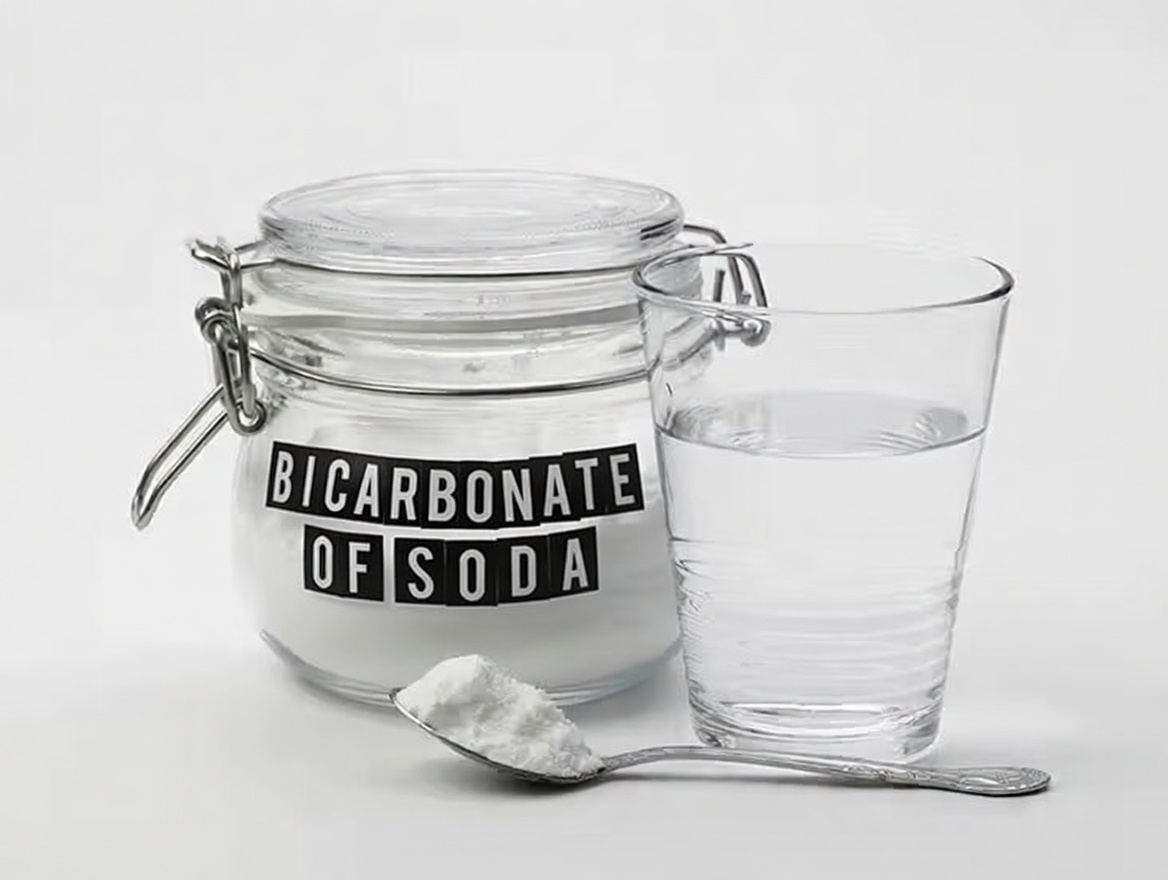
Painful mouth sores can make eating and drinking miserable. Many older adults try a mild baking soda mouth rinse to reduce irritation and support comfort.
- A gentle solution in warm water can help the mouth feel less sensitive.
- Baking soda may create a less acidic environment, which some find soothing.
Used carefully, this traditional approach is often discussed for helping reduce discomfort from recurring sores.
3) Foot, Skin, and Nail Comfort: Simple Soaks for Itching and Irritation
Itchy feet, minor irritation, or nail discomfort can limit daily activity—especially when shoes, heat, or gardening trigger flare-ups. A warm foot soak with baking soda is a common at-home routine seniors explore.
- Dissolving baking soda in warm water may calm itching.
- Some people use it to support healthier-looking skin over time.
- It’s often chosen as a gentler alternative to harsher products for minor concerns.
Many report feeling noticeably more comfortable after consistent, careful use on feet and nails.
4) Urinary Comfort: Only With Medical Guidance
Some seniors experiencing mild urinary irritation ask about baking soda because it can alkalinize urine. In certain situations, clinicians may discuss it as a supervised option.
- Any internal use for urinary concerns should be doctor-directed.
- Safety depends on your medical history, medications, and underlying cause of symptoms.
Always prioritize professional evaluation before trying baking soda for urinary discomfort.
5) Kidney Health Discussions: Supervision Required
Concerns about kidney function and fatigue are common with aging. In specific cases, baking soda has been studied for supporting acid–base balance under clinical care.
- This is not a do-it-yourself remedy.
- It can require monitoring (including labs) to reduce risks such as fluid retention or electrolyte imbalance.
If kidney health is a concern, discuss evidence-based options with your healthcare provider before considering sodium bicarbonate.
6) Exercise Endurance: A Popular Idea With Mixed Tolerance
Some active older adults explore baking soda before light activity because it may help buffer exercise-related acidity, potentially reducing that heavy, burning fatigue during movement.
- This approach is well known in fitness circles.
- Digestive tolerance varies widely, and dosing matters.
If you’re considering baking soda around exercise, start cautiously and only after getting medical clearance.
7) Joint Comfort and Morning Stiffness: Emerging Wellness Interest
Many seniors live with stiff, achy joints—especially in the morning. Some people incorporate low-dose baking soda into a broader routine because of interest in its buffering role in the body.
- It’s inexpensive and accessible.
- Any perceived improvement is typically described as subtle and gradual.
Because sodium intake and medical conditions matter, joint-related use should still be approached thoughtfully and with guidance.
8) Fresher Breath and Oral Hygiene: Occasional Use for Polishing
Baking soda is a common ingredient in oral-care products because it can gently polish and support a cleaner feel.
- Some seniors use it occasionally to help with freshness and surface stains.
- It should be used sparingly to avoid over-scrubbing tooth enamel.
If you have gum disease, sensitivity, or dental work, check with your dentist before changing your routine.
9) Skin Itch and Mild Rashes: A Soothing Bath Option
Seasonal dryness, mild irritation, or itchy patches can interfere with sleep and comfort. A baking soda bath is a traditional remedy many try for calming the skin.
- Adding baking soda to warm bath water may reduce the “itchy” feeling.
- It’s often used as a simple alternative to frequent topical products.
Use occasionally and stop if irritation worsens.
10) Gout Flare Comfort: Discuss With Your Doctor
Gout flares can be intensely painful and limit walking or daily movement. Some people ask about baking soda for uric-acid-related support, but it must be handled carefully.
- Baking soda should never replace prescribed gout medications.
- Any trial should be done only with medical approval.
Because gout management depends on individual labs and health status, professional guidance is essential.
11) Feeling “Lighter” After Meals: pH Balance Claims With Caution
Some seniors describe a sluggish, heavy feeling after meals and experiment with tiny baking soda routines in hopes of improved balance and comfort.
- Baking soda may shift acidity temporarily, but results vary.
- Tracking how you feel and discussing changes with a clinician is the safest approach.
This is not a detox cure—just a comfort strategy some people explore carefully.
12) Natural Deodorant Alternative: Odor Neutralizing for Daily Confidence
For those who prefer fragrance-free, simple personal care, baking soda is commonly used to neutralize odor.
- A light dusting can help some people stay fresh.
- It doesn’t rely on strong scents or aluminum-based formulas.
If your underarm skin is sensitive, reduce frequency or discontinue.
Putting It All Together: Daily Comfort Starts With Safe, Consistent Habits
When minor discomforts and low energy make daily life feel heavier, baking soda may become a small, supportive part of a broader wellness routine—if used responsibly. Many seniors report feeling more comfortable when they combine careful home strategies with essentials like hydration, balanced meals, gentle movement, and regular medical checkups.
The most important rule: use baking soda thoughtfully, avoid overuse, and involve a healthcare professional when taking it internally or managing ongoing symptoms.