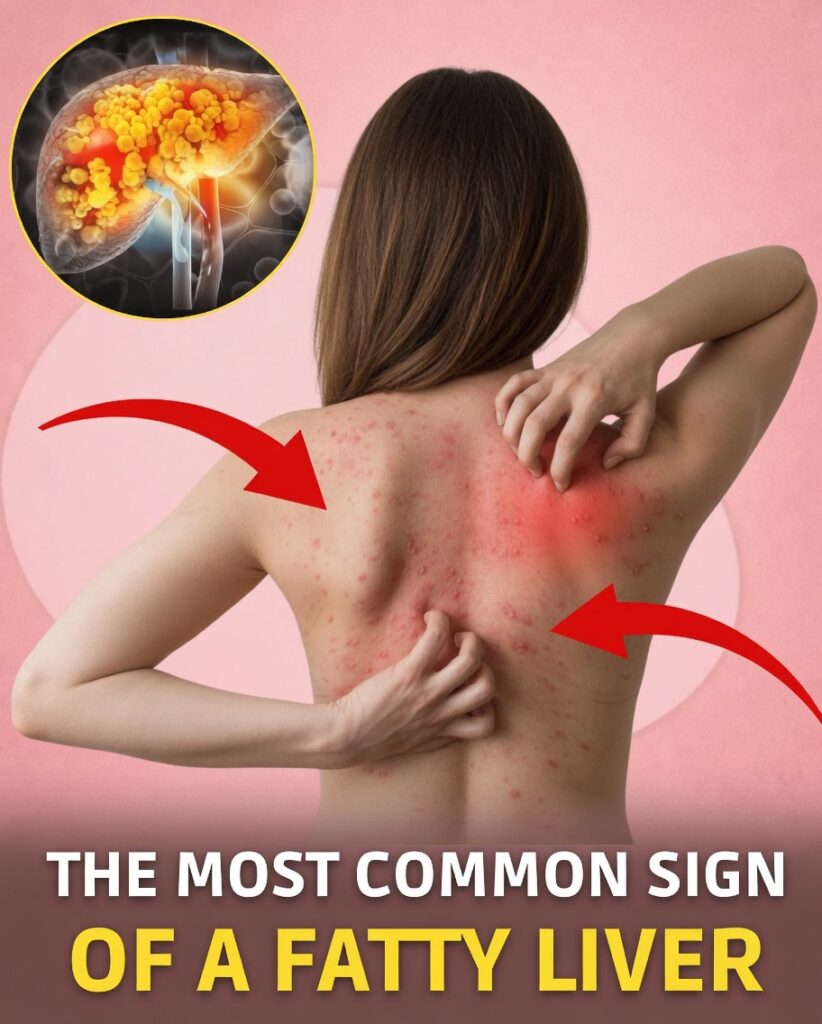
Persistent Fatigue Could Be the Most Common Sign of Fatty Liver Disease
Feeling drained day after day—even after a full night’s sleep—can quietly take over your life. When exhaustion becomes your “normal,” work feels harder, relationships take more patience, and even simple errands can seem overwhelming. Many people chalk it up to stress, aging, or being busy, but persistent tiredness can also be the most common sign of fatty liver disease, a widespread condition that often develops with little warning.
The good news is that recognizing this early red flag can help you take practical, realistic steps to protect your health. With the right habits, many people see meaningful improvements in both liver health and daily energy.
What Is Fatty Liver Disease?
Fatty liver disease happens when too much fat accumulates inside liver cells. This is frequently associated with lifestyle and metabolic factors, including excess weight, insulin resistance, and poor diet. Because the liver plays a major role in energy regulation, metabolism, and detoxification, fat buildup can reduce how efficiently it does its job—leading many people to feel persistently tired.
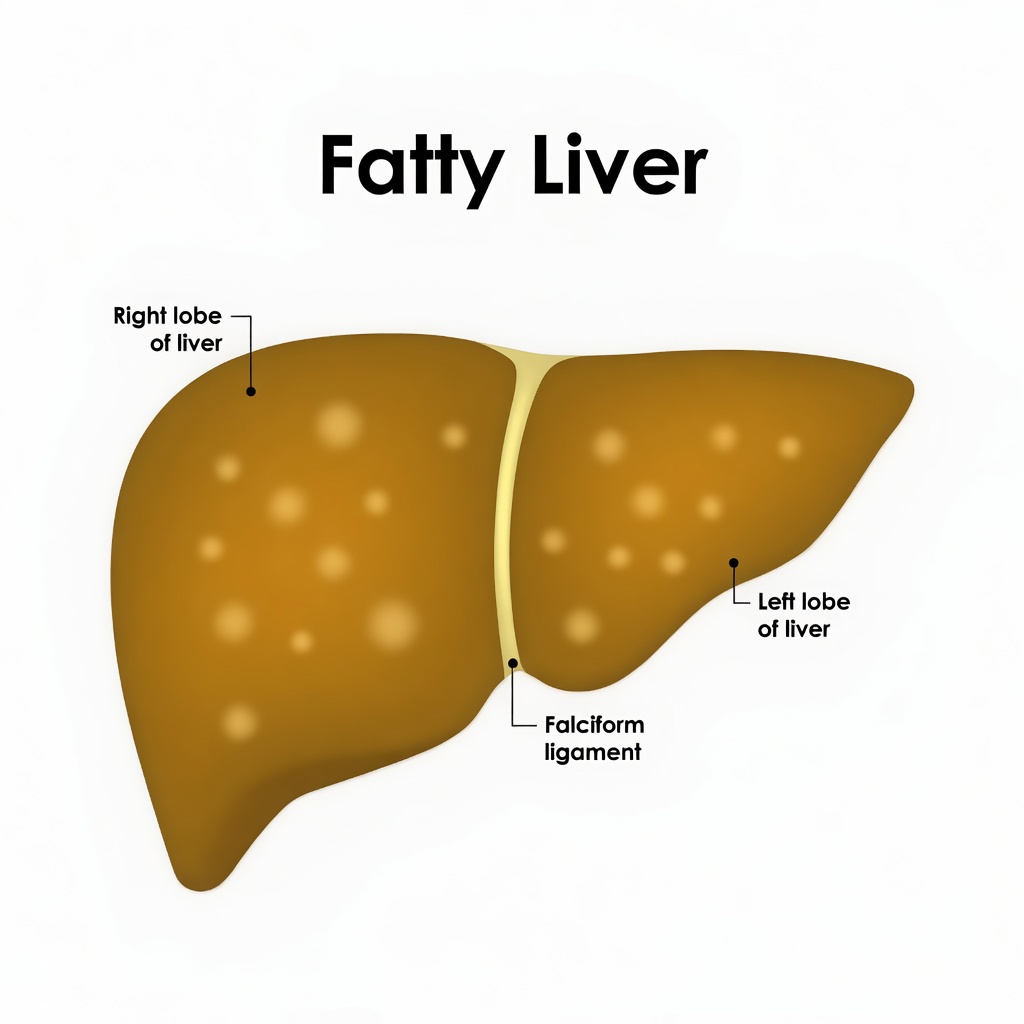
What makes this condition especially challenging is how often it progresses quietly. Estimates suggest fatty liver disease affects up to one in three adults, and early stages may show few obvious symptoms. As a result, the **most common sign of fatty liver disease—ongoing fatigue—**is often dismissed as “just life,” allowing the condition to continue unnoticed.
Why Persistent Fatigue Is the Most Common Sign of Fatty Liver Disease
When symptoms do appear, reputable medical sources (including major clinics such as Mayo Clinic and Cleveland Clinic) frequently note fatigue as the leading complaint. This is not the typical “I had a long day” tiredness. People often describe it as:
- A heavy, lingering exhaustion
- Low motivation despite rest
- Feeling less sharp, less patient, and less engaged
One key reason: a liver burdened by fat may become less effective at processing nutrients and managing toxins, which can contribute to that “running on empty” sensation. Over time, fatigue can also create a vicious cycle—low energy reduces activity, reduced activity can contribute to weight gain, and weight gain may worsen fat accumulation in the liver.
Other Early Warning Signs to Watch For
While fatigue remains the most common sign of fatty liver disease, other early symptoms may show up subtly and intermittently. Pay attention if fatigue is accompanied by:
- A dull ache or mild discomfort in the upper right abdomen, where the liver is located (sometimes described as fullness or pressure)
- General weakness that makes physical tasks feel unusually difficult
- Reduced appetite or occasional nausea, which can affect nutrition and eating patterns
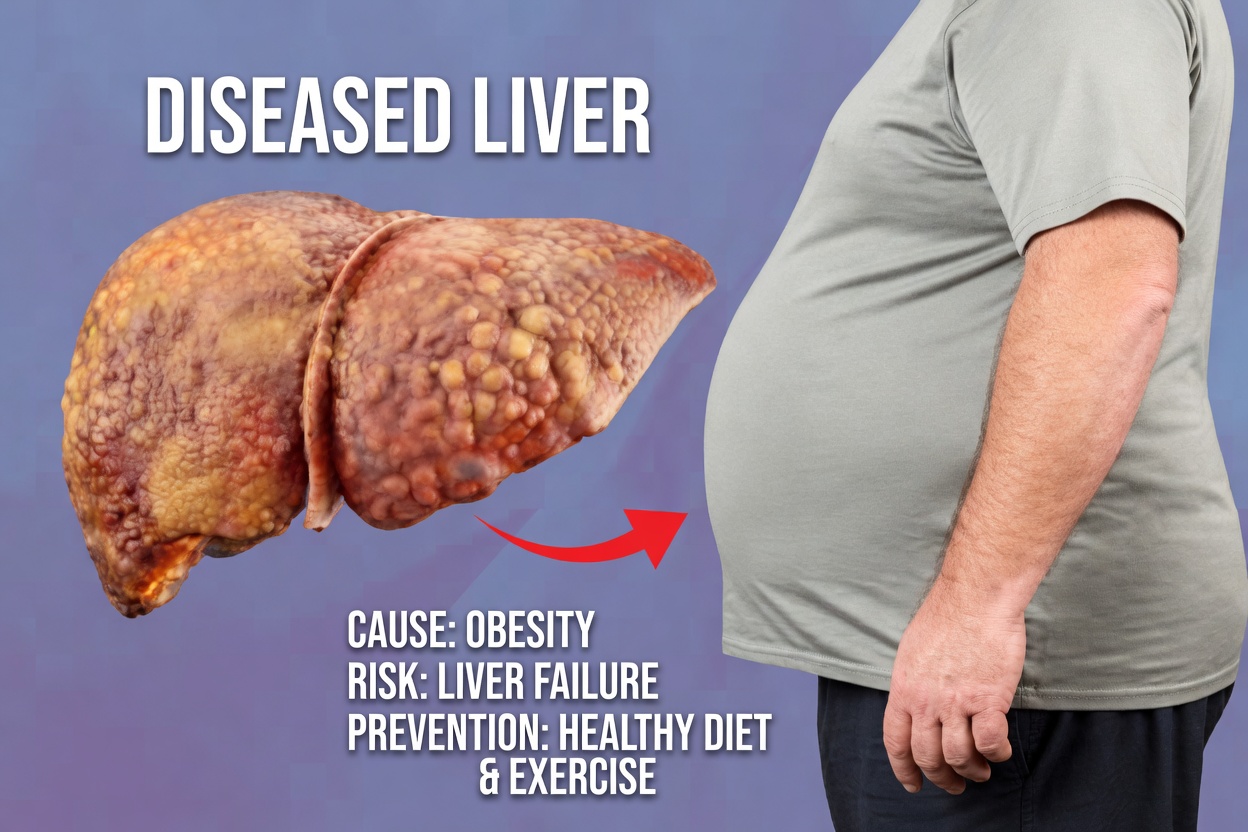
Because these symptoms can overlap with everyday stress, poor sleep, or busy routines, many people ignore them for years—especially when fatigue feels like the only consistent issue.
Why Fatty Liver Disease Is Often Missed for So Long
Fatty liver disease is frequently called a “silent” condition for a reason: early symptoms can be mild, vague, or absent. Many individuals only connect the dots after routine lab work shows elevated liver enzymes, or imaging reveals fat accumulation. By that point, they may have lived with the **most common sign of fatty liver disease—persistent fatigue—**for months or even years.
Early awareness matters because it can prompt timely medical guidance and prevent progression.
Early vs. Advanced Stages at a Glance
-
Early stage (often silent)
- Common experiences: fatigue, mild abdominal discomfort
- Daily impact: low energy, reduced drive, frustration with productivity
-
Advanced stage
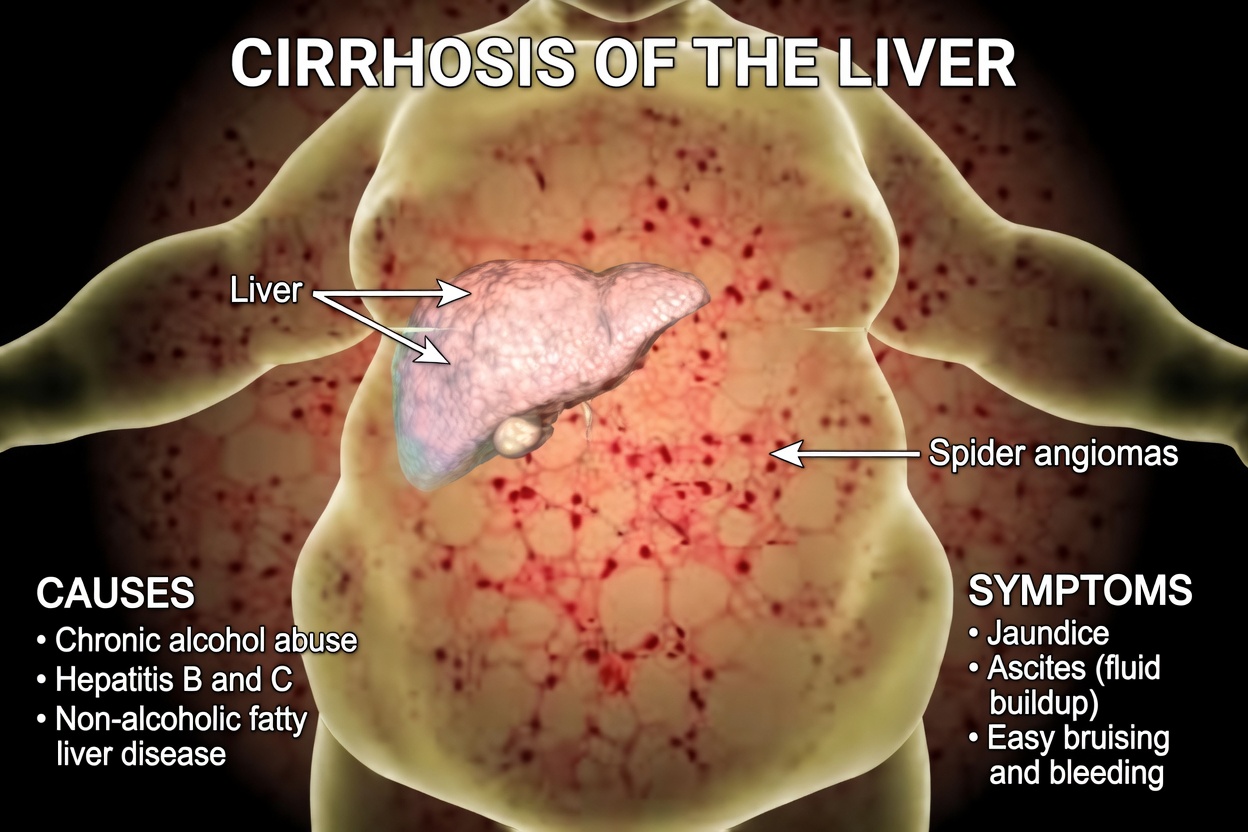
- Common experiences: jaundice, swelling, severe fatigue
- Daily impact: major limitations and increased need for medical care
Recognizing the most common sign of fatty liver disease early can be a turning point.
Practical Steps to Support Liver Health Starting Today
Health experts consistently emphasize that lifestyle changes can significantly improve fatty liver disease, especially in earlier stages. These strategies can also help reduce fatigue and support more stable energy throughout the day:
-
Prioritize whole foods
Choose vegetables, fruits, lean proteins, legumes, and healthy fats while cutting back on refined sugar, ultra-processed foods, and excess saturated fat. -
Move regularly
Aim for something sustainable—like a 30-minute walk most days—to support metabolism and liver function. -
Work toward gradual, healthy weight loss if needed
Even modest weight reduction can lower liver fat in many people. -
Limit alcohol
Alcohol increases liver workload and can worsen inflammation or fat accumulation. -
Stay well-hydrated
Hydration supports overall body function and can help you feel more alert. -
Consider coffee or green tea in moderation
Some studies associate moderate intake with potential liver benefits (though this is not a substitute for medical care).
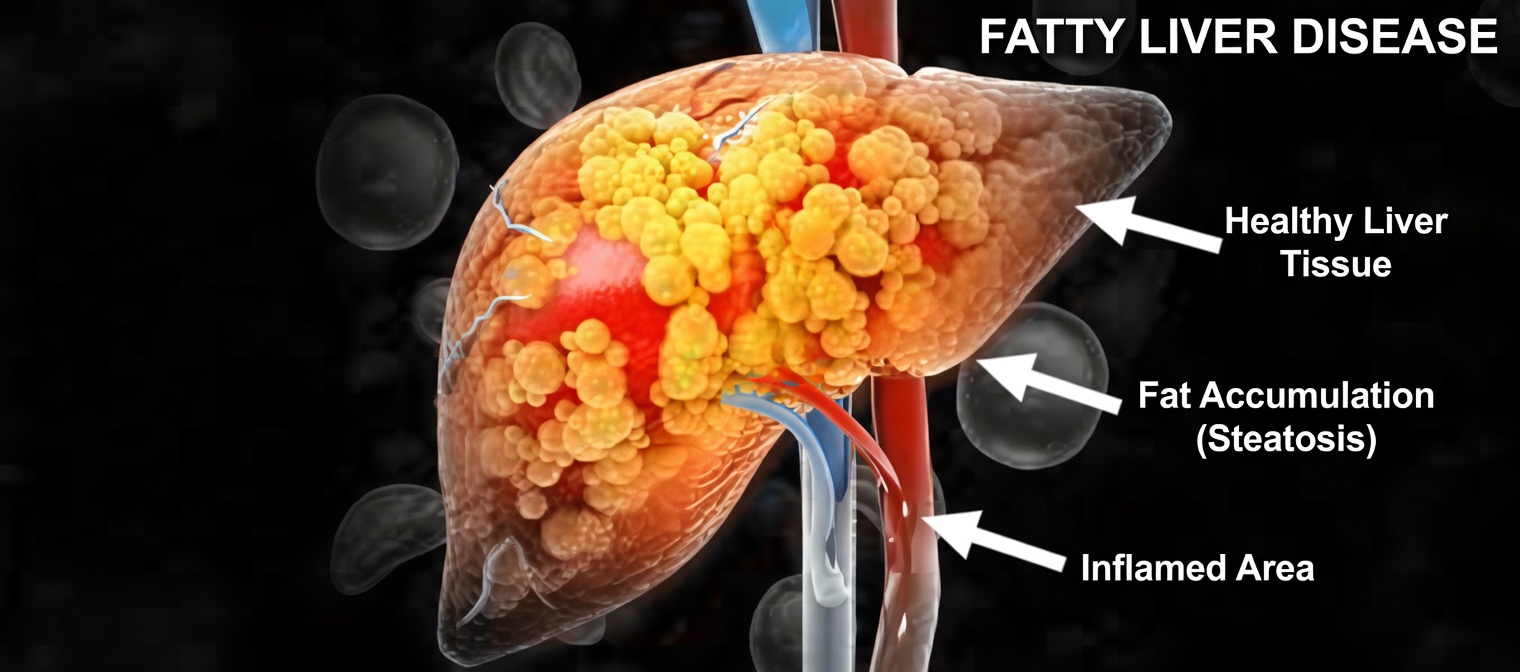
These habits don’t just target the most common sign of fatty liver disease—they support cardiovascular health, metabolic balance, and long-term well-being.
Final Thoughts: Take Fatigue Seriously, and Protect Your Liver
Persistent fatigue is easy to normalize, but it deserves attention—especially because it’s widely recognized as the most common sign of fatty liver disease when symptoms appear. Listening to your body, understanding the possible connection, and seeking professional advice when appropriate can help you take control before the condition progresses.
Small, consistent improvements in diet, movement, and daily habits often lead to the biggest long-term gains.
Frequently Asked Questions
Is fatigue always a sign of fatty liver disease?
No. Fatigue can come from many causes (sleep issues, stress, anemia, thyroid disorders, depression, and more). However, when symptoms occur, fatigue is commonly reported as the most common sign of fatty liver disease. A clinician can help identify the real cause.
Can fatty liver disease be reversed?
In many cases, yes—especially when caught early. Lifestyle changes such as improved diet, regular activity, and gradual weight loss may reduce or even reverse liver fat buildup, though results vary by individual.
When should I see a doctor about possible fatty liver concerns?
Schedule a check-up if you have ongoing fatigue, especially alongside risk factors such as excess weight, high blood sugar, high cholesterol, or metabolic syndrome—or if you notice additional symptoms like abdominal discomfort, weakness, or appetite changes. Only proper testing can confirm what’s going on.