
Many people love hanging clothes outside to dry because it lowers energy use and leaves laundry with that clean, sun-dried scent. But if you’ve ever noticed sneezing, itchy skin, or breathing discomfort after wearing outdoor-dried clothing, the habit can quickly become frustrating and exhausting. What seems like a harmless routine can turn into a problem when air quality is poor—because tiny airborne particles can cling to damp fabric far more easily than most of us expect.

Why Hanging Clothes Outside to Dry Still Feels Like the Best Option
For generations, hanging clothes outside to dry has been a simple, reliable method. It can:
- Reduce electricity consumption
- Be gentler on fabrics than high-heat drying
- Leave clothing smelling naturally fresh
However, for people with seasonal allergies, sensitive skin, or respiratory conditions, the same outdoor freshness can come with an unwanted side effect: laundry that triggers symptoms and disrupts daily life—sleep, work, and family time included.
The Hidden Risk: Outdoor Air Sticks to Your Laundry
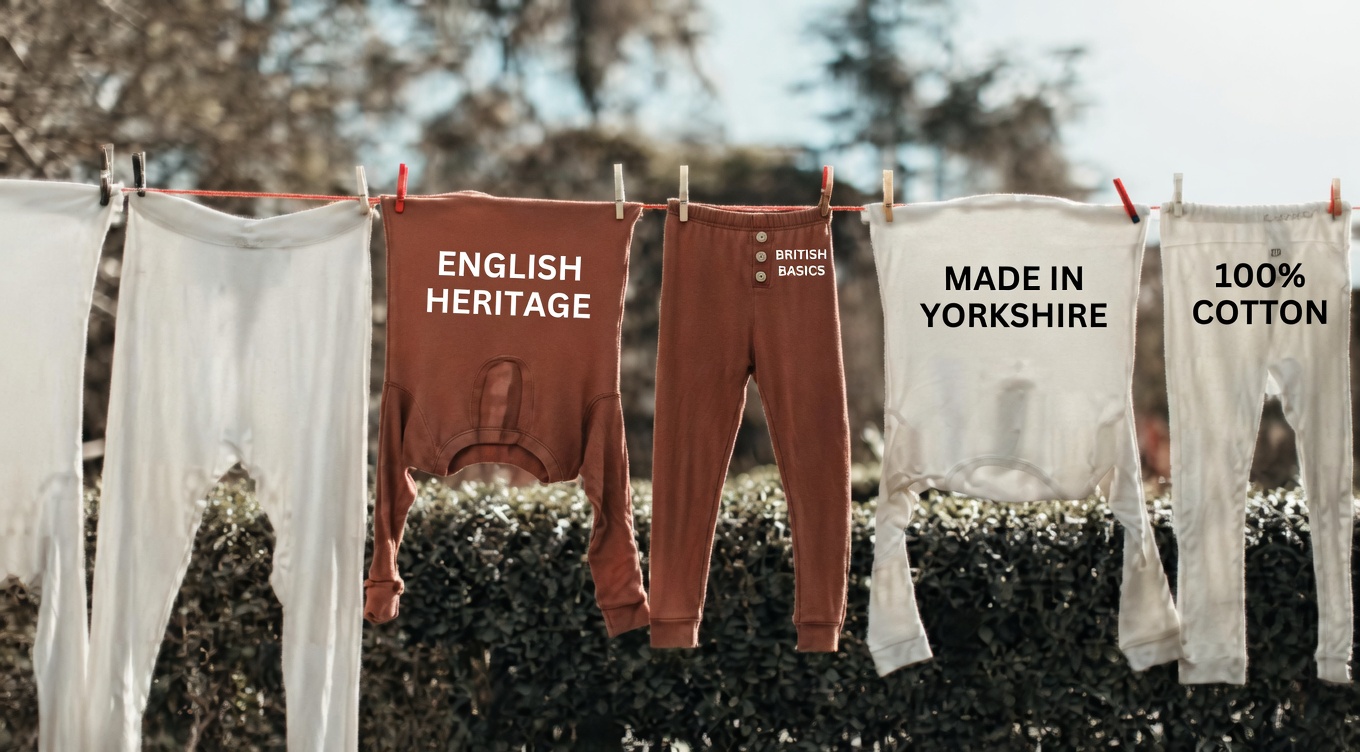
Outdoor air may look clean, but it often contains allergens and pollutants. When you hang clothes outside to dry, the fabric behaves like a collector: airborne particles settle on towels, sheets, and clothing and then transfer directly to your skin or lungs when you wear or use them.
Research and expert observations commonly point out that damp textiles attract and hold particles more readily. That makes outdoor drying a bigger issue in areas with heavy pollen seasons or urban pollution.
Two Common Triggers Linked to Outdoor-Dried Laundry
Pollen: A Major Issue During Peak Seasons
During certain times of year, pollen from trees, grasses, and weeds fills the air. While clothes hang outside to dry, these microscopic grains can embed in fibers—especially on windy days when pollen levels spike.
If you experience hay fever, pollen-laden clothing may lead to:
- Sneezing and a runny nose
- Itchy or watery eyes
- Congestion and fatigue
In other words, laundry can become an unexpected way allergens follow you indoors.

Air Pollution Particles: A Bigger Concern in Cities and Industrial Areas
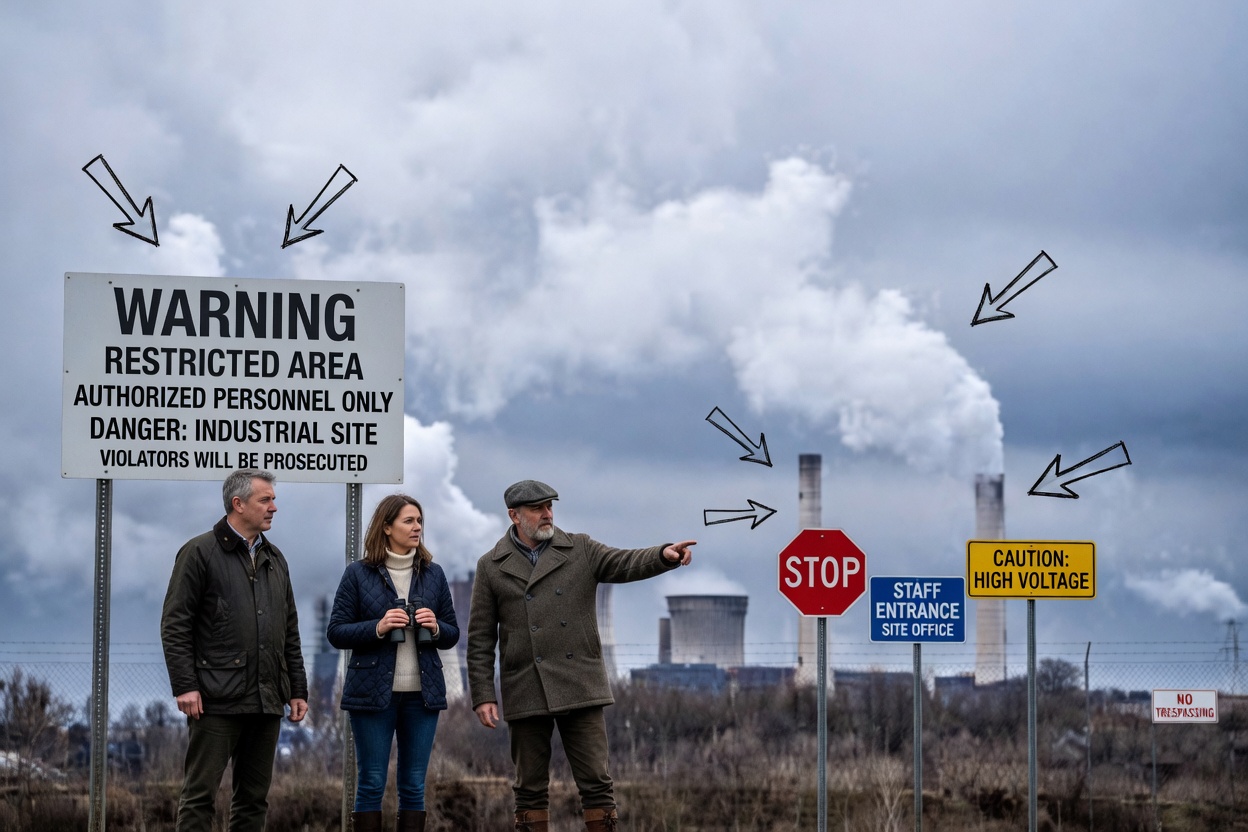
In many urban environments, the air can contain fine particulate matter such as PM2.5 from vehicle exhaust, construction dust, and industrial emissions. When you hang clothes outside to dry, these particles can settle into the fabric and stay there.
For sensitive individuals, this may contribute to:
- Skin irritation or inflammation
- Throat or airway discomfort
- A general feeling of “not knowing why you feel off” after getting dressed
Professionals frequently note that textiles can trap and retain small particles, which may affect comfort over time.
Skin and Breathing Reactions: Why It Can Feel So Uncomfortable
The biggest problem isn’t just that particles land on clothing—it’s the direct contact afterward. When pollutants and allergens are caught in fabric, they can rub against the skin or be inhaled, potentially causing:
- Redness, itching, or rashes
- Increased coughing or wheezing
- More frequent allergy flare-ups
For households with children or older adults, this extra exposure can add stress—especially when symptoms seem to appear “for no clear reason.”
Signs You May Want to Stop Hanging Clothes Outside to Dry
You may benefit from switching drying methods if you notice:
- Allergy symptoms that worsen right after wearing outdoor-dried clothes
- Skin irritation that appears repeatedly with certain laundry loads
- Breathing discomfort during high-pollen or high-pollution days
- Laundry that feels slightly “dusty” or loses its clean feel quickly
These patterns can be strong clues that hanging clothes outside to dry is contributing to the problem.
Safer Alternatives: How to Dry Clothes Indoors Without the Downsides
If outdoor air is triggering symptoms, drying indoors is often the simplest change with the biggest payoff. To dry clothes effectively inside:
- Pick a well-ventilated area (near a window, fan, or air vent)
- Use an indoor drying rack to improve airflow and save space
- Add a dehumidifier in humid climates to reduce damp odors
- Shake garments before hanging to remove extra moisture
- Leave gaps between items so air can circulate
This approach helps keep laundry comfortable and fresh while reducing exposure to pollen and pollution.
Comparing Drying Methods: Pros, Cons, and Who They Suit
-
Hanging Clothes Outside to Dry
- Pros: Energy-saving, naturally fresh scent
- Cons: Pollen/pollution exposure, weather-dependent
- Best for: Low-pollution areas, low-pollen periods
-
Indoor Drying Rack
- Pros: More controlled environment, fewer outdoor allergens
- Cons: Takes space, can dry slowly in high humidity
- Best for: Allergy sufferers, city homes, sensitive skin
-
Tumble Dryer
- Pros: Fast and convenient
- Cons: Higher energy use, can wear fabrics faster
- Best for: Busy households needing quick turnaround
Conclusion
While hanging clothes outside to dry offers real benefits, it can also expose your laundry to pollen and air pollution—especially in certain seasons and locations. If you’ve been dealing with unexplained congestion, itchy skin, or breathing issues, switching to indoor drying may bring noticeable relief and greater peace of mind.
Frequently Asked Questions
-
Is hanging clothes outside to dry always unsafe?
No. In areas with clean air and low pollen, it can be perfectly fine. If you have allergies or sensitivities, it’s smarter to be cautious. -
Can I still get a “fresh” smell without hanging clothes outside to dry?
Yes. Try drying near a screened window, using lightly scented laundry products, or adding a mild natural fragrance option that works for your skin. -
If I live in a rural area, is outdoor drying still a problem?
Often it’s less risky, but pollen levels can still be high depending on season and local vegetation. Monitor how you feel after wearing outdoor-dried clothes.