
Enjoy Bread Without the Blood Sugar Rollercoaster
Trying to manage blood sugar doesn’t mean you must swear off bread forever. Many people find that regular white bread—and plenty of standard store-bought loaves—can trigger quick glucose spikes followed by an energy slump. A few hours later, cravings hit, mood drops, and it’s easy to reach for something sweet.
The better approach is choosing smart breads that help keep blood sugar stable. Below are 8 options that still taste great, support steadier energy, and reduce dramatic swings. The most surprising pick uses natural fermentation to slow carbohydrate absorption—so don’t skip the final sections.

Why Most Bread Spikes Blood Sugar (And What “Smart Breads” Do Differently)
Most refined breads digest extremely fast because they’re low in fiber and tend to have a high glycemic index. When starch breaks down quickly, glucose rises sharply—then drops—leaving you hungry and searching for more carbs soon after.
Research consistently points to a solution: breads that include more soluble fiber, protein, and healthy fats digest more slowly. That slower digestion can help smooth out post-meal glucose changes and support more stable energy across the day.
One key detail many people overlook: what you eat with the bread matters almost as much as the bread itself. Pairing smart bread with protein, fats, and fiber-rich toppings can significantly improve your blood sugar response.

The First 4 Smart Breads That Help Keep Blood Sugar Stable
1. Oat Bread
Oat bread is a standout choice for stable blood sugar thanks to beta-glucan, a soluble fiber that forms a gel-like texture in the gut and slows carbohydrate absorption. The result is often a gentler glucose rise, better fullness, and fewer late-morning energy dips.
2. 100% Whole-Grain Bread
When it’s truly whole grain (not just “wheat” flavored), this bread can be one of the most dependable options. Look for loaves where the first ingredient is 100% whole grain and where each slice provides at least 3–4 grams of fiber. The intact grain structure helps slow digestion compared with refined white bread.
3. Flaxseed Bread
Flaxseed bread combines fiber with omega-3 fats, which can further slow glucose release. Many people feel more satisfied after switching to flax-based bread, making it easier to avoid unnecessary snacking.
4. Quinoa Bread
Quinoa brings complete protein plus fiber, helping you build meals that feel more filling and produce fewer sharp post-meal spikes. It’s a strong option when you want bread that supports appetite control and steadier energy.
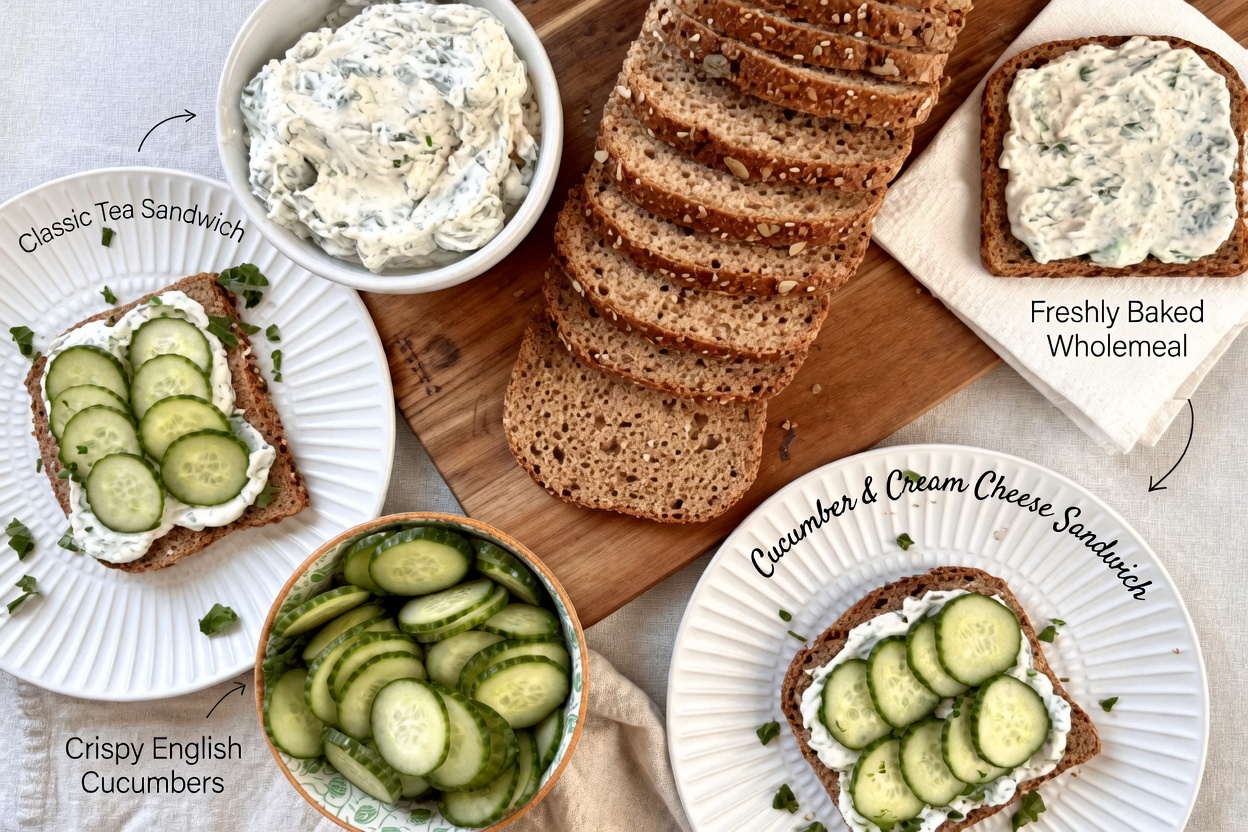
4 More Excellent Smart Breads for Steadier Blood Sugar
5. Sprouted Grain Bread
Sprouted grain bread can be a smart move because sprouting breaks down some starch while preserving fiber—making the carbohydrates easier to handle without triggering the same rapid spike. Studies suggest sprouted breads often produce a lower glycemic impact than comparable non-sprouted varieties.
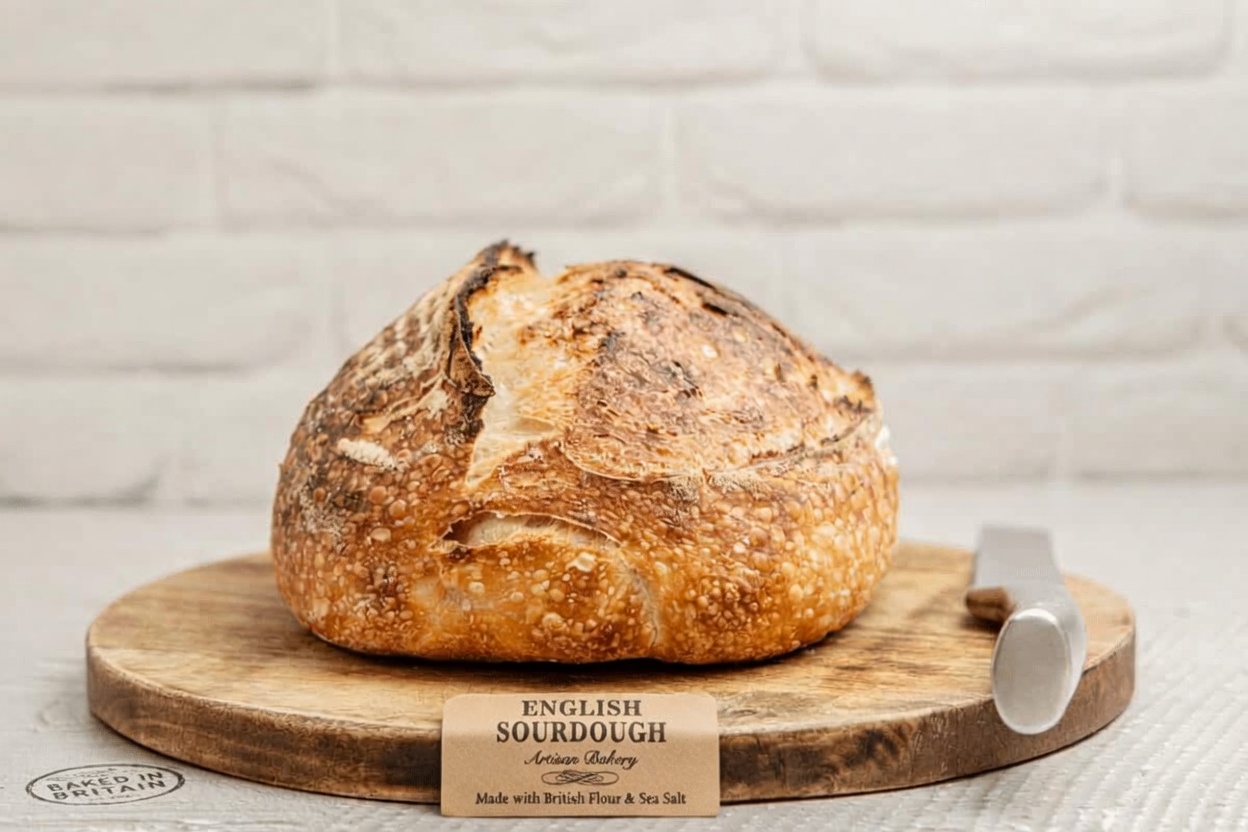
6. Authentic Sourdough Bread (Naturally Fermented)
True sourdough earns its place on the list due to its long, natural fermentation, which can reduce the glycemic response. Many people notice a noticeably steadier blood sugar rise compared with conventional bread made with quick-acting yeast.
7. Seeded Multigrain Bread
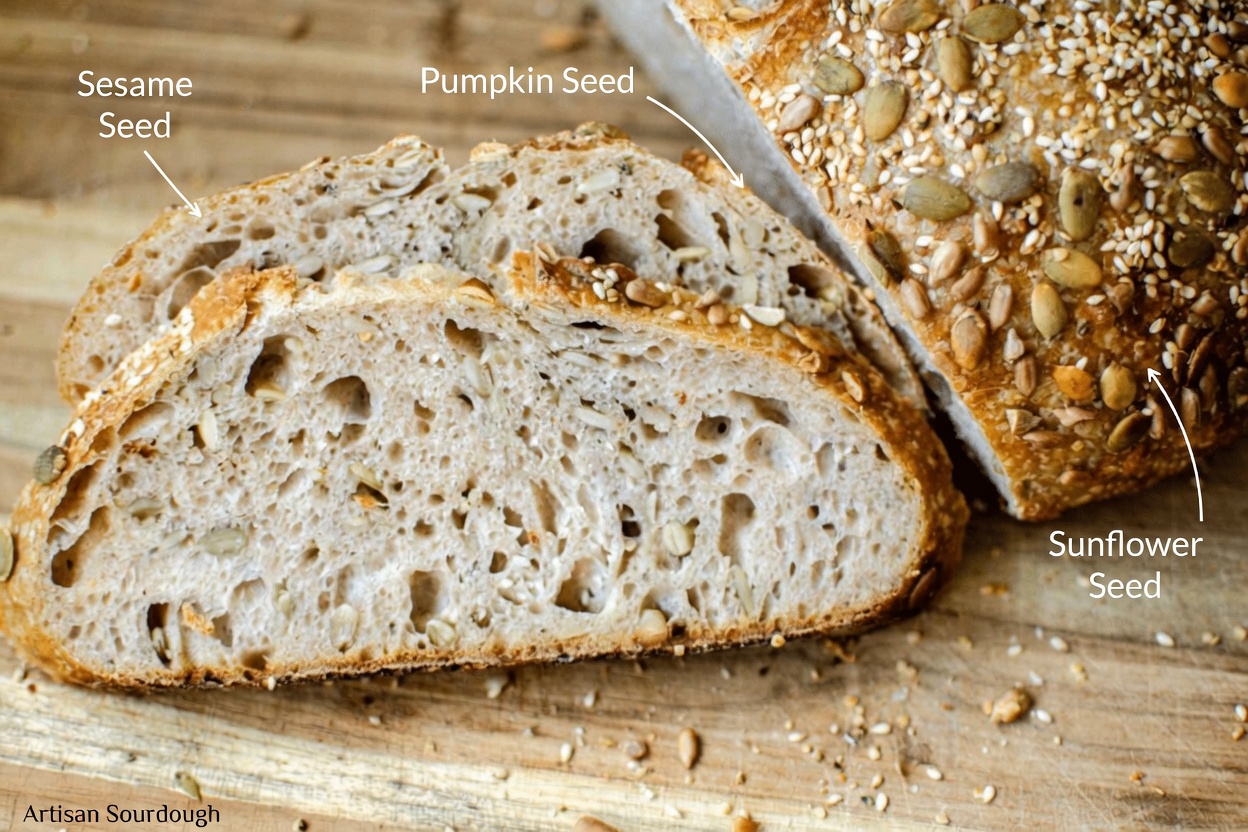
A seeded multigrain loaf loaded with flax, chia, sunflower seeds, and similar ingredients offers a powerful combination of fiber, protein, and healthy fats. It’s one of the most practical ways to make bread more blood-sugar-friendly while keeping meals enjoyable and flavorful.
8. Gluten-Free Whole-Grain Bread (Chosen Carefully)
Gluten-free doesn’t automatically mean better for glucose. However, gluten-free breads made from whole grains like brown rice, buckwheat, or millet can support more stable blood sugar—if they aren’t heavily processed. Always read labels carefully, since many gluten-free loaves behave more like white bread.
Real-Life Example: A Simple Bread Swap, Noticeable Results
Maria, a 51-year-old teacher in Florida, used to experience afternoon crashes after eating typical sandwich bread at lunch. After switching to oat bread and sprouted grain bread, she noticed more consistent energy, improved focus, and fewer cravings in about three weeks. “I can finally enjoy bread again without the rollercoaster,” she said.
Her story highlights a practical truth: small changes—like choosing smart breads that help keep blood sugar stable—can make everyday life feel easier.
Smart Breads vs. Regular Bread: Quick Comparison
- Oat bread: slower rise due to beta-glucan fiber; pairs well with peanut butter + banana
- 100% whole-grain bread: slower absorption from intact grain fiber; great with turkey + avocado + vegetables
- Flaxseed bread: gentler curve from omega-3 + fiber; try with cucumber + low-fat cheese
- Quinoa bread: balanced release from complete protein; works well with eggs + avocado
- Sprouted grain bread: lower glycemic impact due to partial starch breakdown; ideal for open-faced sandwiches
- Authentic sourdough: reduced spike due to fermentation acids; pair with lean turkey + greens
- Seeded multigrain: very stable because seeds add protein + fats; top with mashed avocado + extra seeds
- Gluten-free whole-grain: stable if truly whole-grain and minimally processed; label reading is essential
This is why smart breads can feel dramatically different from standard refined loaves.
A Simple Action Plan to Start Using Smart Breads
- Replace your usual bread with one or two smart breads this week.
- Check labels for “100% whole grain” or “sprouted” and aim for at least 3g fiber per slice.
- Build balanced plates: pair smart bread with protein + healthy fat + vegetables.
- Track how you feel for 7 days (energy, hunger, cravings).
- Rotate through the 8 options to find the best fit for your taste and routine.
Pairing Patterns Matter Most for Blood Sugar Stability
Even the best bread performs better when paired wisely. For example, oat bread + nut butter + vegetables typically creates a smoother glucose response than bread eaten alone. The goal is to slow digestion and reduce how quickly carbohydrates enter the bloodstream.
What to Ask Your Doctor or Dietitian
Bring questions like:
- “Which smart breads are best for helping me keep blood sugar stable given my health history?”
- “How should I pair these breads for the most stable post-meal glucose response?”
Personal guidance can help you feel confident and avoid guesswork.
FAQ: Smart Breads That Help Keep Blood Sugar Stable
-
How many slices can I eat per day?
Many people do well with 1–2 slices per meal, especially when the meal includes protein, healthy fats, and vegetables. -
Which option is easiest to find?
Oat bread and 100% whole-grain bread are commonly available and often reliable choices for a steadier blood sugar response. -
Can these breads help if I have prediabetes?
Many people with prediabetes report steadier energy after switching to smart breads, but it’s best to confirm choices with a healthcare professional.
Final Thoughts: Keep Blood Sugar Stable Without Giving Up Bread
You now have 8 smart bread choices that can help keep blood sugar stable while still letting you enjoy toast, sandwiches, and everyday meals. With the right loaf—and the right pairings—you can replace worry with confident, practical decisions.
This article is for informational purposes only and does not replace medical advice. If you have diabetes or concerns about blood sugar, consult a qualified healthcare provider or registered dietitian for personalized guidance. Moderation and balanced meals remain essential.
P.S. Try one new smart bread this week and notice how you feel—then share which one surprised you most.