Male Fertility and Daily Habits: Why Small Choices Matter
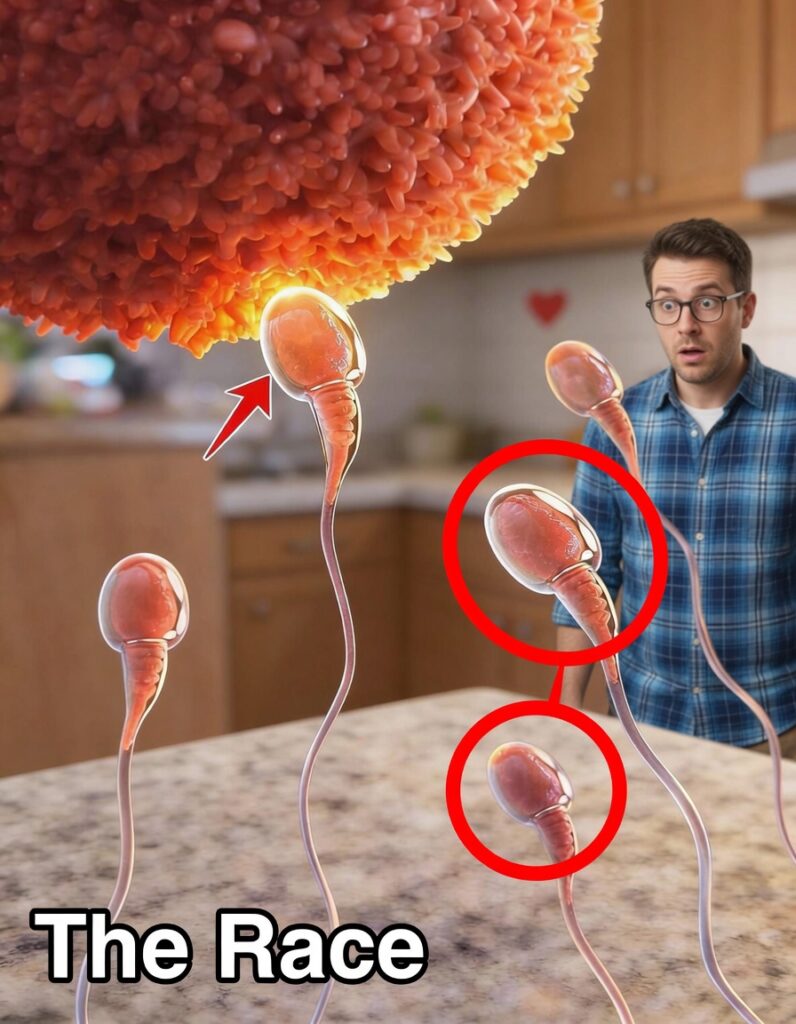
Male fertility is drawing increased attention worldwide as research points to a meaningful drop in average sperm counts in recent decades. Large studies and meta-analyses have reported declines of roughly 50% or more in sperm concentration in some regions since the 1970s, although a few newer reviews indicate more stable trends within certain groups (such as fertile men in the United States). Despite these findings, many men don’t realize that everyday routines may influence sperm health over time.
The key concern is that sperm quality isn’t shaped only by genetics or age. Lifestyle and environmental exposures can also affect sperm count, motility, DNA integrity, and broader reproductive function—often through gradual, repeated habits. The good news is that sperm are continually renewed on a 70–90 day cycle, meaning positive changes made now may support improved fertility potential within the next few months.
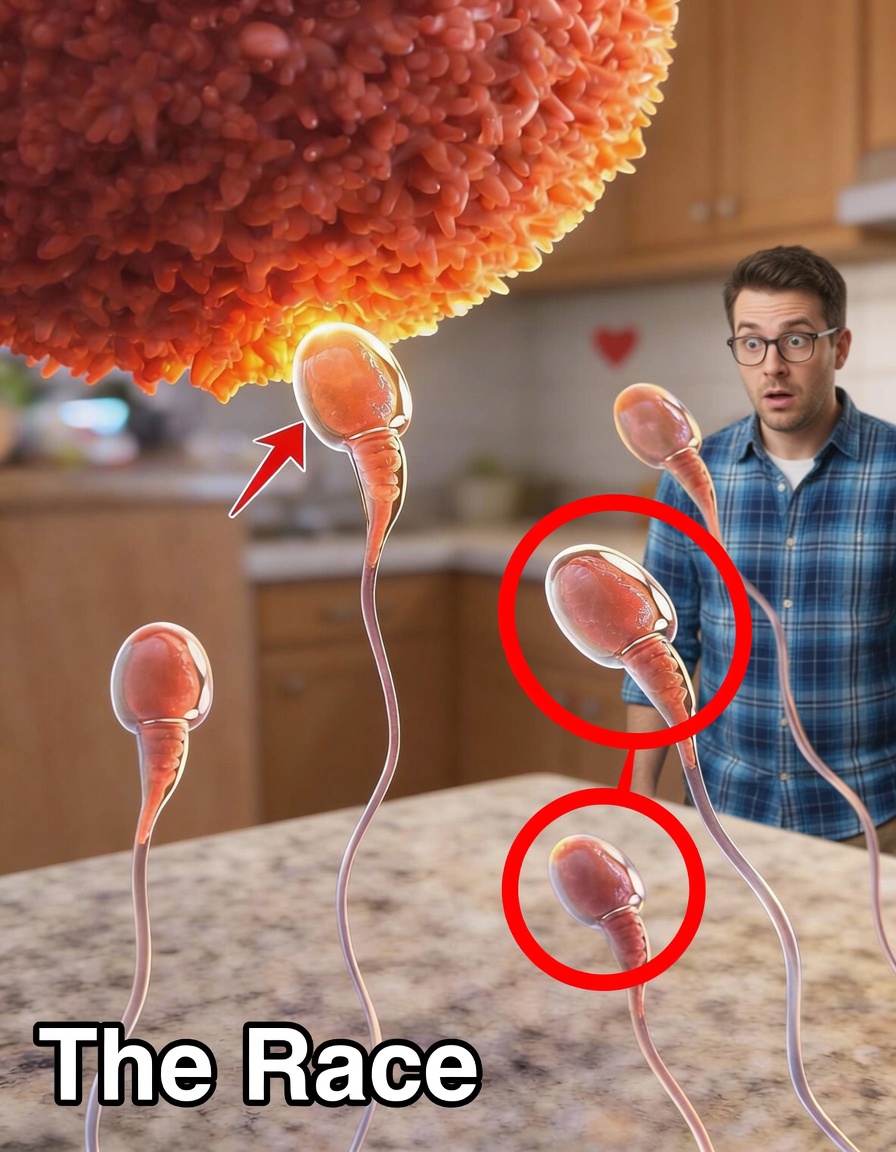
Below are 9 common daily habits that research has associated with sperm health challenges, along with practical ways to reduce risk and support reproductive wellness.
1. Carrying Your Phone in Your Front Pocket
Keeping a smartphone in the front pocket places it close to the testes, potentially increasing exposure to radiofrequency energy and mild heat.
Studies have investigated whether heavy mobile phone use correlates with changes in sperm parameters. Some findings suggest links to lower sperm concentration, reduced motility, and higher DNA fragmentation, though results are not uniform and direct causation remains under study.
Simple changes to consider:
- Keep your phone in a jacket pocket, backpack, or bag
- Avoid using a laptop directly on your lap for long periods
- Use speaker mode or wired headphones to reduce close contact during calls
2. Repeated Exposure to High Heat
Sperm production is temperature-sensitive and typically functions best slightly below core body temperature. Frequent or prolonged heat exposure can disrupt this balance.
Common heat sources include hot baths, saunas, very hot showers, tight clothing, and extended sitting without movement.
Ways to keep conditions cooler:
- Treat hot tubs and saunas as occasional, not routine
- Choose looser, breathable underwear (cotton and similar fabrics can help)
- Take a brief standing or walking break every 30–60 minutes during desk work
3. Eating Ultra-Processed Foods Most Days
Diets dominated by ultra-processed foods often contain refined sugars, trans fats, additives, and overheated industrial oils, which may contribute to inflammation and oxidative stress—factors associated in research with poorer sperm quality and hormonal disruption.
More fertility-supportive foods to emphasize:
- Eggs (nutrient-dense protein)
- Fatty fish like salmon (omega-3 fats)
- Fruits and vegetables (vitamins and phytonutrients)
- Nuts, seeds, and whole grains (fiber and minerals)

4. Falling Short on Zinc Intake
Zinc is essential for testosterone regulation, sperm development, and motility. Many modern diets don’t consistently provide enough zinc-rich foods.
Research has associated low zinc status with reduced sperm parameters and lower testosterone in some populations.
Easy zinc sources to add regularly:
- Oysters (one of the highest natural sources)
- Lean beef and other meats
- Pumpkin seeds
- Chickpeas (soups, salads, bowls)
- Eggs
5. Living in a Constant High-Stress State
Long-term stress can raise cortisol levels, which may interfere with testosterone production and hormonal balance. Over time, this can affect libido, energy, and sperm output.
Practical ways to lower daily stress load:
- Protect sleep quality and consistency
- Use brief breathing exercises or short mindfulness sessions
- Do moderate movement (walking, cycling, light strength training)
- Reduce “always-on” stimulation (notifications, constant scrolling)
6. Drinking Alcohol Regularly or Heavily
Alcohol can influence hormone levels by affecting testosterone synthesis, sperm maturation, and the body’s ability to regulate hormones efficiently. Research suggests even moderate daily drinking may be associated with gradual declines in sperm quality for some men.
More supportive drinking habits:
- Keep alcohol for occasional social settings, not daily use
- Drink water consistently throughout the day
- Alternate alcoholic drinks with non-alcoholic options when out
7. Frequent Contact With Endocrine-Disrupting Chemicals
Certain chemicals in everyday products—such as BPA, phthalates, and synthetic fragrances—may interfere with hormone signaling.
Typical sources include plastic containers (especially when heated), canned food linings, fragranced personal care products, and some cleaning supplies.
Lower-exposure swaps that are easy to implement:
- Use glass or stainless steel for storing and reheating food
- Don’t microwave food in plastic; transfer to glass or ceramic
- Choose fragrance-free or simpler personal care products when possible

8. Chronically Short or Low-Quality Sleep
A large portion of daily testosterone production occurs during deep sleep. Consistently sleeping under about 6–7 hours has been linked in studies to reduced testosterone (sometimes reported around 10–30%) and higher inflammation.
Sleep upgrades that often help:
- Aim for 7–9 hours most nights
- Keep the bedroom cool, dark, and quiet
- Stop screens about one hour before bedtime to wind down
9. Not Eating Enough Antioxidant-Rich Foods
Sperm cells are particularly vulnerable to oxidative stress, which can damage DNA, membranes, and motility. Antioxidants help neutralize free radicals and support cellular protection.
Antioxidant-rich foods worth prioritizing:
- Berries (especially blueberries)
- Pomegranate
- Leafy greens like spinach
- Vitamin C sources (citrus, bell peppers)
- Vitamin E sources (nuts, seeds)
- Brazil nuts (selenium)
Final Thoughts
Fertility changes often develop slowly, shaped by cumulative habits rather than a single event. Fortunately, because sperm regenerate approximately every 70–90 days, the body has a meaningful opportunity to respond to improved routines. By reducing unnecessary heat and chemical exposures, supporting hormone balance, and choosing nutrient-dense foods, many men can take practical steps toward stronger reproductive health.
Small actions repeated consistently can make a real difference over time.
FAQ
How long might it take for lifestyle changes to influence sperm health?
Because sperm production follows a 70–90 day cycle, measurable changes may take a few months of consistent habit changes. Individual outcomes vary.
Is sperm count decline happening uniformly across the world?
No. Research shows regional differences, with historically stronger declines reported in some Western regions, while newer data continues to refine global patterns. Lifestyle and environmental factors can affect men worldwide.
Can these habits affect fertility even if I’m young and feel healthy?
Yes. Many influences build gradually and can impact sperm quality at any age, although younger men may have more resilience and may respond well to positive changes.
Disclaimer
This article is for informational purposes only and does not replace medical advice. If you have concerns about fertility or reproductive health, consult a qualified healthcare professional for individualized evaluation, testing, and guidance. Outcomes vary, and no results are guaranteed.