Universal Cancer Vaccine Research: How Immunotherapy Could Transform Future Treatment
Cancer remains one of the world’s toughest health challenges, affecting millions of people each year. Beyond the fear that comes with a diagnosis, many patients and families must also cope with the heavy burden of standard treatments like chemotherapy and radiation—often accompanied by difficult side effects and the ongoing worry that the disease could return.
Today, advances in cancer immunotherapy are opening new directions. One of the most talked-about areas is the development of a universal cancer vaccine—an approach designed to train the immune system to recognize tumor signals that are shared across many cancers. Early research is encouraging, but it’s still in the clinical-trial phase. This article explains the concept, why scientists are excited, and what realistic expectations look like.
What a “Universal Cancer Vaccine” Means
Cancer forms when cells begin growing out of control due to genetic alterations (mutations). While every tumor has its own biology, many cancers—such as pancreatic, colorectal, and lung—can share key mutations. These recurring patterns may appear as shared neoantigens or driver mutations, including widely studied genes like KRAS and TP53.
A universal cancer vaccine aims to target these common markers rather than building a one-of-a-kind vaccine for each patient. Because it focuses on shared tumor features, it could potentially be produced as an off-the-shelf cancer vaccine, making it more scalable and accessible than fully personalized options that require sequencing and manufacturing unique formulations for each individual tumor.
The real promise, however, is not only convenience—it’s how the strategy could strengthen immune surveillance.
How the Vaccine Strategy “Trains” the Immune System
Your immune system constantly scans the body for threats. T cells, for example, can identify abnormal cells and destroy them. Cancer becomes dangerous in part because tumors often learn to hide—either by reducing visibility to the immune system or by actively suppressing immune activity.
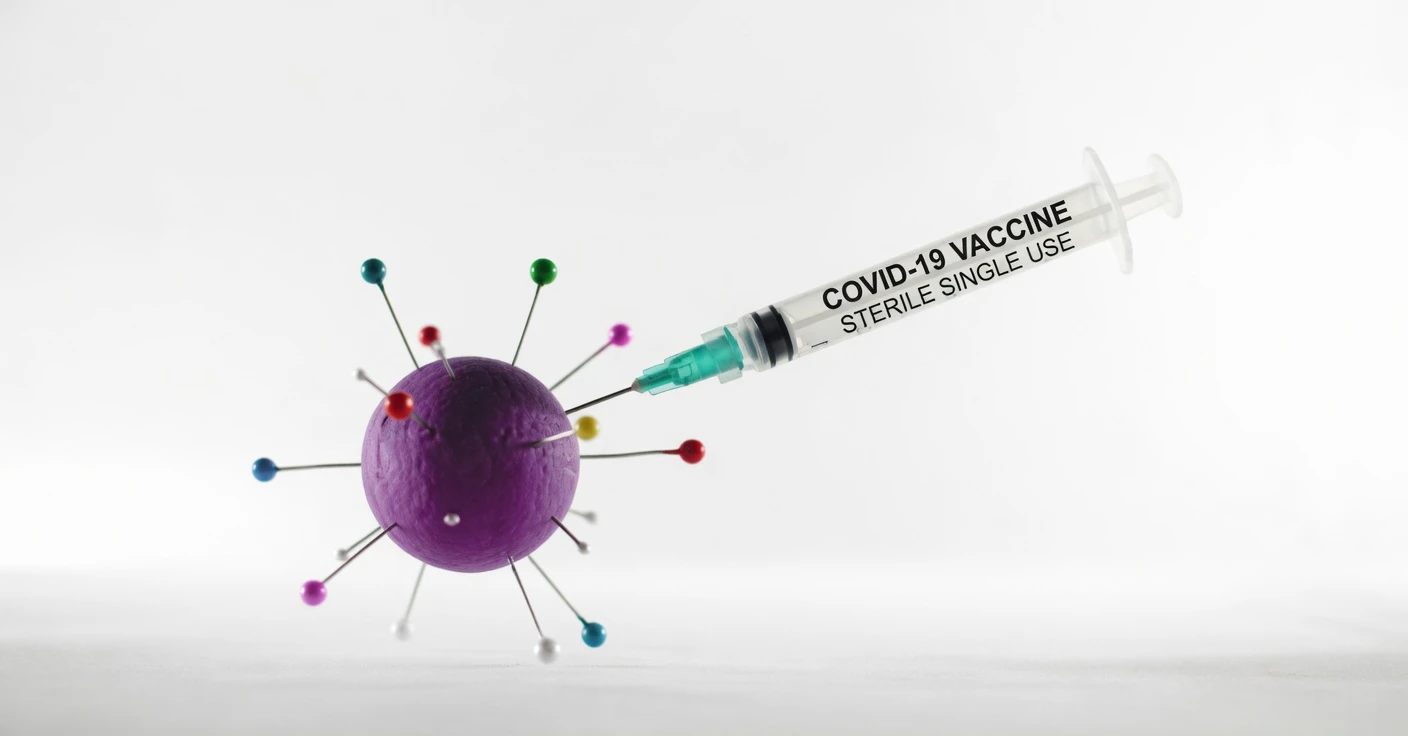
Many universal cancer vaccine concepts use mRNA vaccine technology, similar in principle to some COVID-19 vaccines. Instead of treating the tumor directly, the vaccine delivers instructions that help the immune system recognize specific cancer-related markers. The goal is to prompt T cells to patrol more effectively and attack cells displaying those shared signals.
Early-stage studies in animals and small clinical trials suggest this approach can generate meaningful immune activation. Research groups—including teams linked with UCLA Health and the University of Florida—have reported immune responses using off-the-shelf or experimental mRNA cancer vaccines in settings such as KRAS-mutated cancers and mouse models, indicating broad potential worth investigating further.
Key potential advantages being studied include:
- Supporting recurrence prevention by strengthening immune monitoring after initial treatment
- Reduced systemic side effects compared with broadly toxic therapies (though safety must be proven in larger trials)
- A flexible platform that could be updated as scientists identify additional shared tumor markers
How This Differs from Chemotherapy, Radiation, and Existing Immunotherapy
Conventional cancer treatments can be lifesaving, but they have limitations:
- Chemotherapy attacks rapidly dividing cells, which can also harm healthy tissue—often causing fatigue, nausea, and hair loss.
- Radiation therapy focuses on targeted areas but can still injure nearby healthy cells.
Modern immunotherapies, such as checkpoint inhibitors, have changed outcomes for some cancers by removing “brakes” that keep immune cells from attacking tumors. Still, they do not work for everyone, and responses vary widely.
A universal cancer vaccine approach is different because it aims to prepare the immune system in advance, rather than only releasing immune constraints after cancer is established. Researchers are exploring whether it could:
- Work alongside checkpoint inhibitors to improve response consistency
- Be used after surgery to help reduce the chance of cancer coming back
- Serve as a shared-mutation vaccine platform that could apply across multiple tumor types
Current research directions include:
- Trials focusing on shared mutations in high-risk populations, including people with inherited cancer risk such as Lynch syndrome
- Off-the-shelf vaccine candidates being tested in cancers that are often difficult to treat
- Larger studies being planned or expanded based on promising early immune-response signals
Even with encouraging results, it’s important to be clear: no universal cancer vaccine is currently proven to prevent or eliminate cancer across all patients, and these candidates remain investigational.
Potential Benefits—And What Expectations Should Stay Realistic
If ongoing studies continue to show safety and effectiveness, a universal cancer vaccine could become a valuable addition to cancer care. One future scenario researchers envision is post-treatment vaccination after tumor removal—helping the immune system stay alert for microscopic residual disease and lowering recurrence risk. Another potential use could be preventive support for people with elevated inherited risk (pending evidence).
Potential benefits under investigation:
- More precise immune targeting focused on cancer-linked markers
- Broader usability across cancer types, rather than a single-disease vaccine
- Better quality of life, if side effects prove milder than intensive therapies
Major challenges still need answers, including long-term safety, real-world effectiveness in diverse populations, manufacturing scale, and how well responses hold up over time. That’s why large, controlled human trials are essential before any widespread use.
Practical Steps You Can Take Now (While Research Continues)
While the science advances, the most meaningful actions today are the proven ones—reducing risk where possible and catching disease early.
-
Stay up to date on screenings
Follow evidence-based recommendations for mammograms, colonoscopies, cervical screening, or low-dose CT scans depending on age and risk factors. -
Build cancer-protective habits
Choose a nutrient-rich diet (fruits, vegetables, whole grains), and aim for about 150 minutes of moderate exercise per week. -
Limit known risk factors
Avoid smoking, keep alcohol intake low, maintain a healthy weight, and protect your skin from excessive UV exposure. -
Talk to your clinician about family history
If cancer runs in your family, ask whether genetic counseling or testing is appropriate. -
Support immune health basics
Prioritize sleep, manage stress, and follow recommended vaccinations based on your health status.
Conclusion: A Promising Frontier, Still in Progress
A universal cancer vaccine designed to mobilize the immune system against shared tumor markers is one of the most exciting areas in modern oncology research. Early clinical and preclinical data suggest these vaccines can trigger strong immune responses and may eventually offer a more targeted, potentially gentler complement to existing therapies—especially in reducing recurrence risk after treatment.
However, it is not a replacement for today’s proven cancer treatments, and it is not yet an approved medical option. As clinical trials expand, the field will learn whether this approach delivers consistent real-world benefit across populations and cancer types.
FAQ
What is a universal cancer vaccine?
A universal cancer vaccine is an investigational vaccine designed to help the immune system recognize common genetic markers found across many tumors, rather than being custom-built for one person’s cancer.
How is it different from a personalized cancer vaccine?
Personalized cancer vaccines target mutations unique to an individual’s tumor and require custom manufacturing. A universal (off-the-shelf) approach targets shared markers and aims for broader use.
Can I get a universal cancer vaccine now?
No. Universal cancer vaccines are still in early clinical trials. While early findings are promising, larger studies are needed before regulatory approval or routine availability.
Disclaimer
This article is for informational purposes only and does not provide medical advice. Always consult a qualified healthcare professional for guidance on cancer prevention, screening, diagnosis, or treatment. Research evolves over time, and no vaccine currently prevents or cures all cancers.