Olive oil is a staple of healthy eating, valued for its high monounsaturated fat content and antioxidant compounds that can support overall wellness as part of a balanced diet. However, not every bottle labeled “extra virgin” truly meets that standard. Some products are poorly processed, overly old, or even blended with lower-grade oils—leaving shoppers unsure whether they’re buying the real thing.
That uncertainty can make olive oil shopping feel like a gamble, especially when you expect a fresh, vibrant flavor and the quality associated with genuine extra virgin olive oil. The upside is that you don’t need to be an expert to choose well. With a few practical checks and smarter buying habits, you can confidently identify authentic extra virgin olive oil and enjoy what makes it special.
This guide breaks down how real extra virgin olive oil is produced, how to assess it at home, what to look for on labels, which brands are widely trusted, and how to buy, store, and use it effectively.
The Journey of Authentic Extra Virgin Olive Oil
True extra virgin olive oil starts long before it reaches a store shelf—its quality is shaped from harvest to extraction.
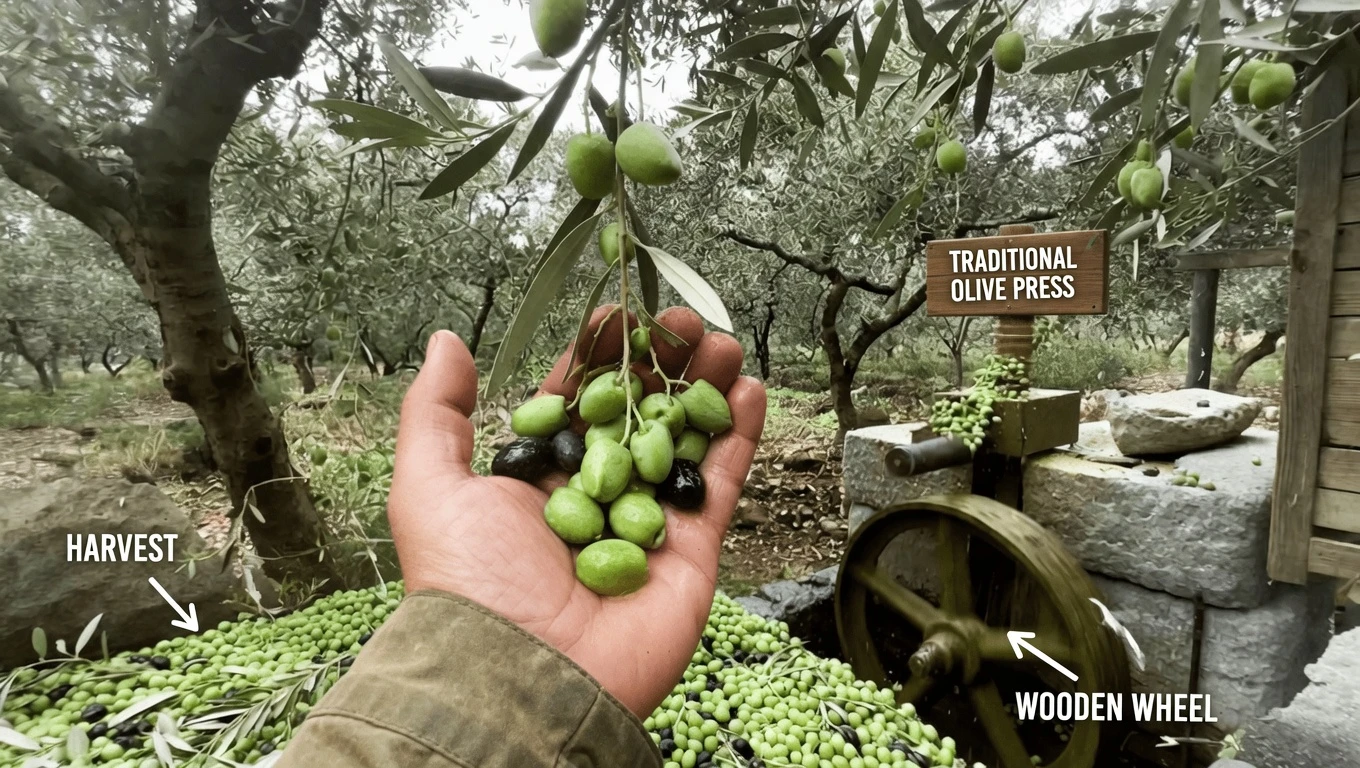
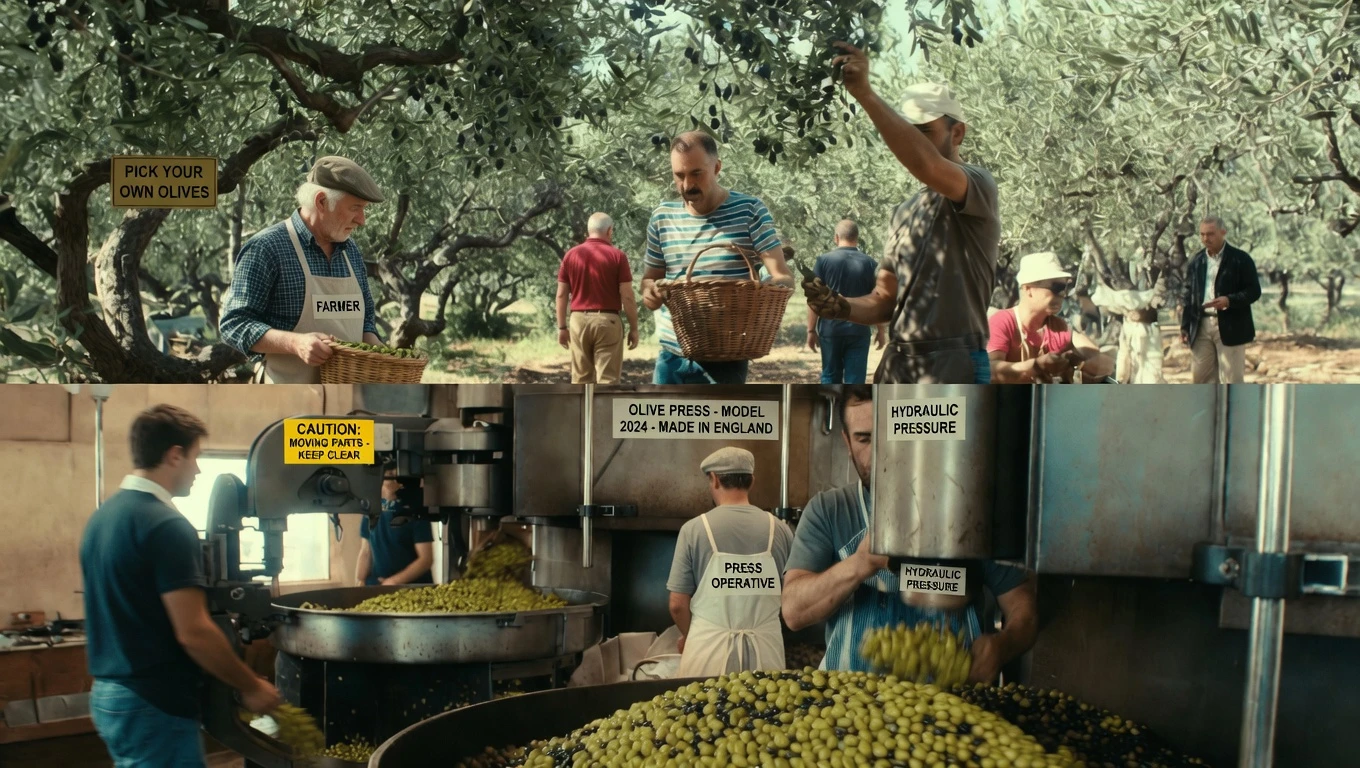
Olives are typically hand-picked or carefully harvested to avoid bruising. They’re then transported quickly to the mill, because delays can trigger fermentation and spoilage that reduce flavor and quality.
At the mill, olives are washed and cleaned to remove leaves, twigs, and debris. Next comes crushing: the fruit is ground into a paste using equipment (often stainless steel) designed to prevent overheating. Temperature control matters—too much heat can damage delicate aromas and beneficial compounds.
The paste is then slowly mixed during malaxation, allowing tiny oil droplets to merge naturally at controlled temperatures. Finally, the oil is separated using centrifugation, without chemical solvents or excessive heat. The result is a pure oil with the sensory and nutritional characteristics associated with extra virgin quality.
This careful, cold-extraction approach is what distinguishes authentic extra virgin olive oil from lower-quality products that rely on refining, blending, or shortcuts.
How to Identify Authentic Extra Virgin Olive Oil at Home
Your senses are one of the most useful tools for spotting real extra virgin olive oil—especially when combined with label checks.
Freshness and Aroma
A good extra virgin olive oil smells clean and lively, often described with notes like:
- Fresh-cut grass
- Green tomato or artichoke
- Ripe or green fruit
If the aroma seems musty, stale, waxy, vinegary, or flat, the oil may be old, oxidized, or compromised.
Taste Test
Try a small sip (or taste with bread). Authentic extra virgin olive oil typically offers:
- Noticeable fruitiness
- A gentle bitterness
- A peppery bite in the back of the throat (often linked to healthy phenolic compounds)
If the oil tastes bland, greasy, or oddly harsh without balance, it may indicate poor quality or dilution.
Texture and Appearance
On the palate, quality oil should feel smooth and clean, not heavy or waxy. Color is not a reliable indicator: olive oil can range from deep green to golden depending on variety and ripeness, and bottles may be tinted to influence perception.
The Fridge Test (Helpful, Not Definitive)
A common home check is to refrigerate a small amount overnight:
- Many genuine extra virgin oils will turn cloudy or partially solidify
- Some adulterated oils may remain mostly liquid
This test is not foolproof—different olive varieties and fatty acid profiles behave differently in cold temperatures. Use it only as one clue, alongside taste, aroma, and label evidence.
Understanding Olive Oil Labels and Certifications
A label can reveal a lot—if you know what to prioritize.
Key Label Signals
Look for:
- “Extra Virgin”: a regulated category, generally tied to strict quality standards, including low acidity (typically ≤ 0.8%) and no sensory defects
- Harvest date: ideally within the last 12–18 months for best flavor and quality (more informative than a generic “best by” date)
- Clear origin details (estate, region, or specific sourcing)
Avoid vague marketing terms like:
- “Pure olive oil”: usually a refined blend with less character
- “Light” olive oil: refers to flavor and refining, not calories
Trusted Certifications
Third-party seals can add confidence:
- NAOOA Certified (North American Olive Oil Association): indicates independent testing for quality and purity
- PDO (Protected Designation of Origin) / PGI (Protected Geographical Indication): European protections for origin and traditional production methods
- COOC (California Olive Oil Council): widely recognized for U.S.-produced California oils
Top Trusted Authentic Olive Oil Brands
Buying from reputable producers lowers your risk of ending up with subpar oil. The following brands are frequently noted for transparency, quality control, and strong reputations in reviews and competitions:
- California Olive Ranch: commonly 100% California-grown options; often packaged to reduce light exposure; known for balanced freshness
- Cobram Estate: award-winning Australian producer recognized for robust flavor and rigorous standards
- Graza: modern approach with an emphasis on freshness and everyday usability
- Brightland: premium, single-origin style oils with distinct flavor profiles
- Colavita or Bertolli: widely available and often associated with NAOOA certification for certain products
When possible, choose oil packaged in:
- Dark glass bottles, or
- Tins
These materials help protect oil from light and heat, which accelerate oxidation. For current standouts, check recent results from respected competitions such as the NYIOOC (New York International Olive Oil Competition).
Actionable Tips to Choose and Use Authentic Olive Oil
Use these practical steps to buy smarter and keep olive oil tasting its best:
- Shop strategically: choose dark glass or tins, and prioritize harvest dates and recognized certifications
- Be wary of unrealistic pricing: extremely cheap “extra virgin” options can be a red flag
- Taste when available: samples can help you confirm fruitiness and that signature peppery finish
- Store it correctly: keep bottles tightly closed in a cool, dark cabinet, away from heat sources like the stove
- Use it thoughtfully: drizzle extra virgin olive oil on salads, vegetables, and bread to preserve delicate flavors; consider refined oils for very high-heat cooking
- Re-check new bottles: do a quick aroma/taste assessment, and use the fridge test only as a supporting clue
Adding authentic extra virgin olive oil to meals can elevate flavor and fit well within a heart-supportive eating pattern.
The Real Impact of Choosing Authentic Olive Oil
Choosing genuine extra virgin olive oil means you’re more likely to get the fresh taste, natural antioxidants, and overall quality associated with the category. In contrast, counterfeit or low-grade products may be bland, overly old, or blended in ways that don’t match what the label implies.
Beyond your own kitchen, supporting authentic producers helps reward careful farming and milling practices—and encourages higher standards across the industry.
Conclusion
You don’t need advanced training to buy real extra virgin olive oil. Focus on freshness, credible certifications, honest label details, sensory cues like fruitiness and pepperiness, and trusted brands. With these habits, you can shop with confidence and enjoy olive oil the way it’s meant to taste.
Frequently Asked Questions
How can I tell if my olive oil is extra virgin at home?
Rely on sensory checks: a fresh, green aroma; a balanced fruity taste with mild bitterness; and a peppery finish. Use the fridge test for clouding as an extra clue, and confirm with label details like harvest date and certifications.
Is the fridge test reliable for detecting fake olive oil?
It can be informative, but it’s not definitive. Some authentic oils may behave differently depending on variety and composition. For better accuracy, combine it with aroma, taste, and label verification.
What certifications should I look for on olive oil bottles?
Look for seals such as NAOOA, PDO, PGI, or COOC. Also prioritize a clear harvest date and specific origin information for additional assurance.
Disclaimer: This article is for informational purposes only and is not intended as medical advice. Consult a healthcare professional for personalized dietary guidance.