Papaya Leaf Hair Mask: A Natural Option for Thinning Hair, Dandruff, and Dry Strands
Dealing with thinning hair, persistent dandruff, or hair that feels rough and dull can be exhausting—especially after cycling through product after product with little payoff. In many cases, these problems are linked to an irritated scalp, excess oil and buildup, or day-to-day environmental stress that gradually weakens the hair fiber. That’s why more people are looking beyond harsh formulas and exploring gentle, plant-based alternatives—and the papaya leaf hair mask is becoming a popular DIY choice.
What makes it especially interesting is the mix of long-standing traditional use and early scientific interest. By the end of this guide, you’ll have a simple, practical recipe you can try at home to support a calmer scalp and healthier-looking hair.
Why Papaya Leaves Are Used in Hair Care
Papaya leaves (Carica papaya) have a history in traditional beauty routines, particularly for scalp and hair maintenance. They contain a range of supportive nutrients and plant compounds, including:
- Vitamins A, C, and E
- Antioxidant compounds
- Natural enzymes, including papain
- Other botanical constituents that may help condition the scalp environment
Early research into papaya and its bioactive components suggests antioxidant activity, which may help counter oxidative stress—a factor often discussed in relation to overall scalp and hair health. Some studies exploring other papaya-derived materials (such as flowers or fermented preparations) have examined possible pathways that could support the hair follicle environment or influence enzymes linked to common hair concerns.
Another reason papaya leaf draws attention: laboratory findings have observed antifungal activity, which may be relevant for people trying to maintain a cleaner, more balanced scalp.
Potential Benefits of a Papaya Leaf Hair Mask
Large, high-quality human studies focused specifically on papaya leaf hair masks are still limited. However, traditional use plus early lab findings point to several areas where people may notice improvements.
1) Scalp comfort and fewer visible flakes
Test-tube research has shown antifungal effects from papaya leaf extracts. This is often discussed in the context of dandruff, which can be associated with an overgrowth of scalp yeast (commonly Malassezia). When the scalp is more balanced, it typically looks clearer and feels less irritated.
2) Nutrient support for the scalp and follicles
Papaya leaves provide vitamins and antioxidants that may help support the scalp—creating conditions that many associate with stronger-looking hair over time.
3) Softer hair with more shine
Enzymes and naturally conditioning compounds may help smooth the hair cuticle. Many users report hair that feels silkier, easier to manage, and more reflective after repeated use.
4) Oil management without harsh stripping
If your roots get oily quickly, a papaya leaf mask may offer a gentler cleansing effect that supports sebum balance—without leaving the scalp feeling overly dry.
5) Stronger, more resilient strands
Antioxidants help defend against daily exposure to pollution, sun, and other stressors, which may contribute to breakage reduction and improved hair feel.
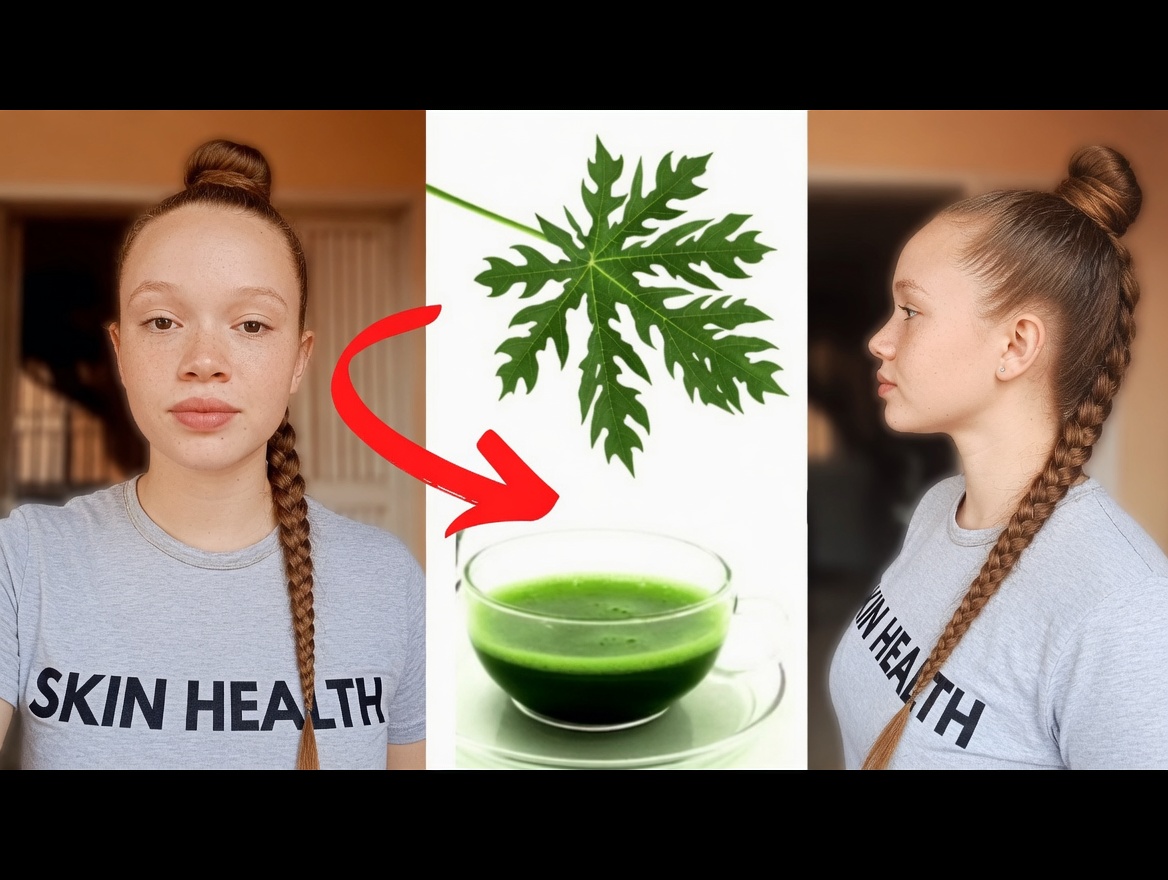
Quick match-up: common concerns and why papaya leaf is used
- Dandruff / flaky scalp → linked to antifungal activity seen in lab testing
- Dry, dull hair → associated with smoothing and conditioning effects
- Weak or thinning-looking strands → potential nutrient + antioxidant support
- Oily roots → may help with gentle oil balancing
Note: outcomes vary widely. These potential benefits reflect a combination of traditional experience, anecdotal feedback, and emerging research—not guaranteed results.
How to Make a Papaya Leaf Hair Mask at Home
This DIY papaya leaf hair mask recipe is simple and uses accessible ingredients. Before applying to your scalp, do a patch test (inner arm) to check for sensitivity.
Basic recipe (1 application)
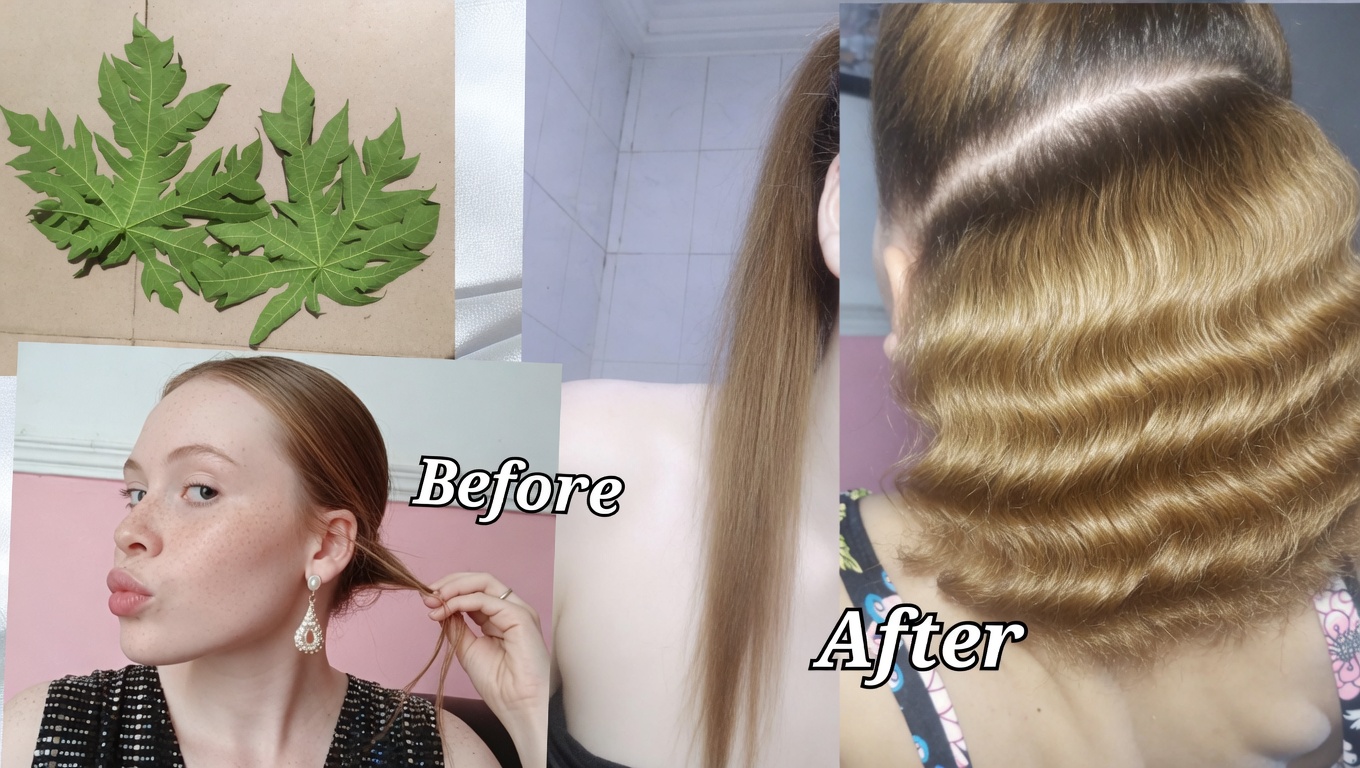
- A handful of fresh papaya leaves (around 8–10 medium leaves)
- 1/4 cup water (or aloe vera juice for added soothing)
- Optional add-ins (choose based on your hair needs):
- 1–2 tbsp coconut oil (extra hydration)
- 1 tbsp honey (softness and moisture retention)
- Plain yogurt (a protein boost)
Step-by-step instructions
- Rinse the leaves well to remove dust or residue.
- Roughly chop, then blend with water until a smooth paste forms. (Strain if you prefer a smoother texture.)
- Mix in any optional ingredients (coconut oil for deeper moisture; honey for softness).
- Part your hair and apply the mask to the scalp first, using gentle massage. Then spread through the lengths.
- Cover with a shower cap and leave on for 30–45 minutes.
- Rinse thoroughly with lukewarm water, then shampoo if needed.
Tip: For most people, using a papaya leaf mask 1–2 times per week is a practical schedule. Some notice improved softness after a few uses, while scalp-related changes may take longer.
Variations to customize your mask
- For extra shine: swap coconut oil for 1 tbsp olive oil
- For a dry or irritated scalp: add more aloe vera gel
- For oily hair: stick to leaves + water only (skip heavier oils)
Tips for Better Results (and Fewer Mistakes)
- Choose fresh leaves when possible; dried leaves may be less potent.
- Keep the rest of your routine gentle—avoid harsh sulfates if your scalp is easily irritated.
- Be consistent. Natural scalp care tends to be gradual, often showing changes over 4–8 weeks.
- Support your hair outside the mask: prioritize protein, key vitamins, hydration, and UV protection when appropriate.
- If flaking, itching, or shedding is persistent, consider a dermatologist visit to rule out underlying conditions.
Conclusion: Is a Papaya Leaf Hair Mask Worth Trying?
A papaya leaf hair mask can be an affordable, gentle way to care for your scalp and improve how your hair looks and feels. While modern research is still developing, early findings around antioxidant and antifungal properties help explain why this traditional remedy remains popular. Many users report better texture, more shine, and improved scalp comfort with regular use.
If you’re curious, try it consistently and pay attention to how your scalp responds—you may find it becomes a simple ritual that helps your hair look healthier over time.
FAQ
1) How often should I use a papaya leaf hair mask?
A common routine is once or twice weekly. Start with once a week and adjust based on how your scalp and hair feel.
2) Can a papaya leaf mask improve hair growth?
Some lab and animal research suggests possible supportive effects on follicle-related mechanisms, but human evidence is limited. Think of it as a nourishing scalp treatment, not a guaranteed hair-growth solution.
3) Are there side effects from using papaya leaf on hair?
Many people tolerate it well, but mild irritation can happen. Always patch test first, and stop using it if you notice redness, burning, or itching.
Disclaimer: This article is for informational purposes only and does not provide medical advice. Papaya leaf hair masks are a home remedy and not a substitute for professional care. Consult a healthcare provider or dermatologist before trying new remedies, especially if you have scalp conditions, allergies, or are pregnant. Results vary by individual, and no natural ingredient can diagnose, treat, cure, or prevent any disease.