Many people love papaya fruit for its sweetness and digestive perks, but few realize that other parts of the plant have long been used in traditional wellness routines. In a modern lifestyle shaped by stress, environmental pollutants, and inconsistent energy, it can be difficult to find gentle, natural ways to support day-to-day balance. Over time, oxidative stress can quietly build—often showing up as tiredness, occasional discomfort, or that “off” feeling that makes you less like yourself.
One often-overlooked part of the papaya plant may offer a different kind of support: papaya flowers. These delicate blooms may contain concentrated plant compounds that complement what the fruit provides—especially when it comes to antioxidant activity and traditional soothing uses.

Traditional knowledge and early research both point to papaya flowers as a worthwhile area of interest. Later in this article, you’ll also find a simple, practical way many people incorporate them into a routine—without making things complicated.
What Makes Papaya Flowers Different?
Papaya flowers come from the Carica papaya plant and are frequently discarded during harvesting. However, growing interest in their phytochemical profile suggests they may be far more valuable than most people assume.
Papaya flowers naturally contain a range of bioactive compounds, including:
- Flavonoids such as quercetin and rutin
- Phenolic compounds
- Alkaloids, saponins, and tannins
- Gallic acid, kaempferol, and beta-carotene
Studies examining different parts of the papaya plant indicate these constituents contribute to antioxidant potential, helping neutralize free radicals associated with oxidative stress. In laboratory testing, papaya flower extracts have shown strong activity in methods such as DPPH scavenging and FRAP—common ways scientists estimate antioxidant capacity.
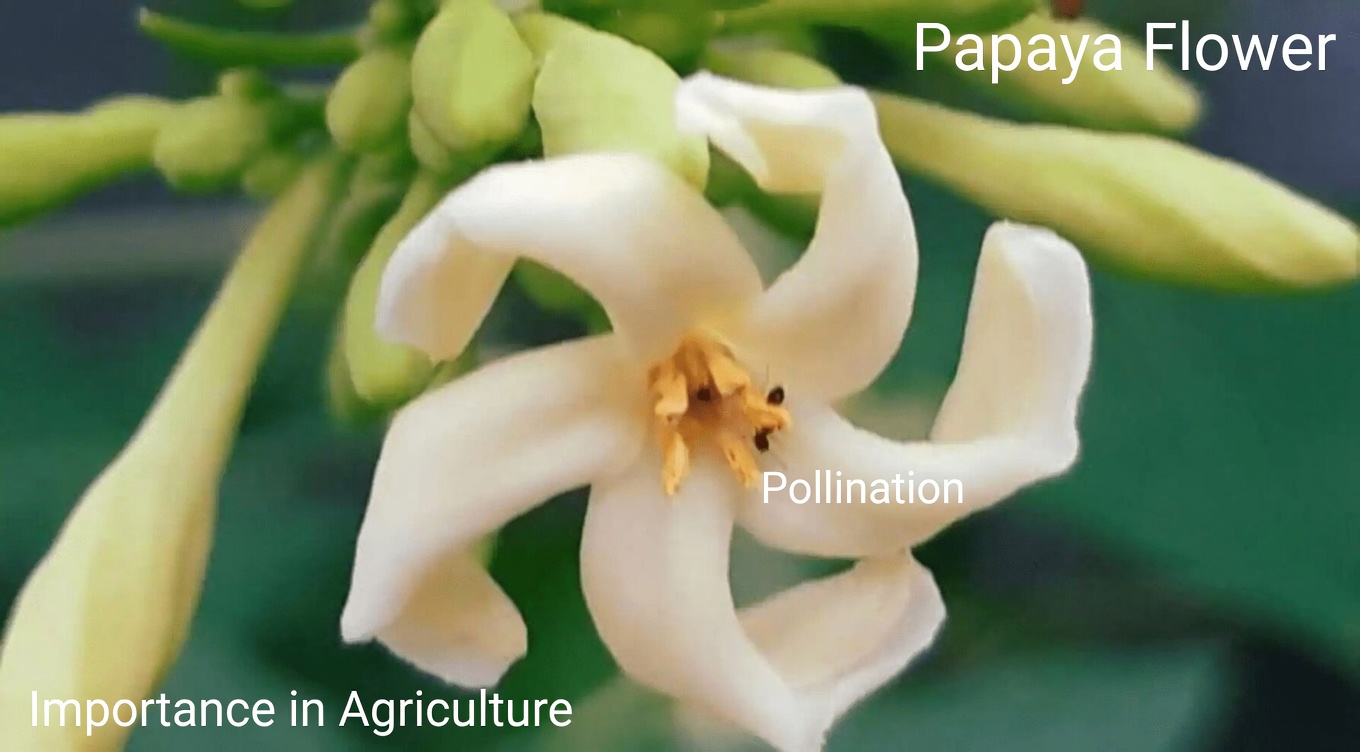
Papaya Flowers vs. Papaya Fruit: Key Differences at a Glance
Papaya fruit earns its reputation for broad nutrition and digestive support. The flowers, by contrast, appear to concentrate certain antioxidants and phytochemicals in a different way.
Here’s a simple comparison:
Papaya Fruit
- High in vitamin C, supporting normal immune function
- Contains papain, an enzyme associated with protein digestion
- Offers lycopene and dietary fiber for overall wellness
- Sweet flavor and easy to eat regularly
Papaya Flowers
- Often richer in flavonoids and phenolics (including quercetin and rutin) linked to antioxidant defense
- Some analyses suggest higher concentrations of specific bioactives
- Traditionally used to help soothe seasonal throat or respiratory discomfort
- Commonly taken as a tea/infusion for gentle daily use
Rather than choosing one over the other, many people see them as a complementary pairing: the fruit supports general nutrition, while the flowers may offer more targeted phytochemical support.
Potential Wellness Support Linked to Papaya Flowers
Research on Carica papaya (including studies involving the flowers) highlights several areas of interest tied to their natural compounds. These points describe supportive roles, not medical treatments.
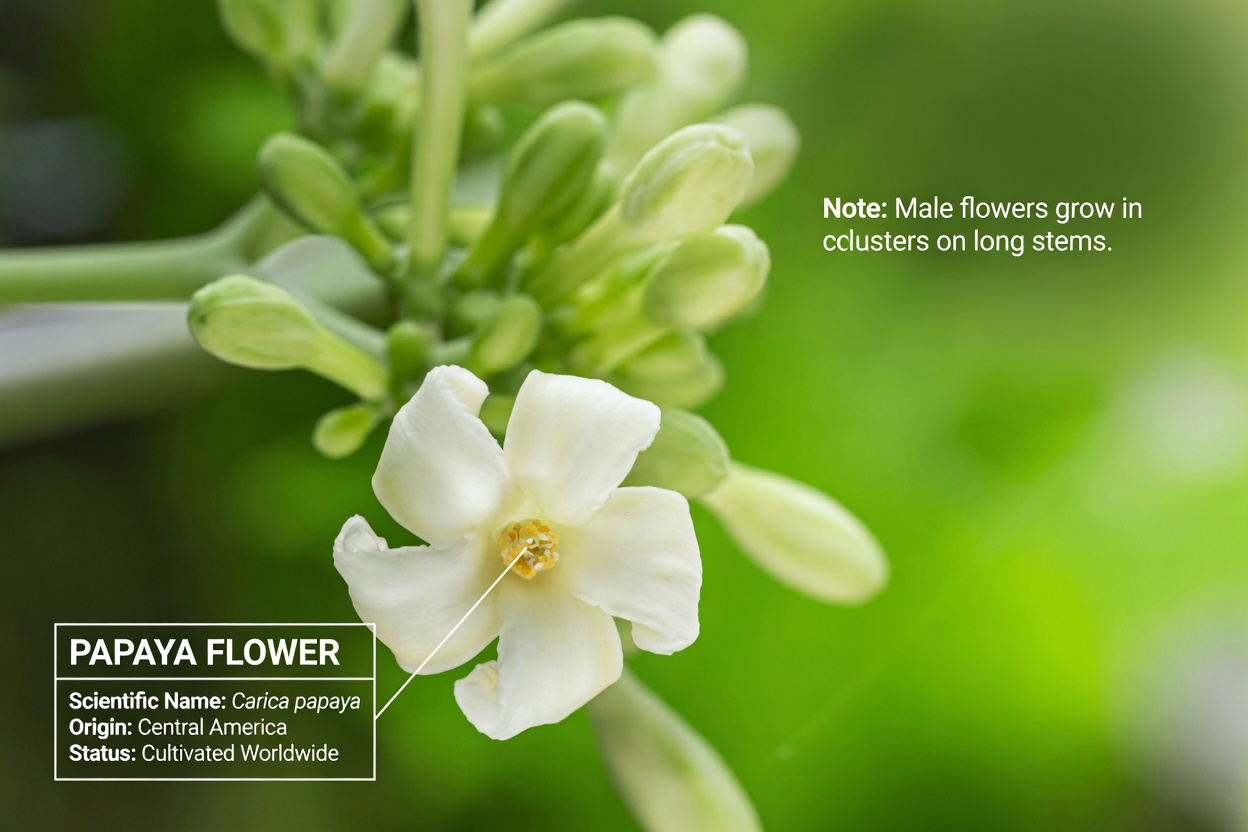
1. Antioxidant Support for Everyday Vitality
Oxidative stress can be influenced by pollution, aging, poor sleep, and lifestyle factors. Papaya flower extracts have demonstrated notable antioxidant activity in lab studies, often attributed to compounds like gallic acid and quercetin. This antioxidant potential may help support cellular health and overall vitality.
2. Support for Healthy Blood Sugar Balance
Unstable blood sugar can contribute to low energy and cravings. Traditional practices—and some early research on papaya extracts—suggest possible support for glucose control and insulin sensitivity. More human research is still needed, but this remains a commonly discussed area of interest.
3. Potential Support for Inflammatory Balance
Everyday wear-and-tear can trigger occasional inflammation and affect comfort. Papaya flower phytochemicals, particularly flavonoids, have shown potential to influence inflammatory pathways in experimental models—possibly supporting a more comfortable, balanced feel.
4. Traditional Use for Respiratory and Throat Comfort
In multiple cultural traditions, papaya flowers are steeped into teas to soothe minor throat irritation or seasonal cough discomfort. They are often combined with honey for a gentler experience and comforting ritual.
5. Other Emerging Areas Being Studied
Early findings and traditional interest also include:
- Immune-related support, linked to flavonoid activity
- Cholesterol and heart wellness support, partly through antioxidant protection against oxidation
- Hair and scalp interest, with one study noting antioxidant effects and 5α-reductase inhibition associated with growth-related mechanisms
Notable Compounds in Papaya Flowers (and Why They Matter)
Papaya flowers stand out because of how their natural constituents may work together.
Key compounds often discussed include:
- Quercetin and rutin — flavonoids associated with antioxidant and anti-inflammatory potential
- Gallic acid — known for supporting free-radical neutralization
- Kaempferol — a plant compound widely studied for wellness-related activity in various models
- Beta-carotene — a precursor to vitamin A, important for overall health
These compounds may contribute to benefits through a synergistic effect rather than a single “magic” ingredient.
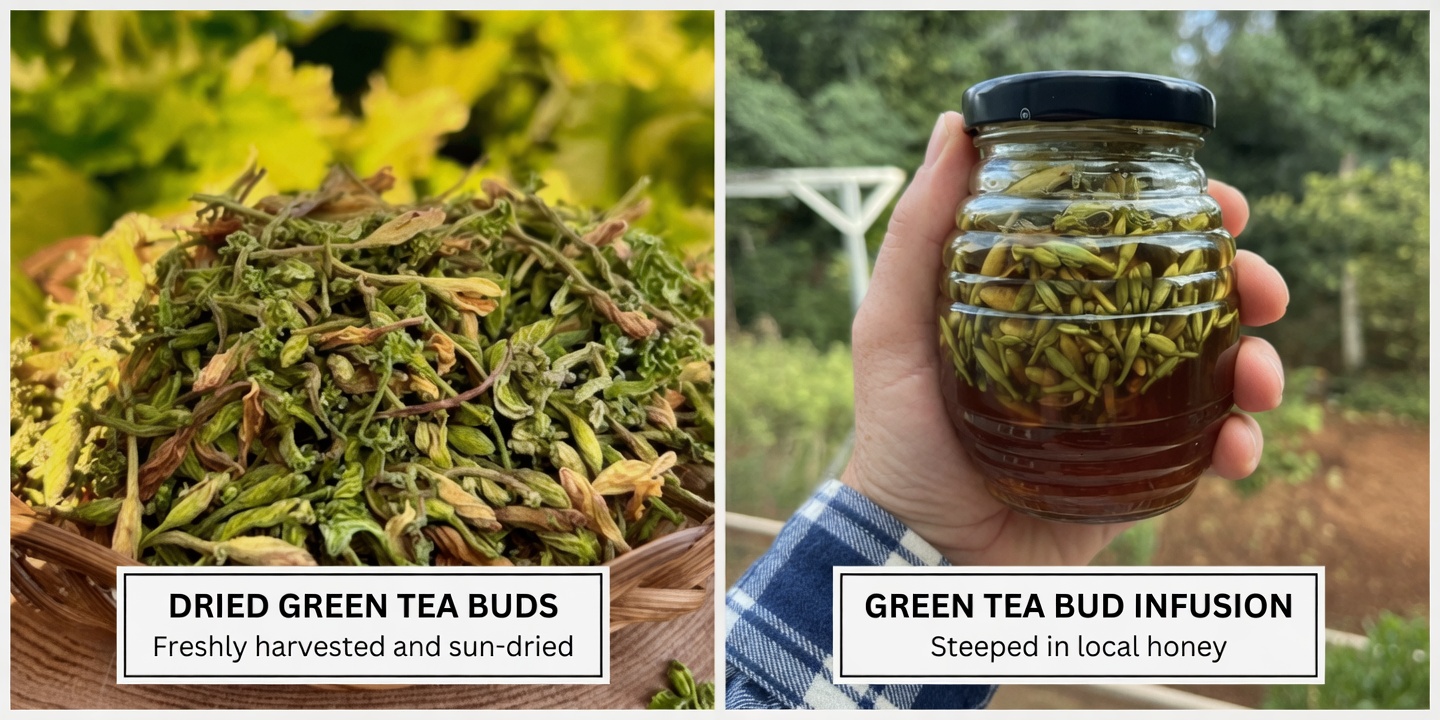
How to Use Papaya Flowers Safely (Simple, Practical Tips)
If you want to explore papaya flowers, a cautious and consistent approach is best. Whenever possible, choose organic, pesticide-free flowers from a reliable source.
Simple Papaya Flower Tea (Infusion)
- Use 1–2 teaspoons of dried papaya flowers (or fresh flowers that are thoroughly washed).
- Bring 1 cup of water to a boil, then remove from heat.
- Add the flowers and cover the cup/pot.
- Steep for 5–10 minutes.
- Strain, then add honey or lemon if the taste is too bitter.
- Drink one cup daily, morning or evening.
- Pay attention to how you feel over a few weeks—subtle support often depends on consistency.
- Speak with a healthcare professional first if you have medical conditions (especially diabetes) or take regular medication.
Tip: For a balanced approach, pair the tea with fresh papaya fruit—many people enjoy papaya slices alongside their infusion.
Conclusion: Why Consider Papaya Flowers?
Papaya flowers may be one of the plant’s most overlooked parts, offering a concentrated mix of antioxidants and traditional soothing uses. While papaya fruit remains a nutritious staple, the flowers may provide additional support—particularly in areas related to antioxidant defense, inflammatory balance, and seasonal respiratory comfort.
Used mindfully, papaya flower tea can be a simple routine that fits into modern life and supports a sense of daily wellness.
FAQ
Are papaya flowers safe for everyone?
They are often well-tolerated in moderation, but it’s smart to start with a small amount. Allergic reactions are possible, and interactions with certain medications may occur. When in doubt, consult a clinician.
What do papaya flowers taste like?
They can taste bitter and slightly astringent, especially raw. As a tea, the flavor becomes milder, and honey can make it more enjoyable.
Should I use papaya flowers instead of papaya fruit?
There’s no need to replace the fruit. Papaya fruit and papaya flowers can complement each other—fruit offers easy nutrition, while flowers provide additional phytochemicals.
Disclaimer: This article is for informational purposes only and does not provide medical advice. Papaya flowers may support general wellness but are not a substitute for professional care. Consult a qualified healthcare provider before adding new herbal practices—especially if you are pregnant, nursing, taking medication, or managing a health condition. Results vary by individual, and research is ongoing.