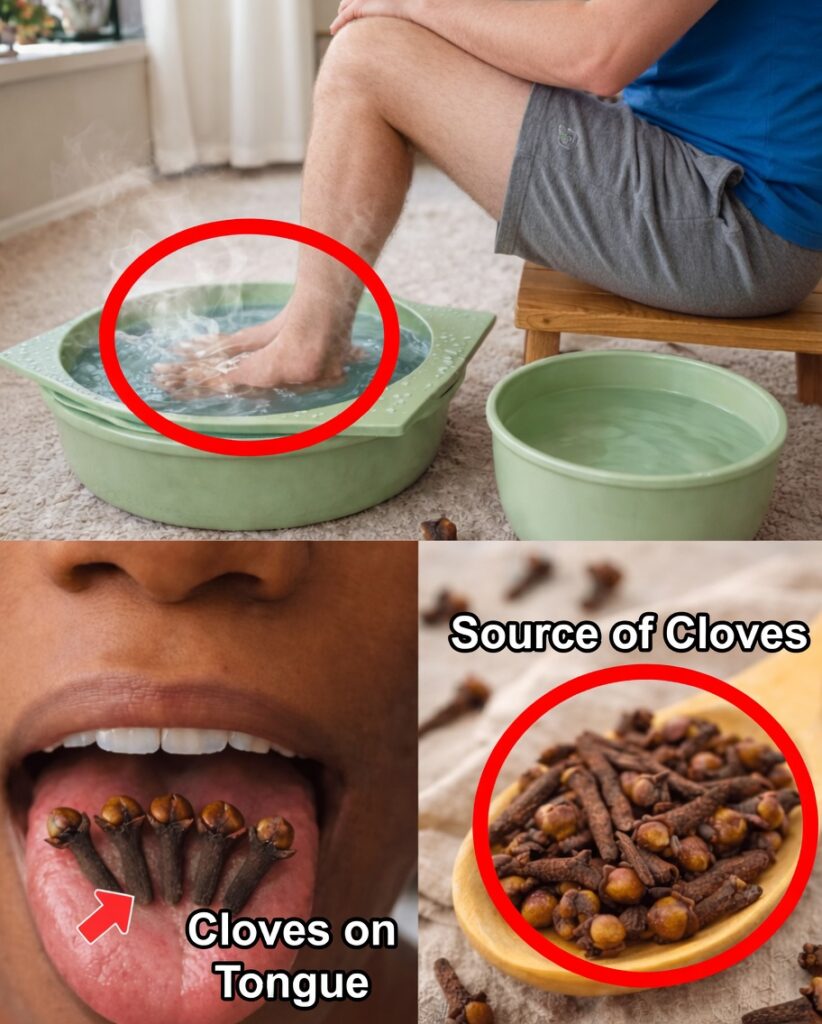
Many women deal with occasional intimate discomfort—itchiness, mild irritation, or unwanted odor—especially after age 30, when hormonal changes and shifting routines can influence vaginal comfort. These concerns can affect confidence and lead to a cycle of trying product after product with only short-term results. Alongside modern hygiene options, many cultures have long relied on gentle, low-cost rituals to support everyday freshness. One of the most widely shared practices is a warm sitz bath made with clove-infused water. In this guide, you’ll learn why this traditional approach remains popular, what science suggests about cloves, and a simple evening-friendly routine you can follow consistently.
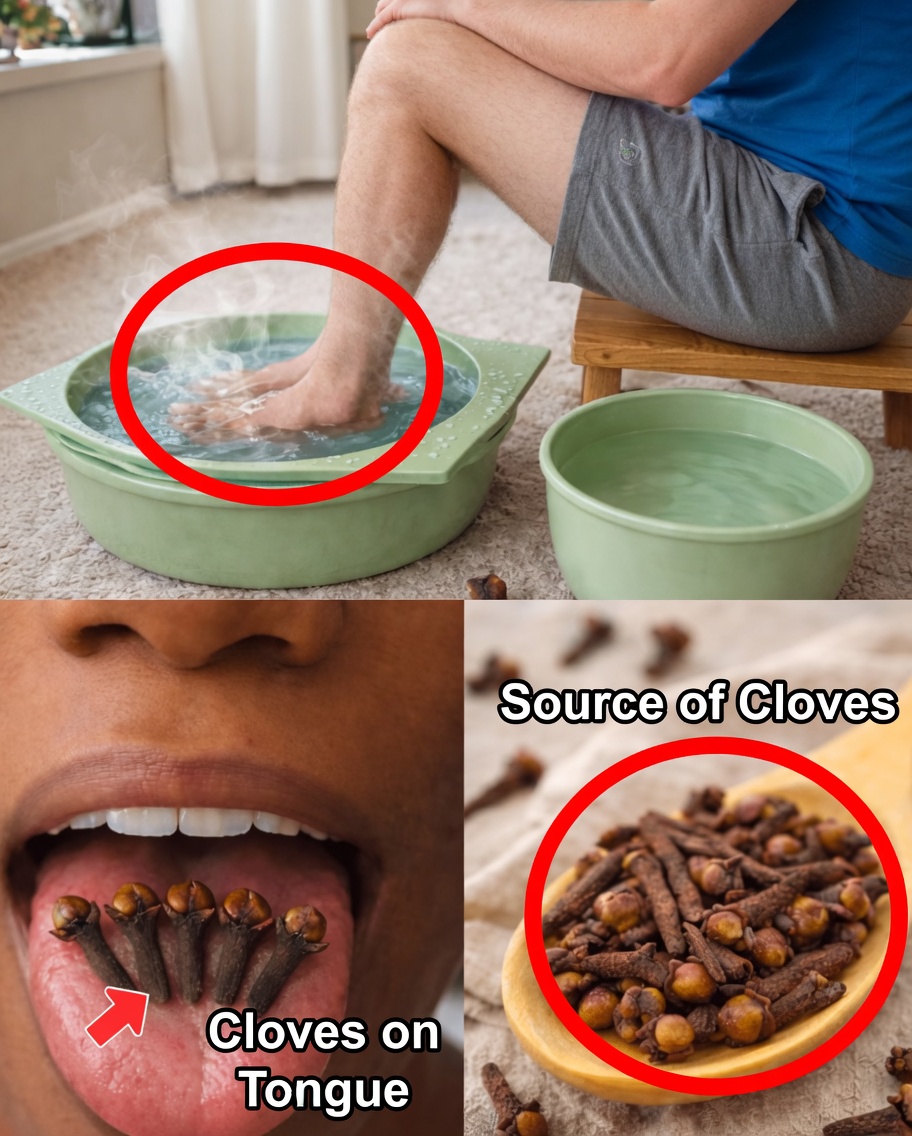
Common Intimate Health Challenges Women Experience
Across different stages of life—after childbirth, during monthly cycles, or simply from daily activity—the vaginal and perineal area can feel “off.” Common contributors include:
- Natural pH shifts
- Sweat and friction from tight clothing or workouts
- Mild external irritation
- Temporary odor changes linked to lifestyle or cycle timing
Many women try scented wipes, intimate washes, or supplements, but the relief can be brief. Traditional herbal practices, including clove water sitz baths, are often used as a gentler alternative because they avoid harsh ingredients and focus on external comfort and freshness.
Why Cloves? What Research Suggests About This Spice
Cloves (Syzygium aromaticum) are known for containing eugenol, a compound widely studied for its antimicrobial and soothing characteristics. Research in microbiology and ethnopharmacology literature has shown that eugenol and clove extracts can inhibit certain bacteria and fungi in lab settings—organisms sometimes linked with imbalance, such as Candida albicans and other opportunistic microbes.
Importantly, some laboratory findings suggest clove-derived compounds may be less disruptive to beneficial bacteria (such as Lactobacillus) compared with broader, harsher antimicrobial approaches—though real-world outcomes vary and depend on how the remedy is used.
Warm water also plays a role: sitz baths have long been used in postpartum care because heat can encourage relaxation and improve local circulation, which may ease minor discomfort.
Key supportive takeaways often cited:
- Microbial support (in vitro evidence): eugenol shows inhibitory activity against some unwanted microbes
- Soothing potential: clove compounds have anti-inflammatory properties in research contexts
- Freshness and odor support: cloves have natural aromatic and deodorizing qualities that may help with a “cleaner” feel

Potential Benefits of a Clove Water Sitz Bath
Women who use clove water sitz baths regularly often describe benefits such as:
- Gentle external cleansing: a mild warm rinse that supports everyday freshness
- Postpartum comfort support: warmth plus herbal infusion may soothe perineal tenderness (a common traditional use)
- Odor management: helps reduce minor lingering smells and supports confidence
- Relief from mild itching or irritation: some report quicker calming during sensitive periods
- Pelvic relaxation: warmth may help ease tension and occasional menstrual discomfort
- Budget-friendly self-care: uses simple pantry ingredients for very little cost
Consistency is often what makes the difference—many people report better results when the practice becomes a steady routine rather than a one-time fix.
Clove Water Sitz Bath vs. Common Alternatives
Here’s how this ritual is commonly compared with other options:
- Scented wipes: convenient, but effects are often short-lived (sometimes only a few hours) and fragrances may affect pH for some individuals
- Boric acid suppositories: longer-lasting for certain issues, but can be irritating or unsuitable for some users
- Tea tree products: very strong and may be too harsh for sensitive skin
- Clove water sitz bath: typically described as gradual and gentle; many users report longer-lasting comfort and freshness with consistent use at a very low cost
This is why clove sitz baths are appealing to those looking for minimal, external-only support.
A Simple 30-Day Clove Sitz Bath Protocol
If you want to try this approach, follow this straightforward plan.
What you’ll need
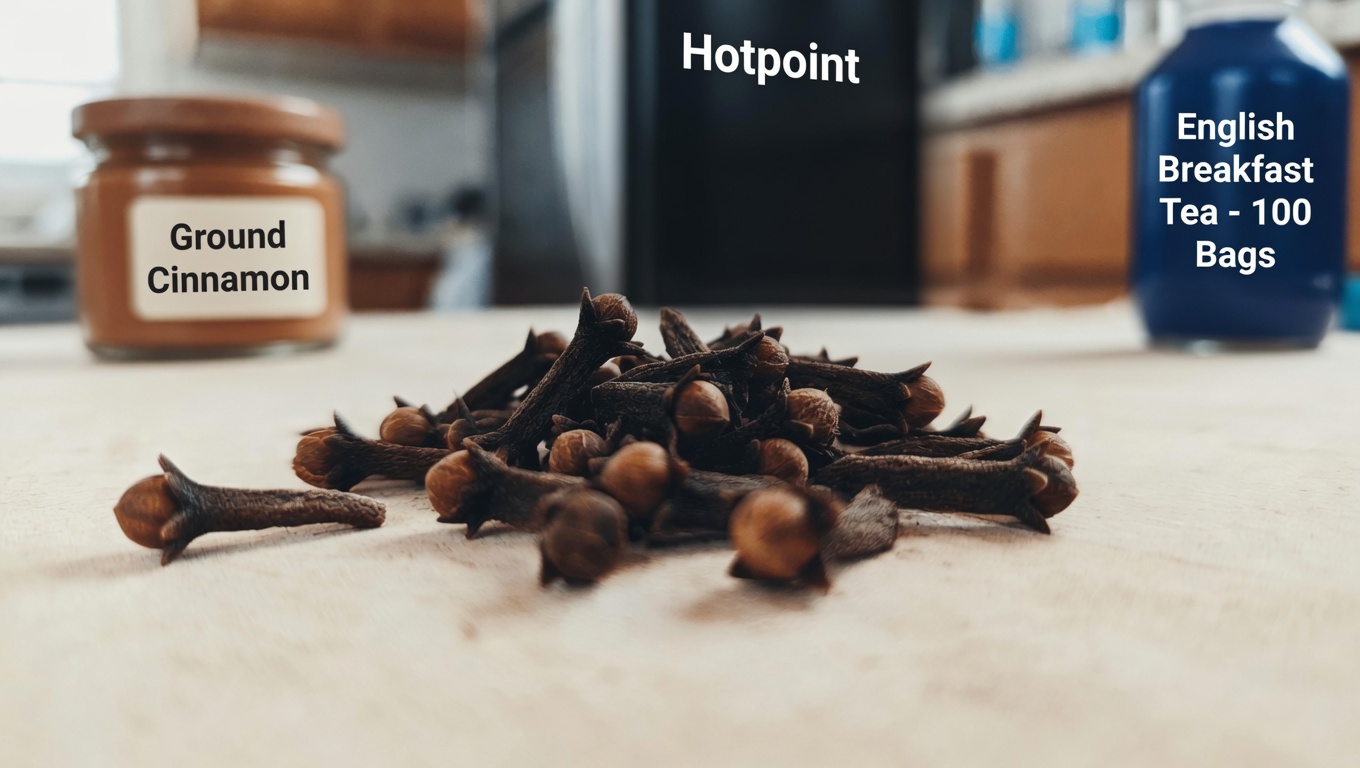
- 15–25 whole cloves
- 2 quarts (about 2 liters) of water
- A shallow tub or sitz bath basin
How to prepare the clove infusion
- Boil the water.
- Add the cloves, then turn off the heat.
- Steep for 10–15 minutes.
- Strain if you prefer a clear infusion.
- Let it cool to a comfortably warm temperature: 100–104°F (37–40°C).
How to soak
- Pour the warm infusion into the basin/tub.
- Sit and soak for 12–15 minutes, ensuring the water covers the perineal area.
- Afterward, pat dry gently (avoid rubbing).
Frequency plan (30 days)
- Week 1: every other day (monitor how your body responds)
- Week 2: 3 times per week (many notice improved comfort and freshness)
- Week 3: 2–3 times per week (maintenance plus confidence support)
- Week 4 and beyond: 1–2 times weekly or as needed
Optional comfort tips
- If you feel cramping and tolerate it well, add 1 tablespoon of Epsom salt.
- If your skin feels sensitive, dilute with more water or rinse with plain water afterward.
- Stop if burning, worsening irritation, or discomfort occurs.
Advanced Tips to Improve Results
For those who want to refine the routine:
- Reuse cloves 2–3 times by refrigerating the infusion between uses (discard if it smells off or looks cloudy)
- Use on lighter flow days if you find warmth calming
- Pair with breathable cotton underwear and good hydration
- Track results in a simple note: odor, comfort, and how you feel by evening
Frequently Asked Questions
How often can I do a clove sitz bath?
A common starting point is 2–3 times per week. Some people tolerate short periods of daily use, but it’s best to adjust based on comfort and stop if irritation appears.
Is it safe during pregnancy or postpartum?
Warm sitz baths are often used postpartum, but always consult your healthcare provider first, especially if you are pregnant, have stitches, or have any symptoms that concern you.
What if I have sensitive skin?
Use fewer cloves, increase the water, and consider a plain-water rinse afterward. Discontinue immediately if irritation occurs.
Disclaimer
This article is for informational purposes only and does not constitute medical advice. It is not intended to diagnose, treat, cure, or prevent any condition. Consult a qualified healthcare provider before starting new routines, especially if you are pregnant, postpartum, or managing any medical concerns. Individual results vary, and professional guidance is essential.