
Why Your Evening Drinks Might Be Keeping You Awake
Many adults spend the night tossing and turning—or wake up feeling foggy even after plenty of time in bed. When sleep quality drops, daytime energy, mood, concentration, and time with family can suffer. One often-overlooked factor is what you drink in the hours leading up to bedtime. Certain beverages can quietly make it harder to fall asleep and stay asleep.

What if cutting back on just four common drinks could help you drift off faster and wake up feeling more refreshed? Below, you’ll find the top drinks to avoid before bed that sleep experts frequently mention, plus easy, gentle alternatives you can adopt right away.
Soda: A Common Drink to Avoid Before Bed
If you notice evening restlessness, a jittery feeling, or repeated bathroom trips, soda may be part of the problem. Many sodas combine sugar, caffeine, and carbonation—a trio that can keep your body more stimulated than you expect.
Carbonation may contribute to bloating or discomfort, while sugar can cause energy fluctuations that interfere with winding down. Many people find their evenings feel calmer after replacing late-day soda with simpler options.

Better alternative
- Sparkling water with lemon or lime (for the fizz without the sugar/caffeine)
- Still water if you want something neutral and hydrating
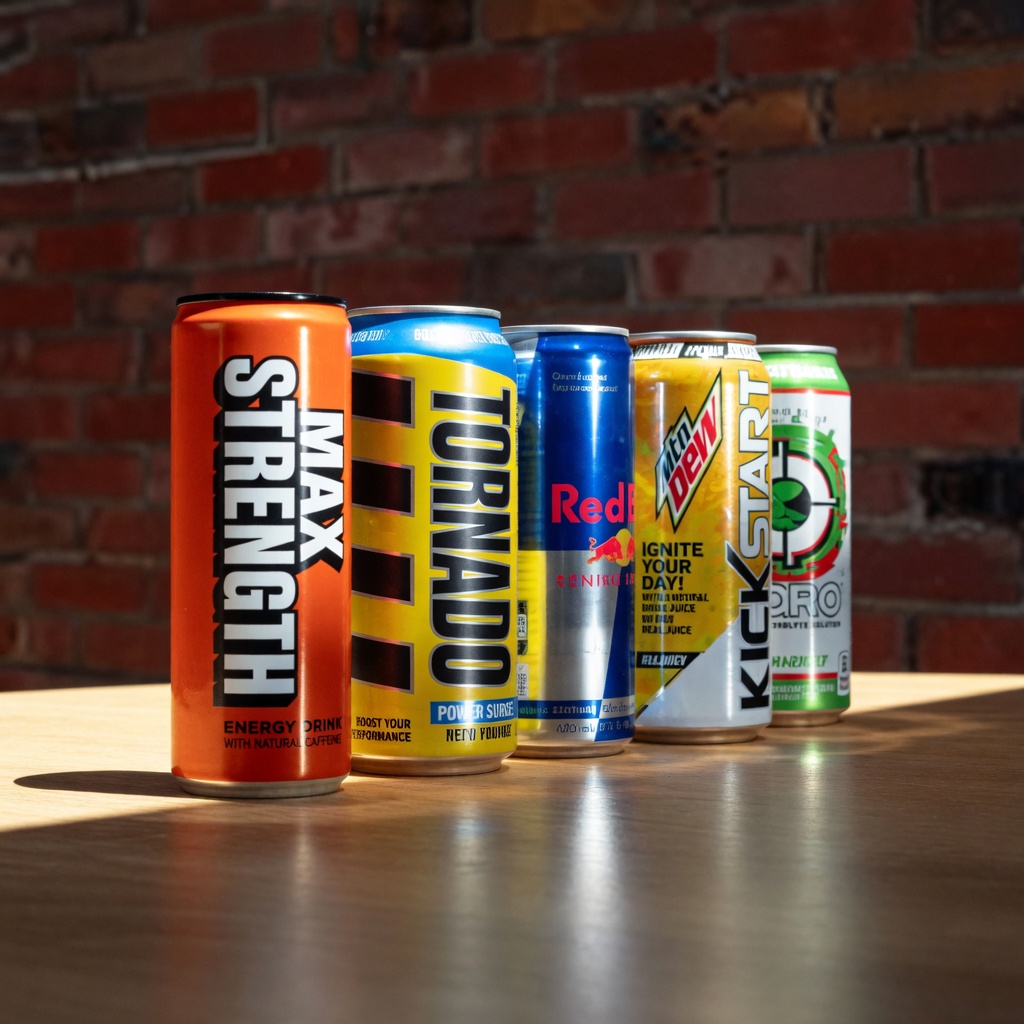
Energy Drinks: High-Stimulant Drinks to Avoid Before Bed
Needing a late boost can backfire when it comes to sleep. Energy drinks often contain high levels of caffeine and other stimulants, which can keep your nervous system activated deep into the night.
Sleep-focused organizations regularly caution that these drinks may delay the body’s natural “power-down” process, making it harder to relax and fall asleep.
Better alternative
- Herbal tea (caffeine-free blends like chamomile or peppermint)
- Warm milk for a soothing, bedtime-friendly option
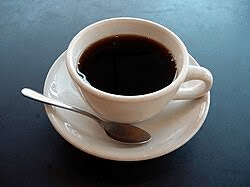
Coffee: A Classic Drink to Avoid Before Bed
That afternoon coffee can feel routine, but caffeine can stay in your system for hours. Even if you don’t feel “wired,” it may still interfere with relaxation and reduce the quality of deeper sleep.
Sleep experts often point out that caffeine can affect restorative sleep stages, leaving you less refreshed in the morning. Many people report noticeable improvement when they stop coffee after lunchtime.
Better alternative
- Decaf coffee (still comforting, much less caffeine)
- Rooibos tea or chamomile (naturally caffeine-free)
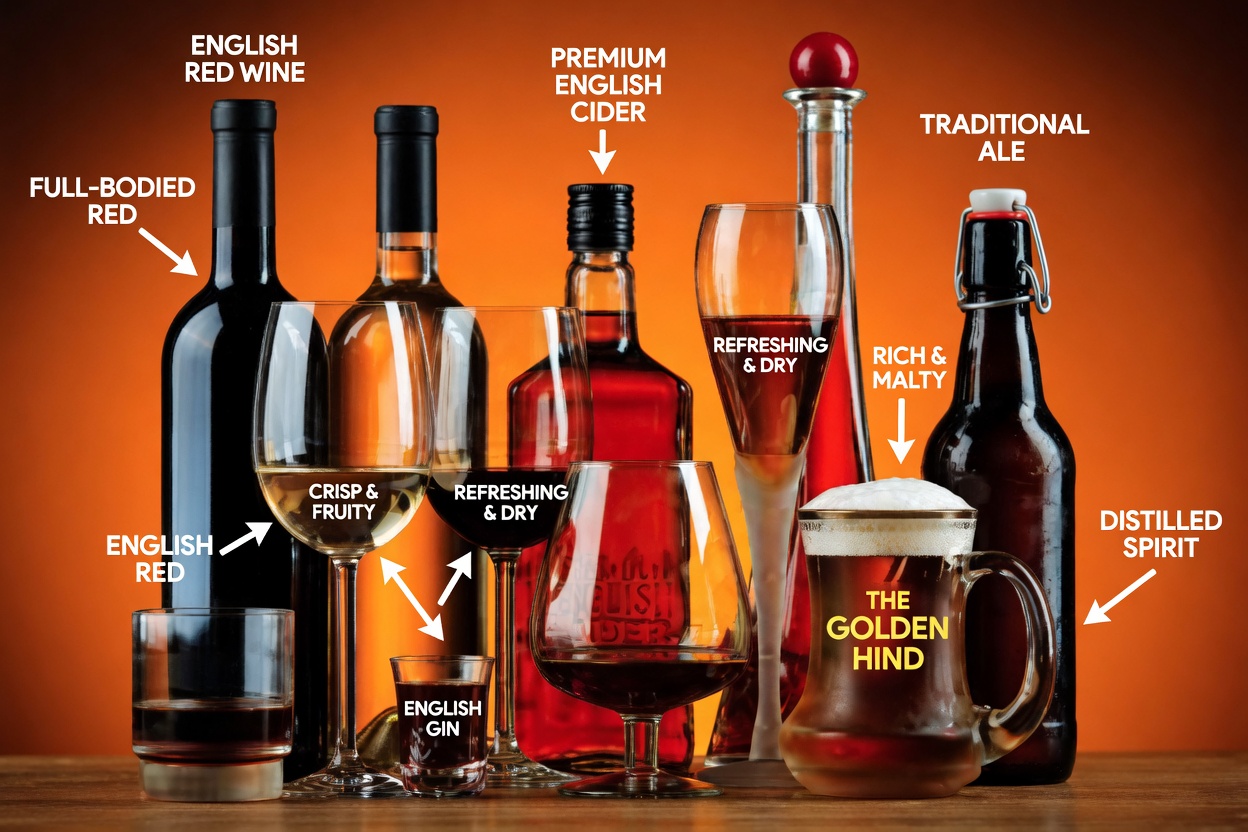
Alcohol: The Surprisingly Disruptive Drink to Avoid Before Bed
A glass of wine may feel like a way to unwind, but alcohol is commonly linked to fragmented sleep. While it can make you feel sleepy at first, it often reduces sleep quality later in the night—leading to lighter sleep and more awakenings.
Research frequently associates alcohol with reduced time in more restorative sleep stages. People who limit evening alcohol often describe feeling clearer and more energized the next day.
Better alternative
- Drink earlier in the evening if you choose to have it
- Non-alcoholic mocktails with fruit, herbs, and sparkling water
The Water Factor: When Even Water Can Affect Sleep
Water is healthy, but timing matters. If you drink a large amount right before bed, you may wake up multiple times to use the bathroom. For people prone to nighttime urination, excessive late-night fluids can be a practical reason water sometimes gets mentioned alongside drinks to avoid before bed.
A common sleep-friendly approach is to drink most fluids earlier and taper off 1–2 hours before bedtime, unless you have medical reasons to hydrate differently.

Drinks to Avoid Before Bed vs. Better Evening Options
-
Soda
- Why limit it: sugar + caffeine + carbonation stimulation
- Better choice: herbal tea
- Potential benefit: calmer evenings
-
Energy drinks
- Why limit it: heavy stimulants
- Better choice: warm milk
- Potential benefit: easier wind-down
-
Coffee
- Why limit it: caffeine lingers for hours
- Better choice: decaf or chamomile
- Potential benefit: improved deep sleep
-
Alcohol
- Why limit it: disrupts sleep cycles later in the night
- Better choice: non-alcoholic mocktail
- Potential benefit: more restorative rest
Choosing alternatives is typically simple, affordable, and easy to fit into most routines.
A Simple 7-Day Plan to Cut Back on Drinks to Avoid Before Bed
-
Days 1–2
- Replace evening soda or energy drinks with water earlier in the day, then herbal tea at night.
- Pay attention to how quickly you relax after getting into bed.
-
Days 3–4
- Stop coffee after 2 p.m.
- Track how you feel in the morning (energy, mood, focus).
-
Days 5–7
- If you drink alcohol, move it earlier in the evening—or skip it.
- Pair this with a consistent bedtime to reinforce your sleep rhythm.
Many people who stick to steps like these report feeling more rested within a week.
Final Thoughts on Drinks to Avoid Before Bed
Your nightly beverage choices can have a bigger impact than you think. Start small: pick one or two drinks to avoid before bed, replace them with a gentler option, and build from there.
If someone you know often complains about poor sleep, sharing these ideas could help them too.
FAQ
-
What are the main drinks to avoid before bed?
Soda, energy drinks, coffee, and alcohol are commonly recommended to limit in the evening to support better sleep. -
Why do experts recommend limiting drinks to avoid before bed?
These drinks can increase alertness, disrupt blood sugar stability, trigger digestive discomfort, or increase nighttime bathroom trips—all of which can fragment sleep. -
Can I drink anything close to bedtime?
Yes. Caffeine-free herbal teas, warm milk, or small sips of water are generally considered gentle options that may support relaxation.
Medical Disclaimer
This article is for informational purposes only and does not replace professional medical advice. Speak with a qualified healthcare provider before changing your diet or routine—especially if you have conditions such as sleep disorders, kidney problems, or diabetes.