
Dealing with thinning edges or hair that seems to grow at a crawl can be discouraging—especially when postpartum shedding, tight protective styles, or day-to-day stress make your hairline look lighter and your part appear wider. That constant mental check (“Is it getting worse?”) can chip away at confidence, whether you’re wearing a ponytail, an updo, or simply going out with your natural texture.
One approachable option many people add to their routine is rosemary, a fragrant herb often found in the kitchen. When used correctly and consistently, rosemary is commonly chosen to support scalp circulation and overall follicle strength, which may translate into hair that feels denser over time. Stay to the end for a simple daily rosemary ritual that ties everything together and is easy to start tonight.

Why Hair Thinning Feels So Personal—and How Rosemary Fits In
Hair thinning is rarely “just cosmetic.” Hormonal changes, traction from tight styling, and chronic stress can make hair loss feel relentless. After investing in expensive serums with minimal results, it’s understandable to look for something simpler and more budget-friendly.
Rosemary has gained attention because it contains natural compounds—such as carnosic acid—that researchers have explored for their potential role in supporting scalp and follicle health. Notably, a 2015 randomized comparative study reported that rosemary oil performed similarly to 2% minoxidil in improving hair count after six months, with less reported scalp itching. While results vary by individual, that finding helps explain why rosemary remains a popular, low-cost addition to hair routines.
If your growth stalled after braids, extensions, or repeated tension at the edges, rosemary can feel like a practical step toward hair that looks and feels thicker—without overcomplicating your regimen.
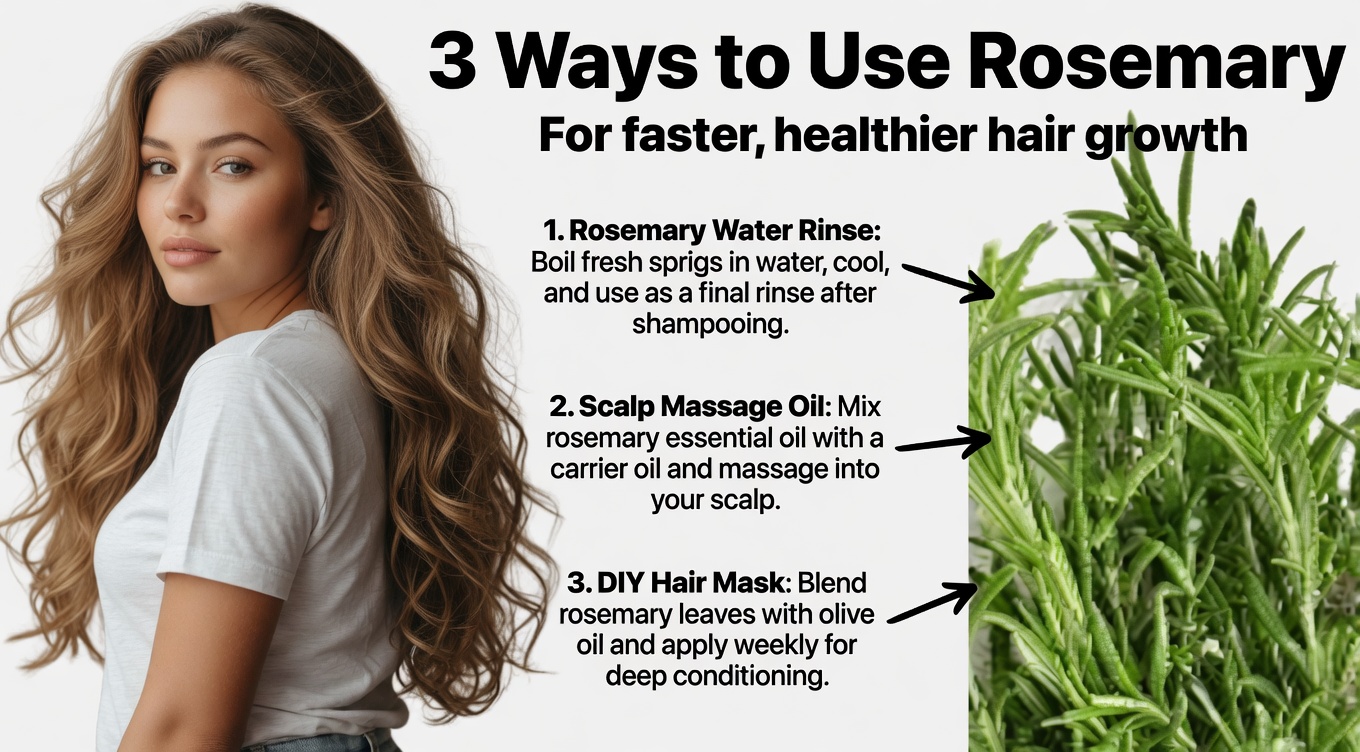
Method 3: Rosemary-Infused Oil (Deep Treatment for Thinning Areas)
If your edges have started to recede or look sparse from protective styles, a rosemary-infused oil can work as a focused, deep-conditioning treatment. Many people who commit to regular scalp massage with rosemary oil describe seeing fine “baby hairs” along the hairline over time—especially when the routine is consistent.
Beyond the massage benefits, rosemary provides antioxidants that may help protect follicles from everyday oxidative stress, while a carrier oil (like olive or jojoba) helps deliver moisture and slip where your hair feels most fragile.
Rosemary-Infused Oil: Simple Recipe
Ingredients
- 1 cup fresh or dried rosemary leaves
- 1–1.5 cups extra-virgin olive oil (or a mix of olive and jojoba)
Directions
- Blend rosemary with the oil until the mixture turns a vivid green.
- Infuse using one of these options:
- Gentle heat: Warm in a double boiler for 5–10 minutes (avoid overheating).
- Solar infusion: Place in a sealed jar and let it sit 2–4 weeks, shaking occasionally.
- Strain into a dark glass bottle and store in a cool place.
How to Use
- Warm 1 teaspoon in your hands.
- Massage into the scalp, focusing on thin spots and edges for 5–10 minutes.
- Leave on 1–2 hours or overnight, then shampoo out.
- Use 2–4 times per week.
This can turn hair care into calming, structured self-care—especially when shedding feels emotionally heavy.
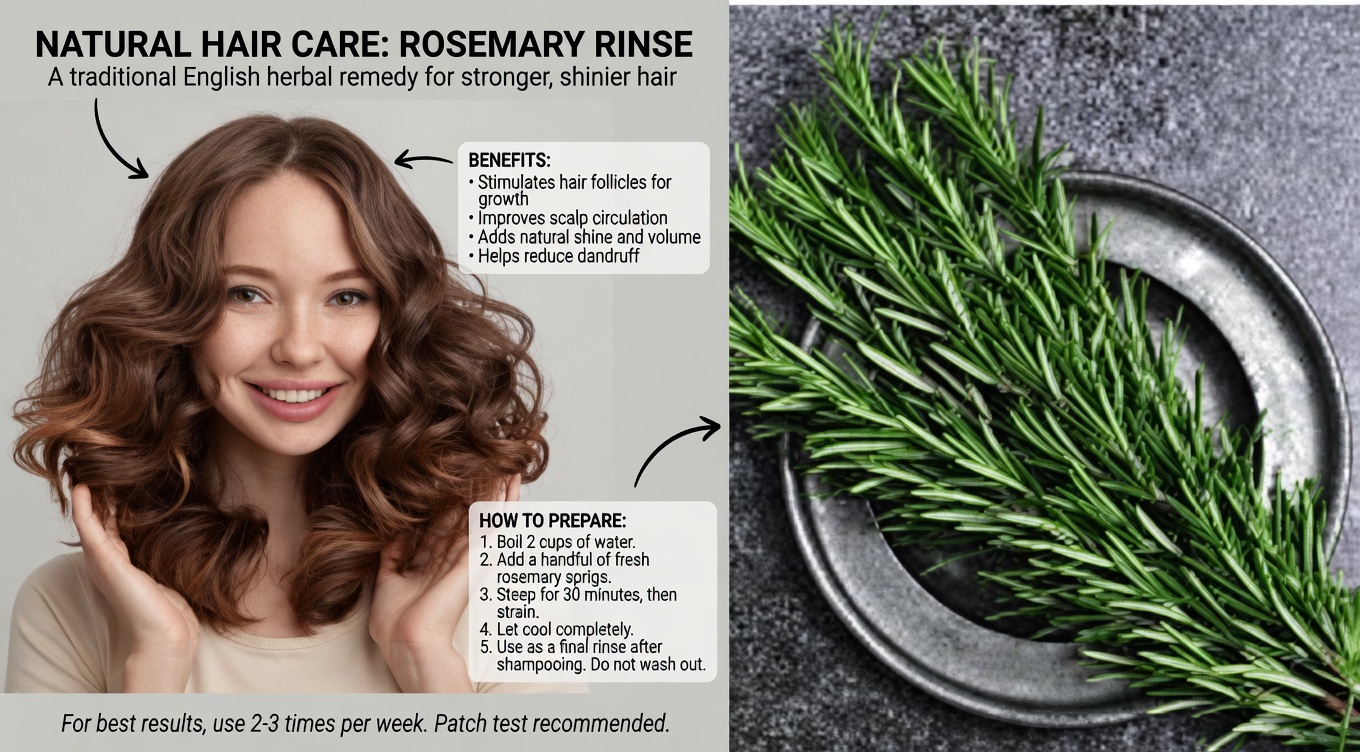
Method 2: Rosemary + Fenugreek Water Spray (Lightweight Daily Support)
If you want something you can use every morning without greasiness, a rosemary-fenugreek spray is an easy daily option. Fenugreek seeds are often used in DIY hair care because they contain proteins and soothing plant compounds, and many users like how they pair with rosemary in routines aimed at improving the look of new growth along parts and hairlines.
For those dealing with postpartum thinning months after delivery, this spray can feel like a refreshing, grounding habit that supports the scalp while keeping your hair light and touchable.
Rosemary-Fenugreek Spray: Recipe
Ingredients
- 2–3 tablespoons fenugreek seeds
- A handful of fresh rosemary sprigs
- 3–4 cups water
- Optional: a splash of aloe vera juice (for extra soothing)
Directions
- Boil fenugreek and rosemary in water for 10 minutes.
- Turn off heat and let the mixture steep overnight.
- Strain into a clean spray bottle.
- Add aloe vera juice if desired.
How to Use
- Spray generously onto a damp scalp and hair once daily.
- Massage gently for about 5 minutes.
- Follow with your usual leave-in conditioner or styling routine.
The herbal scent can make the process feel enjoyable—even on busy mornings when slow growth feels especially frustrating.

Method 1: The Targeted Rosemary Scalp Massage Ritual (Your Daily “Stack”)
If your goal is overall density—not just one thin area—this combined ritual brings the methods together for consistent scalp stimulation. People who stick with daily massage often report seeing short, soft regrowth (“fuzz”) along the hairline within a couple of weeks, though timing varies.
This approach can be especially helpful if repeated tight ponytails or traction styles have left your edges looking permanently thin, since the routine emphasizes gentle, upward massage and regular scalp attention.
The Daily Routine
-
Morning
- Spray the rosemary-fenugreek water onto the scalp.
- Massage for 5 minutes.
- Style as usual.
-
Evening
- Warm a small amount of rosemary-infused oil.
- Massage for 10 minutes, focusing on edges and thinner areas.
- Leave on overnight or wash out 2–3 times weekly.
-
Weekly Extra (Optional)
- Blend soaked rosemary and fenugreek into a paste-like mask.
- Apply to the scalp for 30 minutes, then rinse and cleanse gently.
Over time, the ritual can shift your mindset from worrying about hair loss to tracking progress you can actually see.
Quick Comparison: Which Rosemary Method Should You Choose?
| Method | Best For | Frequency | Main Rosemary Benefit |
|---|---|---|---|
| Rosemary-Infused Oil | Thinning edges, targeted deep care | 2–4× weekly | Intensive nourishment + circulation support |
| Rosemary-Fenugreek Spray | Daily shedding, lightweight refresh | Daily | Non-greasy nutrient support without buildup |
| Full Scalp Massage Ritual | Overall density and consistency | Morning + evening | Combines methods for steady stimulation |
A Simple 30-Day Rosemary Timeline
-
Week 1
- Prepare your oil and spray.
- Do a patch test.
- Start gentle nightly massage.
-
Weeks 2–4
- Follow the full ritual consistently.
- Take weekly progress photos in the same lighting to notice subtle changes.
-
Weeks 5–8
- Stay consistent and adjust based on your scalp (reduce frequency if irritation occurs).
- Many people report hair that feels softer and thicker with steady care.
Tracking your routine helps transform thinning-related frustration into a plan you can maintain.
Frequently Asked Questions About Rosemary for Hair
How often should I use rosemary for the best results?
Many people use rosemary 3–7 times per week, depending on the method. A common approach is a daily spray plus 2–3 oil massages weekly.
Can rosemary replace my regular hair products?
Rosemary works best as a supportive add-on alongside gentle shampoos, conditioners, and protective styling—not necessarily as a complete replacement.
Is rosemary safe for all hair types and hair colors?
Generally yes, as long as it’s properly diluted and you patch test first. If you have a sensitive scalp, start with shorter leave-on times and lower frequency.
Final Takeaway
Rosemary tends to work best when it’s used gently and consistently to support scalp health over time. If you want hair that looks fuller and feels stronger, start small tonight: brew the spray or warm a teaspoon of infused oil. With a steady routine, this simple herb can become an easy, reliable part of your hair care week.