
How to Feel More Comfortable at a Gynecologist Appointment: What to Avoid
It’s common to feel anxious before visiting a gynecologist—especially if you’re worried about embarrassment, unexpected discomfort, or not knowing what will happen during the exam. Those nerves can make a routine check-up feel far more stressful than it should be.
The good news: a few small adjustments can make your gynecologist appointment calmer, more comfortable, and more productive. Knowing what to avoid helps you walk in feeling prepared and focused on your health.

Why Preparation Matters Before Visiting a Gynecologist
That pre-appointment tension is normal. Many people feel vulnerable during pelvic exams or worry they’ll forget important questions once they’re in the room. When you’re stressed, it’s harder to relax, communicate clearly, and get the most out of the visit.
Practical preparation can also improve test accuracy—especially for screenings like a Pap test—so your appointment is smoother and less likely to require repeat testing.

5 Things to Avoid Before Visiting a Gynecologist (For Comfort and Accurate Results)
1) Avoid douching and scented vaginal products
Trying to feel “extra clean” right before your visit can backfire. Douching, fragranced sprays, and scented washes may irritate sensitive tissue or disrupt the natural vaginal balance. They can also interfere with what your clinician needs to observe.
What to do instead: A gentle rinse with plain warm water is typically enough.
Best timing: Avoid for 24–48 hours before your gynecologist appointment.
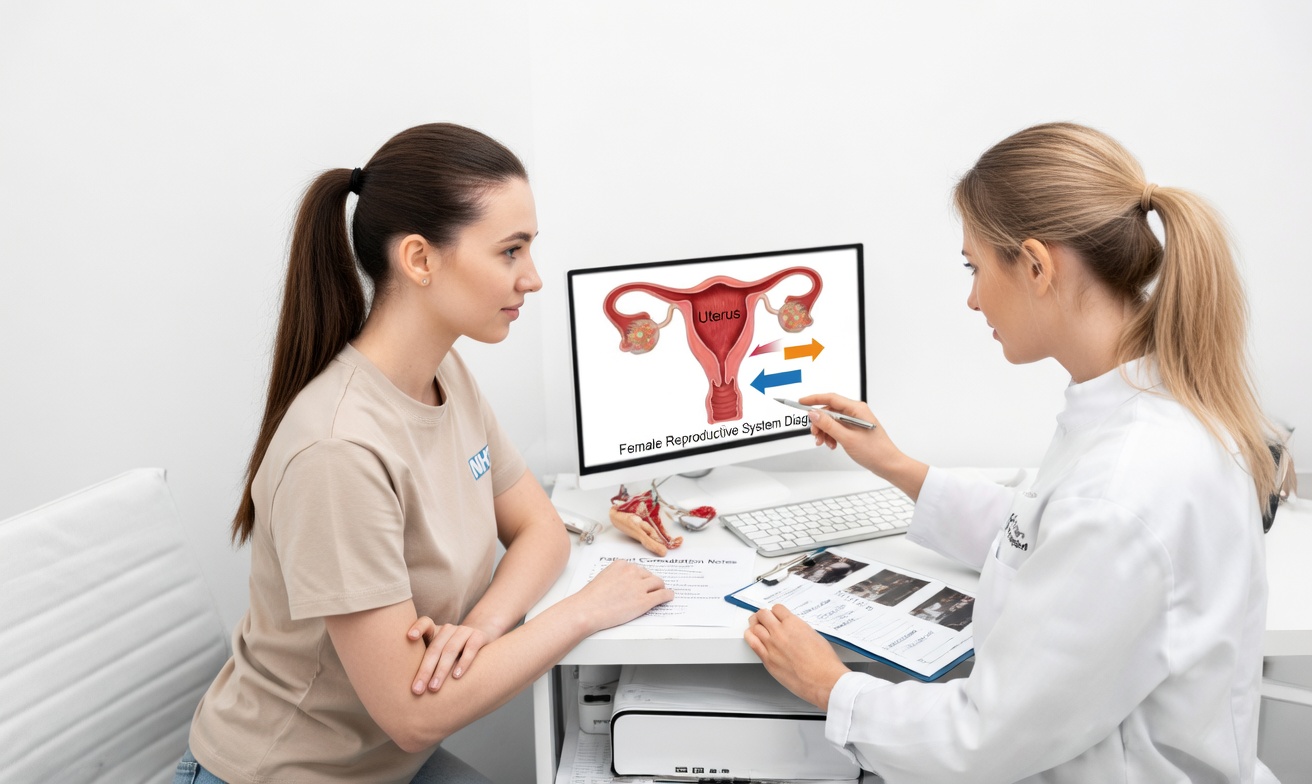
2) Avoid sexual activity 24–48 hours beforehand
Sex close to your appointment can cause temporary tenderness and may leave residue (from semen, lubricants, or spermicides) that affects exam clarity or test results.
Consider avoiding:
- Intercourse
- Lubricants
- Spermicides
Best timing: Avoid for 24–48 hours before the visit.
3) Avoid tampons, vaginal creams, and inserts (suppositories)
Tampons, medicated creams, and suppositories can leave residue that makes it harder to interpret findings—especially during a Pap smear or infection testing. In some cases, this can lead to unclear results and repeat testing.
What to do instead: If you need period protection, choose pads before the appointment.
Best timing: Avoid for 24–48 hours beforehand.

4) Avoid scheduling during your period (when possible)
If you have heavy bleeding, a pelvic exam can feel messier, and visibility may be limited for certain tests. Many clinics recommend scheduling when you’re not menstruating—often mid-cycle—if your appointment is routine.
Important: Do not delay urgent symptoms (pain, abnormal bleeding, suspected infection). If your period starts unexpectedly, call the clinic to ask whether to keep or reschedule.
Best timing: Aim for mid-cycle when feasible.
5) Avoid arriving unprepared (no questions, no health details)
One of the biggest reasons people leave feeling unsatisfied is forgetting what they meant to ask. Showing up without your medication list, symptoms, or timeline can also make the appointment feel rushed.
Bring (or note in your phone):
- Current medications and supplements
- Allergies
- Symptoms and when they started
- Menstrual cycle details (if relevant)
- Sexual health concerns (if you want to discuss them)
- Your questions (ranked by priority)
Best timing: Prepare the night before (or earlier).
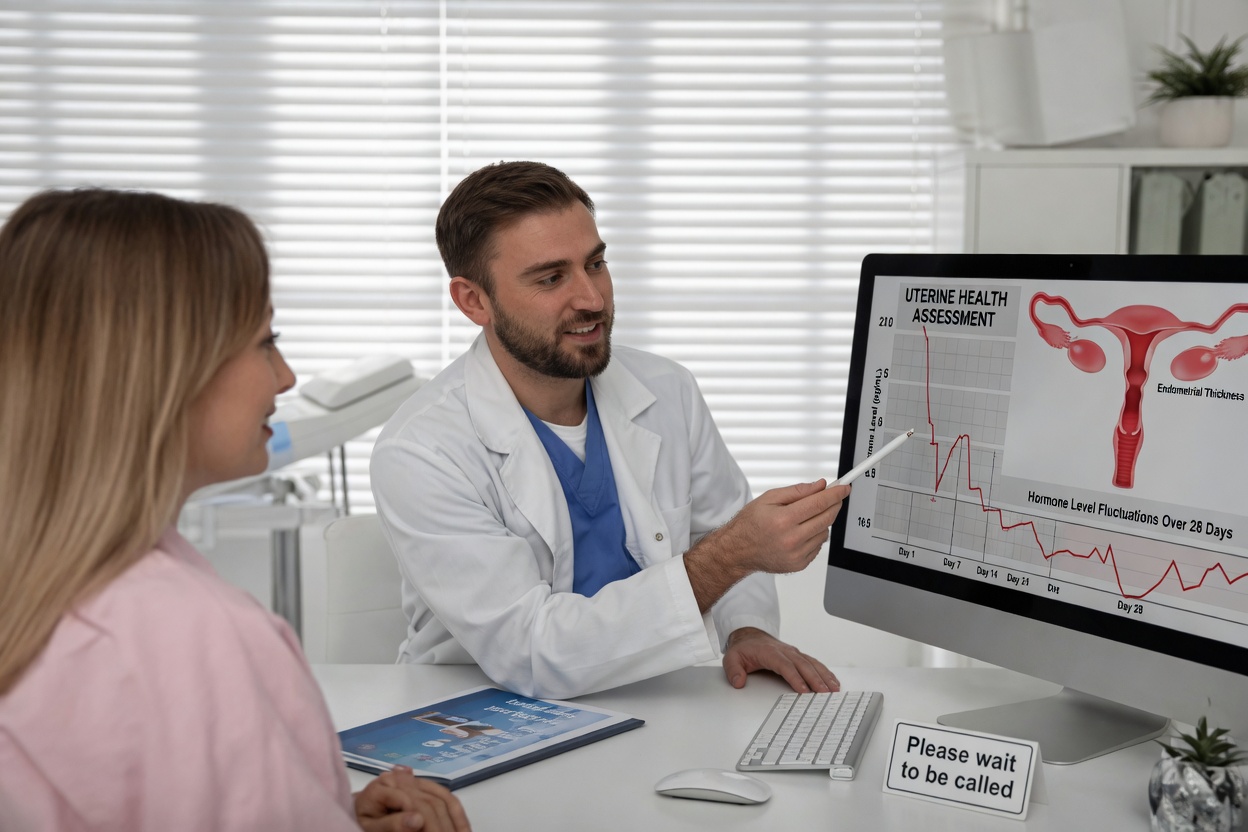
Quick Comparison: What to Avoid Before a Gynecologist Visit
| What to avoid | Why it helps | When to stop |
|---|---|---|
| Douching or scented products | Prevents irritation and protects natural balance | 24–48 hours before |
| Sex, lubricants, spermicides | Reduces sensitivity and keeps results clearer | 24–48 hours before |
| Tampons, creams, suppositories | Avoids residue that can affect exams/tests | 24–48 hours before |
| Scheduling during your period (if possible) | Improves comfort and exam visibility | Aim for mid-cycle |
| Arriving without questions/history | Ensures you cover what matters most | Night before |
Quick Self-Check: Are You Ready for Your Next Appointment?
- How many things should you avoid before visiting a gynecologist? Five
- What is your biggest worry about the visit?
- Which tip above will make the biggest difference for you?
- Rate your current confidence from 1–10.
A Simple 7-Day Prep Timeline for Your Gynecologist Appointment
- 6–7 days before: Write down questions, symptoms, and medications/supplements.
- 2–3 days before: Avoid douching, vaginal products, tampons/inserts, and sexual activity.
- 1 day before: Confirm appointment time, plan comfortable clothing, and organize notes.
- Day of the appointment: Follow clinic instructions (for example, some visits may require a urine sample). Take slow breaths—being tense can make the exam feel less comfortable.
Many people find that a quick shower with plain warm water the morning of the appointment is all the freshening they need. Keeping it simple is often best.
FAQ
Do I need to follow every “avoid” rule listed?
Follow the items that affect comfort or test accuracy, and always prioritize the specific instructions from your clinician or clinic.
What if my period starts right before my appointment?
Call the office. Many appointments can still happen, but they may recommend rescheduling certain tests (like a Pap test) for the most reliable results.
Should I shave or groom before visiting a gynecologist?
Grooming is optional. Clinicians do not expect it, and it’s not required for a proper exam.
Medical Disclaimer
This article is for informational purposes only and is not a substitute for professional medical advice, diagnosis, or treatment. For guidance tailored to your situation, consult a qualified healthcare provider before your next gynecologist appointment.