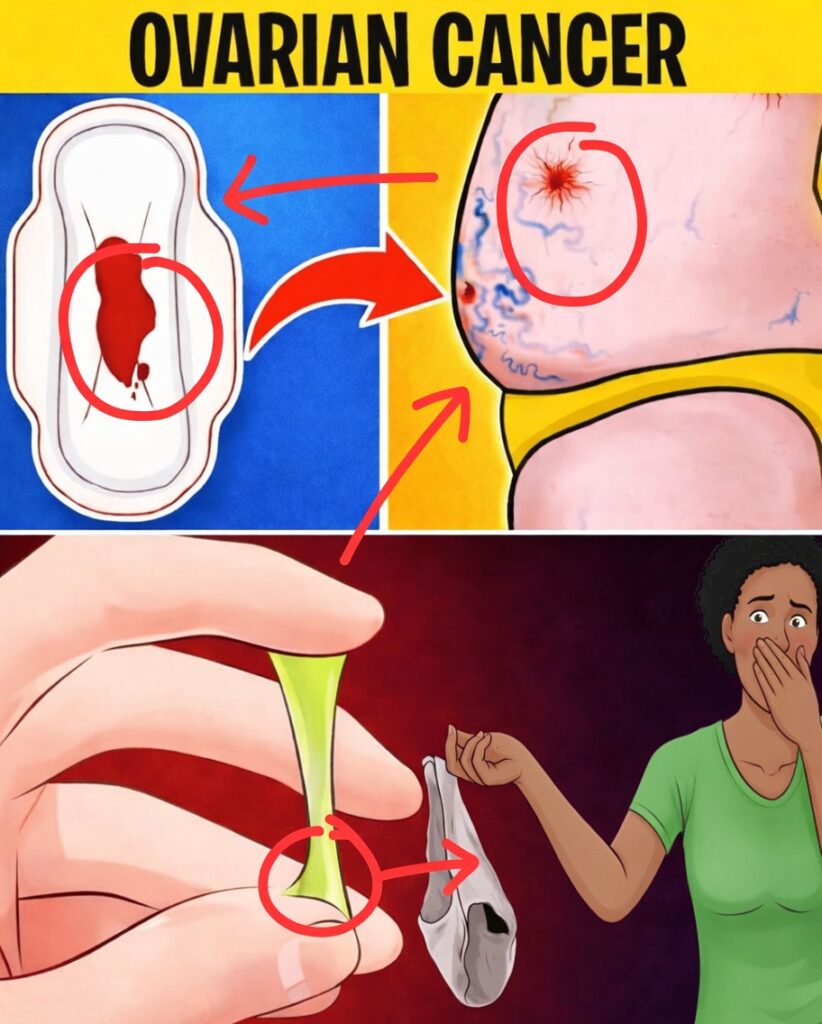
Ovarian Cancer Can Be Easy to Miss—Until You Know What to Watch For
Ovarian cancer affects thousands of women every year, yet the early signs of ovarian cancer often look like ordinary problems—stress, digestion issues, or changes that feel like “normal” aging. Because the symptoms are subtle, many women live with lingering discomfort and quiet worry, questioning whether they’re being overly concerned while fearing what the symptoms might mean.
The encouraging reality is that noticing and responding to these possible signs of ovarian cancer can help you seek medical guidance sooner—and that can make a meaningful difference.
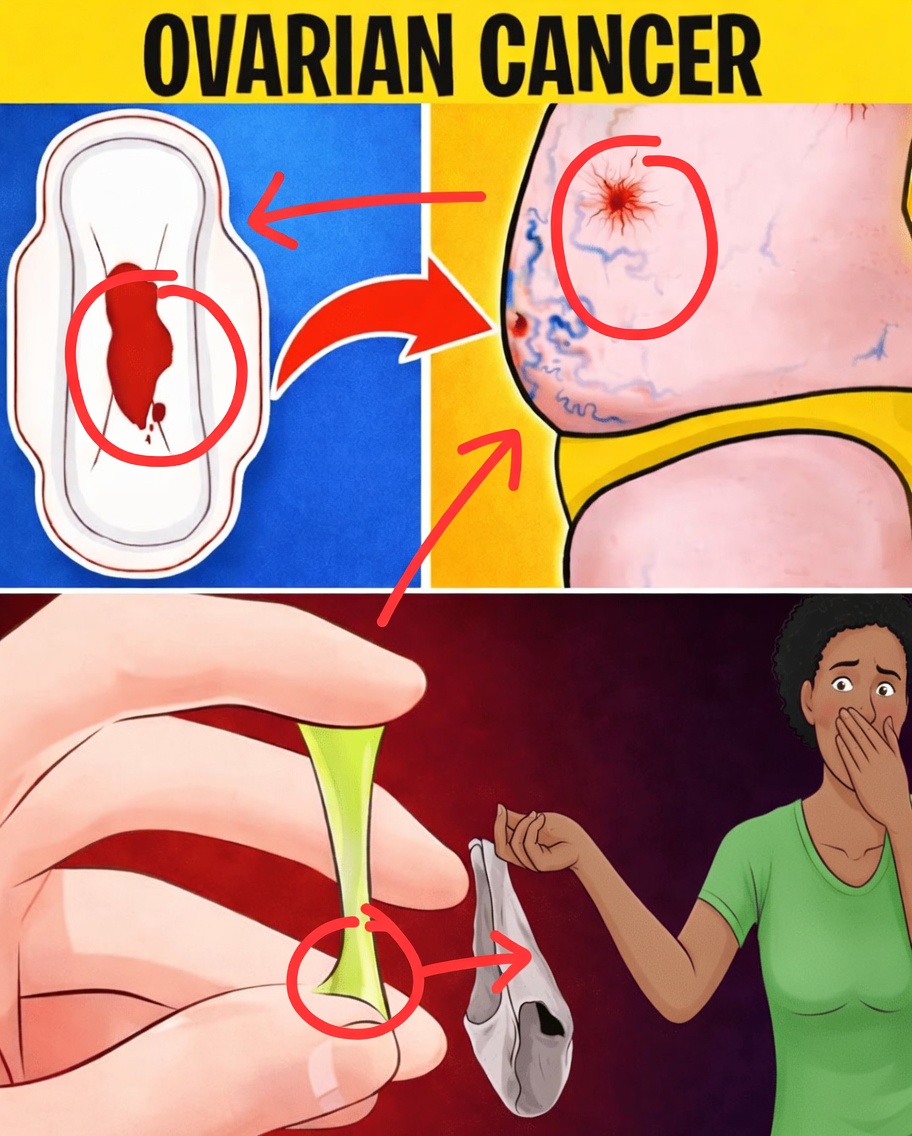
Why Early Signs of Ovarian Cancer Often Stay Hidden
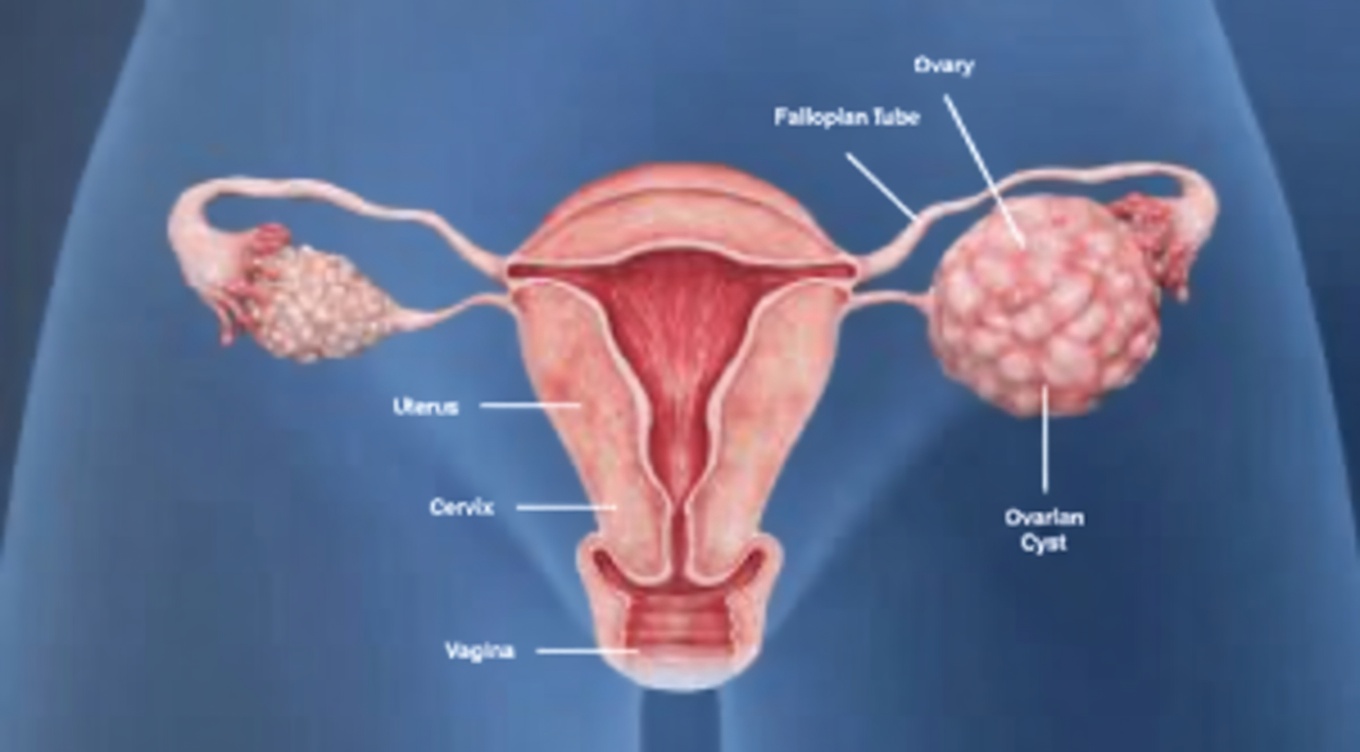
One reason ovarian cancer symptoms are overlooked is location: the ovaries sit deep in the pelvis, so early changes can feel like common gastrointestinal or hormonal fluctuations. Many women delay mentioning symptoms for months because they seem “too vague” to bring up—yet waiting can allow uncertainty to grow and problems to progress.
Ovarian cancer can begin in the ovaries or nearby tissue and may develop gradually, pressing on surrounding organs long before anything feels urgent. If you’ve ever noticed your waistband getting tighter without explanation, or ongoing exhaustion that you blamed on a busy life, you’re in good company—many women describe the same frustration with early signs of ovarian cancer.
The key detail many people miss: these signs become more concerning when they persist and show up together, not just once in a while.
Elena’s Story: Turning Fear Into Early Action
Elena, a 54-year-old teacher, spent more than a year coping with symptoms she assumed were related to perimenopause—fatigue, bloating, and general discomfort. Like many women, she hesitated to talk to her doctor because she didn’t want to “make a fuss.” But when she finally explained how often the symptoms occurred and how long they had lasted, testing identified an early-stage issue and she was able to take prompt next steps.
Her experience highlights something important: paying attention to signs of ovarian cancer isn’t about panic—it’s about clarity, control, and reducing that background anxiety that comes from not knowing.
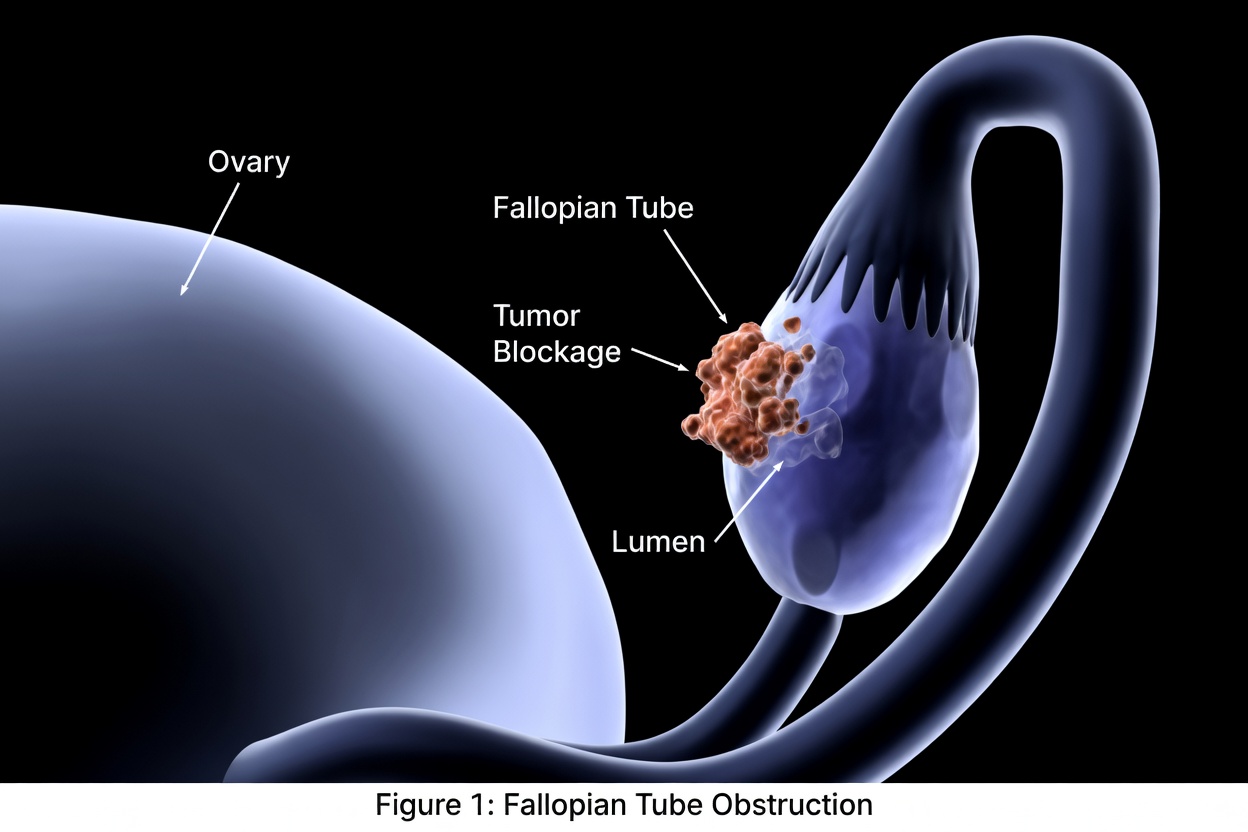
The 4 Core Signs of Ovarian Cancer Many Women Overlook
These four symptoms are among the most frequently reported early signs of ovarian cancer, especially when they are persistent:
-
Ongoing bloating
A swollen, tight abdomen that continues for weeks can lead to self-doubt and constant wardrobe frustration. -
Feeling full quickly (early satiety)
Getting “stuffed” after a few bites may cause you to skip meals and wonder why your appetite has changed. -
Noticeable changes in appetite or eating habits
Sudden shifts in how much you want to eat—or what you can tolerate—can disrupt routines and increase worry. -
Menstrual changes or bleeding after menopause
Irregular periods or unexpected bleeding after menopause can be especially unsettling and should be discussed promptly.
Quick self-check: Over the past month, how often have any of these appeared—rarely, sometimes, or frequently?
And these aren’t the only clues. There are additional symptoms that deserve attention when they persist.
“Momentum” Symptoms That Should Not Be Ignored
Some signs gain importance when they continue or cluster with others. These potential ovarian cancer symptoms can significantly affect daily life:
-
Frequent or urgent urination (without infection)
Feeling like you constantly need to go—especially if tests don’t show a UTI—can disrupt sleep and daily routines. -
Pelvic or lower abdominal pain/pressure
A dull ache, heaviness, or pressure that doesn’t resolve can interfere with work, relationships, and mood. -
Unexplained weight loss
Losing weight without trying may feel positive at first, but paired with appetite or energy changes it warrants attention. -
Persistent fatigue that rest doesn’t fix
Deep, ongoing tiredness can make ordinary tasks feel overwhelming and is commonly dismissed as “just life.”
A practical guideline: if two or more signs of ovarian cancer last longer than 2–3 weeks, the pattern becomes easier for clinicians to evaluate.

Signs of Ovarian Cancer vs. Common Everyday Explanations
| Sign of Ovarian Cancer | How It May Feel | Common Dismissal | When to Mention It to Your Doctor |
|---|---|---|---|
| Persistent bloating | Swollen, tight abdomen | “I ate too much” / IBS | Lasts more than 3 weeks, especially with other changes |
| Feeling full quickly | Full after small meals | “Indigestion” | When paired with bloating or pain |
| Frequent urination | Constant urge, small amounts | “UTI” / aging | When infection is not found on testing |
| Pelvic pain/pressure | Dull ache or heaviness | “Cramps” | If persistent or worsening |
| Unexplained weight loss | Weight drops without effort | “Finally losing weight” | When combined with appetite or energy changes |
| Ongoing fatigue | Bone-deep tiredness | “Busy schedule” | If it occurs with any other persistent symptom |
Awareness matters: research and clinical experience consistently suggest that recognizing persistent early signs of ovarian cancer helps women seek care earlier and feel more confident in health discussions.
Simple Steps to Track Possible Signs of Ovarian Cancer
You don’t need a complicated system—just consistency.
-
Start a daily symptom log (phone notes works well)
Track bloating, fullness, appetite changes, urinary urgency, pelvic discomfort, fatigue, and anything else unusual. -
Record for two full weeks
Note timing, severity, duration, and any triggers (meals, stress, exercise). -
If two or more symptoms persist, contact your doctor
You can say:
“I’ve tracked persistent bloating, early fullness, and urinary changes for several weeks. I’d like to discuss next steps.” -
Ask about appropriate evaluation
Bring your notes and request a discussion about a pelvic exam and imaging if your clinician believes it’s appropriate.
If a pattern is present, don’t let it be dismissed as “just stress” without follow-up—your peace of mind is a valid reason to seek clarity.
FAQ: Signs of Ovarian Cancer
-
What are the earliest signs of ovarian cancer most women notice?
Persistent bloating, feeling full quickly, and pelvic pressure are common early reports—concern rises when symptoms are frequent and ongoing. -
Can ovarian cancer symptoms appear in younger women?
Yes. Risk increases with age (especially after 50), but symptoms can occur at any age. New, persistent changes are worth discussing regardless of age. -
How should I talk to my doctor about possible signs of ovarian cancer?
Focus on pattern and duration, mention your symptom log, and ask what evaluations are appropriate. Clear, specific details usually reduce anxiety quickly.
Final Thoughts: Recognizing Signs of Ovarian Cancer Early
You now know the eight quiet signs of ovarian cancer to watch for, why they’re often missed, and how to track symptoms in a way that supports calm, informed action. Paying attention doesn’t mean assuming the worst—it means advocating for yourself and responding wisely to persistent changes.
Start your symptom log tonight. Small, consistent steps can turn vague worry into clear information you can share with your healthcare provider.
This article is for informational purposes only and does not replace professional medical advice. If you notice persistent symptoms that concern you, contact your gynecologist or primary care provider for personalized evaluation.