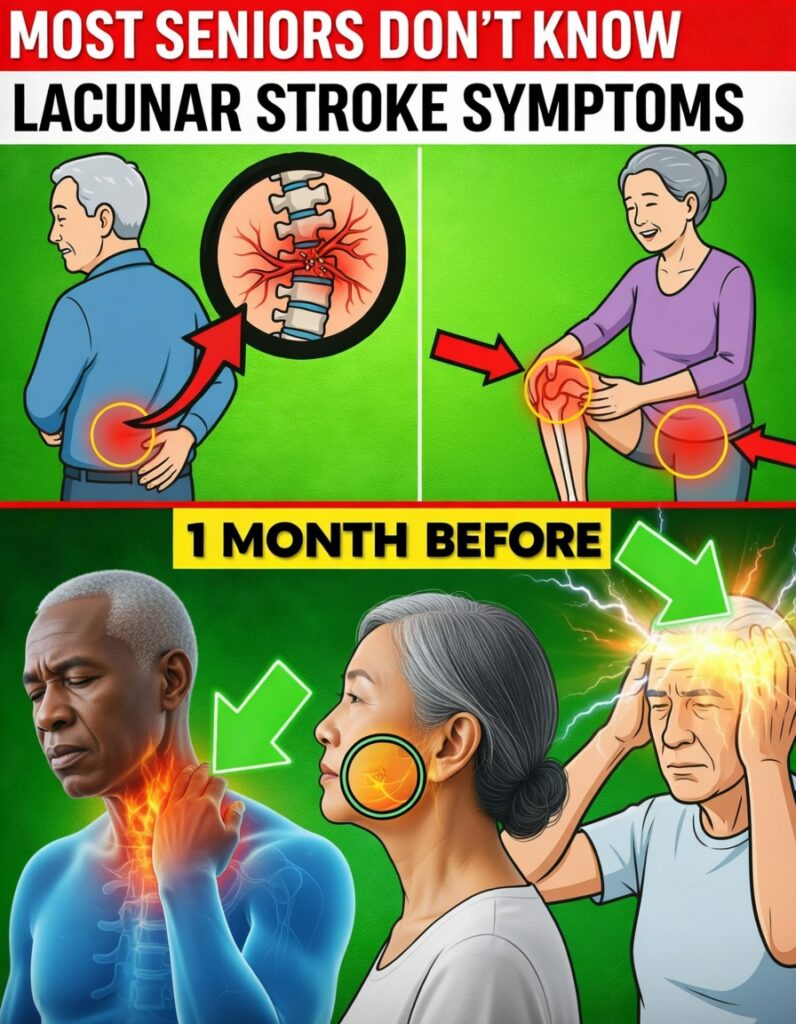
Lacunar Strokes After 60: The Quiet Brain Injuries That Can Change Your Life
Lacunar strokes often occur “under the radar,” especially in adults over 60. They can leave tiny areas of damage deep inside the brain—small enough to avoid dramatic, obvious symptoms, yet serious enough to gradually affect balance, memory, and day-to-day independence.
It’s easy to explain away a brief stumble, a clumsy hand, or a moment of mental fog as “just aging.” But when lacunar stroke warning signs stack up over time, they can lead to frustration, reduced confidence, and increasing reliance on others for tasks that once felt effortless.
The encouraging part: recognizing overlooked lacunar stroke warning signs early can help you protect brain health, stay active, and maintain control over your lifestyle. Pay close attention—Warning Sign #4 is one of the most commonly missed, and noticing it may help prevent bigger problems later.
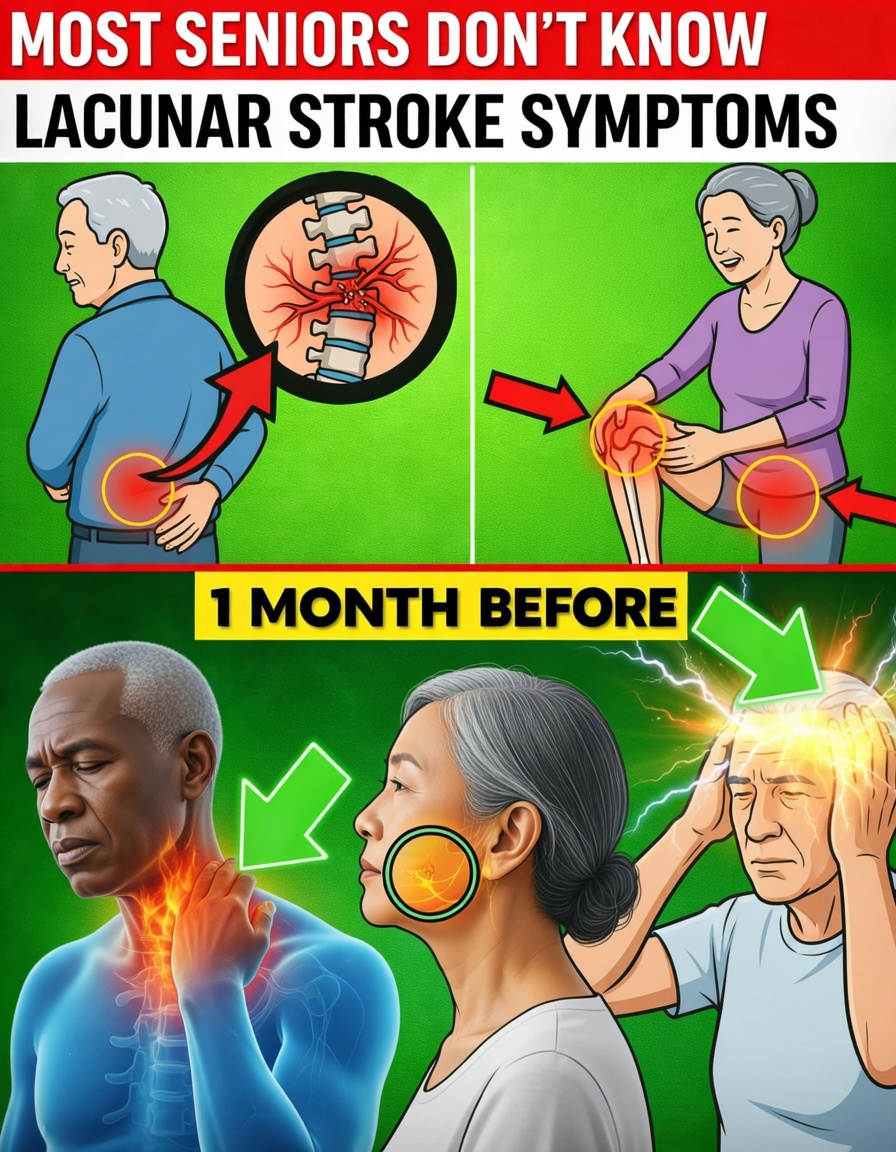
Why Lacunar Strokes Are Dangerous—and Easy to Miss
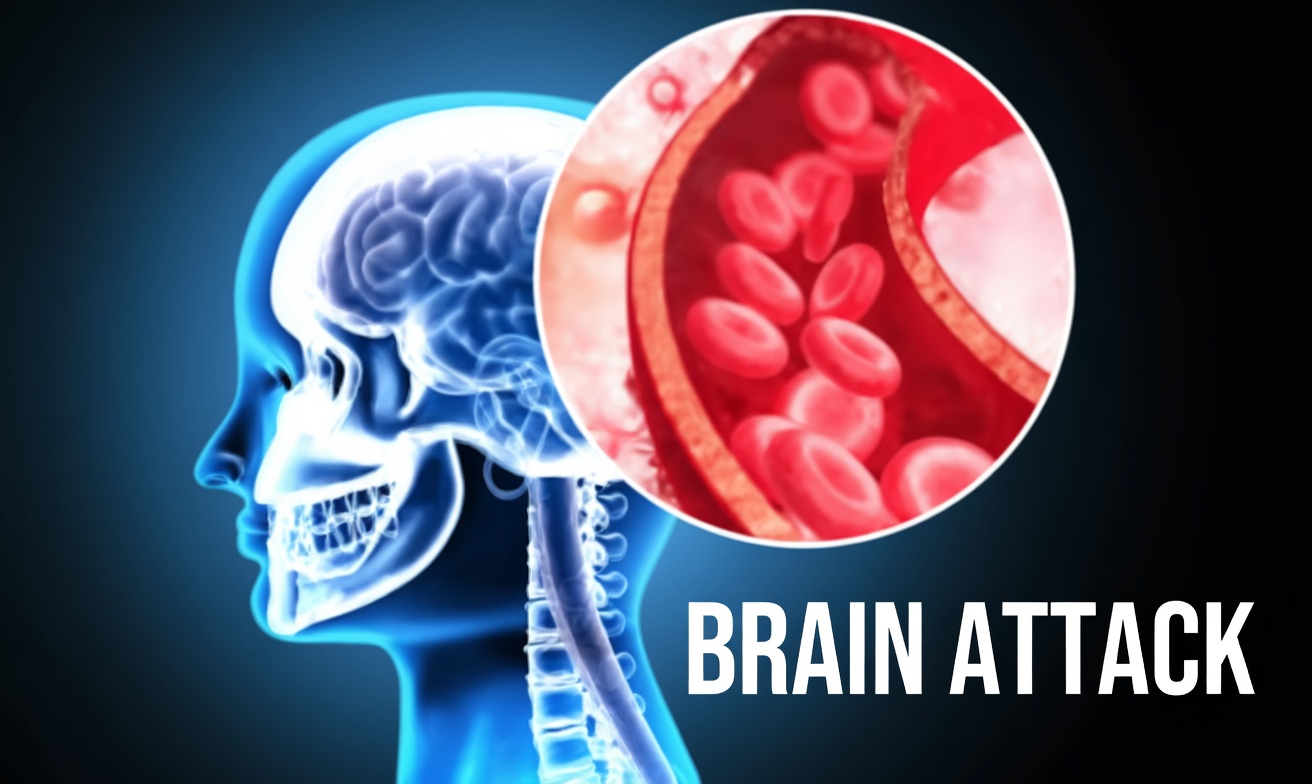
After 60, many changes in movement and thinking get attributed to normal aging. However, some of these shifts may be lacunar stroke warning signs caused by tiny blockages in small arteries deep in the brain. These events can subtly reduce your ability to walk steadily, think clearly, and stay independent—often without a single “classic stroke” moment.
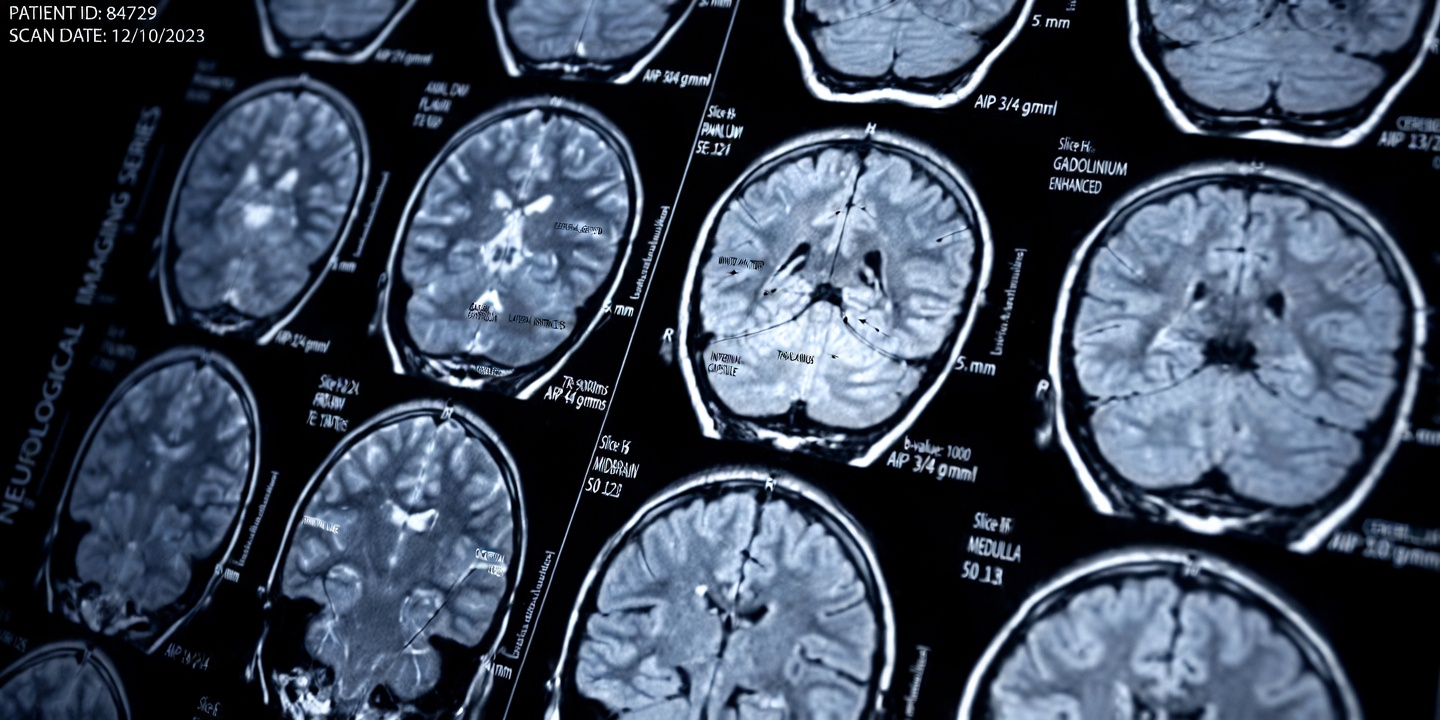
What makes lacunar strokes particularly challenging is that each individual event may be small. Yet over months or years, repeated injury can damage regions such as the basal ganglia and thalamus, leading to noticeable declines in mobility, coordination, bladder control, and cognitive function.
Population research suggests lacunar strokes and related small-vessel changes become more common with age. Understanding lacunar stroke warning signs can help you bring specific concerns to a clinician—rather than dismissing everything as getting older.
The 7 Overlooked Lacunar Stroke Warning Signs (Starting with #7)
Warning Sign #7: Sudden Stabbing, Burning, or “Electric Shock” Pain on One Side
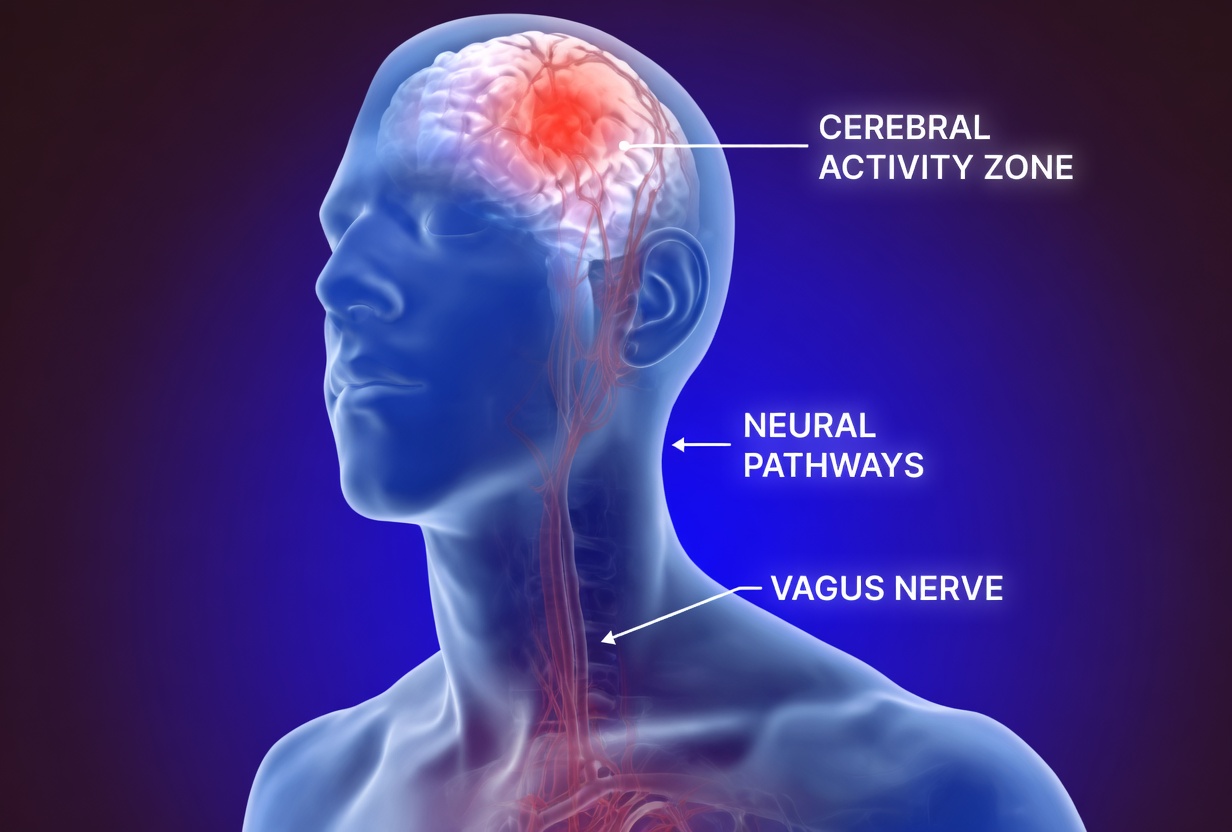
A sudden burning sensation, sharp stabbing pain, or electric-like shocks in the foot, hand, or one side of the body—without any clear injury—can be a clue that pain pathways in the brain are involved. In some cases, lacunar strokes affecting the thalamus can contribute to a type of central pain that makes even light touch feel unpleasant.
Many people assume this must be arthritis, neuropathy, or a local nerve issue. But when the symptoms are one-sided, unusual, or unexplained, they may be lacunar stroke warning signs worth discussing promptly with a doctor.
Warning Sign #6: Severe Abdominal or Flank Pain That Resembles Kidney Stones or Appendicitis
Occasionally, lacunar stroke warning signs can present in unexpected ways—such as intense side or abdominal pain that comes in waves and may include nausea. Emergency testing may find no clear problem in the organs themselves.
In rare situations, this can be related to disrupted pain signaling in the brain rather than a problem in the kidney, appendix, or intestines. Because this presentation is confusing, sharing a full history of symptoms and timing with your healthcare team is especially important.
Warning Sign #5: Brief One-Sided Weakness or Clumsiness (Even If It Lasts Minutes)
If one hand suddenly feels heavy, you drop objects, or a leg briefly feels unreliable—then it improves quickly—you may be tempted to blame fatigue, overuse, or a “pinched nerve.” But short-lived episodes of one-sided weakness or clumsiness can fit a classic pattern of lacunar stroke warning signs involving motor pathways.
Even when symptoms fade, they deserve medical attention. Brief events can still signal active small-vessel disease that may progress without treatment.
A quick self-check:
- Do your hands feel as steady as they used to during routine tasks?
- Have you noticed one-sided heaviness you’ve brushed off?
- Have small slips or stumbles become more frequent?
Warning Sign #4: Gradually Worsening Balance, Slower Walking, and Unexplained Falls
This is one of the most overlooked lacunar stroke warning signs—because it looks so much like “normal aging.”
You may notice shuffling steps, smaller strides, difficulty turning, or a feeling that your lower body is not responding smoothly. Family members often observe it first: more stumbling, more near-falls, and more hesitation when walking.
This pattern is sometimes described as vascular parkinsonism and is commonly linked to small-vessel injury in white matter and the basal ganglia. Many people attribute it to arthritis, weak muscles, or “old legs,” but neurologists emphasize that the cause and management can be different.
If balance problems or falls are increasing—especially without a clear explanation—consider a neurological review.

Warning Sign #3: Urinary Urgency, Frequency, or New Incontinence
Needing to rush to the bathroom, waking multiple times at night to urinate, or having accidents despite planning ahead can be more than an age-related inconvenience. Lacunar stroke warning signs may include bladder control changes when brain connections involved in urinary regulation are affected.
Because these symptoms can feel embarrassing, many people stay silent and become more isolated—avoiding travel, social activities, or long outings. Geriatric research has linked urinary issues to white matter changes, making it important to discuss symptoms openly so clinicians can consider the full picture.
Warning Sign #2: Worsening Focus, Planning Difficulties, and Personality Shifts
If everyday planning starts to feel unusually hard—organizing a simple meal, following a conversation, managing bills, or staying focused—this can reflect changes in “executive function.” Lacunar stroke warning signs often affect these skills early because small-vessel damage can disrupt communication between brain regions.
Loved ones may notice you withdrawing from hobbies, becoming less engaged socially, or seeming “not quite yourself.” These step-like declines can be different from typical age-related forgetfulness and deserve medical evaluation and tracking over time.
Warning Sign #1: Brief Episodes of Confusion, Disorientation, or Mental Fog
Short moments of sudden cloudiness—such as feeling briefly lost, disoriented, or mentally “switched off”—are easy to dismiss as stress, poor sleep, or a senior moment. However, these can be among the earliest lacunar stroke warning signs, indicating temporary disruption in brain networks responsible for alertness and orientation.
Even if these episodes resolve quickly, ignoring them may allow ongoing small-vessel injury to continue unchecked. Getting assessed early offers the best chance to identify risk factors and slow progression.
Prevention and Action Steps You Can Start Today
While you can’t change age, you can influence many of the drivers of small-vessel disease. Managing key health factors supports blood vessel health and may reduce progression associated with lacunar stroke warning signs.
Practical steps to discuss with your healthcare provider include:
- Control blood pressure (one of the strongest risk factors for small-vessel damage).
- Manage cholesterol and follow a heart-healthy eating pattern.
- Treat diabetes carefully and monitor blood sugar consistently.
- Stay physically active with safe, regular movement (walking, strength and balance training, or clinician-approved exercise).
- Stop smoking and avoid secondhand smoke exposure.
- Review medications and sleep (poor sleep and some drugs can worsen balance or cognitive symptoms).
- Track symptoms in a simple weekly log—especially falls, one-sided weakness, urinary changes, and brief confusion.

When to Seek Urgent Medical Care
Seek emergency help immediately if you experience sudden stroke-type symptoms such as:
- Face drooping, arm weakness, or speech difficulty
- Sudden severe imbalance or inability to walk
- Sudden vision changes
- New confusion that does not quickly resolve
Even when symptoms are mild or brief, don’t wait weeks or months. Lacunar stroke warning signs are often subtle—but early evaluation can make a meaningful difference.
Key Takeaway
Lacunar strokes can be small, silent, and cumulative—yet their impact on mobility, thinking, bladder control, and independence can be life-changing. Taking subtle lacunar stroke warning signs seriously, especially after 60, is a practical step toward protecting your brain health and preserving your freedom in daily life.