Bed Bugs in Your Garden: What It Really Means (and What to Do Next)
Imagine walking into your backyard on a warm evening and noticing small, reddish-brown insects darting across your patio set or tucked into outdoor cushions. It’s unsettling—and once you start searching online, the flood of “instant cure” hacks can make it even harder to know what’s safe, effective, and worth your time.
Here’s the key takeaway that changes everything: most “bed bugs in the garden” sightings are not a true outdoor infestation—they’re usually temporary visitors with a specific reason for showing up.
The Surprising Truth: Bed Bugs Rarely Live Outdoors
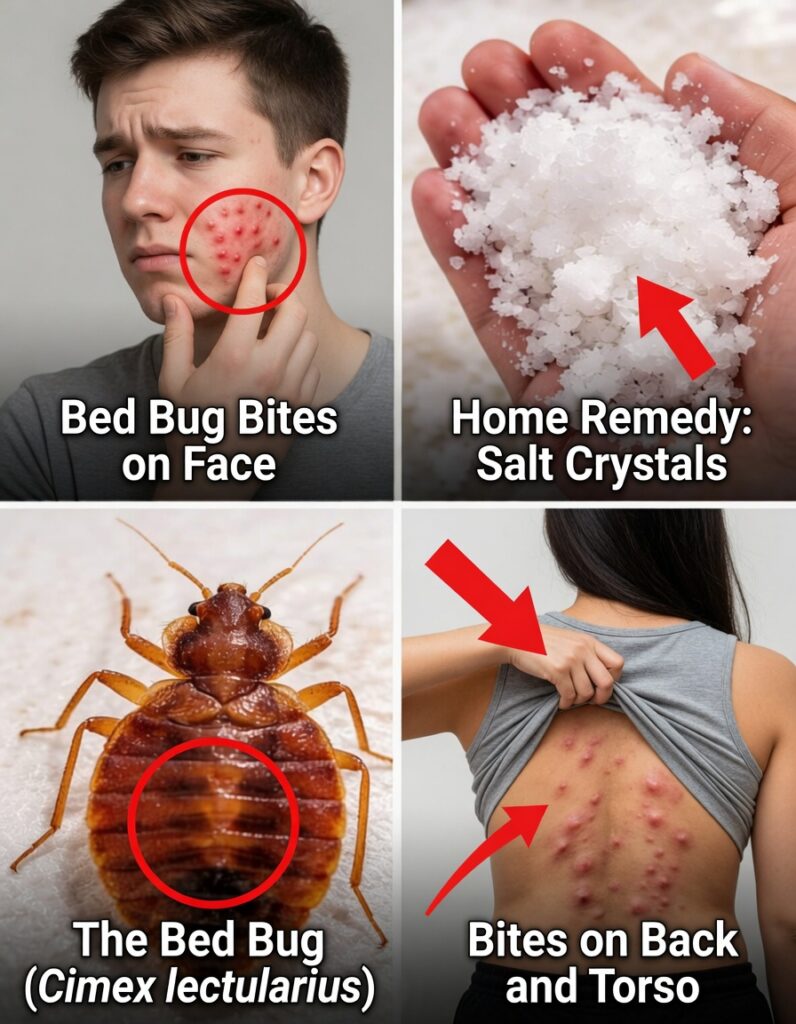
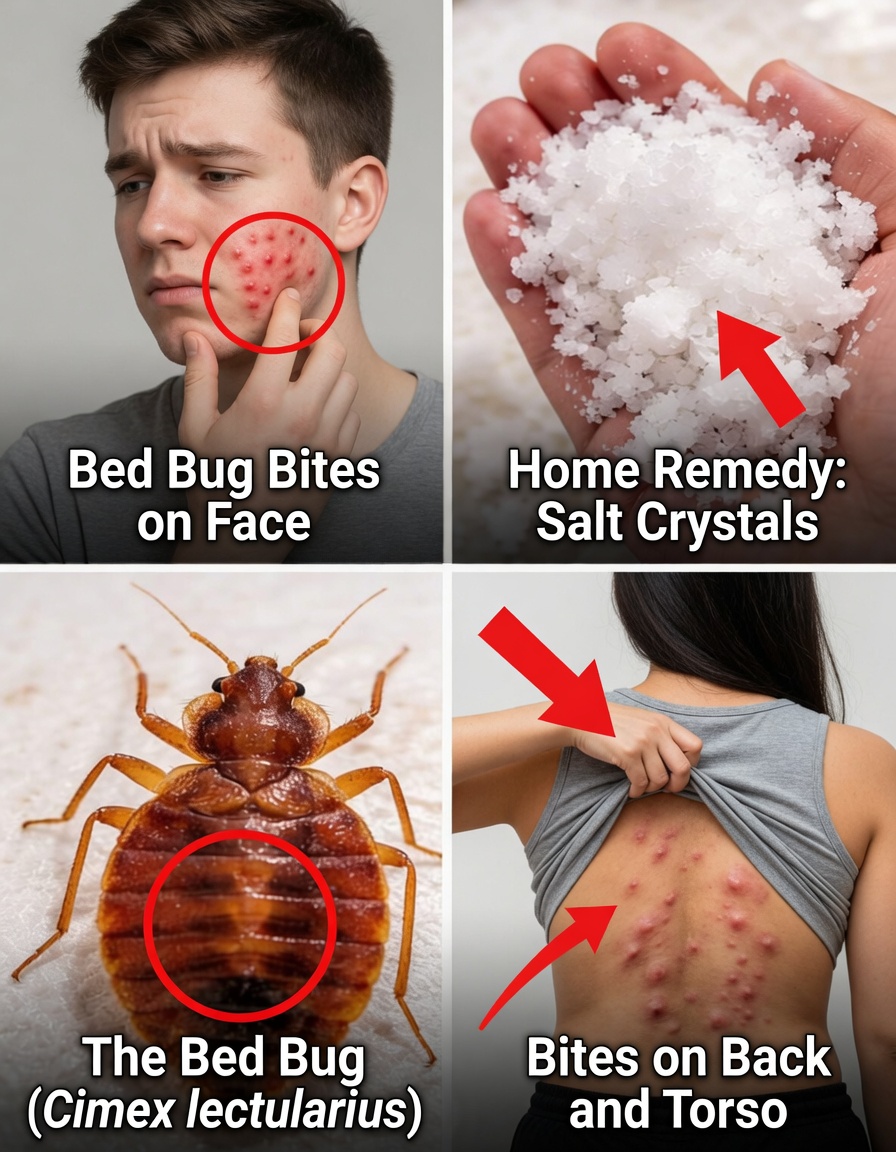
Bed bugs (Cimex lectularius) are primarily indoor pests. They survive best when they can stay close to people, because they rely on blood meals and prefer protected hiding spots found inside homes. Unlike ants, mosquitoes, or many common garden insects, bed bugs do not normally establish colonies in soil, grass, or flower beds.
That said, they can appear outside under certain conditions. Common scenarios include:
- Displacement from an indoor infestation, pushing them to new hiding areas
- Hitchhiking on items brought outdoors, such as used furniture, cushions, or storage bins
- Clinging to clothing or fabrics that were exposed indoors
- Movement from a nearby residence, especially in warm weather when activity increases
Entomology guidance (including university extension resources such as the University of Kentucky) notes that sheltered outdoor micro-spaces—like gaps under cushions, cracks in wood, stored planters, or protected corners of decks and sheds—can serve as temporary hiding spots. In most cases, what you’re seeing outdoors is a small number of stragglers, not a thriving population.
Understanding this reduces panic and helps you respond strategically rather than chasing risky “quick fixes.”
Why Viral “Instant” Bed Bug Fixes Often Fail Outdoors
You’ve probably seen claims that bed bugs disappear immediately if you:
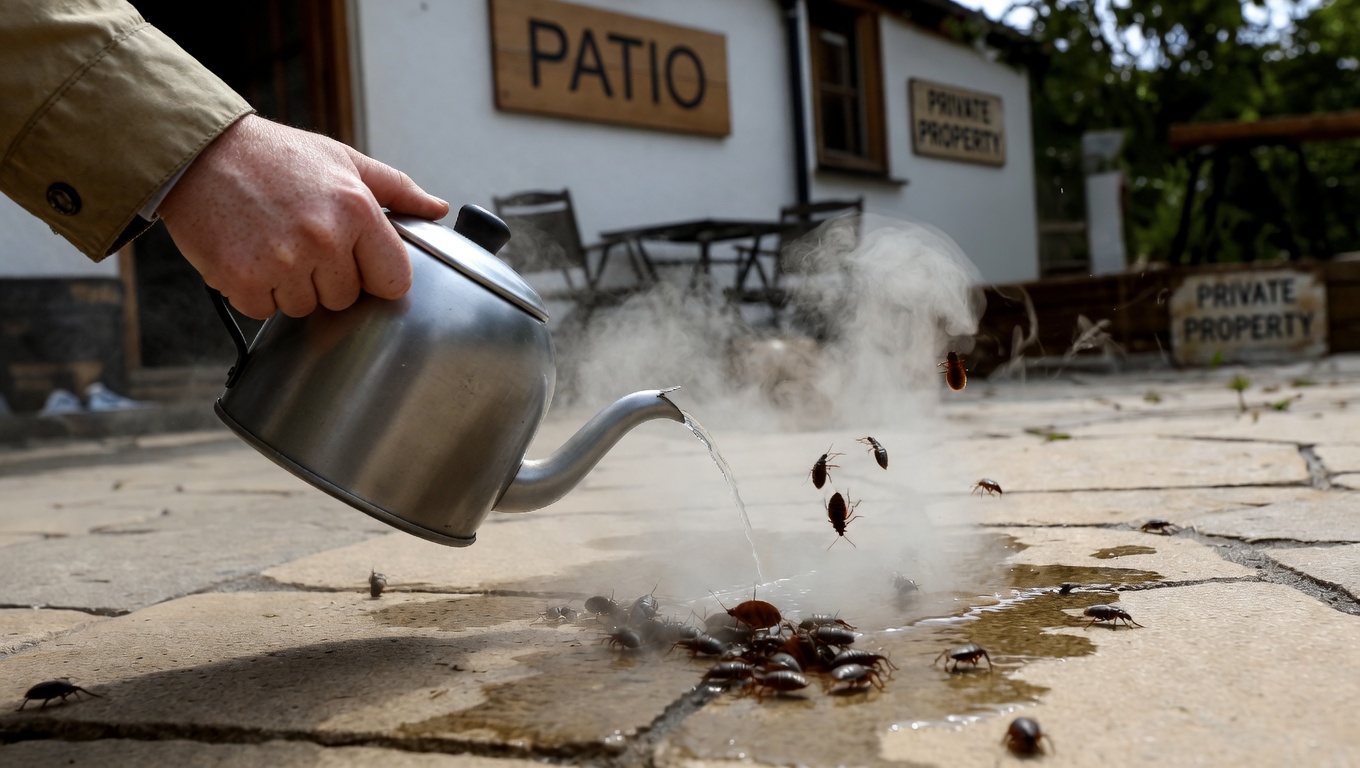
- pour boiling water on the area,
- spray vinegar,
- or scatter certain powders.
There’s a grain of truth here: extreme heat (boiling water is 212°F / 100°C) and high-acid vinegar can kill bed bugs on contact by damaging their bodies. But outdoors, these approaches break down for practical reasons:
- They only work if you hit the bug directly, which is difficult when insects scatter into seams, cracks, and crevices.
- Eggs and tiny nymphs may survive, allowing the problem to return.
- Large-area spraying or soaking can damage plants, patio materials, fabrics, or soil health.
- Pest-management organizations (including the National Pest Management Association) emphasize that no natural remedy reliably eliminates bed bugs in minutes, especially when bugs are hidden.
Lab research supports that sustained heat above 118–120°F (about 48–49°C) can be effective—however, achieving consistent, thorough heat outdoors without specialized equipment is difficult. Vinegar may repel or kill on contact, but it typically doesn’t penetrate deep hiding places where bed bugs avoid exposure.
Effective Ways to Handle Bed Bugs in Outdoor Spaces
Instead of relying on miracle tips, focus on a simple, proven framework: confirm, reduce, remove hiding places, and prevent re-entry.
Before you act, make sure the pest is correctly identified. Bed bugs are typically:
- small and oval,
- reddish-brown,
- flat-bodied (especially before feeding),
- associated with tiny dark spotting (fecal marks) and shed skins near hiding areas.
Step 1: Fast Spot Treatments for Bed Bugs You Can See
If you find visible bed bugs on patio furniture, cushions, or hard surfaces, act quickly with targeted methods that minimize collateral damage.
-
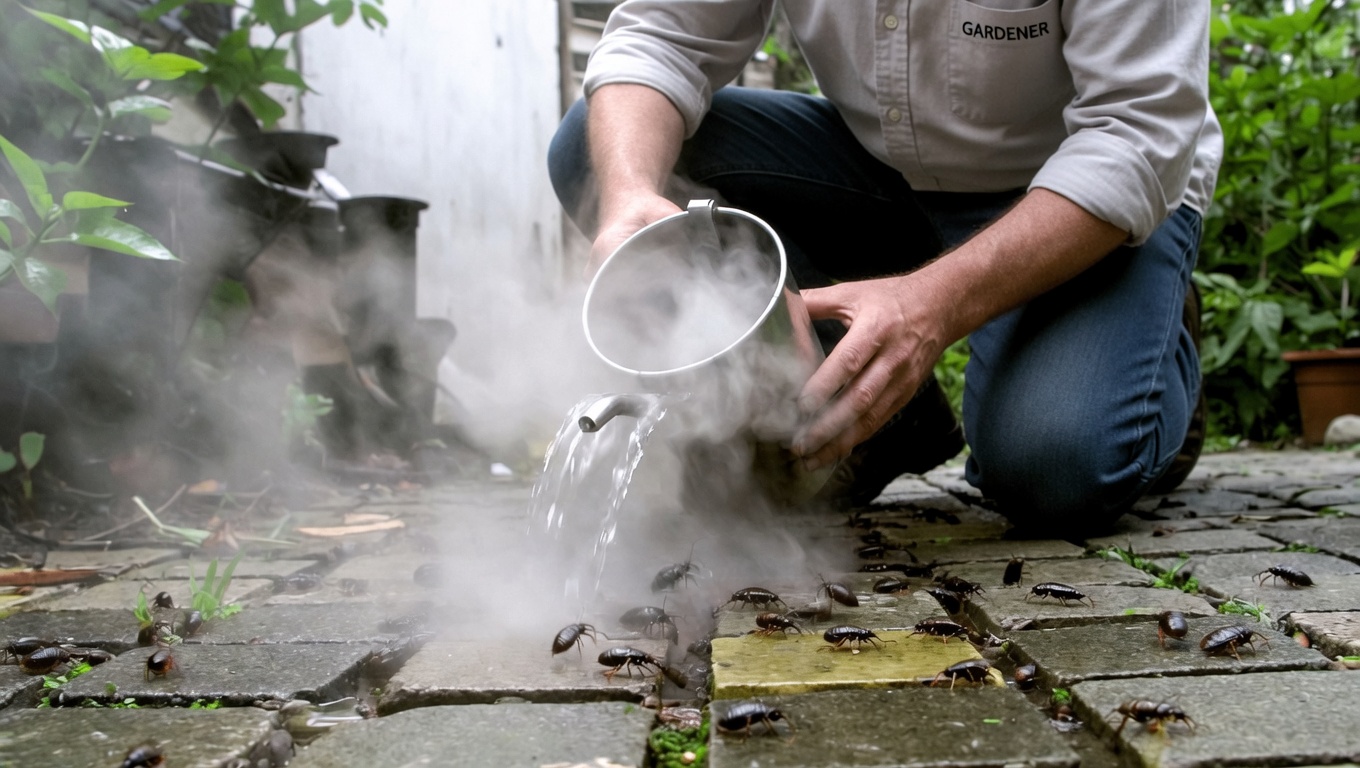
Boiling Water (hard surfaces only)
- Carefully pour over bugs on patio stone, metal frames, or other heat-tolerant surfaces.
- Avoid plants and delicate materials to prevent burns or damage.
-
Vinegar Spray (direct hit)
- Use undiluted white vinegar in a spray bottle.
- Spray directly onto bugs for on-contact impact.
- Note: strong odor; may affect sensitive plants or finishes if overused.
-
Vacuum or Sweep Removal
- Use a shop vacuum to capture visible bugs quickly.
- Immediately seal and discard the vacuum bag/canister contents far from the home.
- This is one of the safest ways to reduce numbers immediately.
These methods can reduce visible activity fast—but they don’t replace cleanup and prevention.
Step 2: Remove Outdoor Hiding Places (Where Bed Bugs Wait)
Even outdoors, bed bugs benefit from clutter and shelter. Reduce their ability to hide by tightening up your space:
- Inspect cushions, pillows, and covers carefully along seams and zippers.
- Wash removable fabrics in hot water (aim for at least 120°F) and dry on high heat.
- For items you can’t wash:
- store them in sealed plastic bags or bins when not in use,
- keep them off the ground where possible.
- Reduce unnecessary stored items near seating areas (stacked planters, unused covers, spare fabrics).
Small changes in storage and cleanliness often stop repeat sightings.
Step 3: Prevention Habits That Keep Bed Bugs From Returning
To prevent recurring outdoor bed bug sightings, build routines that make your patio and garden less inviting:
- Clean outdoor furniture regularly, especially cushion seams and frame joints.
- Be cautious with second-hand items (patio chairs, planters, storage boxes). Inspect before bringing them into your yard or home.
- Seal cracks and gaps in wooden structures, decks, sheds, and storage areas where bugs can hide.
- Optional: Some people use properly diluted essential oils (such as lavender or tea tree) as a mild deterrent, but evidence is limited—treat this as an extra layer, not a solution.
- Check weekly during warm months, when insect activity tends to rise. Early detection is far easier to manage.
Quick Comparison: Which Method Fits Your Situation?
| Method | Speed of Action | Effectiveness on Visible Bugs | Outdoor Suitability | Safety Notes |
|---|---|---|---|---|
| Boiling water | Instant (on contact) | High (direct hit only) | Best for hard surfaces | Burn risk; avoid plants and delicate materials |
| Vinegar spray | Minutes (on contact) | Moderate | Good (spot use) | Strong odor; may affect some plants/finishes |
| Vacuum/sweep | Immediate removal | High | Excellent | Dispose contents far from home |
| Heat (sun + black bags) | Hours | Moderate | Good for items | Needs hot conditions (120°F+ internal temps) |
| Professional inspection/treatment | Varies | Highest | Best if recurring | Thorough, targeted, reduces spread risk |
When You Should Call a Professional
DIY steps are often enough for a few outdoor stragglers—but professional pest control becomes important when:
- bed bugs keep reappearing after cleaning and spot treatment,
- you suspect the source is inside the home,
- you’re seeing signs across multiple areas (patio + indoors),
- or neighbors report bed bug activity.
The U.S. Environmental Protection Agency (EPA) and other authorities note that outdoor sightings may point to an indoor origin nearby, and professionals can identify the source, treat appropriately, and help prevent spread.
Protecting Your Yard Long-Term
No single trick reliably makes bed bugs vanish instantly from a garden or patio. But a realistic, effective approach works: spot-treat what you see, remove hiding places, and prevent reintroduction. With regular checks and quick action, most outdoor sightings remain minor and short-lived.
Your outdoor space should feel relaxing again. Start with one simple move today: inspect and clean the cushions and seams on your patio furniture.
Frequently Asked Questions (FAQ)
-
Can bed bugs live permanently in garden soil?
No. Bed bugs don’t thrive in soil, grass, or garden beds. They prefer protected indoor environments close to a host, though they may temporarily hide outdoors in sheltered spots if displaced. -
Are there natural repellents that work well outdoors for bed bugs?
Some diluted essential oils (like lavender or tea tree) may deter bed bugs in limited situations, but they are not reliable eradication tools. For best results, prioritize physical removal, decluttering, heat laundering, and prevention. -
How can I tell whether the bed bugs in my garden came from inside my home?
Check indoors for classic signs: bites (not always present), live bugs, shed skins, and small dark spotting near beds, sofas, baseboards, and cracks. If you find indoor evidence—or outdoor bugs keep returning—treat the situation as a potential indoor source and consider professional inspection.